CIT_Mar26_Colorado_147x147

Colorado

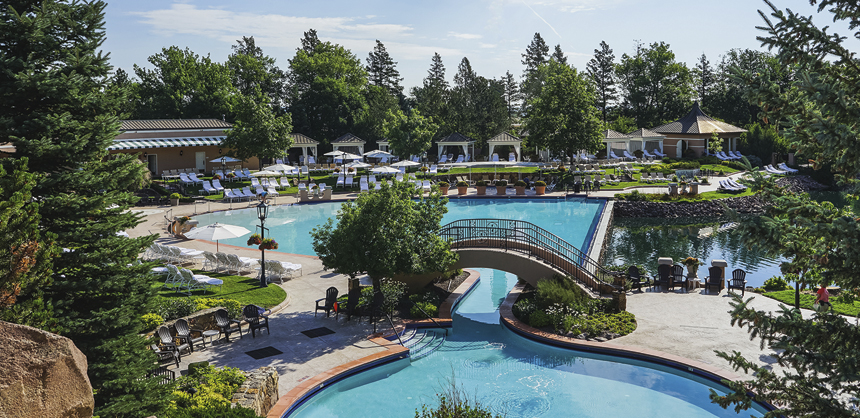
The Broadmoor Golf Club in Colorado Springs is considered one of the finest in the world.

The Broadmoor Golf Club in Colorado Springs is considered one of the finest in the world.

Colorado offers a wealth of options for planners — from vibrant urban centers and dynamic mid-sized cities to charming suburbs, scenic mountain towns, grand resorts and boutique hotels — all set against a backdrop guaranteed to inspire.

COLORADO SPRINGS

Seventy miles south of Denver, Colorado Springs is ideally positioned between fruited plains and purple mountain majesty — a setting as inspiring as it is iconic. Yet, Colorado Springs offers more than just remarkable views.

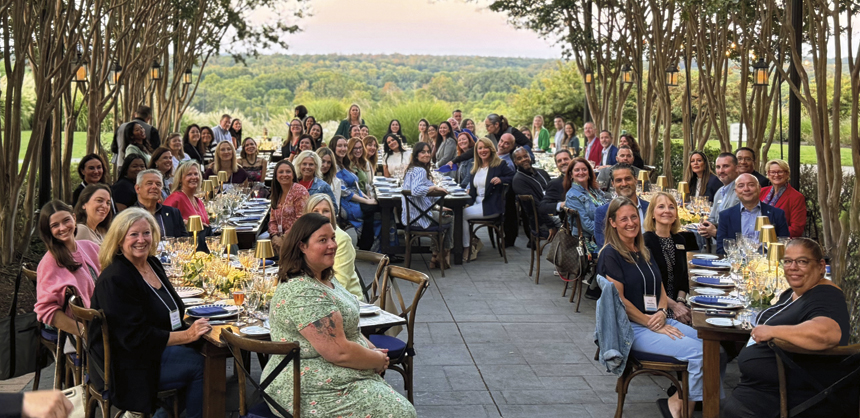
Caprice Caster, CMP, VEMM, event planner with Walsworth Publishing, in Overland Park, KS, brought the company’s national sales meeting to Colorado Springs recently, drawing 180 attendees. “Colorado Springs offers a true destination experience while still being very manageable from a planning and logistics standpoint. The area is accessible for attendees traveling from across the country, and once onsite, it provides a unique setting that feels special and rewarding — perfect for an annual meeting that’s business-focused and recognition-driven.”

The city has energy and does a good job supporting groups looking for something beyond a typical city meeting, she says, adding, “Colorado Springs offers a great mix of scenery, activities and a fresh-air feel that helped keep attendees engaged and excited throughout the week.”

Visit Colorado Springs, the city’s CVB, provided support. “They were wonderful to work with,” Caster says. “They reached out proactively and were supportive throughout the process. One small but memorable touch was that they provided complimentary lip balm for our attendees, which was genuinely appreciated and became a fun, practical surprise that people talked about.”

The meeting was set at The Broadmoor, and Caster says the overall experience exceeded expectations. “We chose The Broadmoor because it offered an exceptional combination of service, meeting infrastructure and an elevated resort experience. For this meeting, we needed a property that could support a high-volume schedule with general sessions, breakouts and special events, while also creating an experience that feels worth traveling for. The Broadmoor delivered on all of that. The property is expansive and impressive, but we never felt like a small group lost in a large resort. The property is extremely well maintained and feels polished and high quality throughout. Somehow, they keep their historic feel and brand very polished. That level of care and consistency matters when hosting an important annual program, and it was evident in guest areas and meeting spaces.”

She says several things about the resort stood out. “The biggest was how well The Broadmoor team supported us operationally. The property is large, but they intentionally placed all of our sleeping rooms and meeting space in the West Building. That made a huge difference for the attendee’s experience — saving steps, simplifying flow and keeping the group together. It helped us feel like a priority group rather than a small fish in a big ocean.”

The group used The Broadmoor’s function and conference space. “The meeting spaces were well managed, and the staff support was consistently strong,” Caster notes. “From a technical standpoint, the AV experience was exceptional. Their team was proactive, solutions-oriented and extremely reliable — making them a key part of the overall success of the meeting. They were hands down the best we’ve ever worked with. We will definitely consider The Broadmoor again.”

One of the group’s signature events, the Million Dollar Club dinner, was set at The Broadmoor’s Cheyenne Lodge, which received rave reviews from attendees and was a highlight of the week. “The setting was perfect for recognition: memorable, elevated and executed beautifully,” Caster says. “The Broadmoor is a standout property for corporate groups because it offers a true resort experience while still delivering at a very high level operationally. The service, meeting support and especially the AV team were exceptional. The way they strategically placed our rooms and meeting space together also made the program feel cohesive and easy for attendees to navigate.”

As for Colorado Springs, she calls it a destination that delivers both experience and practicality. “It feels special and rewarding for attendees, but it’s also a destination that works well for planners, especially when you’re managing a complex agenda and need reliable partners.”

To fellow planners, Caster says, “If you’re looking for a destination that creates excitement and strong engagement and a property that can execute a high-stakes corporate meeting smoothly, Colorado Springs and The Broadmoor are an excellent choice.”

Hotel Polaris, at the U.S. Air Force Academy, 375-room property, offers a spa, multiple dining venues and the only flight simulators at a hotel in the United States, providing unique opportunities for groups. CommonSpirit Health set its perinatal summit with 350 attendees at Hotel Polaris last November.

Susan Fleming, an event planner with the organization who works remote from Colorado Springs, says the destination provided an ideal alternative to Denver and elsewhere. “While we typically host conferences in Denver or other cities where we have a system office, this group’s tight budget required us to expand our search. Colorado Springs proved to be an ideal alternative, offering significantly lower costs while still being easily accessible. Hotel Polaris is just a 40-minute drive from our system office in Denver. That proximity allowed us to manage the event efficiently while staying within budget, without sacrificing the overall experience for attendees.”

She says the city itself was a bonus. “Colorado Springs offers a beautiful setting, and Hotel Polaris — being brand new — provided a stunning, modern backdrop for the event. The combination of value, proximity and an elevated experience made it an ideal choice for this conference. The ease of using the local airport is also a major advantage. With more direct flights than ever before and recent renovations, it offers a much smoother travel experience than most airports. Colorado Springs Airport is my go-to choice for a less stressful airport experience.”

The location and newness of the hotel were strong factors in choosing it for the summit. “We chose Hotel Polaris for its strong reputation for exceptional customer service, its location on the north end of Colorado Springs — conveniently close to Denver — and its upscale, boutique-style design,” Fleming says. “As a new property, the guestrooms were beautifully designed and offered stunning mountain views and thoughtful details throughout. Each room combined refined décor with upscale amenities, including Lavazza coffee makers and reusable water bottles for each attendee with purified water refill stations throughout the venue. The meeting spaces were equally well planned, allowing for easy load in and load out and a seamless flow between general sessions, breakout rooms and reception areas. With favorable weather during the event, we were able to take advantage of the hotel’s outdoor gathering spaces and seating areas, which added to the overall experience.”

The group used both main ballrooms for general and breakout sessions. A welcome reception and a poster display were set up in the pre-function area. “The function spaces were gorgeous and had everything we needed,” Fleming says. “Of special note were the high ceilings, stylish lighting and floor-to-ceiling windows offering exceptional mountain views, and we had easy access to outdoor seating and reception space. We brought our own production equipment and AV team; however, the in-house AV team was very attentive and easy to work with.”

Hotel Polaris was a fit in multiple ways. “The size of the property was ideal for our group. We were able to buy out the hotel, which allowed us to create a true CommonSpirit atmosphere throughout the event and foster meaningful networking and connections,” Fleming says. “The F & B service was another highlight, complementing the overall experience at a very high level. Our experience was exceptional. From arrival to departure, the Hotel Polaris team delivered a seamless, highly personalized experience for every attendee, consistently going above and beyond in how they welcomed attendees and attended to their needs. We’ve already recommended Hotel Polaris to other groups within our company.”

Fleming calls Colorado Springs an amazing destination that not only offers easy airport access and lower costs, but also naturally encourages strong attendance. “The beautiful surroundings and access to local activities motivate attendees to bring their families or extend their stay, adding extra value to an event. With excellent hotels like Hotel Polaris and a convenient airport, Colorado Springs strikes the perfect balance between efficiency and experience for any group.”

ASPEN

Aspen has been known for phenomenal skiing since the 1940s. It’s also the ideal place for William Blair & Company’s annual Leadership Summit, held at Hotel Jerome in 2024 and 2025 with 30 attendees. Lisa Wilson, manager of event execution for the company, which is located in Parker, CO, knew she wanted to host an event in Aspen the first moment she visited it.

“After operating our first Leadership Summit, we knew we would return,” she says. “Once you get to Aspen, there’s no need for transportation. The airport is a 10-minute drive from the downtown area, and the hotels are all situated in prime locations and close to many shops and restaurants.”

Aspen has something for everyone, Wilson says. “In the winter months, groups can experience world-class skiing followed by a lively après at the St. Regis Aspen Resort or The Little Nell. In summer, hiking, biking, fly fishing or simply relaxing by the pool at Hotel Jerome are all fan favorites. Aspen has so much history and allows its visitors to explore it in different ways, whether it be walking through Smuggler’s Mine or enjoying an afternoon at the Aspen Art Museum. For repeat travelers who have visited many times, the talented and knowledgeable team at the Aspen Chamber Resort Association can recommend restaurants or bars, assist with hotel reservations and guide individuals and groups to new and exciting things happening seasonally.”

Hotel Jerome has been welcoming attendees to Aspen since 1889, and Wilson says it’s no ordinary hotel. “It’s a gathering place that attracts people from all over the world. From the moment you arrive, you feel welcomed by the staff outside and at the front desk. Every guest is treated like a VIP. Accommodations are pristine, showcasing an elegant western theme, and the hotel has beautiful indoor and outdoor space for groups to gather. The banquet team continuously strives for excellence in preparation and service.”

Wilson says staying at Hotel Jerome makes it easy to plan a great day when meetings conclude. “Grab a coffee from Felix Roasting Co. and then hit the town for some shopping. Want to include adventure in your day? Book a flyfishing experience through Wild Willow Outfitters right in the hotel lobby. Once you return, enjoy a delicious lunch in the Garden Room before you relax and unwind in the Yarrow Spa. Finish your day with a delicious cocktail at J-Bar and listen to live music at Bad Harriet.”

To planners who may consider the destination or the hotel, she says, “I’ve traveled to Aspen for leisure and have hosted numerous groups in this beautiful city. The attendees always leave feeling inspired, refreshed and wanting to return. Whether attendees are traveling in for the warm and welcoming summer months or the snowy and vibrant ski season, Aspen is truly a year-round destination.”

SNOWMASS

Aspen neighbor Snowmass Village brought the glamour of European skiing to town more than 50 years ago and it’s been a globally loved ski destination ever since. Holiday Seminars, an accredited leader in anesthesia continuing medical education (CME) located in Snowmass, has held its Aspen Anesthesia meeting in the destination for the past 45 years, most recently early this year with 250 attendees at Viceroy Snowmass, the only ski-in, ski-out luxury resort in town.

“The biggest reason to hold a meeting here is hands down Snowmass Mountain itself,” says Jenny Smith, Holiday Seminars’ president and owner. “It’s the best mountain, and our attendees agree. The quality of the skiing and diversity of terrain keeps loyalty and attendance very high at our meeting each year. Once you add all four mountains to the mix on the same lift ticket, with all that Aspen/Snowmass has to offer in terms of dining, cultural experiences and the sheer beauty of the area, it’s a hard destination to top.”

The location is a plus. “Since it’s not easily accessed by Denver day-trippers, it keeps crowds low, which is another huge draw,” Smith notes. “We have a wonderful airport that attendees can easily fly right into. Additionally, the Viceroy Snowmass has significantly elevated lodging offerings in Snowmass, and other properties are raising the bar to keep up with them.” She believes these frequent upgrades among lodging properties, as well as new ski terrain added to the mountain, keep Snowmass fresh even for longtime attendees of the conference.

Aspen Anesthesia is a village-wide event and Smith says her group works with many wonderful properties. “Our attendees are increasingly choosy about the quality of their lodging, but they’re very happy with the offerings in Snowmass. There are also many places to hear live music in Snowmass and Aspen, so there’s always something to keep attendees entertained.”

Viceroy Snowmass works well for this conference. “We chose Viceroy Snowmass because of the ski-in, ski-out location, quality of the rooms, F&B and service that will keep people happily coming back year after year. Plus, it’s only 15 minutes from the airport with free airport-shuttle service, which means attendees don’t need to rent a car, saving them money.”

Snowmass isn’t the only location Holiday Seminars uses for CME meetings, but Smith says it’s the most successful. “We put on seminars in many locations. Snowmass is wonderful because it’s not overly corporate the way some destinations have become. Many hotels and properties in Snowmass are still small enough that you come to know every individual you work with instead of dealing with someone in a corporate office many levels away from being onsite.”

The Viceroy Snowmass conference facilities are another plus. “The windows with amazing mountain views are particularly popular; attendees don’t feel like they’re missing out on the destination while they’re in meetings. I now want windows in every conference room I use! Also, Wi-Fi is included and great, and the staff takes care of every need. The property is a cut above the norm.”

Smith calls Snowmass a perfect destination for meetings. “It’s a special place that everyone wants to return to. It’s a place where you can wow your attendees and have partners and relationships that make it an easy planning experience.”

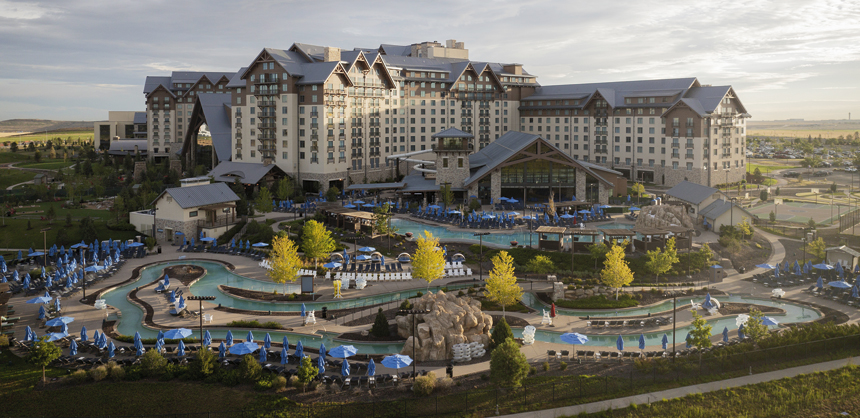
The Gaylord Rockies Resort & Convention Center in Aurora offers more than 500,000 sf of meeting and event space.

The Gaylord Rockies Resort & Convention Center in Aurora offers more than 500,000 sf of meeting and event space.

DENVER & AURORA

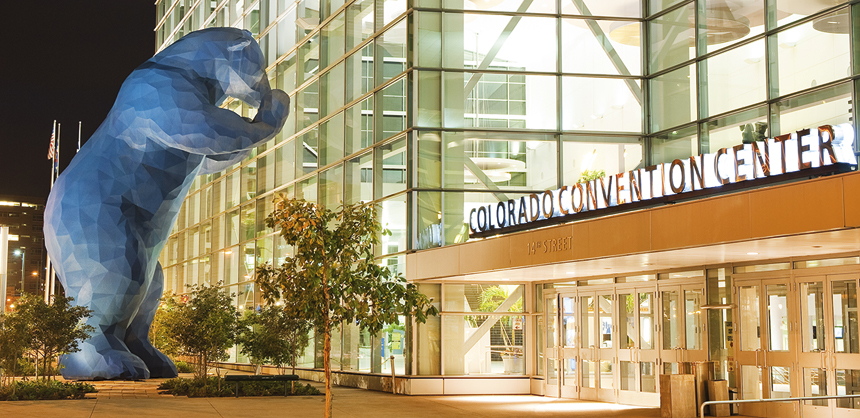
For groups wanting an urban experience, Denver delivers and there’s always something new to entice planners. Not long ago, The Colorado Convention Center completed a major expansion to accommodate significantly larger groups. It offers 584,000 sf of exhibit space on one level and has several ballrooms and a 5,000-seat theater.

Nearby, the Hyatt Regency Denver has undergone a renovation focused on guestrooms, highlighting a contemporary design, improved in-room technology and eco-conscious elements. It offers more than 60,600 sf of meeting and event space.

Speaking of eco-conscious, the Grand Hyatt Denver, also nearby, has beehives on its rooftop and uses the honey. Their Pinnacle Club offers one of the highest indoor event venues in Denver with panoramic mountain views. They have more than 52,600 sf of space overall. They recently underwent some renovations, including their lobby and some of their guestrooms.

Also popular is the Sheraton Denver Downtown Hotel. It offers 133,000 sf of flexible meeting space and state-of-the-art amenities.

Portions of the vastly reimagined National Western Center are now open, including event-capable space, as part of the 2.2 million sf of indoor and outdoor space planned for the fully completed 250-acre campus. There are various event centers, banquet halls, auditoriums and expo halls available.

In Aurora, the Gaylord Rockies Resort & Convention Center finished substantial upgrades and renovations in recent years. The Great Hall has been reconceptualized, and function space increased with the addition of the Mountain View Pavilion. The resort offers more than 500,000 sf of meeting and event space, as well as more than 1,300 guestrooms.

From high-energy urban hubs to serene mountain retreats, Colorado delivers more than scenic appeal — it offers planners flexibility, accessibility and experiences that resonate long after the meeting ends. Whether the goal is efficiency, inspiration or both, this is a destination that consistently rises to the occasion. C&IT

CIT_Mar26_Louisianna_147x147

Louisiana

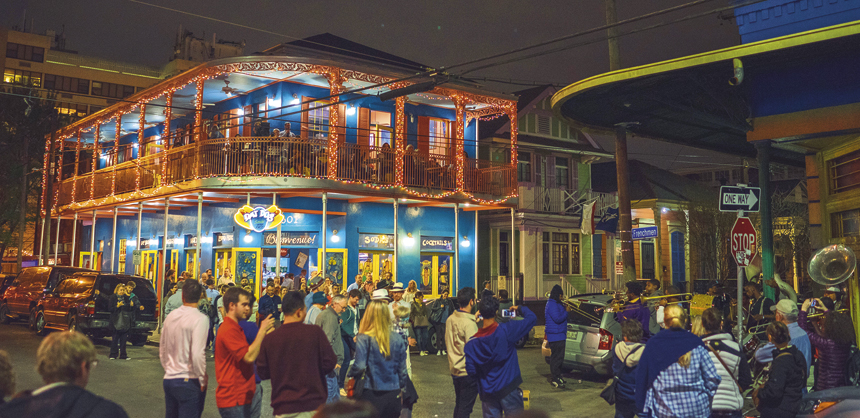
New Orleans’ famous Bourbon Street is known for its lively party atmosphere with bars and restaurants, and more, to explore within the historic French Quarter. Photo courtesy of New Orleans & Company/Zack Smith

New Orleans’ famous Bourbon Street is known for its lively party atmosphere with bars and restaurants, and more, to explore within the historic French Quarter. Photo courtesy of New Orleans & Company/Zack Smith

When corporate meeting and event planners think about standout destinations, Louisiana might not always be the first place that comes to mind – but it should be. The Pelican State offers a rare blend of serious business infrastructure and unforgettable cultural experiences, making it one of the most compelling meeting destinations in the South. From historic riverfront cities and modern convention centers to award-winning cuisine and world-famous music, Louisiana delivers something many destinations struggle to achieve: events that feel both productive and personal.

What truly sets Louisiana apart is its personality. Meetings here don’t feel generic or interchangeable. They feel rooted in place. Attendees aren’t just moving between ballrooms and breakout rooms – they’re stepping into a culture defined by hospitality, storytelling, food and rhythm. And that sense of authenticity translates directly into stronger engagement, better networking and more memorable experiences.

Three cities in particular anchor Louisiana’s meetings and events landscape: New Orleans, Baton Rouge and Shreveport. Each offers a distinct vibe, venue mix and set of advantages while giving corporate meeting planners flexibility based on group size, budget and tone. Together, they showcase the diversity of what Louisiana can deliver – from polished capital-city professionalism to world-famous cultural immersion, to cost-conscious, high-ROI incentive programs.

New Orleans has festivities year-round, including for Mardi Gras. Photo courtesy of New Orleans & Company/Zack Smith

New Orleans has festivities year-round, including for Mardi Gras. Photo courtesy of New Orleans & Company/Zack Smith

New Orleans

If Louisiana had a flagship meetings destination, it would be New Orleans. Few cities in the world can match its ability to host large-scale events while offering such a rich cultural backdrop. New Orleans doesn’t just support meetings – it enhances them.

For Jihan Donawa Gibson, senior growth marketing manager at Swoogo, an event management software company in Los Angeles, CA, New Orleans embodied everything her company stands for.

Swoogo held its annual user conference, ‘Unconventional,’ in New Orleans last November. “This is our flagship event and allows us to bring together our customers for a week of thought leadership, product workshops, community strengthening, and most importantly, fun,” says Donawa Gibson.

The event welcomed more than 200 customers, prospects and partners, and leaned fully into the city’s personality. “We don’t believe in gatekeeping,” she says. “The week started with a welcome reception complete with an absinthe tasting and live alligators. Then, we had two days of content and a party in the Mardi Gras World Float Den.”

For Donawa Gibson, experiential design was critical. “We included a half-day of excursions because, as an event planner myself, I know the struggle of visiting a city just to see the inside of a ballroom,” she says.

Choosing New Orleans was intentional. “As the name of our conference implies, we are adamant about the location and structure of our event,” Donawa Gibson explains. “We like cities that are rich in history and hospitality. New Orleans really allowed us to let the good times roll.”

Her team infused the event with local flavor. They greeted attendees with warm beignets, had a second line lead everyone into the venue, used mini king cakes as giveaways, passed out hurricanes and entertained with dueling pianos.

Donawa Gibson believes New Orleans offers unmatched creative freedom. “It gives ‘unconventional’ by its very nature. You can book traditional space, but there are also so many other options to highlight the city. And the food, plus good airlift, makes everything easier.”

Her advice to planners? “Lean into using New Orleans & Company to help plan your program. And please, put more play into your event. Don’t sterilize it because it’s safe – otherwise you could have just had it in an airport meeting room.”

“New Orleans offers, compared to other destinations, an emotional intensity,” says Valerie Bihet, CEO at The Vibe Agency in Miami, FL. “The city brings a different layer of architecture, the music heritage, the culinary excellence, the walkable energy in the streets that allows planners to create flow without complex logistics.”

Bihet has firsthand experience designing high-impact corporate programs in New Orleans, having produced three major events there in 2025 alone – a leadership retreat for a food company, internal training for a cosmetics brand and a client event for a technology company.

“For the tech event, we staged it at the Caesars Superdome with the booths and workshops in the suites, and then an awards ceremony on the floor with a big stage we created,” she explains. “Then, we did an evening event at Mardi Gras World. People had a lot of fun with that.”

Bihet is currently working on another three-day event in the city for 180 attendees. It’s for a software company, and they invite their clients to come hear about the product and talk about their experiences.

For her, New Orleans stands apart from other destinations because it balances professional infrastructure with emotional resonance. “There is really a strong hospitality infrastructure, experienced vendor options, and they understand high-level corporate expectations,” she says. “That combination of soul and professionalism makes it very powerful and emotionally intense.”

But Bihet also cautions planners not to treat the city like a theme park. “You need to respect the culture,” she says. “If you collaborate with local artists – chefs, historians, musicians – they embody the authenticity of the city so attendees really feel the difference.”

Some of her most memorable moments come from incorporating movement and surprise into programming. “A second line with a brass band, candlelight in a courtyard – they create very emotional elements that solidify memories after the event ends,” she says. “Last January, we did a second line from the hotel to a restaurant. It started to drizzle, but with the music and the energy, it was magical. A year later, people are still talking about it.”

In a world dominated by digital meetings and compressed schedules, Bihet believes destination events matter more than ever. “When it’s strategically designed well, an event in New Orleans really transforms how teams see each other.”

New Orleans’ ability to host events of nearly any size is supported by a variety of facilities, hotels and venues. The Ernest N. Morial Convention Center is one of the largest convention facilities in the country, with more than 1 million sf of contiguous exhibit space. It regularly hosts major national and international conferences, trade shows and corporate events, all supported by a dense network of nearby hotels, restaurants and entertainment venues.

At the same time, many of New Orleans’ most iconic hotels are undergoing significant renovations and expansions, updating guestrooms and event spaces while preserving their historic character. These investments reflect a growing demand from both corporate and association markets – and a city preparing to compete for even larger, more complex programs.

But what makes New Orleans truly special isn’t just scale – it’s atmosphere. Attendees can walk out of a keynote session and straight into the French Quarter, where jazz music spills into the streets and historic courtyards double as event venues. Rooftop receptions, riverboat dinners and second-line parades aren’t just possible – they’re part of the city’s DNA.

New Orleans also offers an impressive range of unique venues. From grand historic hotels and modern waterfront hotels to restored theaters, museums and former warehouses, planners can design events that feel tailored rather than templated. It’s a city that encourages creativity in programming and rewards planners who think beyond traditional ballroom formats.

Food plays a huge role in the experience. In New Orleans, meals aren’t just breaks between sessions – they’re highlights of the agenda. From upscale Creole dining to casual po’boys and beignets, culinary experiences become built-in networking opportunities that attendees remember long after the final session ends.

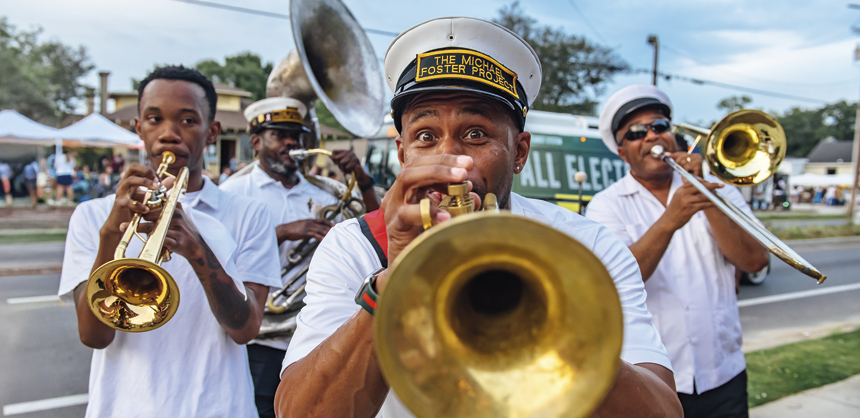
Many companies opt to create their own parade or include a second line band as part of their activities at an event. Photo courtesy of New Orleans & Company/Richard Nowitz

Many companies opt to create their own parade or include a second line band as part of their activities at an event. Photo courtesy of New Orleans & Company/Richard Nowitz

Small Meetings, Big Impact

While Louisiana, especially New Orleans, is known for large-scale conventions, it is just as effective for smaller, more intimate programs. Jennifer Clark, lead event strategist at techsytalk and owner of Emerge Events, in Hattiesburg, MS, planned a customer appreciation event in Louisiana for just 80 people and saw the same cultural impact.

“It was a small membership event,” Clark says. “We meet twice a year – fall at corporate headquarters and spring in a different location. The event includes meetings and opportunities to get to know the city.”

New Orleans stood out for both practical and experiential reasons. “It’s very walkable, which is important,” Clark explains. “And our attendees come from all over the U.S. and abroad, so the international airport matters.”

She highlights lifestyle as the differentiator. “There are great facilities for holding events, but the real reason people visit New Orleans is the culture – live music, phenomenal food, unique beverages, museums and art.”

Clark recommends working with local partners. “I always encourage working with New Orleans & Company and a local DMC like NOLA DMC. They can do as little or as much as you need.”

Her favorite tip? “Street name pronunciation as an icebreaker. Get a local to teach it – it’s tricky, but fun,” she says.

Baton Rouge

As Louisiana’s capital and a major hub for government, education and industry, Baton Rouge offers a professional foundation with a warm, welcoming feel. It’s a city that knows how to host serious conversations without sacrificing comfort or character.

At the center of Baton Rouge’s meetings scene is the Raising Cane’s River Center, a modern convention complex located right along the Mississippi River. With more than 200,000 sf of flexible meeting and exhibition space, it’s well-suited for regional conferences, trade shows and corporate executive meetings. The connected convention center, arena and performing arts theater allow planners to design multi-format events without needing to shuttle attendees across town.

One of Baton Rouge’s biggest strengths is accessibility. The city is easy to navigate, with short travel times between hotels, venues, restaurants and attractions. For attendees, that means less time in transit and more time connecting. For planners, it means fewer logistical headaches and more opportunities to focus on programming and content.

Baton Rouge also shines when it comes to off-site experiences. Groups can host receptions at the Old State Capitol, tour the USS Kidd, a decommissioned WWII destroyer, when it is available, or enjoy private dinners at local restaurants known for elevated Cajun and Creole cuisine. And because the city is home to Louisiana State University, there’s an energetic undercurrent that makes even formal events feel lively.

The presence of a major university also opens doors for academic and research-based meetings, training sessions and leadership development programs. For organizations that value learning and collaboration, Baton Rouge offers an environment that feels focused yet friendly.

Baton Rouge works especially well for meetings that value intimacy and efficiency, including executive retreats, leadership summits, training programs and regional conferences where conversation and collaboration take center stage. It’s not about spectacle here; it’s about substance supported by genuine Southern hospitality.

Louisiana’s culinary prowess becomes a draw for attendees. Photo courtesy of New Orleans & Company/Sarah Essex

Louisiana’s culinary prowess becomes a draw for attendees. Photo courtesy of New Orleans & Company/Sarah Essex

Shreveport

Located in northwest Louisiana, Shreveport offers a different kind of meetings appeal, one that’s quieter, more affordable and highly practical. For corporate planners seeking strong value without sacrificing quality, Shreveport often flies under the radar in the best possible way.

The Shreveport Convention Center anchors the city’s meetings infrastructure, offering over 350,000 sf of space for conferences, expos and corporate events. Surrounding hotels and riverfront venues make it easy to house and entertain attendees within a compact footprint.

Shreveport’s biggest advantage is cost efficiency. Meeting space, accommodations, and food and beverage are often significantly more affordable than in larger markets, allowing planners to stretch budgets further, whether that means upgrading experiences, adding programming elements or simply staying within financial constraints.

The city also offers a growing arts and entertainment scene, with casinos, live music venues and cultural attractions providing after-hours options. Groups can enjoy riverfront receptions, casino buyouts or casual networking at local breweries and music lounges.

Shreveport is particularly well-suited for regional meetings, training events, healthcare conferences and corporate programs where practicality and ROI are top priorities. It’s a destination that proves great meetings don’t always require big-city prices.

Across Baton Rouge, New Orleans and Shreveport, Louisiana shares several advantages that consistently appeal to meeting professionals.

First is hospitality. Service isn’t transactional here, it’s personal. That warmth creates a positive emotional layer around events, which directly impacts satisfaction and engagement.

Second is flexibility. As Clark explains, Louisiana offers everything from massive convention centers to boutique venues, luxury resorts to budget-friendly hotels, urban nightlife to laid-back riverfront settings. Planners can match the destination to the purpose of the meeting, not the other way around.

Third is memorability. Louisiana events stand out because the destination becomes part of the story. People remember the food, the music, the atmosphere and the way the city made them feel. That emotional connection is incredibly powerful for brand events, internal meetings and incentive programs alike.

And finally, there’s authenticity. As Bihet explains, Louisiana doesn’t try to be like every other meetings destination. It leans into what makes it different, and that difference is exactly what keeps attendees talking long after the last session has completed. C&IT

FeldmanJames-147x147

When Your Institutional Knowledge Becomes Your Competitive Advantage

FeldmanJames-110x140James D. Feldman, CSP, CITE, is a keynote speaker and AI implementation strategist specializing in hospitality, tourism and meeting industries. He publishes the AI Sauce Newsletter and speaks regularly on practical AI adoption for business results. Contact Jim at jfeldman@shifthappens.com.

The director of an incentive travel company called me last month with a familiar problem. A pharmaceutical client requested a proposal for a 250-person President’s Club trip to Portugal — boutique hotels, private wine tastings, teambuilding activities, the full experience. She knew they’d planned similar programs in Spain, Italy and southern France over the past five years, including one specifically for another pharma client with nearly identical attendee profiles.

The challenge? Those program details were scattered across archived proposals, post-trip reports created by planners who’d moved on and vendor contracts buried in different digital folders. She spent eight hours piecing together elements from past programs to create the proposal.

The client got their quote four days later — and booked with a competitor who responded in three hours with a fully customized program.

“I had better ideas,” she told me. “I just couldn’t access them fast enough.”

This is the hidden cost of institutional knowledge: You have it, but you can’t access it when it matters most.

The Search Problem Costing You Business

Meeting professionals have accumulated decades of valuable knowledge: site inspections, RFP responses, post-event evaluations, vendor contracts, client preferences. But when someone asks — What did we charge for transportation in Miami? Which hotel gave the best F&B concessions? What activities worked for pharmaceutical groups? — you’re hunting through files, hoping someone remembers.

Competitors are answering these questions in minutes, not because they’re smarter, but because they can surface their knowledge faster.

Enter NotebookLM: Your Institutional Memory on Demand

Google’s NotebookLM represents a different approach to AI for business. Unlike ChatGPT, which searches the entire internet and occasionally invents answers, NotebookLM works exclusively with your documents. Upload your RFP library, site reports, contracts and client files, and it becomes a searchable knowledge base that only knows what you’ve taught it.

Think of it as a research assistant with perfect recall of everything your organization has documented, available 24/7 and answering with citations to the original source material.

The mechanics are straightforward: Upload documents (PDFs, Word files, Google Docs, presentations, even audio and video files). Ask questions in plain English. Get answers pulled exclusively from your materials, complete with citations showing exactly where the information came from.

For meeting professionals drowning in documentation but starving for quick answers, it’s a game-changer.

Real Applications for Meeting Professionals

  • Accelerating RFP Responses: A national DMO uploaded five years of successful RFP responses to NotebookLM. Now when an RFP arrives asking about transportation logistics for 300 attendees, their team searches: “What ground transportation solutions have we proposed for groups of 250-350?” The system surfaces three previous proposals with pricing, vendor details and client testimonials. Response time dropped from two days to four hours.
  • Preserving Institutional Knowledge: When experienced meeting planners retire or move on, decades of client preferences, vendor relationships and problem-solving strategies often leave with them. One convention center began recording exit interviews with departing staff and uploading those transcripts to NotebookLM alongside their project files. New planners can now ask: “What do pharmaceutical groups typically request for breakout configurations?” and access insights from 20 years of institutional experience.
  • Client Relationship Intelligence: An incentive travel company uploaded 10 years of client program evaluations and preference surveys. Before pitching a new program to a returning client, account managers query: “What activities did this client rate highest in past programs?” and “What dietary restrictions or accessibility needs have their groups had?” The result: proposals that feel personally tailored because they’re built on documented history, not assumptions.
  • Vendor Management: Meeting planners managing dozens of vendor relationships uploaded contracts, pricing proposals and performance evaluations to create a searchable vendor database. Questions like “Which DMC gave us the best rates in Charleston?” or “What feedback did we get on the last three programs with this AV company?” get instant, documented answers. Negotiation leverage improved. Vendor selection became data-driven.
  • Training and Onboarding: A corporate meetings team created a NotebookLM library of their standards, templates and best practices documentation. New planners search for “How do we handle vegetarian meal requests?” or “What’s our cancellation policy for contracted room blocks?” instead of interrupting senior staff with basic questions. Onboarding time is cut in half.
  • Strategic Implementation: Start focused — upload documents for one recurring problem (RFP pricing, site selection, client preferences). Prove value before scaling. Organize by topic: separate notebooks for vendor contracts, client programs, site reports. Maintain quarterly: add new knowledge, remove outdated information. Share selectively: give sales teams viewer access to RFPs, operations teams editor access to vendor documentation.
  • Content Creation Advantage: Beyond search, NotebookLM generates new formats from existing knowledge. Upload conference recordings and it creates podcast-style audio summaries for executives who won’t read reports but will listen during commutes. Feed it post-event evaluations and it identifies patterns no human would spot manually. One CVB uploaded their destination guide and vendor profiles. NotebookLM generated custom briefings for different client types — corporate meetings, incentive groups, associations — each highlighting relevant amenities. What took three hours now takes 15 minutes.
  • What You Should Know: NotebookLM is enhanced search, not artificial thinking. It only knows what you upload. If your knowledge lives in people’s heads rather than documents, capture it first. The system handles text, images and transcribed audio, but won’t meaningfully analyze Excel spreadsheets. Organizations handling sensitive client information should use Google Workspace accounts for enterprise-grade privacy rather than free personal accounts.

The Competitive Implication

Here’s what keeps me up at night: Meeting professionals who respond to RFPs in four hours will win business from those who take four days. Planners who can instantly recall what worked for similar groups three years ago will create better programs than those starting from scratch every time. DMOs that can generate custom destination briefings in minutes will outcompete those sending generic PDFs.

The organizations winning aren’t necessarily the most experienced. They’re the ones who can access their experience fastest.

Your institutional knowledge is the steak — decades of client relationships, successful programs, solved problems and learned lessons. AI is just the sauce that helps you serve it faster. A little enhancement makes everything more effective. Too much and you’re just creating complexity.

The question isn’t whether to adopt AI tools for knowledge management. The question is whether you can afford to be slower than competitors who already have. C&IT

Robertson,Susan-Columnist-147

The Secrets of Visionary Leaders

Robertson,Susan-Columnist-110Susan Robertson empowers individuals, teams and organizations to Live in Possibility™ so they can more nimbly navigate change. She is a creative thinking expert with over 20 years of experience speaking, consulting and coaching in Fortune 500 companies. As an instructor on applied creativity at Harvard, Robertson brings a scientific foundation to enhancing human creativity. To learn more, visit SusanRobertsonSpeaker.com.

In some organizations, possibility feels like a luxury — something you talk about at offsites, something you reference in mission statements, something you save for after the real work is done. But in visionary organizations, possibility is the work.

Visionary leaders understand that possibility isn’t about ungrounded optimism or brainstorming with sticky notes. It’s a strategic mindset — one that must be designed into the culture, not left to chance.

And it starts with what your culture rewards — and what it shuts down.

If your team is praised for always having the answer, they’ll stop asking better questions. If your processes value efficiency over inquiry, you’ll execute the wrong ideas faster. If your meetings celebrate alignment more than insight, you’ll get consensus — but not originality.

Here’s what visionary leaders do differently:

They reward exploration — not just execution

In many cultures, performance is measured by output — how much got done, what moved forward, what closed.

But execution without exploration is just inertia — movement, not momentum. Visionary leaders understand that the way something is achieved matters just as much as whether it’s achieved.

They celebrate the question that reframed the challenge, the insight that came from asking “why?” one more time, the person who slowed down to rethink what everyone else rushed past.

They build systems where early-stage thinking is tracked and rewarded, not just final deliverables. Recognition isn’t reserved for the person who closed the loop — it’s shared with the one who cracked it open.

They also coach teams to distinguish between action and traction. Just because something is moving doesn’t mean it’s moving in the right direction.

Possibility isn’t the opposite of productivity — it’s the source of it.

They make it safe to wonder out loud

Nothing kills possibility faster than fear — fear of being wrong, fear of being seen as naïve, fear of asking the “dumb” question.

Visionary leaders dismantle that fear by making inquiry normal. They ask the unasked questions. They challenge the obvious. They make it okay to say “I don’t know” — because those three words are often the doorway to real insight.

They also reshape team norms: replacing “What’s the answer?” with “What are we noticing?” and “Who else sees it differently?” This creates space for slow thinking and deeper reflection — critical ingredients for complex problem solving.

And they reward follow-up questions, not just first reactions. This reinforces the idea that thoughtfulness is more valuable than speed.

When leaders model curiosity, they make it contagious.

They design meetings around thinking, not just updates

Most meetings are structured around what’s known. The agenda is a list of answers: status updates, project checkpoints, metrics.

But possibility doesn’t live in the known. It lives in the unspoken, the unclear, the unresolved.

Visionary leaders rewire meetings to surface possibility. They intentionally carve out time for questions that don’t have answers yet. They leave room for challenge and exploration.

They ask:

  • “What aren’t we seeing?”
  • “What assumptions are we making?”
  • “What feels off, even if we can’t explain why?”

They also pause before alignment is forced, allowing tension to surface while ideas are still fragile — when possibility still has a chance to shape direction.

Possibility doesn’t just need more airtime — it needs more intentional airtime. Not extra minutes on the calendar, but higher-quality space in the conversation.

They promote signal seekers

Some people are naturally tuned to the faint signals of emerging ideas. They notice what others miss. They question before others do.

Visionary leaders find those people — and amplify them. They build teams that elevate intuition and pattern recognition, not just certainty. They reward those who surface tension early, not just those who resolve it later.

They also provide language to support this behavior. In cultures that favor speed and clarity, signal seekers often get sidelined as blockers. But visionary leaders reframe them as scouts — the ones who sense shifts early and expand what’s possible.

They don’t ask these people to tone it down. They ask everyone else to tune in. A culture that invites possibility is a culture that knows how to listen.

They don’t confuse alignment with safety

Too many leaders believe that alignment equals health. But forced alignment can smother the very signals that possibility needs.

Visionary leaders create space for divergence. They allow competing hypotheses. They make disagreement productive — not political.

They clarify the difference between unity and uniformity. Teams aligned on purpose don’t need to agree on every tactic. In fact, too much agreement too early is often a red flag.

And they teach their teams that voicing an uncomfortable truth is not disloyal — it’s responsible.

Possibility needs room to breathe before it can scale.

They recognize that culture is built in the small moments

Cultural transformation isn’t a campaign. It’s a series of micro-signals: who gets recognized, what gets repeated, what gets ignored.

Visionary leaders don’t just talk about possibility in annual meetings. They build it into daily habits. They turn moments of friction into invitations for reflection. They name when a question shifted the room. They ask follow-up questions even when the answer feels sufficient.

They don’t wait for culture change. They wade into it — every time they pause before deciding, ask instead of answer or create space for someone to speak who otherwise wouldn’t.

Possibility doesn’t live in values statements. It lives in behavioral patterns. Visionary leadership isn’t about having a bold idea — it’s about building a culture where bold ideas can live.

Possibility doesn’t happen by accident. It happens when leaders intentionally reward it, model it and protect it — not just in big moments, but in small ones: the question asked, the challenge tolerated, the pause before the decision.

If your culture values only the answer, don’t be surprised when people stop asking better questions.

The future belongs to the leaders who make space for possibility — and signal to everyone around them that it’s safe, it’s welcome and it matters. C&IT

CIT_2026-02-Issue-cover-147x197

Beyond the Boardroom

At the Big Cedar Lodge in Branson, MO on the Cliffhangers Course. Photo courtesy of Bass Pro Shops, LLC

At the Big Cedar Lodge in Branson, MO on the Cliffhangers Course. Photo courtesy of Bass Pro Shops, LLC

For today’s corporate meeting and event planners, the definition of a successful gathering extends far beyond reliable Wi-Fi and well-lit ballrooms. Organizations are increasingly seeking destinations that deliver not only operational excellence, but also experiences that inspire, energize and strengthen human connections. Golf and spa resorts have emerged as powerful solutions to this shift, offering immersive environments where productivity and well-being coexist.

These destinations provide far more than scenic backdrops. With sophisticated meeting infrastructure and integrated leisure amenities, golf and spa resorts allow planners to design programs that balance strategic outcomes with meaningful engagement. From executive retreats and leadership summits to incentive programs and large-scale conferences, they create space for reflection, collaboration and rejuvenation — qualities that are now central to effective corporate gatherings. Today’s meetings are no longer just about delivering information; they are about creating experiences that drive connection, creativity and long-term impact.

When planners think about their next off-site, the default image may still be rows of chairs, PowerPoint slides and a coffee station. But increasingly, organizations are looking beyond the standard setup. According to Kara Olsen, CMP, manager of show and events at SalonCentric, a subsidiary of L’Oréal USA, resorts offer a more compelling alternative.

“Resorts are fantastic options for corporate events because they organically balance relaxation and business experiences seamlessly,” Olsen says. “Having everything a team may need on site helps minimize distractions from the outside world, which maximizes engagement during business sessions.”

For planners, that combination of convenience and atmosphere is invaluable. Resorts often feature flexible meeting spaces, elevated food-and-beverage programs, wellness amenities and nature-focused settings that help attendees feel calm and focused. Olsen recently experienced this firsthand during a multi-day retreat for beauty professionals in Scottsdale, AZ.

“We leaned into both indoor and outdoor moments — morning yoga on the terrace, meals in the gardens, journaling next to a warm fire and somatic breathing in a dimmed, distraction-free space,” she says. “It was a full day of brand education, wellness and skill leveling, all amplified by the property’s beautiful surroundings.”

Still, Olsen notes that planners must manage expectations carefully. “The resort may offer amenities that are tempting to lean into rather than a conference lecture or segment,” she says. “It’s important to clarify what’s mandatory versus optional and allow downtime for attendees to truly unwind.”

For Courtney Cager, social media marketing & events specialist at Century 21 Circle, the greatest value of golf and spa resorts is their ability to shift the emotional tone of an event.

“Golf and spa resorts naturally create a sense of calm that helps remove some of the formality people often associate with corporate events,” Cager says. “The setting feels elevated and luxurious, which immediately shifts the tone for attendees.”

That atmosphere is reinforced by service. “The white-glove attention and operational experience of resort staff is especially valuable when producing events at scale,” she adds. From a logistics standpoint, having accommodations, meeting space, dining and amenities in one location also simplifies planning and enhances the guest experience.

Cager recently hosted a corporate event at a Florida resort and stayed on property throughout. “The ability for attendees to move seamlessly from meetings to dining, golf or spa time elevated the event and helped it feel intentional rather than transactional,” she says.

However, large resort footprints introduce new challenges. “We hosted our event at a resort spanning more than 900 acres,” Cager explains. “Until you’re onsite, it can be difficult to fully understand the layout and guest flow.” She emphasizes the importance of transportation, signage and staffing to ensure a smooth experience.

Her advice: “Lean into what the resort already does well. Design your event to complement the natural rhythm of the property rather than overcomplicate it.”

According to Christyn Baer, event senior manager at The CE Group, simplicity remains one of the strongest arguments for choosing a golf or spa resort.

“Everything is in one place — meeting space, activities, lodging, dining,” Baer says. “There are fewer vendors and fewer logistics to coordinate. The ‘all-inclusivity’ keeps everyone together, so there’s more opportunity for engagement.”

Baer also highlights the relationship-building power of these environments. “Golf provides an opportunity for conversation and networking to happen in a natural, low-pressure setting,” she says. “And for non-golfers, the spa, fitness classes, pool or trails create the same opportunities.”

She has seen this play out in a long-running fundraising tournament she orchestrates at a luxury golf resort. After adding spa experiences to sponsorship packages, attendance broadened. “We saw an increase in female participation, but also quite a few men who opted for the spa,” she says.

When Baer experimented with moving a VIP event offsite, attendee feedback was clear. “People want to stay at the resort,” she says. “They don’t want to shuttle or drive once they’re on property.”

Weather and seasonality remain key considerations. “You always need a Plan B and C,” Baer says, noting that ballroom-based alternatives are essential when outdoor play is disrupted. She also advises planners to assess audience interests and operational details such as rental clubs, pathways and internal transportation.

“In my experience, small logistical gaps — like unclear rental processes — can cause major delays,” she adds.

Taken together, these insights point to a broader trend: golf and spa resorts succeed not just because of their amenities, but because they create environments where business feels human, connections feel natural and the experience itself becomes a meaningful part of the outcome for attendees.

The Forbes Travel Guide Five-Star The Broadmoor in Colorado Springs, CO has many amenities, including a full-service spa.

The Forbes Travel Guide Five-Star The Broadmoor in Colorado Springs, CO has many amenities, including a full-service spa.

An Elevated Experience

Set against the dramatic foothills of the Rocky Mountains and spanning more than 5,000 acres, The Broadmoor remains one of the most versatile and prestigious destinations for corporate meetings and events in the United States. The resort’s defining advantage lies in its ability to deliver both scale and sophistication within a single, self-contained environment.

From a planning perspective, The Broadmoor offers remarkable flexibility. Its extensive portfolio of venues includes multiple grand ballrooms, exhibit halls, breakout rooms and outdoor terraces, allowing planners to design everything from intimate executive retreats to large multi-day conventions. The resort’s Convention Center — anchored by expansive spaces such as Bartolin Hall and Broadmoor Hall — supports complex programming with seamless transitions between general sessions, exhibitions and concurrent breakouts.

What truly sets The Broadmoor apart, however, is how its natural setting becomes part of the meeting experience. Lakeside receptions, mountain-view networking events and outdoor team-building activities provide planners with endless opportunities to move beyond traditional indoor formats. These environments naturally encourage interaction and engagement, helping attendees connect in more authentic ways.

Beyond logistics, The Broadmoor delivers a comprehensive resort experience. Championship golf courses, a world-class spa, curated outdoor adventures and a diverse culinary program allow planners to integrate incentive elements directly into their agendas. This all-in-one ecosystem makes it easy to blend strategic business sessions with memorable leisure moments — without requiring off-site transportation or complex scheduling.

Historic Charm with Modern Amenities

Nestled in the Allegheny Mountains in Hot Springs, VA, The Omni Homestead Resort & Spa, in Hot Springs, offers a compelling combination of history, hospitality and holistic event design. For corporate planners seeking a destination that feels both prestigious and personal, “The Homestead” delivers a sense of place that few properties can match.

The resort’s meetings infrastructure is highly adaptable, featuring a mix of executive boardrooms, elegant ballrooms and scenic outdoor venues. This versatility allows planners to design customized programs that shift easily between formal sessions and informal gatherings. Supported by an experienced events team, logistics are streamlined while creative programming is encouraged.

One of the resort’s greatest strengths is its integrated golf and spa experience. Championship golf courses provide natural settings for relationship building and executive networking, while the resort’s acclaimed spa supports wellness-focused programming that is increasingly valued by corporate audiences. These amenities foster balance — encouraging attendees to recharge mentally and physically alongside their professional commitments.

The resort’s historic character further enhances its appeal. Property tours, cultural programming and heritage dining experiences add narrative depth to corporate agendas, helping events feel purposeful and memorable rather than transactional.

Black Desert Resort’s 7,500-yard championship course in Ivins, UT, is sculpted into black lava fields among red cliffs.

Black Desert Resort’s 7,500-yard championship course in Ivins, UT, is sculpted into black lava fields among red cliffs.

A Dramatic Landscape

For organizations seeking something distinctly different, Black Desert Resort in Ivins, UT delivers a bold and contemporary meeting environment set within a striking desert landscape. This emerging destination appeals to planners looking to inspire creativity, innovation and fresh thinking.

Black Desert’s meeting spaces are designed for flexibility and engagement, accommodating both intimate strategy sessions and larger corporate gatherings. Sleek boardrooms, adaptable indoor venues and panoramic outdoor spaces allow planners to design programs that feel modern and dynamic.

The resort’s championship golf course adds significant strategic value. Golf here is not simply recreational — it becomes an extension of the meeting agenda, offering informal platforms for collaboration, relationship building and team bonding. Similarly, the spa supports wellness-focused experiences that align with modern corporate priorities around mental health and work-life balance.

What distinguishes Black Desert Resort is its lifestyle-driven approach. Curated dining, desert adventures and immersive outdoor activities create a holistic experience that transforms corporate gatherings into meaningful journeys. For organizations seeking experiential impact alongside business outcomes, Black Desert represents a new generation of meeting destinations.

A Longstanding Treasure

Located on more than 1,500 acres in Central Florida, Rosen Shingle Creek Orlando offers one of the most comprehensive meeting environments in the Southeast. The resort is particularly well-suited for large-scale corporate events that require both operational depth and resort-style amenities.

With extensive contiguous meeting space, Rosen Shingle Creek can accommodate leadership retreats, national sales meetings, industry conferences and trade shows with ease. Expansive ballrooms, flexible breakout rooms and outdoor venues are supported by a highly experienced events team and robust audiovisual infrastructure.

The resort’s championship golf course plays a central role in corporate programming, providing a natural outlet for networking and team building. Its accessibility across skill levels makes it ideal for inclusive group activities, while its scenic setting enhances the overall event experience.

Complementing golf, the resort’s full-service spa and wellness offerings support attendee well-being — an increasingly important factor for multi-day programs. Fitness programming, relaxation spaces and rejuvenating treatments help attendees maintain energy and focus throughout busy schedules.

Rosen Shingle Creek’s proximity to Orlando’s broader attractions further enhances its value, offering planners additional options for incentive experiences, off-site events and post-meeting leisure.

Grand Traverse Resort & Spa offers a relaxing spa environment with a wide variety of treatments.

Grand Traverse Resort & Spa offers a relaxing spa environment with a wide variety of treatments.

Desert Serenity

Set against the Santa Catalina Mountains in Arizona, Omni Tucson National Resort & Spa offers a refined balance between professional meeting infrastructure and restorative desert experiences. The resort appeals to organizations seeking both strategic clarity and meaningful engagement.

The property features a wide range of meeting venues, from executive boardrooms to large ballrooms and outdoor event spaces. This versatility allows planners to design programs that evolve naturally throughout the day — formal sessions transitioning into relaxed networking events under open skies.

Two championship golf courses serve as signature assets, providing structured and informal opportunities for relationship building. Golf here becomes a strategic tool, encouraging dialogue and collaboration in a setting that feels relaxed yet purposeful.

The resort’s spa and wellness offerings further enhance its appeal. Customized treatments, fitness classes and mindfulness experiences align with the growing demand for holistic corporate programming — helping teams maintain balance and focus.

Combined with strong dining options and access to Tucson’s cultural attractions, Omni Tucson National Resort & Spa creates a corporate environment where productivity is supported by intentional renewal.

Coastal Inspiration

Perched along Southern California’s dramatic coastline, Terranea Resort in Rancho Palos Verdes, offers one of the most visually compelling settings for corporate meetings in North America. The resort’s sense of place, defined by ocean views, coastal trails and natural habitats, creates an atmosphere that encourages reflection, creativity and connection.

Terranea Resort’s meeting spaces range from intimate boardrooms to expansive ballrooms and scenic outdoor venues, allowing planners to design highly customized agendas. And the resort’s championship golf course provides an ideal extension of corporate programming. Whether integrated into formal schedules or offered as optional leisure, golf at the resort enhances networking while reinforcing the property’s experiential appeal.

Complementing golf, the spa delivers comprehensive wellness programming — from meditation and fitness to stress management and relaxation therapies. These offerings help attendees remain engaged and energized throughout multi-day events.

Nature-Driven Engagement

Tucked into the Ozark foothills near Branson, MO, Big Cedar Lodge offers a unique blend of rustic charm and modern meeting capabilities. The resort’s defining strength lies in its ability to deliver immersive outdoor experiences alongside professional event infrastructure.

Meeting spaces at Big Cedar range from intimate boardrooms to larger ballrooms and nature-integrated outdoor venues. This diversity allows planners to design programs that feel personal, authentic and purpose-driven.

The resort’s golf portfolio adds substantial value for corporate groups. Golf here fosters informal collaboration and strengthens interpersonal connections in scenic surroundings.

The Spa at Big Cedar supports wellness-focused programming with restorative treatments and relaxation spaces that enhance attendee satisfaction and retention.

Beyond formal meetings, Big Cedar offers outdoor adventures, including lake excursions, hiking and zip-lining — creating incentive-driven agendas that reward performance and build team cohesion.

Midwest Accessibility

Located in Acme, MI, Grand Traverse Resort & Spa offers a sophisticated yet approachable setting for corporate gatherings. Its blend of professional infrastructure and lifestyle amenities makes it especially appealing for regional and national programs.

With more than 86,500 sf of meeting space, the resort accommodates a wide range of corporate formats — from executive retreats to multi-day conferences. Dedicated event professionals ensure seamless execution from planning through delivery.

Grand Traverse’s multiple championship golf courses provide inclusive networking opportunities that appeal across skill levels. Golf becomes a natural extension of meeting agendas, reinforcing engagement and collaboration.

The resort’s spa and wellness amenities support attendee rejuvenation, aligning with broader trends toward holistic corporate experiences. Its proximity to Lake Michigan and Grand Traverse Bay further enhances its appeal, offering scenic backdrops and outdoor activities that elevate corporate programming.

Historic Legacy

Located near Phoenix in Litchfield Park, The Wigwam combines historic charm with modern meeting capabilities. The resort’s versatile event spaces support everything from executive workshops to large-scale incentive programs.

Indoor and outdoor venues, including boardrooms, ballrooms and courtyards, allow planners to design dynamic agendas that flow naturally throughout the day. The Wigwam’s championship golf courses, designed by legendary architects, offer exceptional opportunities for networking and team building. Golf here becomes both a social and strategic asset, fostering relationships beyond formal sessions.

Combined with spa amenities and strong dining options, The Wigwam delivers a balanced corporate environment where engagement, relaxation and productivity reinforce one another. C&IT

CIT-2026-02-FEAT-MeetingsSea_147x147

Meetings & Incentives at Sea

The Disney Adventure, slated to arrive this spring, will be the eighth ship for Disney Cruise Line. Photo courtesy of Disney

The Disney Adventure, slated to arrive this spring, will be the eighth ship for Disney Cruise Line. Photo courtesy of Disney

Meeting planners handling the logistics for a busy meeting or incentive program know how challenging it can be to assemble the disparate pieces for a successful event. Between room blocks, transportation, dining venues, meeting rooms, AV requirements and activities to appeal to a multi-faceted group, fitting together the puzzle pieces requires a commitment of time, energy and money.

But cruise-based programs streamline many elements of planning. By assembling the disparate functions under one umbrella, logistics can be contained. Meeting planners we’ve spoken to say that such bundling also usually leads to cost savings over comparable land-based meeting options.

No wonder a growing number of companies are finding that corporate events at sea often offer an edge over traditional land-based programs.

And the cruise industry is booming. In its annual 2025 State of the Industry report, Cruise Lines International Association (CLIA) announced that the number of passengers projected to cruise this year would reach 39.6 million, up 5% from last year, fueled by a growing supply of new ships, both large and small.

In March, Norwegian Cruise Line will debut the approximately 3,550-passenger Norwegian Luna, sister to the well-received Norwegian Aqua that arrived last year and revitalized the line’s onboard experience. Like its predecessor, Norwegian Luna is actually slightly smaller than the line’s other recent ships. Traffic flows more smoothly, public spaces feel less crowded when sailing at full capacity, and the ship has a broad Ocean Boulevard, encircling the entire vessel like on old-style ocean liner, offering casual food options, loungers and a pair of infinity pools. There is plenty to do onboard, including a digital sports complex, which transforms into a nightclub at night. For those wanting to relax when not in meetings, the Vibe Beach Club, an adults-only, open-air lounge, provides respite. Passengers can dine in style at one of the many culinary possibilities, including new experiences, returning NCL favorite venues and a food hall with 10 different food stations, as well as bar and lounge options.

Fifteen ocean cruise ships are scheduled to debut in 2026, according to Seatrade Cruise News. Included are ships from well-known lines such as Royal Caribbean, Norwegian and Disney Cruise Line, along with the introduction of new brands Four Seasons Yachts and Orient Express, which will debut with intimate ships carrying fewer than 200 passengers.

A growing number of these cruises are being sold to the corporate and incentive market, either as full-ship charters or as a block of cabins on a publicly-available itinerary. Cost is a key advantage, say planners.

“There are no F&B minimums or meeting room rentals,” explains Vicki Fernandez, senior manager of client services for Miami-based Landry & Kling, one of the leaders in cruise ship charters and meetings. “The costs for AV are minimal when compared to building out a ballroom. Additionally, there is no need to create a program for plus-ones or pay for entertainment, which is first rate and is included in the fare. There is so much on the ship to do that they can take care of themselves while participants are in meetings. In addition, there are no resort fees or municipal charges that vary city to city.”

Diana Bloss, co-founder and vice president for Worldwide Cruise Associates, adds that costs and planning are more predictable for cruise-based events. “Before even stepping onboard, planners know exactly what their expenses will be, eliminating uncertainty and ensuring there are no surprises,” says Bloss. “A dedicated onboard ship team supports your daily programming, reducing the need for incentive houses or planners to bring extensive staff. In the weeks and months leading up to the event, every detail is carefully planned, confirmed and coordinated with all onboard departments.” As a result, when your team and attendees arrive, she says, everything is in place — allowing the event to run seamlessly from start to finish.

“A comparable land program would be approximately 30% higher than a cruise program,” estimates Karen Devine, CITP, CEO and Founder of 3D Cruise Partners. “The all-inclusive nature of a cruise makes it so easy for the planner to maintain a budget and take advantage of the inclusiveness to deliver that positive no-nickel-and-diming experience.”

Last summer, Devine worked with Celebrity Cruises to book an incentive program for a Fortune 500 company involved in global supply chain solutions. The client had 750 attendees aboard the 2,910-passenger Celebrity Apex for a cruise from Southampton, England through the Norwegian fjords. “The client had worked very successfully with Celebrity previously a few years prior and the product fit them well,” notes Devine. “Celebrity’s willingness to customize and work with them, given the ship size, and the available space on board was also key, along with the price point. The premium level fit the caliber of this incentive and attendees beautifully.”

“The client really wanted the fjords and northern Europe,” says Devine. That, along with a newer and larger ship than their previous sailing, easy air in and out of London, and being able to customize onboard events, made it ideal for the group.” It was important to put all of the attendees in comparable balcony cabins, which is not always possible depending on the size of the group and ship configuration. Devine also needed to be creative with private events, working around fixed spaces and ensuring other cruisers were disrupted as little as possible.

“Our private meetings in the main theater were complimentary, with AV included, along with concessioned receptions,” says Devine. The ship has a daily itinerary to keep, so planners must program onboard events accordingly, working around the timing of the ship’s departures from one port to the next. “However, cruises are inclusive so there’s no need for transportation, venue rentals or catering, so this usually becomes quite a positive. Good communication is key, and a clear understanding of the spaces that can accommodate the group is critical. That said, it’s important for planners to choose an itinerary and port schedule that works for their program.”

Launching last November, Celebrity’s latest ship, Celebrity Xcel, is the fifth in the line’s Edge Class series. Celebrity Xcel introduced a series of new spaces to the fleet, including the Bazaar, a transformational venue designed to blur the line between ship and shore by creating festivals with food, entertainment and shopping themed to the ports and changing every two days. The ship operates Caribbean itineraries out of Miami and Fort Lauderdale in the winter, with Mediterranean sailings from Barcelona and Athens in summer.

For a company planning a meeting-intensive event for 228 attendees this summer, Worldwide Cruise Associates recommended the client book with Crystal Cruises. “The meeting space was of critical importance,” says Bloss. “To ensure complete confidence and secure positive feedback, we conducted a site cruise with the client prior to contracting. We have consistently found this to be the most effective way to showcase the product and align expectations before final commitment.”

“We selected the 606-passenger Crystal Symphony based on several key factors,” adds Bloss. “First, the itinerary featured a unique destination that was experiencing strong demand. Second, the ship is classified within the luxury segment, aligning with the client’s expectations and brand positioning. Third, and most critical for this program, the ship was able to accommodate an extensive meeting schedule with multiple breakout sessions, which was a core requirement for the client.”

Bloss says the Crystal Symphony offers numerous meeting spaces capable of accommodating groups of varying sizes. “The client’s program requires plenary sessions for all attendees, as well as multiple smaller breakout meetings running simultaneously,” explains Bloss. “The ship’s state-of-the-art presentation technology fully supported these needs.”

The group will represent about one-third of the total passengers aboard the cruise. “This is one of the key reasons we chose Crystal,” says Bloss. “Their team understands how to successfully accommodate group requests and customized programming, without negatively impacting either the group or the regular attendees. Crystal has been highly collaborative in integrating our program into the ship’s regular schedule. They are flexible, accommodating, and have been consistently positive to work with throughout the process.”

Bloss continues: “The quality of the culinary offerings and onboard entertainment further supports the client’s objective of delivering a meeting-intensive program without compromising on luxury. Crystal Symphony features a wide range of restaurant venues, which we will utilize for both group dining and intimate VIP gatherings. The result is a well-orchestrated, hour-by-hour agenda that balances productive meetings with dining, onboard entertainment and meaningful destination experiences. While the program will be meeting-intensive, it’s equally important to ensure ample opportunity for attendees to explore the destinations and experience each port of call.”

Crystal recently announced the name of its first new ocean vessel in 25 years: Crystal Grace, scheduled for delivery in May 2028. The 650-passenger ship will continue the brand’s all-suite, all-veranda configuration — purpose-built luxury hardware that supports high-end corporate and incentive programs. The design of Crystal Grace will emphasize spacious accommodations, high staff-to-guest ratios and onboard entertainment, all well-suited to hosting executive-level programs, rewards travel and intimate corporate gatherings in a highly controlled, seamless setting.

A big benefit for having a meeting at sea is that F&B is included. Photo courtesy of Virgin Voyages

A big benefit for having a meeting at sea is that F&B is included. Photo courtesy of Virgin Voyages

The adults-only Virgin Voyages has strived to chart a new course in the industry. Last summer, the line launched its fourth ship, the 2,770-passenger Brilliant Lady. Virgin has topped several reader polls, particularly for its come-as-you-are aesthetic.

Fernandez has a client who is a continuing education group in the medical field, that will have 100 attendees embarking on a seven-night Greek Isles cruise aboard Virgin’s Scarlett Lady this summer. “It’s a mid-sized ship, and Virgin has unique features that are not found on other lines,” explains Fernandez. “For instance, there’s no main dining room, but it offers smaller restaurants with varying cuisine at no additional cost. This makes it fun for dine-arounds in smaller groups within the group.”

Fernandez continues: “The group has specific requirements, such as 15 to 20 hours of meetings during the cruise and room setup to meet their continuing education need.” She notes that a mistake some groups make when planning a cruise meeting is not taking the itinerary into consideration. “If you have a lot of required meeting time, then a port-intensive itinerary doesn’t work — participants will resent missing time in port. Flexibility with the ship’s itinerary is important. Another hurdle is thinking you have to run the event exactly as on land. A cruise means investing time for creativity and flexibility to breathe new life into an annual event. This client wanted an adult only experience, and in Europe. The price point fit their budget.”

Virgin Voyages’ fleet of ships is currently departing from Miami, Barcelona, Athens and San Juan. On-board, more than 20 eateries feature culinary experiences from Michelin-star chefs, larger-than-life entertainment, designer suites, a Mermaid-inspired spa and other amenities to keep attendees enjoying themselves when not in meetings.

Full-ship charters free up almost all the spaces on a ship, allowing planners a greater degree of flexibility with the schedule. Some cruise lines, such as Royal Caribbean and Celebrity, have invested in dedicated conference venues aboard their ships, making it easier to secure the meeting space needed when taking a block of cabins. Most cruise lines are organized more around leisure travel, and therefore gatherings are usually focused on the theaters in the morning or even dining rooms during non-meal hours.

But Fernandez says the positives outweigh the negatives, including access to state-of-the-art technology, a minimal charge for set up, and ship facilities with their own décor, so you won’t be tasked with dressing up a drab ballroom. “We worked with the cruise line to secure a lounge that could be set up classroom-style and had appropriate AV,” adds Fernandez. “The client was flexible to choose their hours around the hours spent in port, but the key when cruising as a group is to secure and confirm meeting space at contract to avoid scrambling later. This is not Virgin’s usual audience, but they worked with us to make it happen, and the Greek Isles itinerary and date works beautifully with the client’s plans.”

“Work with the sales and operations planning teams to secure the meeting requirements you need,” concludes Fernandez. “We’ve had other groups sail on Virgin and the onboard team has been fantastic, collaborating with us to execute a flawless program that exceeded expectations.”

Though well established, another cruise line that may not be obvious to planners for an event at sea is Disney Cruise Line. Although the passenger mix for the line obviously skews heavily to the family audience that visits the theme parks in Orlando and Anaheim, the ships have also started to develop a following in the MICE community as a base for constructive events.

“We use Disney Cruise Line exclusively because our events are built around families,” explains Karen Hines, CRNA, DNAP and Owner of Southern Anesthesia Seminars. “Our attendees are primarily CRNAs who work long, high-stress hours and often have limited opportunities to fully disconnect. A cruise environment allows us to intentionally condense the educational portion of the experience while still delivering exceptional content. Many attendees register because they want to take their family on a Disney cruise, often with the added benefit of employer reimbursement or potential tax deductions, but they are frequently surprised by the depth and quality of the education we provide.”

The educational component is scheduled during focused blocks, and once sessions conclude, the attendees are able to reconnect with their families and enjoy time together — without commuting, logistics or competing demands. “A cruise-based event allows us to combine two things our anesthesiologists value deeply: high-quality continuing education and meaningful family time,” adds Hines.

Disney’s seven ships were not designed for traditional educational meetings, and dedicated conference rooms with full AV capabilities are limited. “To address this, we’ve successfully used venues such as Animator’s Palate, which already includes integrated video screens,” says Hines. “This has worked exceptionally well, allowing attendees to clearly view content from anywhere in the room and creating a more immersive, less clinical learning environment. Our hands-on workshops are scheduled from 7 to 10 a.m. on sea days only, never on port days. This ensures families have the remainder of each day to enjoy onboard activities or destinations together.”

The primary operational challenge Hines deals with is bringing aboard medical equipment, such as ultrasound devices, airway equipment and procedural supplies — all of which must be coordinated with ship security. Certain supplies, such as needles, are secured by the ship, monitored during use by a designated crew member and stored safely when not in session. “This limits what can be brought onboard compared to land-based events,” explains Hines. “But we’ve developed processes that allow us to deliver true hands-on education while remaining compliant with maritime safety protocols.”

One limitation Hines finds is catering the sessions during breakfast, when continental service — coffee and pastries — is the only available option (outside busy restaurants). Some attendees prefer a more substantial offering following the three-hour workshop. “This has been the only consistent catering challenge we’ve experienced,” says Hines. “We do host private onboard functions, including a welcome reception and an exclusive mixology experience for attendees and one guest. These events help create a VIP experience and foster connection among participants.”

Disney Cruise Line’s seventh ship, the 4,000-passenger Disney Destiny, launched in November, operating three- to seven-night Caribbean and Bahamian itineraries out of Fort Lauderdale (a majority of the line’s sailings stick to the Caribbean, with some itineraries to Alaska, Mexico’s Pacific Coast and Europe). Disney’s eighth ship will be a game-changer for the line. The 6,700-passenger Disney Adventure, which arrives this spring, is the world’s 11th largest and will operate exclusively out of Singapore for now, principally serving Disney’s growing legion of fans in Asia. Four more ships are scheduled to be added to the Disney Cruise Line fleet between 2027 and 2031.

For those seeking more intimate options for cruise-based events, the trend toward larger ships has been matched with an equal number of smaller vessels. This summer, Explora Journeys will debut its third ship, the succinctly named Explora III, a 926-passenger vessel that lays on the creature comforts, while this year Windstar Cruises adds its first new ships in more than a decade, the 224-passenger Star Seeker and Star Explorer.

Smaller still is the fast-growing river cruise market, in which size is limited (in most regions) by river depth and bridge height. Few river ships exceed 200 passenger capacity, making them ideal for smaller meeting charters. The river cruise product is generally more inclusive than ocean-going ships — wine and beer is included with meals, along with shore excursions, making the final price even more predictable.

One river operator pursuing the MICE sector is Uniworld, with a fleet based primarily in Europe, but also in India, Egypt, Peru and Southeast Asia. Itineraries are more flexible for full-ship charters, and menus, shore excursions and entertainment can be customized as well. The boutique ambience is well represented by Uniworld’s newest ship, the S.S. Emilie, inspired by the paintings of Gustav Klimt and his life partner and muse, Emilie Flöge, and distinguished by the artist’s trademark gold hues and distinct Art Deco elements. The 154-passenger ship operates on the Danube, with seven-night itineraries, navigating behind the Iron Curtain through Slovakia, Hungary and Croatia to Belgrade. In 2027, Uniworld will launch four new ships.

As cruise lines continue to add to their portfolio of possibilities and destinations, the choices are greater than ever. No matter which ship a planner chooses, they are sure to find an option that will meet their goals. C&IT

CIT-2026-02-FEAT-DigitalWellnessA_147x147

Digital Wellness

There is no escaping technology. Embracing it and adapting it to attendees leads to success. Pictured: Datadog’s DASH conference.

There is no escaping technology. Embracing it and adapting it to attendees leads to success. Pictured: Datadog’s DASH conference.

Within an industry — and world — that seems to become more tech-reliant on an almost daily basis, how can meetings pull off a balancing act between today’s digital tools and real-world interactions? Can a work-life balance still be achieved for both planners and attendees to find time to step away from AI and iPhones and reduce stress without impacting productivity?

The answer isn’t simple, but it’s increasingly urgent. As technology continues to permeate every aspect of event planning — from registration platforms and mobile apps to AI-driven analytics and virtual networking — planners are grappling with how to maintain human connection and mental clarity amid the digital deluge. The pressure to stay constantly connected, responsive and data-driven can leave little room for reflection or rest. And yet, the most impactful events are often those that allow space for genuine engagement, spontaneous conversation and moments of pause.

To explore this challenge, we reached out to a few corporate meeting planners and tech event experts for a deep dive into the topic. What we uncovered was a wealth of strategies to occasionally unplug without completely disconnecting — methods that support both productivity and wellness in a tech-saturated environment.

Knowledge is Power

Jim Spellos, owner of Meeting U, is widely regarded as one of the most influential tech educators in the meetings industry. Known for his engaging sessions on productivity apps, social media platforms, digital security and AI, Spellos has long championed the smart use of technology — not just its adoption.

When it comes to how much tech is too much, Spellos emphasizes a foundational principle: know your audience.

“Planners first need to understand the tech savvy-ness of their audience,” says the meetings tech guru. “Probably easier than it sounds … you know your customers and have a sense of the tools they use. But making sure the tech is in the sweet spot of where they are comfortable is really a low-tech conversation.”

Spellos encourages planners to engage in direct dialogue with attendees to better understand their preferences and comfort levels. This can be done through pre-event surveys, informal focus groups or even post-event feedback loops. The goal is to ensure that technology enhances the experience rather than overwhelms it.

“Ask the attendees questions that can help further gauge your knowledge. Find out what they think the meeting should do with respect to technology — or what other meetings they attend actually do — that it isn’t yet doing. I know it’s old school but having a group of attendees you can tap into can really help.”

This kind of proactive engagement not only helps tailor the tech experience, but also builds trust and rapport with attendees. It signals that their comfort and preferences matter, and that the event is designed with their needs in mind.

Spellos also cautions against overloading events with too many new tools at once. While innovation is important, it should be introduced thoughtfully.

“Meeting tech, especially the use of AI in the past few years, is changing how things are done. Staying up with trends, including reading industry magazines like this and attending industry events, is still essential for meeting planners. I wouldn’t be afraid to try a new tech every meeting, but integrating multiple different techs might be considered too much by your attendees.”

The key, he says, is moderation and relevance. Not every shiny new tool needs to be part of the event. Instead, planners should focus on technologies that genuinely enhance the experience and align with attendee expectations.

“There is no perfect infusion of technology at events, the same way there’s no perfect catering menu or perfect event destination. Everybody sees things through their own personal lens.”

Spellos recalls the early days of facial recognition in event registration — some groups embraced it, while others saw it as invasive. The takeaway? Tech should be tailored, not templated. Understanding the cultural, generational and professional makeup of your audience can help determine what tech feels intuitive versus intrusive.

Ultimately, Spellos believes that thoughtful tech integration is less about dazzling attendees with innovation and more about meeting them where they are. It’s about creating a seamless experience that feels intuitive, respectful and empowering. When planners take the time to listen, adapt and personalize, technology becomes a bridge — not a barrier — to connection. In a landscape where digital fatigue is real, that kind of intentionality can make the difference between a good event and a truly memorable one.

Battling Burnout, Embracing Balance

For planners, tech burnout isn’t just theoretical — it’s personal. Alicia Turlington, CMP, a corporate meeting planner with Full Circle Group, has experienced firsthand the toll that constant connectivity can take.

“During the event cycle phase, I am constantly either on my phone or laptop checking emails, text messages about the event, managing the registration platform, social media, finding vendors, sourcing vendors, reading reviews, scoping speakers, researching speakers, the list goes on and on,” she explains.

This nonstop digital engagement can lead to physical and emotional exhaustion, as Turlington discovered. “I am usually in a constant state of juggling all things related to an event. It’s no secret by any means, but I recognized the burnout by feeling a sheer state of exhaustion and actually seeing my motivation diminish to keep moving forward in getting the job done, she adds.

Her coping strategies are refreshingly simple — and effective. Whether it’s stepping outside for fresh air, squeezing in a quick workout or indulging in a favorite TV show, these moments of pause help her reset. “I will drop everything and go outside and take three breaths, or do a quick workout, or turn on the TV and watch an episode of the latest series that I am into,” she says.

These micro-breaks serve as a mental reset, allowing her to return to her tasks with renewed focus and energy. They also reflect a growing awareness in the industry that wellness isn’t a luxury — it’s a necessity.

Turlington also integrates wellness into the attendee experience. She has found that these offerings are not only appreciated but impactful. “I have included morning yoga sessions and mindfulness breaks, and the response was that it was a nice added touch,” she says.

She believes that the key to supporting a healthy work-life balance lies in intentionality and flexibility, as well as making work/life balance a goal and being aware and intentional of what that means and how to incorporate it, in addition to being flexible with schedules.

Time, she notes, is the most precious commodity — and the most elusive. “I always say I do not have enough time in the day. In a very constant environment, time goes by fast, and I can get overwhelmed. Pausing and taking a break to breathe, or meditating, helps me reset, and even taking an extended lunch helps me to keep going in the afternoon,” she says.

Her insights highlight a crucial truth: digital wellness isn’t just about limiting screen time — it’s about reclaiming time for rest, reflection and real-life connection.

Turlington’s experience underscores a broader shift in the meetings industry — one that values sustainability not just in logistics, but in human energy. As planners continue to navigate high-tech demands, embracing balance becomes both a personal and professional imperative. By prioritizing wellness for themselves and their attendees, they’re not just avoiding burnout — they’re redefining success. In today’s fast-paced environment, resilience starts with rest, and meaningful connection begins with mindful intention.

Encouraging Words

Jody Brandes, CMM, CTSM, CMP-Fellow, HMCC, associate director of internal meetings and strategy at Gilead Sciences, offers a pragmatic approach to encouraging real-life interactions in tech-heavy environments.

“Set out communal tables & lounge-type furniture with charging stations to encourage real-life interactions while attendees are near their devices,” she says.

Her strategy blends convenience with connection — creating spaces where attendees can recharge both their devices and their social batteries. These hybrid zones allow for organic networking while still accommodating the digital needs of modern professionals.

Brandes also recommends incorporating give-back activities that foster engagement and purpose. She says, “Create give-back activities, such as putting together hygiene kits for a local homeless facility, that makes them put down their devices and do something good, while also networking with each other.”

These activities not only promote social interaction but also instill a sense of shared mission and community. They remind attendees that events can be more than transactional — they can be transformational.

When it comes to work-life balance, Brandes believes it’s a personal journey. Planners can encourage wellness, but ultimately, individuals must define their own boundaries. “Everyone has their own definition of balance,” she says. “For some, it’s turning off email notifications on their phone. For others, they need to check email on weekends to clear out junk/spam.”

Her insights on tech usage at events reflect a measured approach. Mobile apps and polling software are useful tools, but only when they serve a clear purpose. “We have found for our attendees that their main interest in technology is to use a mobile app for the meeting agenda and general information. We use polling software — such as Slido — for on-the-spot feedback and engagement.”

Gamification, she notes, can be a powerful motivator, especially for competitive teams. “Sales teams are more competitive and will participate in gamification, especially if there is a prize or reward,” she explains.

Brandes’ approach is a reminder that digital tools should serve the event’s goals — not distract from them. When used thoughtfully, tech can enhance engagement, foster connection and support wellness.

Brandes’ perspective reinforces a central theme: technology should be a bridge, not a barrier. By designing experiences that blend digital convenience with human connection, planners can cultivate environments that feel both efficient and empathetic — where attendees leave not just informed, but inspired and genuinely connected.

Relying on the Right Tools

Eli Gorin, CEO of Americas at ATS Group, emphasizes that technology is now embedded in every phase of event planning — from ideation to execution. “We are totally reliant on technology within the research, design, planning, coordinating and evaluation phases of our events,” he says.

But with so many tools available, the challenge becomes one of discernment. “The real issue now is wading through the tons of technology out there that is available and finding the right things that will help streamline the process,” he adds.

Gorin advocates for thorough research and strategic integration to avoid tech overload. He also highlights the importance of internal coordination and clear standard operating procedures to ensure seamless collaboration. “Proper coordination within the team is key to ensure that no matter who is updating is doing so in a way that everyone can understand and pick things up where they left off,” he explains.

Work-life balance, he argues, is a systemic issue — one that requires cultural change within organizations. “There is an expectation of planners to be on-call 24/7, which is not OK and it’s also something that should not be expected of our teams,” he says.

Boundaries, he says, are essential — not just for wellness, but for sustainability. “If there is no real ability to have work-life balance because of an overwhelming amount of work, then there needs to be a real reassessment of how things are being done internally,” he adds.

Gorin’s perspective underscores a critical point: digital wellness isn’t just about individual habits — it’s about organizational culture. Companies must recognize that constant connectivity can erode productivity and morale over time. By setting realistic expectations and encouraging downtime, they can foster healthier, more sustainable work environments.

The Final Word

Kate McCarthy, CMP, director of global events with Datadog, is a vocal advocate for better balance — but admits that stepping away from tech is easier said than done. “My only observation is that work-life balance seems to be more of an expectation now than when I started my career 20-plus years ago, which is nice to see, and I support the people that work for me in the boundaries they set for themselves,” she says.

Her anecdote about vacationing without a laptop — only possible in the remote wilds of safari — speaks volumes about the modern planner’s reality. “I think the only time I didn’t take my laptop on vacation was when I went on safari and knew they didn’t have internet!” She says.

McCarthy’s story is a fitting metaphor for the digital wellness dilemma: escaping tech often requires escaping civilization itself. But even if total disconnection isn’t feasible, small steps — like setting email boundaries or carving out tech-free time — can make a meaningful difference.

A New of Kind of Connection

As the meetings industry continues to evolve, the challenge of digital wellness will only grow more complex. But the insights shared by these experts offer a hopeful roadmap: one that blends innovation with intention and productivity with pause. From communal lounges and mindfulness breaks to strategic tech integration and cultural shifts, the path forward isn’t about abandoning technology — it’s about using it wisely; the focus should be on creating events that energize rather than exhaust, and fostering environments where both planners and attendees can thrive.

Ultimately, digital wellness is a necessity, not a trend. And with thoughtful planning, open dialogue and a willingness to reassess, the meetings industry can lead the way in redefining what it means to connect. By prioritizing human needs alongside digital tools, we can build experiences that are not only efficient but also emotionally resonant. C&IT

CIT-2026-02-FEAT-RiskyBusinessA_147x147

Risky Business

Investing in security is no longer optional. It is an essential part of creating a successful event. Photo courtesy of Andrey Popov

Investing in security is no longer optional. It is an essential part of creating a successful event. Photo courtesy of Andrey Popov

Due to recent security situations at corporate gatherings, corporate meeting and event planners are joining the throngs of businesses who have safety and security at the top of their “to improve list.” The decision to install cameras, hire security personnel and incorporate other security measures illustrates the growing determination of companies, attendees and meeting planners to address meeting safety and security head-on.

Event security expert Ryan LaSalle, CEO of human risk security company Nisos, says that over the past several years, the focus of corporate event security has shifted significantly. It’s no longer enough to rely solely on physical measures like access control, perimeter security or onsite personnel.

“Digital monitoring has become just as critical,” LaSalle says. “Whether due to the content of the event, the profile of the speakers, the sponsoring organization or something else, digital monitoring has become one of the key preparedness measures for event personnel to better align their physical defenses. Executives are increasingly targeted through online channels, including social media, data breaches and exposed personal information. Threat actors can use this information to plan attacks or harassment that extend to in-person events. Protective teams can use this to their advantage as well, better understanding the likely threat environment and how it is changing.”

For high-profile corporate gatherings, this means security teams must understand not only who is entering the venue, but also who might be observing the event online, what digital traces lead to the venue or the executive, and what vulnerabilities exist in the digital footprint that could signal a threat. “Essentially, physical and digital security are now inseparable components of a comprehensive security strategy,” he says.

Viviana Durand, managing director at The CE Group, agrees that there has been a definite shift toward an increased intensity and focus on security within all events in recent years. “While safety has always been a core priority when planning events, we’re now seeing companies initiate more conversations around it and allocate larger portions of their budgets to security measures,” Durand says. “ This heightened focus stems from a growing awareness of risks and a recognition that proactive planning is key to protecting attendees, staff and brand reputation.”

For Valerie Bihet, CEO at the VIBE Agency, security used to be just part of the checklist of what you do for all events. “Now I think it’s really more part of the DNA of every event. With global uncertainty and the digital risk, safety is really more essential, as is staging, catering, entertainment and all the production elements,” Bihet says. “If you want people to attend a special location, they need to feel safe. It’s important to be transparent and for the attendees to have peace of mind when they come. They need to feel protected and don’t need to feel policed. You cannot create freedom to move about at an event if you do not have a foundation of safety.”

Focus Areas

Security at corporate gatherings currently focuses on a combination of physical, digital and human-risk considerations. According to LaSalle, they are trying to expand the physical and digital perimeter of protection as far out as possible. Protecting the digital footprint of key individuals is critical because publicly available information about executives and their families can be leveraged by threat actors.

“It’s simply no longer just about securing physical spaces; it’s about understanding how a digital compromise, such as data leak, doxing or an insider threat, could enable a physical incident, ranging from harassment to abduction to disruption,” he says.

Continuous monitoring is also essential; analyzing social media, dark web forums and other online spaces helps identify emerging threats or coded language that could indicate potential danger.

Finally, LaSalle says integrating human-risk intelligence ensures that the security team can connect digital exposures with potential physical risks. People looking to inflict harm on a company or executive team can use the predictability of the date and venue to try to raise the visibility or impact of their harm.

“This convergence allows teams to anticipate and prevent incidents before they occur rather than simply reacting after the fact,” he says.

From Durand’s perspective, there are four key focus areas in corporate event security that she’s noticed:

  • Access Control – events need to ensure there are controlled access points with appropriate identification plans for all parties (i.e., credentials for attendees, vendors, staff, volunteers, etc.) to any event area with security presence to ensure only authorized individuals are admitted to the space.
  • Emergency Preparedness – this covers everything from weather contingency plans to evacuation routes and onsite medical and safety support.
  • Cybersecurity – this an increasing concern, particularly for hybrid or virtual events.
  • Crowd Management – ensuring that attendees have a positive and safe experience, regardless of size, is critical.
Coordinating with your security team ahead of time is important.

Coordinating with your security team ahead of time is important.

Steps To Take

Securing a modern corporate event requires a multi-layered approach. Before the event, it’s important to assess the digital exposure of executives and other high-profile attendees, identifying any personal or travel information that could create vulnerabilities.

Leading up to the event, LaSalle says continuous monitoring of online chatter and dark-web activity allows the security team to detect threats early and take proactive measures. Onsite, physical security must be seamlessly integrated with digital oversight, such as monitoring live social media activity and managing potential location leaks.

“Scenario-based planning is also key, preparing for incidents like impersonation, virtual kidnappings or insider threats,” he says. Even after the event concludes, ongoing monitoring of items such as reconnaissance reports, travel data exposure, social media chatter, etc. helps to ensure that any residual risks are addressed, and lessons learned can assist in future planning. A holistic approach, combining physical protection, digital intelligence and human-risk assessment, is essential in today’s environment.

One of LaSalle’s clients partnered with Nisos to prepare for and monitor digital threats against their shareholder meeting. Over the course of several days and different venues, they worked in concert with the physical security team to not only protect the c-suite and Board but also the attendee experience.

“In the lead up to the event, there was a lot of chatter by activists looking for ways to disrupt the meeting. People were sharing ideas and daring each other to take bigger and bigger risks to disrupt the event and harass the attendees,”he says. “Most of it was idle trolling, but it became clear that one participant had found their way to the event. Our team was able to identify the person and provide photo and biographical data to the security team on the ground who were able to stop them from sneaking onto event transportation or getting into closed off venues before they could cause disruption. We have provided similar support for conferences, concerts, political rallies and more.”

Also, it’s important for meeting planners and event security teams to work proactively rather than reactively. Waiting for an incident to manifest is no longer acceptable; the velocity of online threat activity means that, by the time something becomes visible, it’s likely that the damage is already done.

“The investment in this broader security posture will yield real business value for those that do it correctly: event planners that can protect company reputations and enable events to be held with confidence will benefit,” LaSalle says.

Durand stresses that safety and security should always start with a comprehensive risk assessment during the planning phase.

“Every event comes with its own unique set of needs and challenges around safety, and ensuring you are partnering with the right professionals will be key to ensuring the event is safe and well executed,” Durand says.

At The CE Group, some key steps they take are:

  • Partnering with the appropriate security firms and/or local law enforcement to ensure appropriate coverage for each event.
  • Implementing clear access protocols — from bag checks to credentialing and check-in.
  • Ensuring staff are trained in emergency procedures.
  • Having a clear and comprehensive health and safety plan for each event and ensuring there are clear communication protocols and established chain of command onsite.

“We helped a corporate client mark their 100th anniversary with a celebration that united over 1,000 employees. from front-line workers to executives, for an evening honoring a century of success. Due to the scale and profile of the event, we implemented a comprehensive security plan to ensure a safe experience for everyone,” she says.

First, they implemented strict access control measures, including bag checks and detailed security guidelines that were clearly communicated to attendees prior to arrival. A thorough credential process ensured everyone onsite was easily identified — from staff to vendors to attendees. They also worked closely with the corporation’s executive security team throughout the planning process, coordinating site visits, staffing plans and communication procedures.

“Together with their corporate security department, we conducted a full risk assessment and developed a detailed safety plan that included clear communication both before and during the event,” she says. “These proactive steps helped ensure a secure, professional and enjoyable celebration for all attendees.”

Durand also emphasizes that good security planning isn’t about fear or creating barriers — it’s about creating confidence. “When attendees feel safe, they are more engaged, present and able to connect with the event’s purpose. Investing in security is no longer optional and is now a crucial part of delivering a successful and responsible event,” Durand says. “The conversations shouldn’t be treated as a box to check, but as an integral element in the planning process that ensures the success and integrity of every corporate event.”

Bihet says it’s also important for corporate event planners to check if a destination and venue is vetted. If you are going to a different country, check with the local authorities — the embassy and local police — to see what is going on.

“Before going onsite, you need to create a crisis communication plan no matter where you are going. How do you escalate to the next step if something happens? What do you do if someone gets hurt or has a medical issue?” Bihet says. “You need to prepare for all the crisis communications.”

Then, you train your staff. It is just like working for an airline. Onboard an airplane, the pilot and staff are trained to stay calm and clear in their communication. You need your staff to do the same. Also prepare all your smart technology from the QR code to check-in with facial recognition. Be on an encrypted network to make sure you are digitally safe.

“Then, it’s just a matter of always communicating confidence, not fear,” she says. “You plan quietly, project confidently and perform beautifully.”

Securing the Future

Looking forward, LaSalle believes the future of corporate event security will rely more heavily on real-time threat intelligence platforms that integrate continuous digital monitoring with physical security operations.

He predicts that security teams will increasingly use advanced analytics and behavioral insights to detect early indicators of intent, rather than waiting for threats to become obvious.

“I also expect that there will be a growing emphasis on hybrid defense ecosystems, where IT, cybersecurity and physical security work together seamlessly,” he says. “The attack surface will also expand beyond the primary attendees to include family members, guests, vendors and other third-party partners, all of whom may be leveraged by threat actors.”

Durand agrees that safety will continue to be a top priority in corporate event planning. “I believe we’ll continue to see an increased blend of technology and human intelligence in security planning. As technology and AI evolve within the event industry, I believe we will start to see that come to life with tools such as facial recognition and AI-driven crowd monitoring,” Durand says. “At the same time, we will continue to see corporations taking a holistic and proactive approach to safety.”

Budgeting for appropriate security measures is now viewed as an essential investment, not an afterthought. Ultimately, Durand says corporate event planners will see safety and security continue to be front and center in event planning as opposed to a behind the scenes consideration.

“Security is not a constraint, it’s a confidence builder so attendees will be relaxed and brands shine without distraction,” Bihet adds. “The world is very unpredictable so we are here to make every moment safe, stunning and seamless.” C&IT

CIT-2026-02-FEAT_GetItInWriting-147x147

Get it in Writing

Photo courtesy of Andrea Piacquadio

Photo courtesy of Andrea Piacquadio

Anyone who’s planned an event knows that contracts can make or break the experience. When expectations aren’t clearly documented, even the best-laid plans can unravel. That’s why seasoned planners treat contracts not as formalities, but as strategic tools that drive clarity, accountability and successful outcomes.

Brionna James, project manager, marketing and events for Aetion, a Datavant Company, leads the planning, execution and delivery of global corporate events. She says the most critical step is establishing a contractual ‘Run of Show.’ You need to move beyond just the fee and define a clear timeline with multiple approval checkpoints.

“This ensures that every deliverable — from travel logistics to branded merchandise —  is explicitly outlined on day one,” James says. “By locking in these details early, you eliminate the ‘last-minute overhead’ that often blows event budgets.”

Sarah Ramsden, CMP, who is a talent buyer at Neste Live!, says a lesson that has always stuck with her is that “during contracting, you’re negotiating; but once the contract is signed, you’re begging.” That mindset, she says, “applies especially to speaker and entertainment contracts.”

Ramsden advises that corporate planners should think through every detail upfront: engagement length, social media or promotional requests, venue logistics and technical needs.

“Managing these contracts often requires anticipating change, since event needs evolve. Knowing leadership preferences, reviewing past event history and benchmarking against similar events can help,” Ramsden says. “When history isn’t available, tapping your professional network is invaluable. I have found people are generally willing to share insights that help others avoid surprises.

“To me, a buttoned-up contract is one where nothing is left open to interpretation,” says Ginger Taylor, MS, former meeting planner at LRP Media Group and current founder and event strategist at Ginger Taylor Collective. “Planners should start by being clear on why the speaker or entertainment is being brought in and how they align with the overall purpose of the event. That clarity helps prevent assumptions and drives better conversations from the start.”

From there, Taylor says it’s about documenting expectations early, reviewing contracts line by line, and not relying on “standard” language that may not fit the event. Strong internal alignment and clear communication with speakers, agents or entertainment teams go a long way in preventing last-minute issues.

“When contracts are treated as tools for clarity rather than paperwork, the entire planning process becomes smoother,” Taylor says.

Standard Topics to be Covered

When it comes to developing contacts with speakers and entertainment, it is important to start with the basics —  who, what, when, where and why. And be as detailed as possible. Clear event goals and information establish professionalism and credibility with talent buyers, speaker bureaus and agents.

Adelaide Liverpool, marketing event manager at 360Learning, always starts the contract process by confirming scope, details and cost before anything goes to contract. She also sets the expectations around content, timing, audience, deliverables and availability.

“From there, it’s about ensuring all verbal agreements are documented in writing, carefully reviewing terms, especially cancellation, payment and payment terms,” Liverpool says. “I also involve legal early if needed. It’s also essential to ensure timelines and responsibilities are clearly defined so there’s no ambiguity as the event gets closer.”

She advises that contracts should clearly outline the scope of services, event date and timing, fees and payment schedule, travel and accommodation responsibilities, cancellation and force majeure clauses, intellectual property and content usage rights, confidentiality, social media ownership, length of use and liability/insurance.

“For in-person mostly we need technical requirements, rehearsals, exclusivity and onsite needs,” Liverpool says.

One critical area that is sometimes overlooked within contracts is onsite expectations. “As event professionals, the run of show is everything, and a late speaker can disrupt an entire program,” Ramsden says. “For events with travel risk, such as winter weather, it’s worth requiring arrival at least 24 hours in advance. While this may increase costs, it significantly reduces last-minute risk.”

James advises fellow corporate event planners that a standard contract must explicitly define expectations for presentation materials and speaker notes to ensure the quality of the delivery. In highly regulated sectors like pharmaceuticals and life sciences, it is also critical to include strict clauses that mandate adherence to all local, state and federal laws.

For example, in the pharmaceutical and life sciences industry, content governance is the greatest hurdle, as information evolves rapidly. “The challenge for a corporate planner isn’t just booking the talent or key opinion leader, it’s ensuring that the scientific data being presented is accurate and up-to-date across a global stage,” James says. “You are essentially managing a ‘live’ information supply chain where accuracy is just as important as the logistics.”

The agreement should also detail specific requirements for onsite support and audiovisual production to guarantee a seamless technical execution.

“Content, recording and marketing rights are another critical area,” Taylor says. Contracts should specify whether the event team can edit or update session titles and descriptions, define intellectual property and usage rights for recordings, photos, replays and promotional materials, and clarify whether the speaker is permitted to record their session or receive a recording from the event.

“Any marketing or promotional expectations, including pre-event promotion or brand ambassador roles, should also be outlined,” Taylor says.

Embracing Challenges

As a legal document, contracts can cause challenges if not properly formulated or if changes occur. As Ramsden explains, speaker contracts are generally more straightforward with fixed fees, and negotiations are minimal. Entertainment contracts can be more complex.

“Availability doesn’t always mean acceptance, which can be challenging when leadership has a specific performer in mind and budgets are tight,” Ramsden says. “To manage expectations and timelines, it’s best practice to identify first, second and third options for both speakers and entertainers.

At a large event that Ramsden was involved with, leadership insisted on contracting an emcee she felt wasn’t the strongest fit for the audience. Midway through planning, leadership changed and the emcee contract was canceled, resulting in a significant cancellation fee.

“While the contract itself wasn’t unusual, the situation underscored the importance of fully understanding cancellation terms and financial exposure before signing any speaker or entertainment contract,” Ramsden says.

Ramsden advises that it is vital that corporate meeting planners involve their legal team as early as possible. Even a brief call before sending a contract for review can help align on event scope and expectations, especially if the legal team isn’t familiar with speaker or entertainment contracts.

To make the contract process go smoothly, James says event planners should leverage centralized project dashboards and management platforms like Cvent or Workfront to track contract milestones and budget in real-time. Setting weekly (and or daily as needed) team meetings to provide status updates to all external partners will foster transparency and keep the project on schedule.

“Finally, building a genuine rapport with industry experts and site staff is essential, as being viewed as a ‘partner’ rather than just a ‘planner’ makes resolving any potential contract disputes much easier,” James says.

For Liverpool, one of the biggest challenges with contracts is when miscommunication happens, and the gap between expectations and what’s contractually agreed upon doesn’t match the other party.

“Timelines can also be tricky, particularly when speakers are booked far in advance and priorities shift,” she says. “Another challenge is negotiating flexibility around cancellations or content changes, including social media presence. This is still not standardized, and every speaker has a different set of rules we have to either adhere to or negotiate.”

Liverpool once had a speaker who kept changing the scope and adding more and more promotion to their personal business. It was turning into  “X person’s show,” and that was definitely not what Liverpool wanted.

“After various conversations and back and forth, I had to involve legal and force them to comply with the original agreement,” Liverpool says. “It was scary because the event was in-person and live, I did not want to have an empty slot last minute. It worked out at the end but I even had an ‘on call’ speaker in case the original one didn’t show.”

That’s why Liverpool says its vital that planners be proactive and slow down at the beginning to save time later. Ask detailed questions early, document everything, and don’t assume “standard” terms work for every event.

“Keep all stakeholders,  internal teams, agents and speakers aligned and informed. And once contracts are signed, treat them as living documents: reference them often and revisit them as the event evolves,” Liverpool says. “You need to memorize each clause, that way nobody can take you by surprise.”

Another challenge Taylor has seen is when the event’s purpose was never clearly defined. When leadership isn’t aligned on what they want from the event, it becomes difficult to answer the questions speakers are asking or to give clear direction during the contracting process. That uncertainty creates delays, mixed messaging and unnecessary back-and-forth.

“This is why I believe it’s so important to define the why and purpose of your event early. When that foundation is clear, the rest flows more smoothly,” Taylor says. “Planners are also often navigating multiple stakeholders at once, balancing speaker agents, legal teams, finance, leadership, venues and production partners. Delays or changes from any one group can impact timelines and create friction if expectations aren’t aligned early.”

Another very real challenge is simply getting contracts signed and returned by the agreed-upon deadline. Delays can stall marketing, content development and logistics. In some cases, speakers change their minds late in the process, forcing planners to pivot quickly and secure a replacement while keeping the program intact.

“Ultimately, the challenge isn’t the contract itself. It’s managing everything that touches it. That’s why clarity and early alignment are so critical,” Taylor says.

Taylor has worked on contracts where expectations weren’t fully aligned internally, which made the contracting process far more challenging than it needed to be. In one situation, there was confusion around basic logistical details, including whether the event would be covering hotel accommodations.

“At different points, I was told ‘yes,’ and then later told it was no longer in the budget. In some cases, speakers believed their hotel was being covered because a leader had verbally communicated that, only for the decision to change later. That created confusion, delays and unnecessary tension that could have been avoided,” Taylor says.

The way she handled it was by pausing the process and pushing for internal alignment before moving forward. She clarified exactly what would and would not be offered, confirmed those decisions with leadership and then documented everything clearly in the contract.

“The biggest lesson for me was the importance of getting everyone on the same page internally first, and then putting every detail in writing,” Taylor says. “When expectations are clearly defined and documented upfront, it protects the planner, the organization and the speaker from misunderstandings later on.”

Taylor’s advice to fellow corporate planners is to start with internal alignment. Before a contract ever goes out, be clear on what you are offering, what you are not and what is non-negotiable. When leadership, finance and the planning team are aligned upfront, the process becomes significantly smoother.

Next, set clear timelines and hold to them. Contract deadlines, content delivery dates and payment schedules should be communicated early and reinforced often. Waiting too long to finalize agreements creates unnecessary pressure downstream.

It’s also important to document everything in writing. Verbal agreements, assumptions or side conversations can quickly lead to confusion. If something changes, update the contract or add an amendment so everyone is working from the same source of truth.

“Treat speakers and entertainers as partners, not transactions. Clear communication, transparency and respect go a long way in building trust and keeping the process collaborative rather than reactive,” Taylor says. “Finally, don’t be afraid to slow the process down if something isn’t clear. Taking the time to clarify expectations early is far easier than trying to fix issues once marketing, travel or production is already in motion.”

It’s apparent that contracts are more than a formality. They are one of the most important tools planners have to create clarity, alignment and trust. Even with the best planning, there will always be last-minute changes or issues.

“What a strong contract does is make decision-making smoother when those moments arise,” Taylor says. “When expectations are clear and documented, teams can respond quickly and confidently instead of debating what was agreed to.”

Clear contracts also lead to a better experience for the speaker. As Taylor explains, when speakers feel informed, supported and respected, they show up more prepared and more engaged.

“That directly impacts the attendee experience. In many cases, a speaker who has a positive experience becomes an advocate for the event long after it’s over,” Taylor says. “Taking the time to be clear, aligned and intentional upfront doesn’t just make contracting easier. It elevates the experience for everyone involved.”

Ultimately, contracts aren’t just about risk — they’re about clarity and alignment. When planners define expectations upfront and document every detail, they create smoother events, stronger partnerships and better experiences for everyone involved. C&IT

CIT-2026-02-FEATDomino_147x147

How to Stop the Domino Effect

Photo courtesy of adragan

Photo courtesy of adragan

Few words captivate the corporate meeting and event environment more than the word “change.” At one level, all of us would like to avoid change. But we — and the businesses we inhabit — simply can’t. Anyone with even a casual understanding of the corporate meeting planning space recognizes that change is constantly afoot. The challenge is how to manage it.

When Emily Choporis, event planner at TD Synnex, a major global IT distributor, is in the planning process, most of the time she’s thinking way ahead of her stakeholders, to anticipate areas of challenge or great success.

“Not only am I thinking 10 steps ahead, but I’m balancing the nuances of each event element and weighing how they all work in harmony to promote the goals of the event,” Choporis says. “So often, when change happens during the planning process, it triggers a domino effect that spills over into many other moving parts of the event. When this happens, I have no other choice but to reanalyze how each cog in the machine helps the next one, and move to prioritize action items based on the goals of the event.”

Choporis says right now she’s seeing the biggest changes happening in hotels. More and more, corporate event planners are being required to have the event paid in full prior to arrival, which has not been standard in the industry until recently.

“In addition, we’re being asked to pay incidentals — I’ve paid as high as 15%, on top of paying for the event master folio in full,” Choporis says. “While the incidentals are refundable, it can be challenging for most event budgets to be able to accommodate this upfront. Another area that can be unreliable with changes happening is airlift. Airlines face baseline operational challenges every day; however, it seems that the current climate — staffing challenges due to government regulations, operational system blackouts, etc. — has made airlift even more volatile than ever.”

Carrie Davenport, CMP fellow, lead event manager, industry engagement at Altria, says corporate planners expect changes during the planning process, but as they often say, “contingencies cost.”

“Every change requires money, resources and time — and can divert focus from other priorities critical to achieving strategic business outcomes,” Davenport says.

Pilar Gutierrez, CMM, SEPC, head of events at Solidigm Technology, has found that several areas of corporate meetings and events tend to experience changes that require corporate meeting planners to pivot.

“Event programs and agendas, such as keynote addresses, often evolve over time. This is due to multiple iterations, rehearsals, narrative refinements and the continuous pursuit of stronger, more compelling storytelling,” Gutierrez says. “In addition, going over budget and not anticipating hidden costs or ancillary fees are other areas that change.”

Of course, when change happens in event planning, challenges arise that corporate planners need to handle. For instance, a team that isn’t aligned or working cohesively may struggle to adapt to changes. Also poor communication makes even small adjustments harder to manage.

“Tight timelines mean changes often happen close to the event date, leaving little room to adjust without extra cost or pressure,” Gutierrez says. “Also, budget challenges pop up when new requests or changes increase costs or force trade-offs in the event experience. And content and messaging updates — like keynote changes or agenda tweaks — impact production, rehearsals and audience flow. Frequent changes can drain team bandwidth, lower morale and affect focus and confidence.”

Effectively Dealing With Change

“Change is inevitable in our world. Venues fall through. Budgets get cut. Stakeholders shift priorities. Attendee counts fluctuate. The challenge isn’t that change happens. It’s how we respond to it while keeping our eyes on what actually matters,” says Kimberly Greene, CMP Fellow, director of meetings and events at Cencora.

Greene says staying anchored to business objectives amid change is paramount. As she explains, when chaos hits, it’s easy to get pulled into reactive mode and start making decisions just to solve the immediate problem.

“But every pivot, every adjustment, every last-minute call needs to be filtered through one question: Does this still serve our business objectives? If the change takes you further from your goals, you haven’t solved anything. You’ve just created a different problem,” Greene says.

Of course, when plans shift, everyone has an opinion. The challenge is keeping all your stakeholders aligned on what success actually looks like.

“I’ve seen planners lose weeks going in circles because the goalposts moved and nobody recalibrated together,” Greene says. “Get everyone back in the room, reconfirm the objectives and make sure you’re all solving for the same outcome. That’s where having clear business objectives becomes your compass. When you know what you’re solving for, decisions get faster.”

Change also often opens the door to “while we’re at it” requests. Suddenly, a budget cut turns into a complete redesign or a venue change becomes an excuse to overhaul the entire agenda. That’s why Greene says flexibility is essential, but so is protecting the integrity of the event. Not every change requires a domino effect.

“As event professionals, we are wired to be flexible and accommodate everyone’s needs but we need to ensure we are still staying true to our objectives,” Greene says. “Your team feels the stress of change first. Keeping them informed, focused and confident in the plan is critical. When the backstage reality gets chaotic, your onstage performance depends on a team that trusts the process and knows the priorities haven’t shifted just because the circumstances have.”

To effectively deal with change during the event planning process, Choporis keeps reminding herself that, in this industry, the only thing that’s constant is change. Quite simply, when change happens, the whole corporate event is in jeopardy. A tiny menu change won’t make or break your event goals, but if a sponsor pulls out of funding a crucial event element, the tone of your event can shift and alter the level of success overall.

“When this happens, the most important thing to keep in mind is: There’s no such thing as over communication. In a perfect world, everything goes smoothly 100% of the time, but we don’t live in a perfect world,” Choporis says. “I can recall a program I had this past fall where we were bringing a group of executive business partners to the U.S. Virgin Islands around the same time a major hurricane was slated to hit nearby. Thankfully, the hurricane missed us by a long shot but we have to act as if it’s going to be rough sailing, literally. I immediately had to pivot all outdoor activities and meal locations, as well as reschedule flight itineraries to fly above or below the hurricane as attendees made their way to the event.”

For Davenport, dealing with change during the meeting and event planning and implementation process has been a slow evolution. The first thing she does is set early deadlines and expectations with internal teams.

“We put together a strategic plan for our year and let leadership know why we set our deadlines. I say it is an evolution, because we had to change a mentality that existed where we were seen as ‘wizards’ who could easily change anything on the fly,” Davenport says. “We now must demonstrate to our teams the true cost of change. Whether that be actual funding or time and resources – all change costs, and when you can demonstrate that in business terms, people start to listen.”

To effectively deal with change, Gutierrez first assesses whether the change is truly necessary — especially when it involves content or presentations.

“As ‘showtime’ approaches, team members often become nervous and begin to second-guess themselves. If the change is valid, I move forward; however, many times it’s about helping someone manage stress and regain confidence rather than making an actual change,” Gutierrez says.

Early in her corporate meeting planning career, about 15 years ago, Gutierrez faced a significant onsite challenge. The fire department threatened to shut down an event because stage management had built concert seating that blocked an emergency exit. The stage was enormous, more than 5,000 people were expected to attend, and they were just three hours from the start of the event.

“I was told we could not proceed unless the issue was resolved. I quickly rallied everyone I could possibly muster to rework a portion of the stage, reroute power and reset the layout for the concert,” Gutierrez says. “We completed the changes in under two hours — and the event went on as planned.”

Of course, when change isn’t managed appropriately, team stress and inefficiency can result. As Gutierrez explains, poor change management creates uncertainty, leading to stress and poor decision-making during the event.

Mishandled changes can also result in budget overruns, penalties and costly last-minute add-ons. What’s more, logistics suffer, and the meeting planning team spends most of its time catching up instead of executing smoothly.

“When change spirals out of control, the event risks becoming a “dumpster fire” that fails to deliver on strategic goals,” Gutierrez says. “It’s important for a corporate meeting planner to avoid blame and focus on solutions. Strong mentorship is key. New planners should learn that casting blame when change occurs is counterproductive. Stay calm, be adaptable and move forward.”

The moment Greene knows something is shifting, she loops in her team and stakeholders. “Silence breeds panic. Transparency builds trust,” Greene says. “Even if I don’t have all the answers yet, I let people know we’re aware and working on it. That keeps everyone calm and aligned.”

A few years ago, Greene was deep into planning a major conference — thousands of attendees, months of preparation, significant budget. Then, weeks before the event, she got word that a keynote speaker had to pull out. This wasn’t just any speaker. This was someone the attendees were specifically coming to hear.

“The easy reaction would have been to panic or scramble to find a replacement who checked similar boxes. Instead, we paused and asked ourselves: What’s the business objective of this session? It wasn’t just about having a big name on stage. It was about delivering strategic insights that would help our attendees solve real problems,” Greene says. “With that clarity, we restructured the session entirely. We brought in a panel of internal leaders who could speak directly to the challenges our audience was facing. We made it more interactive, more relevant, more tailored to what attendees actually needed. It became one of the highest-rated sessions of the entire event. Attendees appreciated the authenticity and the direct access to people who understood their world. The change forced us to get creative. Because we stayed anchored to our objectives, we didn’t just recover. We delivered something better.”

The Future of Change

When corporate planners become stagnant and fail to challenge the status quo, they risk becoming irrelevant. That’s why many corporate planners recommend fellow planners embrace change, especially slow change that will improve their jobs and the industry as a whole.

“The events industry is dynamic — audiences, technologies and business priorities are constantly evolving,” Davenport says. “If planners don’t adapt, innovate and question traditional approaches, they miss opportunities to deliver strategic value. Stagnation leads to redundancy because organizations need partners who can anticipate change, embrace new tools and align events with shifting business objectives. In short, adaptability isn’t optional — it’s the key to staying indispensable.”

Gutierrez says that in this industry, change is inevitable. The key is being prepared to pivot — remaining cool, calm and collected — while keeping the mantra “it’s all going to be okay” top of mind.

“In events, we must always expect the unexpected: people arrive late, get sick, don’t read emails, logistics shift, weather intervenes and even society can change in a moment’s notice. It only becomes a hardship if you’re unable to think on your feet,” Gutierrez says. “That’s why having a Plan B — quietly waiting in the background — is essential. At the end of the day, as most seasoned event professionals know, the only person who realized there was a mistake was you.” C&IT