CIT-2026-0405_VegasA_147x147

Las Vegas

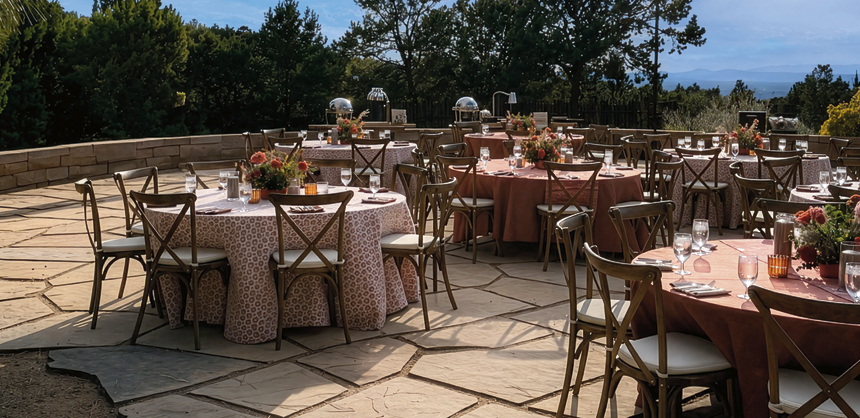
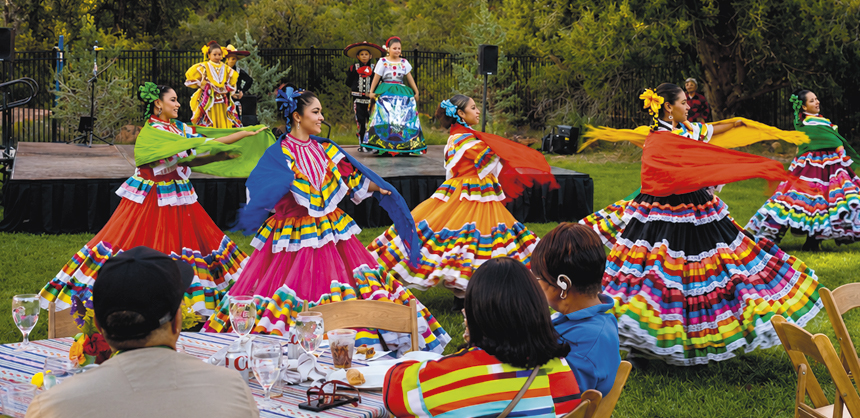
Photo courtesy of Resorts World, Las Vegas

Photo courtesy of Resorts World, Las Vegas

When Nevada legalized gambling in the 1930s, the trajectory of Las Vegas was set, drawing celebrities, entertainers and folks with dreams or money into its dazzling orbit. Gambling may have once been the biggest draw; now, many visitors never step foot in a casino. Las Vegas today is as much about superb dining, state-of-the-art technology redefining theater and other kinds of entertainment, luxury lodging and, yes, everything necessary to make it an almost unrivaled meeting destination. Ever evolving, Las Vegas delivers something new to groups no matter how many times they’ve met there.

ON THE STRIP

D.R. Horton hosts its D.R. Horton Purchasing TradeShow every other year in Las Vegas, and attendance keeps growing. The 2026 event will draw nearly 900 to ARIA Resort & Casino in June. “We host this meeting every other year, and Las Vegas continues to be a natural fit for our program,” says Kristen Pinyerd, the company’s meeting and travel manager, in Arlington, TX. “It offers strong value, convenient and abundant airlift, world-class meeting facilities and exceptional dining and entertainment options both on and off property during leisure time.”

Equally important, she notes, “Las Vegas provides the scale to accommodate our entire group under one roof, eliminating the need for a convention center or multiple hotels. Because this is a group that genuinely enjoys spending time together, having everyone in one location is a key component of the overall experience.”

Pinyerd says the company has a long relationship with ARIA and has hosted this program at the hotel for multiple years. “It has a relatively smaller footprint by Las Vegas standards, which is a significant advantage for our attendees, eliminating long walks to meeting space. The ability to access meeting areas in the morning without having to navigate through the casino is another key benefit. With our current size of 850–900 rooms, we’re able to house the entire group within a single hotel, which is important to us. ARIA’s central location on the Strip is also ideal, placing attendees in the heart of everything Las Vegas has to offer.”

Over the years, the company has built a strong partnership with ARIA and the MGM Resorts sales team, Pinyers says, adding, “Their deep understanding of our program and our company culture allows for a seamless experience and makes execution significantly more efficient on our end.”

Pinyerd is proof that the Las Vegas emphasis on renovations matters. “The fact that ARIA is now embarking on a guestroom renovation makes the commitment to the hotel even stronger. That certainly reinforces our decision to continue returning in the coming years,” Pinyerd notes. “They’re also consistently investing in their meeting space; our ballrooms, for example, were recently updated with new chandeliers just a few weeks ago. These types of enhancements, even the small details, make a meaningful difference. Maintaining a fresh, updated environment is important to our attendees and to the overall success of the program.”

She calls the meeting space exceptionally well-equipped, with built-in AV in breakout and ancillary rooms that supports a seamless experience. “Additionally, the large ballrooms feature integrated stages, which we regularly utilize and greatly value. The overall facilities are topnotch, including well-appointed green rooms that are ideal for our speakers. In terms of connectivity, we implement our own dedicated internet network each year. Our IT team works closely with the hotel’s network team to execute this, as it’s a complex but critical component for the success of our larger meetings.”

Hotel staff is another asset. “The staff at ARIA are truly outstanding; many have been with the property since opening, which speaks to the consistency and quality of service we experience year after year. Their familiarity with our program is invaluable, and we fully intend to continue hosting this meeting here in the future,” she says.

ARIA Resort & Casino offers 500,000 sf of meeting space.

ARIA Resort & Casino offers 500,000 sf of meeting space.

The dining and entertainment assets Las Vegas delivers are a draw whether included within the program or during built-in free time. “We always try to give attendees one or two evenings free so they can take advantage of the incredible dining and entertainment Las Vegas has to offer,” she adds. “On these evenings, attendees often take the opportunity to book concerts or show tickets, or enjoy unique off-property dining experiences. This year, I know several people are arriving early or extending their stay at their own expense so they can experience concerts at Sphere, an incredible venue. This year, we’re also especially excited to host our final night after party at Jason Aldean’s [Kitchen & Bar], a new venue with amazing views of the Strip.”

For D.R. Horton, ARIA is the right hotel in the right city. “MGM Resorts consistently delivers an exceptional experience and truly embodies a customer service–focused organization,” Pinyerd says. “Las Vegas offers an abundance of dining and entertainment options that extend well beyond the casino floor, giving our attendees a wide range of experiences to choose from. The resorts along the Strip are safe, welcoming, accessible and offer strong overall value — key factors that contribute to the success of our event.”

Flavio Martinez, Associate Vice President of HelmsBriscoe in Scottsdale, AZ, has ample experience with Las Vegas meetings. He’s now working on a large event scheduled for 2031 that will bring 2,000 attendees into the city and to MGM Grand Hotel & Casino. “For this client, having all 2,000 attendees in the same hotel is very important as the company is celebrating its 50th anniversary. However, having everyone under one roof limits options. In other parts of the country, not many hotels can house a 2,000-person group under the same roof.”

This company has never held this annual program in Las Vegas, and while Martinez says the city’s expansive dining and entertainment options were not a deciding factor in choosing Las Vegas, “it influenced the decision.” He says Sphere tops the list of “must sees” in the city.

The biggest factors, though, were hotel size and renovations. “At 5,000 rooms, MGM Grand is certainly large enough to accommodate the entire group, both from a guestroom and meeting-space standpoint,” Martinez says. “HelmsBriscoe has had a very strong, longstanding relationship with MGM Resorts. With all guestrooms undergoing a renovation that will be completed before the group arrives, all the right factors seemed to fall into place for this client.”

Stacy Weber, CMP, senior manager, events & travel for Baker Tilly, in Seattle, WA, brought a group of 1,150 to Wynn Las Vegas late last year. She says the city and the hotel work well for the company. “Las Vegas helps drive strong participation. It’s an ideal fit because it offers easy, affordable airlift from across the U.S. and internationally, making it simple for a geographically diverse audience to attend. The city’s large-scale resorts provide the guestroom counts, flexible meeting space and outdoor venues needed, along with a wide range of restaurants and entertainment options to suit different group sizes and budgets. Moreover,” she continues, “its competitive pricing and concentration of venues allow us to deliver a high-quality experience while staying cost-conscious. We’ve successfully hosted this group in Las Vegas before, and its infrastructure, service levels and privacy options consistently support a smooth, secure and engaging event.”

Weber says the city’s extensive food and entertainment options played a huge role in the decision to meet there. “Las Vegas offers an incredible variety of restaurants and entertainment to fit every taste and budget, which adds a lot of value to the overall attendee experience. Many of these options are within walking distance of the hotels, which helps reduce transportation needs and costs. The city is also very experienced with private events, making venues easy to work with and flexible in meeting group needs.”

Weber says the group incorporated dining and entertainment into the overall program. “This year, we hosted afternoon activities that the attendees could choose from. A few experiences that stood out were Lip Smacking Foodie Tours, the F1 Experience, Domsky Glass Gallery & Studio and the Las Vegas Circus Center. Each of these offered a hands-on experience that is unique and local to Las Vegas.”

As for Wynn Las Vegas, Weber says it was chosen based on a strong past relationship and confidence in the service, rooms and catering quality it consistently delivers. “It has the full scale of space we needed to accommodate our group, including a large general session, meals and numerous breakout rooms. The expansive outdoor event lawn was a major draw, especially with Sphere as a backdrop. Overall, it offered the right mix of location, functionality, amenities and value for our program.”

Most importantly, perhaps, Las Vegas is a city that understands meetings and events. “It shows at every step,” Weber says, “from easy, affordable access for national and international attendees to resorts built to handle large programs seamlessly and a CVB that truly partners with you. The scale and flexibility here make it easy to host everything in one place, whether that’s a big general session with multiple breakouts or a memorable outdoor event — and often at a better overall value than expected. On top of that, the dining and entertainment options add real value, with something for every taste and budget and many venues within walking distance, which makes life for the planner easy and reduces transportation costs. For planners and stakeholders, Las Vegas delivers not just excitement but reliability, professionalism and an experience that consistently drives strong attendance and engagement.”

Also located on the Strip, Treasure Island Las Vegas offers 18,000 sf of meeting and event space and can accommodate up to 1,200 people. Attendees don’t have to walk through the casino to get to the meeting space either. All the space is conveniently located on the second level accessible using a guestroom floor elevator. They also have in-house catering, banquets and AV teams to assist planners with all of their needs. Attendees can enjoy the casino, as well as live entertainment and fine dining, or relax in the pool or spa in between events.

BEYOND THE STRIP

Jessie Klorman, owner and lead planner with Everglow Events in Henderson, NV, works with many companies on Las Vegas meetings and events, typically assisting groups of 75 to 500 and booking 20 to 100 room blocks, depending on the specific meeting and its needs. She says Las Vegas has a way of turning events into memorable experiences — a significant factor given the increasing desire among attendees for authentic experiences that elevate meetings in meaningful ways.

“Las Vegas is such a natural fit for my clients because it offers the perfect mix of ease and excitement. Travel is simple, the accommodations are beautiful at every level, and there’s an energy that immediately elevates any event. As someone who was born and raised in Las Vegas, I have a deep appreciation for how much this city has evolved, especially in how it serves both locals and destination guests. It allows me to guide my clients in a way that feels thoughtful, intentional and very tailored to their experience. What I love most is that guests genuinely want to attend events in Las Vegas because it feels like a treat, not an obligation. That alone creates a completely different tone from the start. I’ve planned many successful events here, and it continues to be one of my favorite destinations because it allows me to create experiences that feel seamless, intentional and truly special.”

Las Vegas, she continues, provides endless opportunities to design immersive, meaningful experiences. “My clients love anything that feels elevated but still fun, such as beautifully styled cocktail hours, live music, interactive food stations and moments that are unexpected. I always encourage leaning into the experience side of things — creating an atmosphere guests can feel, not just attend. That’s where Las Vegas really shines.”

Green Valley Ranch Resort Spa and Casino, about 15 minutes from the Strip in Henderson, fits in well with the experiential component. “Green Valley Ranch Resort Spa and Casino is truly one of the most beautiful properties in Las Vegas, and it offers something really special for my clients,” Klorman says. “There is a softness and elegance to the property, from the architecture to the landscaping, that creates an immediate sense of calm and luxury. It feels elevated without being overwhelming, which is exactly what many of my clients are looking for. I have had the opportunity to work closely within the space, which allows me to guide clients with a strong understanding of how to best utilize and elevate each area. Moreover, the resort’s location off the Strip adds a level of privacy and exclusivity that makes events feel more intimate and intentional while still being incredibly accessible.”

The resort was recently renovated and Klorman says that adds to its allure for groups. “The recent renovations have added such a fresh, modern wow factor to the property. When I walk clients through the space, there’s an immediate reaction; it feels current, polished and beautifully maintained. That first impression matters so much, and this property delivers it effortlessly. Green Valley Ranch Resort Spa and Casino gives clients confidence in their decision and makes it easy for them to envision their event coming to life in a truly stunning way,” she says.

Not surprising, the staff is part of what makes the resort such an ideal meeting destination. “The resort team is such a standout,” she says, adding, “They’re collaborative, responsive and genuinely invested in creating a successful event. From a planner perspective, that level of partnership makes all the difference. It allows me to focus on design and attendee experience, knowing the operational side is in great hands. This is absolutely a property I will continue to recommend and work with; it aligns so naturally with the level of experience my clients expect.”

One of her favorite things about the resort is how beautifully it transforms. “The rooms provide a clean, elevated foundation that allows us to layer in custom design, whether that’s flooring, staging, soft textures or statement décor. The updated spaces feel refined and photograph incredibly well, which is always top of mind for my clients. From a technical standpoint, everything runs smoothly, and the staff is incredibly accommodating when bringing creative visions to life,” she says.

When all is said and done, it comes down to this, notes Klorman. “Las Vegas is such a powerful destination because it gives you the ability to create something truly memorable without sacrificing ease. And when you pair that with a property like Green Valley Ranch Resort Spa and Casino where the setting is beautiful, the spaces feel fresh and elevated and the team is exceptional, you really have everything you need to design an experience that feels effortless and unforgettable. For me, it’s always about creating events that feel as good as they look, and this is one of those places where that happens naturally,” she says.

The highly anticipated Vanderpump Hotel will offer a new luxurious spot for events right on The Strip.

The highly anticipated Vanderpump Hotel will offer a new luxurious spot for events right on The Strip.

EVER EVOLVING

Among the most anticipated changes this year is the transformation of The Cromwell into The Vanderpump Hotel, another partnership of Caesars Entertainment and Lisa Vanderpump. The world’s only Vanderpump Hotel will feature 188 guestrooms and bespoke design elements created for this location.

Caesars Entertainment is known for being prestigious and luxurious. They offer planners plenty of what they are looking for when creating an event. Located on the strip with unique venues, Caesars Palace is a Five Diamond property that offers 300,000 sf of meeting space, including 196,000 sf of outdoor space featured at the Garden of the Gods Pool Oasis, a 4,200 seat theater, a 75,000 sf nightclub space with a terrace and much more. It is not far from the Caesars Forum, which has 550,000 sf and the two world’s largest pillarless ballrooms.

Work has already begun on the transformation of The Mirage, which will open in 2027 as the guitar-shaped Hard Rock Hotel & Casino Las Vegas at the completion of the $1.1 billion project. Another transformation completed in January is the combination of the JW Marriott and Rampart Casino into the Resort at Summerlin, part of a multiyear, $75 million project.

Bundling can be a way for groups to better control budget; the MGM group is helping by offering all-inclusive packages at Excalibur and Luxor that bundle accommodations, dining, entertainment and parking in one upfront package. That follows completion of a $300 million room renovation at MGM Grand.

Southwest Airlines will begin offering nonstops between Las Vegas and Hawaii starting in August, and Qantas will begin the first-ever direct flight between Las Vegas and Australia.

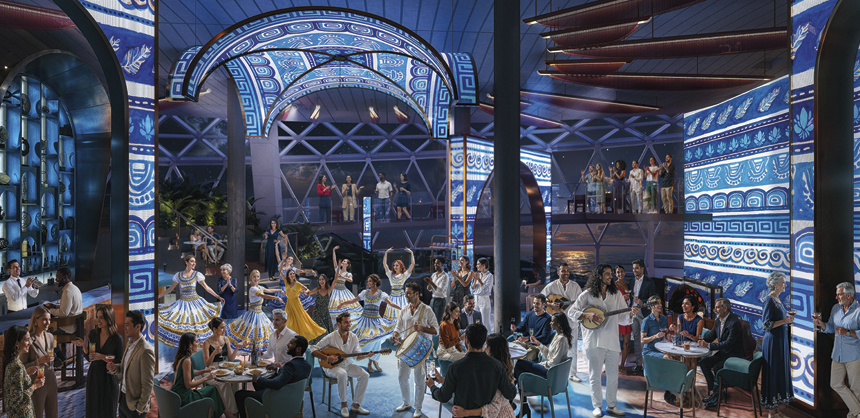
Resorts World Las Vegas intends to elevate its offerings for incentive and corporate groups with an expansion of its dining, entertainment and group experiences. The 3,500-room resort has more than 50 distinct restaurants and bars and a 4,850-seat theater that can host large private events, but it’s upping the ante with experiences tied to race weekend and other cultural events — experiences that can be scaled up for groups as large as 5,000. Their newly refreshed 5.5 acre pool complex is a multimillion dollar transformation offering seven pools, a 1,800 sf Athena Infinity Pool and unrivaled views of the Strip. They also offer easy access with their Vegas Loop station taking people directly to the convention center.

Bottom line: On or off the Strip, Las Vegas is a city that consistently and effortlessly delivers that elusive “wow” factor along with solid ROI. It’s a city that knows and understands the nuances of meeting planning and execution, which makes it a go-to destination for every type and size of meeting and event. And that is exactly what planners need. C&IT

NeckvatalBrenda-147×147

How to Deal With Employees Who Love to Argue & Debate Everything

NeckvatalBrenda-Perspective_110x140Brenda Neckvatal is a transformational speaker and Human Results professional who equips CEOs to help their middle leaders manage and deal with the messiest people. A bestselling author and award-winning expert, she has spoken on more than 400 stages and been featured in Forbes, Entrepreneur, Fast Company, Inc., and U.S. News & World Report. To find out more, visit heybrendahotline.com or contact her at info@brendaneckvatal.com.

Leadership doesn’t test you on the easy days. It tests you when your authority is challenged, your patience wears thin and your energy is drained by employees who argue every decision just for sport. If you’ve ever had someone on your team who debates everything you say seemingly just for sport, you know how quickly it slows momentum and erodes culture. This isn’t about winning arguments or silencing dissent. It is about understanding the roots of resistance and leading in a way that turns pushback into progress.

Like many leaders, I stepped into the arena of leadership because I wanted to grow, have a voice and solve problems that mattered. Early in my career, I didn’t have mentors who guided me. I had bosses who told me what to do, when to do it and made it clear that if I didn’t like it, the door was open. My Gen X grit carried me for a while, but I was unprepared for the relentless pushback that comes with leading a team. I overcorrected, swinging from people-pleaser to bulldozer. I drove results but left bruised relationships behind. I got compliance, not commitment and respect was scarce.

The turning point came when I joined a high-performing team led by someone who modeled calm authority. I saw that leadership does not dominate. It directs. Through my failures, I learned that pushback was not always defiance. More often, it was fear, insecurity, misalignment or simply a test of boundaries. Everything shifted when I committed to mastering the art of leading difficult people without losing my cool or my credibility.

Why People Argue

Employees who constantly debate are not doing it at random. Their behavior usually comes from identifiable roots. Over time, I have found five drivers that consistently show up: worldview, bad experiences, communication breakdowns, hidden agendas, deep-rooted behavioral traits and those who simply thrive on chaos.

Worldview is The Lens That Distorts Everything

Worldview is the lens through which people interpret authority, culture and expectations. Imagine wearing blue-tinted glasses and looking at a lemon. You insist it is green because of the tint, but in reality, it is still yellow. That is how worldview operates. When someone’s worldview clashes with your organization’s culture, they resist direction, challenge decisions and misinterpret intent.

The hard truth is that you cannot change someone’s lens. You can only decide whether it belongs in your system. Leaders who delay that decision pay the price later, because misalignment does not fade. It grows louder, stronger and more expensive.

One’s Bad Experience Is When Resistance Is Justified

Not every argumentative employee is toxic. Sometimes, they are scarred by past experiences. They were overlooked, mistreated or dismissed, and their pushback is a form of self-protection. I once worked with an entrepreneur convinced he had a toxic employee, but in reality, his company had stripped her of pay, benefits and legal protections. She was not difficult. She was justified in her anger.

In cases like this, resistance is feedback, not defiance. When trust has been broken, employees will stand up for themselves. Mistakes happen, but trust does not return until it is intentionally rebuilt.

What Starts as Silence Eventually Explodes

Some employees start strong and become sour over time. Each dismissal of their ideas or concerns strips away a layer of trust. What feels like a minor oversight to a leader becomes a pattern of rejection to the employee. They offer ideas, raise concerns and are ignored until frustration finally boils over. I once watched a top performer written up for insubordination after leadership ignored her harassment report. Months later, her boss was arrested on multiple felonies. She had been right all along.

Communication breakdowns are dangerous because they convince people that patience and politeness get them nowhere. Eventually, they believe the only way to be taken seriously is to argue. Silence is rarely a resolution, and outbursts are rarely about one moment. They are almost always the result of a buildup that leadership failed to address.

You Can’t Coach Out What Someone Refuses to Change

There are people who are combative by nature. They are arrogant, antagonistic or narcissistic, and no matter how many strategies you use, they will not take responsibility for their behavior. Leaders often see the signs early but hope coaching will turn it around. It rarely does.

This is not your failure or fault. Some people are committed to keeping things broken. You cannot fix what they refuse to address. In these situations, the most responsible thing you can do is protect your team, protect the mission and protect your own sanity.

The Foundation Must Always Be Built on Trust

Pushback takes many forms, but the root beneath it is always trust. When trust is strong, disagreements stay productive. When it is weak, every request feels like a threat and every correction feels like criticism.

Trust is not about personality. It is built on integrity, intent, capability and results. When leaders consistently show up with these qualities, trust becomes their greatest advantage. It transforms compliance into commitment and resistance into resilience.

Trust without expectation creates confusion, while expectation without trust creates resentment. The balance of both is where leadership thrives. Under pressure, leaders often narrow their focus and tighten control, adding approvals, slowing decisions and frustrating their people. The message is clear: I do not trust you. Culture cracks long before numbers do.

Every leader must remember that, regardless of industry or role, they are in the human business. The purpose of any organization is to achieve together what individuals cannot do alone, and that only happens when people feel seen, valued and connected.

Recognition is not a bonus; it is fuel. When people know their work matters, they bring greater energy, focus and pride. Structure matters just as much. People do not need control or micromanagement. They need clear expectations and consistent communication to stay engaged and aligned.

Employees argue, debate and resist for many reasons. It may be old wounds, clashing perspectives, ignored concerns, hidden agendas or simply a taste for chaos. Your role is not to silence them but to lead them. Sometimes, that means rebuilding trust, sometimes it means owning mistakes, and sometimes it means making the hard call to let someone go. Leadership is not about avoiding conflict. It is about channeling it into progress. When you master resistance, you protect trust, restore alignment and unlock performance. C&IT

FeldmanJames-147x147

You Don’t Have A Tools Problem — You Have An Execution Problem

FeldmanJames-110x140James D. Feldman, CSP is a keynote speaker, AI implementation strategist and founder of SOAR Academy. He helps corporate meeting professionals close the gap between having AI tools and actually using them. Reach him at shifthappens.com or explore the AI Strategic Concierge at aiconcierge.solutions.

Let’s be honest. You don’t need another article telling you AI is going to change meetings. You’ve sat through that session at three conferences. You nodded. You took a photo of the slide. You went back to your office and opened the same spreadsheet you’ve been using since 2019.

Here’s what nobody’s saying out loud: the problem isn’t that your team doesn’t have AI tools. Half of them have ChatGPT bookmarked. The problem is that when crunch time hits— venue sourcing, budget reconciliation, post-event reporting, last-minute speaker pivots— nobody knows which tool to open, what to type or what to do with what comes back.

That’s not an awareness gap. That’s an execution gap. And it’s costing you time, money and sleep.

FIVE MOMENTS WHERE AI CHANGES YOUR DAY

These aren’t hypotheticals. These are the five situations I hear about most from corporate meeting planners — the ones that eat your Tuesdays alive. Each one has a fix you can use before lunch.

1. The RFP That Takes Three Days & Deserves Three Hours

You’re juggling six open RFPs. Each venue wants a customized response. Your team is copying and pasting from old proposals, missing key details and submitting three days after the planner already shortlisted two other properties. Sound familiar?

Tool: NotebookLM — Upload your company’s meeting standards, preferred vendor list and three recent winning RFP responses as source documents.

Copy-Paste Prompt: You are a senior corporate meeting planner. Using only the uploaded source materials, draft a personalized RFP response for a two-day leadership off-site for 75 executives. Include preferred room block configurations, AV requirements, F&B standards and at least two non-negotiable contractual requirements from our standard meeting policy. Format as a professional proposal brief.

Result: RFP response time drops from three days to three hours. Every response reflects your actual standards — not a generic template that looks like everyone else’s.

2. The Budget Conversation You Dread Every Quarter

Finance wants a variance report. You have receipts in three folders, a credit card statement that doesn’t match the master budget and a meeting with the CFO in 48 hours. This is not a fun afternoon.

Tool: ChatGPT or Claude — Paste in your line-item budget and actuals side by side.

Copy-Paste Prompt: You are a corporate meeting planner preparing a budget variance report for a CFO who values precision and brevity. Here is my planned budget versus actuals for our Q2 leadership summit: [paste your data]. Identify the top three variance drivers, provide a one-sentence explanation for each and suggest one cost-mitigation recommendation for future events. Format as a one-page executive summary.

Result: You walk into that CFO meeting with a clean narrative, not a defensive scramble. You look like you run the numbers — because now you do.

3. The Post-Event Report Nobody Reads (Until Something Goes Wrong)

After every event you file a debrief. Covers served, rooms used, AV issues, a few survey comments. It goes in a folder. Nobody reads it. Then six months later the same AV vendor drops the ball at the annual meeting and everyone acts surprised.

Tool: NotebookLM — Load your last eight to 10 post-event reports, attendee surveys and BEOs as a single knowledge base.

Copy-Paste Prompt: Analyze the uploaded post-event reports and attendee feedback from the last 10 corporate meetings. Identify: (1) the top three recurring operational failures across events, (2) which venue types or configurations generated the highest attendee satisfaction scores, (3) any patterns in AV or F&B complaints that suggest a vendor or process problem and (4) three specific recommendations for improving future event execution. Present as a one-page strategic briefing for the VP of Operations.

Result: Your post-event data becomes a competitive asset. You stop repeating the same mistakes. And when the VP asks why you switched AV vendors, you have receipts.

4. The Attendee Communication That Sounds Like A Robot Wrote It

Pre-event email to 300 executives: ‘Please find attached your registration confirmation. Parking is available at the adjacent garage.’ Nobody reads it. Half of them show up at the wrong entrance. You spend the first hour of the event playing human GPS.

Tool: ChatGPT or Claude — Feed it your event details, venue info and any known attendee questions from previous events.

Copy-Paste Prompt: You are writing a pre-event communication for 300 senior executives attending a two-day corporate strategy summit. The tone should be warm, clear and executive-appropriate — not corporate boilerplate. Include: arrival logistics, parking with a specific address, check-in process, dress code, what to bring and one genuine reason to be excited about the program. Keep it under 300 words. No bullet-point lists. Write it like a host, not a logistics coordinator.

Result: Attendance friction drops. Executives arrive prepared. And your inbox isn’t full of ‘where do I park’ emails at 7:45 a.m.

5. The Last-Minute Speaker Pivot That Turns Into A Crisis

Your keynote cancels 72 hours out. You have a 90-minute hole in a program built around their topic, 300 attendees expecting a world-class experience and a stakeholder who is watching very carefully. This is the moment that defines your reputation.

Tool: Perplexity AI for real-time speaker research with citations, then Claude to rebuild the agenda.

Copy-Paste Prompt: Search: Who are the top keynote speakers on [original topic — e.g., leadership resilience, innovation culture] currently available for corporate events in [your city/region]? Include speakers who have given TEDx talks or keynoted Fortune 500 events in the last 18 months. Prioritize those with confirmed availability for short-notice bookings. Then in Claude: I need to restructure a 90-minute keynote slot for a corporate leadership summit. The original speaker covered [topic]. My audience is [describe]. I have [these internal resources/panel members] available as backup. Suggest three alternative program formats — one solo panel, one audience-interactive format, one hybrid — each with a run-of-show outline.

Result: You go from crisis to contingency plan in two hours. Your stakeholder sees a planner who solves problems, not one who surfaces them.

THE PART NOBODY PUTS IN THE PROMPT LIBRARY

Here’s what those five scenarios have in common: none of them required you to become a tech expert. You didn’t need to understand how the AI works. You needed to know which tool to open and what to ask it.

That’s the whole game. Not mastery. Not a certification. Not a six-month implementation plan. Just the right tool, the right prompt and knowing what to do with what comes back.

The meeting planners I see thriving right now aren’t the ones who went all-in on AI. They’re the ones who picked two or three tools, learned exactly how to use them for their specific workflows and stopped apologizing for not doing more.

YOUR FIRST MOVE

Pick one of the five scenarios above — the one that cost you the most time last quarter. Copy the prompt. Adapt it to your actual event. Run it today.

That’s it. That’s the whole strategy. Not a transformation initiative. One problem. One tool. One prompt. One result you can point to.

Because the executives you support don’t care whether you used AI; they care whether the meeting ran flawlessly, the debrief was useful and the budget came in clean.

AI is how you make that happen consistently — without working weekends to pull it off. C&IT

CIT_2026-03-Issue-cover-147x197

Women in Leadership

CIT_Mar26_Women_In-LeadershipA_860x418


Across the nation, an impressive collection of women is reshaping the visitor economy — taking a new approach to destination storytelling, spearheading billion-dollar development initiatives and crafting brand identities that resonate globally.

The insights from some of today’s most impressive CVB leaders underscore common threads: authenticity as a vital brand imperative, collaboration as a leadership foundation and mentorship as a vital pathway for the next generation. But just as importantly, each story highlights a distinctive approach — one driven by geography, personality, community need and professional evolution.

What follows is a tour of industry lessons and destination visions from seven dynamic CEOs who are not only elevating their cities, but also defining what tourism leadership looks like today.

CIT_Mar26_Women_In-LeadershipB-Casandra_Matej_110x140Casandra Matej, CDME
President & CEO
Visit Orlando

In a place globally recognized for imagination and possibility, Casandra Matej leads Visit Orlando with a combination of experience, clarity and community-minded purpose.

Her journey into tourism began early. “Right out of college, I began my career in the travel and tourism industry in an entry-level position and have now spent nearly three decades in the tourism and hospitality industry,” she says. Her path included leadership roles across major organizations — Visit San Antonio, Visit Dallas, Starwood Hotels & Resorts Worldwide and Hyatt Hotels — each step sharpening her understanding of what it means to guide a major destination.

Matej credits her rise to a mix of determination and support. “Ultimately, staying focused, walking through doors of opportunity and strong support from my leadership propelled me into a leadership role.” Over the years, she has come to see destination leadership as far more than marketing. “A few truths I’ve learned about leading a DMO are that you’re not just marketing a place, you’re stewarding a community; leadership is collaborative, not hierarchical, and that resilience and adaptability are non-negotiable.”

That philosophy shapes how Visit Orlando tells its story. “Visit Orlando is the only organization that tells the holistic story of our entire destination,” she explains. It’s a story that extends well beyond the globally recognized theme parks. “It’s core to our work to promote our entire destination including our culinary scene, nightlife, shopping, attractions and theme parks, especially districts and unique neighborhoods that encompass the Orlando area.” Her team works to ensure planners and visitors understand the full breadth of experiences available. “While the theme parks create amazing turnkey, world-class experiences for groups, Orlando also has a robust variety of off-site and team building event options and services throughout our destination.”

A major milestone came a few years ago, when Visit Orlando entered into a partnership to unify the region’s identity. “In 2022, Visit Orlando partnered with Orlando Economic Partnership to create one singular, comprehensive and consistent brand for our region — Unbelievably Real,” she says. That brand continues to evolve through global campaigns. “Global competition for visitors is intense and growing, so we want to be even more strategic and customized in our sales and marketing efforts to maintain Orlando’s spot as the top travel destination.” Their latest initiative underscores the emotional resonance of the destination. “The ‘Moments in Between’ campaign launched in September in key markets around the world sharing the message of how, in Orlando, connections grow stronger during the moments we don’t expect.” The same intentionality guides their meetings strategy. “The same goes for our meeting and convention business and leveraging the expansion of the Orange County Convention Center, which is a significant and unique asset compared to other cities.”

For Matej, networking is not transactional — it’s foundational to Orlando’s success. “Networking and collaborating with planners and our destination partners is one of the reasons why Orlando remains the top meetings destination in the country,” she says. Her team takes a hands on approach to building those connections. “At Visit Orlando our goal is to facilitate meaningful connections between planners and the destination partners.” That begins long before an event arrives in town. “Before the event takes place, the Visit Orlando Destination Experiences team collaborates closely with each group, ensuring they are introduced to a wide range of businesses throughout our community, often extending well beyond the bounds of the convention center or host hotel.”

This ensures the economic and social impact of meetings reaches deep into the community. “This proactive approach enables the impact of each meeting to be felt throughout the local area,” she says. The team actively connects planners with the right partners. “We actively send leads to various service providers who can support every aspect of the meeting.” Those connections span everything from transportation to entertainment to CSR opportunities. “For instance, when a client requires transportation, attractions, restaurants, speakers, photographers, florists, local entertainment or corporate social responsibility (CSR) opportunities with local charity organizations, we connect them directly with those resources.”

She points to an example that reflects her commitment to supporting local businesses. “Recently, we utilized House on Lang, a women-owned store in downtown Orlando, for a meeting, activity and lunch for a woman’s focused group,” she says. It’s all part of a network that extends across the region. “Importantly, our network includes more than 600 small business members, all of whom benefit from these referrals. These leads provide critical opportunities for their teams, allowing them to participate in and contribute to the success of group events hosted in Orlando.”

As a woman who rose to the top of two major DMOs, Matej is deeply aware of the importance of representation. “When I first took on the role of CEO of Visit San Antonio more than 10 years ago, at that moment in time, I was one of a very few female CEOs in the top 50 markets leading Destination Marketing Organizations,” she says. Today, she sees meaningful progress. “Moving into the role at Visit Orlando, representing the most visited destination, it’s great to be able to be part of establishing female CEOs as more of the norm. Now, you see other major cities run by women – NYC for example.” She believes the industry must continue to elevate diverse talent. “As an industry, we have some incredibly talented individuals at every level in this business, and we need to make sure these diverse voices have representation in leadership roles to the benefit of our entire industry.”

Her tip to future leaders is simple but bold. She says, “My advice would be to walk through opportunity’s door. You can’t grow by following the status quo, you’ve got to take a risk and be willing to try something new in order to reach the next level.”

CIT_Mar26_Women_In-LeadershipC-Peggy_Williams-Smith_110x140Peggy Williams-Smith
President & CEO
Visit Milwaukee

For Peggy Williams-Smith, leadership is rooted in meaning. Throughout her time at Visit Milwaukee, she has become known for her clarity of mission and her ability to articulate the deeper purpose behind tourism work. “Leadership, to me, is about clarity of purpose and connection — understanding the ‘why’ behind what we do and empowering others to see themselves in that vision,” she explains. This framing extends beyond internal strategy sessions and into public-facing campaigns that aim to connect visitors not just to a place, but to a community.

Williams-Smith’s belief in community-driven tourism surfaces repeatedly in her approach. “At Visit Milwaukee, we don’t just market a place; we champion a community,” she says. Her perspective reflects a broader shift in the industry — toward destination stewardship and an emphasis on quality of life for residents. “Every campaign, partnership and event is rooted in one simple idea: when people experience Milwaukee, they see what makes it extraordinary. My role is to inspire our team and our partners to bring that to life every day.”

The Milwaukee brand identity that she has helped cultivate leans into the city’s distinct character. “Milwaukee’s brand is defined by three words — Fresh, Flavor and Forward,” she says. Fresh speaks to the Great Lakes waterfront and the youthful, outdoorsy energy that permeates the city. Flavor references a cultural tapestry shaped by diversity, creativity and deep-rooted traditions. And Forward emphasizes the city’s commitment to innovation and growth. “Together, these pillars celebrate a city that’s confident in its identity, inclusive in its welcome, and constantly evolving.”

When discussing influence, Williams-Smith is eager to shift away from hierarchy and toward modesty. “I believe influence comes from showing up, lifting others and staying curious,” she says. Relationship-building in her work is not transactional, but transformational — a means of driving progress and championing inclusivity. Whether mentoring rising leaders or advocating for tourism as a tool for economic empowerment, she embodies leadership as service.

“Leadership is not about holding a title — it’s about using your platform to make your community stronger,” she remarks. “If I can leave Milwaukee, and this industry, a little better connected and a little more confident in its power, then I’ve done my job.”

CIT_Mar26_Women_In-LeadershipD-Tania_Armenta_110x140Tania Armenta
President & CEO
Visit Albuquerque

In Albuquerque, NM, Tania Armenta is at the helm of one of the country’s most culturally layered destinations — a place where centuries-old traditions converge with contemporary arts and a dramatic natural landscape. That depth drives her commitment to authenticity in branding. “We are proud to be ambassadors for the Albuquerque brand, and we take our responsibility seriously for crafting a compelling and authentic image that clearly differentiates Albuquerque from competing destinations,” she says.

Armenta’s philosophy matches narrative richness with analytics. “We use our local expertise and data-driven strategies to make it clear to targeted travelers why Albuquerque is the right choice for their next trip or event,” she explains.

The combination empowers her team to present a brand that is emotionally resonant but grounded in evidence about traveler behavior, market gaps and demand trends. In an increasingly competitive landscape — where destinations often compete on similar promises of adventure, cuisine or relaxation — Albuquerque stands apart through its sense of soul.

“In a competitive set filled with resort towns, fast-growing metros and trend-driven cities, Albuquerque stands out for its authenticity, diversity and soul,” Armenta explains. With deeply rooted cultural traditions, dramatic desert backdrops and a community known for genuine hospitality, the city delivers experiences that she describes as “real, rooted and unforgettable.”

Armenta is also leading Albuquerque through a critical moment of long-term planning. “We introduced Albuquerque’s Destination Master Plan, which will serve as a blueprint for the city’s tourism growth over the next decade,” she informs. Such a plan emphasizes the increasing sophistication of destination leadership — balancing visitor attraction with resident priorities, infrastructure needs and sustainable development.

Her philosophy of leadership focuses on consistency, credibility and curiosity. “Over the years, I’ve worked for our team to be trusted voices in our community and industry by being present, prepared, curious, authentic, passionate and committed to a standard of excellence and striving for continuous improvement,” she says.

In an industry landscape fueled by relationships and perception, Armenta’s steady approach has helped position Albuquerque as both an emerging travel destination and a tightly aligned community of partners moving toward shared goals.

CIT_Mar26_Women_In-LeadershipE-Rachel_Sacco_110x140Rachel Sacco
President & CEO
Experience Scottsdale

While some careers start with ambition. Rachel Sacco’s began with serendipity — but became a lifelong calling. “I found my way into destination marketing purely by chance,” she says, recalling a conversation at a seminar that set her on the path to leading one of the most admired DMOs in the West. “That job led me to my life’s work; I have represented and promoted Scottsdale’s tourism industry for 40 years.”

Sacco’s leadership approach accentuates teamwork as the driving force of organizational success. “A leader is only as successful as their team,” she says, reflecting on decades spent working with passionate professionals who share a deep love for Scottsdale. Under her guidance, Experience Scottsdale has cultivated an internal culture that values expertise, creativity and longevity — an increasingly rare combination in the high-turnover tourism space.

Scottsdale’s brand has evolved significantly over the years, shaped by changing traveler expectations, new developments and community insights. “Our goal is for our destination brand to be effective, compelling and authentic,” Sacco explains. The 2016 rebrand, backed by extensive research, helped crystallize Scottsdale’s identity as “the nexus of adventure and relaxation — a vibrant desert city that leaves visitors feeling refreshed and revitalized.”

Mentorship has also played a pivotal role in Sacco’s development. She recalls learning from a Chamber of Commerce leader who championed community stewardship. “He instilled in me that the Chamber was more than a workplace. It was a home, and the entire community was our family.” That philosophy continues today as she leads with “kindness and openness,” encouraging staff to grow into leaders themselves. Many of her team members have spent more than a decade with the organization, a testament to the supportive environment she has cultivated.

Sacco also highlights the importance of blending research with emotional resonance in destination marketing. “Data and research are at the foundation of all our programs and promotions,” she explains. Understanding traveler motivations allows her team to “tap into our creativity and develop innovative promotions that capture the soul of our community.”

Her guidance to the next generation is both inspirational and grounded in empathy. “I believe women are hardwired to the role of leadership … lead with compassion, intuition and inclusiveness.” Tourism, she reminds us, is ultimately about connection — opening minds, enriching lives, and bringing people closer to cultures and landscapes that inspire them, she says.

CIT_Mar26_Women_In-LeadershipF-Janet_Zaldua_110x140Janet Zaldua
CEO
Marina del Rey Tourism Board

In Marina del Rey, a place defined by sun, water, and easygoing elegance, Janet Zaldua leads with teamwork at the forefront. “My secrets to success include collaboration,” she says. True destination advancement, she argues, requires far more than coordination among tourism partners— it must include residents, small businesses and civic leaders. “When everyone feels ownership of the destination’s success, that’s when the brand truly thrives.”

Zaldua’s focus on relationships is underpinned by a genuine desire to create value. “I believe in cultivating positive, authentic relationships that go beyond transactional interactions,” she explains. Her guiding question — “How can we create value for this partner?” — underscores her commitment to mutual benefit and shared momentum.

For Zaldua, strong leadership also means building a strong team. “A big leadership tip for me is to assemble the right team and empower them to excel,” she says. She fosters a work environment grounded in trust, respect and positivity — one where creativity and productivity go hand in hand. “When people feel trusted, respected and valued, they naturally rise to their full potential.”

Research informs much of Marina del Rey’s branding strategy. “You can’t build a powerful destination brand without understanding your audience,” she explains. Knowing visitor perceptions and emotional drivers is essential for crafting a brand that feels authentic and enduring.

Purpose, ultimately, is what anchors the destination. “For Marina del Rey, that purpose is about showcasing an authentic sense of place. Our connection to the water, our convenient location and proximity to the airport and popular attractions, the sense of relaxation and escape we offer and the genuine warmth of our community,” Zaldua explains.

CIT_Mar26_Women_In-LeadershipG-Tammy_Canavan_110x140Tammy Canavan, FCDME
President & CEO
Visit Seattle

In Seattle — a city where mountains, water and urban energy intersect — Tammy Canavan brings a deep sense of purpose to her role as President & CEO of Visit Seattle. Her journey into destination marketing began more than three decades ago, sparked by an unexpected opportunity that changed the course of her career. “Waaaay back in 1989, I was working in the hotel industry, and Tourism Vancouver (Canada) recruited me as they were expanding their organization,” she recalls. “I never looked back — the opportunity to work with and impact an entire community continues to inspire me,” she says.

For Canavan, the key to longevity in the industry lies in the people who shape it. “What has been key to my continued growth has been the amazing community of industry professionals who selflessly share information and support, provide education, connect, mentor and innovate as our world continues to evolve,” she says. That spirit of collective advancement continues to guide her leadership in Seattle.

Under her direction, Visit Seattle has sharpened its brand identity through a commitment to authenticity. “We have developed brand pillars that are true to our destination experience and values — all developed through extensive customer and community research of course,” she explains. Listening closely to both visitors and locals revealed what truly differentiates Seattle: “that we are a city where nature thrives in every direction, we offer a culinary scene that is a feast for the senses, that exploration is effortless due to our compact walkability, and that our meeting facilities offer extensive flexibility.” These insights culminated in a bold new brand launch: “Seattle is Mother Nature’s City.”

Her networking philosophy is refreshingly direct. “Don’t be shy!” she says. “This is an industry of professionals that have open hearts and minds, and are excited to expand their own networks.” Her advice is simple: reach out, ask questions and get involved. “Identify someone you want to learn from — even if you don’t know them — and reach out. Try LinkedIn or connect through others you might know.” She encourages engagement with professional associations—from Destinations International to PCMA, MPI, ASAE and beyond — and adds with a laugh, “Just be prepared to hug — a lot. We’re an industry of huggers.”

For women aspiring to lead in tourism and hospitality, Canavan offers the same encouragement she gives to emerging professionals across the field. “I would echo exactly what I said about networking — get involved, find your tribe or form your own — and know that women of this industry, regardless of tenure, support and help each other,” she says. The path forward, she emphasizes, is wide open. “The opportunities are unlimited — you need only to take the initiative.”

CIT_Mar26_Women_In-LeadershipH-Julie_Coker_110x140Julie Coker
President & CEO
New York City Tourism & Conventions

Julie Coker shares that her journey into destination marketing “really started with just the simple love of hospitality and service.” Early in her career, working in hotels and restaurants, she saw “firsthand how travel can be just so memorable.” As she progressed, she came to see that travel “is a driver of economic opportunity.”

She believes the key to her leadership success has been “staying grounded in the people and purpose.” She credits the “amazing team here” and the talented people she has worked with throughout her career. “Success in the industry is just not one person. It really is about having the ability to align stakeholders around a shared vision.” Those stakeholders have included team members, hotel owners and managers, and now, as a DMO leader, she says, everything from small businesses to restaurants to attractions, to cultural institutions all work toward ensuring that “the benefits of tourism are really felt broadly.” In New York City, she adds, “You see it every single day.”

Coker notes that the competitive landscape “continues to change and evolve every day,” especially for a global destination like New York City. While the city has never lacked brand awareness, what matters is making sure visitors “know the full authentic side of New York City.” Her team has evolved its marketing through “strategic messaging … across sales and marketing and communications, and our members, and really creating strong partnerships” to ensure that “all of New York City stories are told.” That means stories “across all five boroughs” and especially those “not publicly shared or not top of mind.”

“When you think of New York City, you think immediately of Times Square … the Statue of Liberty … the Brooklyn Bridge … the Empire State Building.” But Coker has pushed to highlight “those small businesses,” the “mom and pop or that small coffee shop in Brooklyn,” the “great Italian restaurant over in Staten Island,” and the global diversity of Queens, “a world, global city within its own.” Whether in “the Bronx or Brooklyn or Harlem, certainly there’s something for everyone.”

Her team has also leaned substantially into “the accessibility, the diversity, the inclusiveness of New York City.” Those values have always been a staple, but “coming out of COVID and the times that we find ourselves living in,” the welcoming message needed to be amplified. Their global campaign, “Welcome the World,” reflects that intention. “We were very intentional about the Statue of Liberty,” she says, noting its resonance in the current moment.

Another big focus has been addressing slower periods. Even though New York City leads in “almost all KPIs” — hotel rates, occupancy, RevPAR and business mix — there are still down times. “January and February definitely [are] considered slower periods,” she says. Her team has leaned into expanding winter outings, resulting in “the largest number of businesses that have participated this year.” By being “very active,” they’ve strengthened what “lifts up New York 12 months a year,” driving economic impact during softer seasons.

Coker’s approach to networking mirrors her leadership philosophy: grounded, intentional and human. “There’s nothing like a face to face interaction to get to know people,” she says. Authenticity is essential. “The easiest way to really network with someone is to be somewhat vulnerable.” When meeting someone new, she looks for a common connection — shared industry experience, a city they’ve both lived in or even “a common love of dogs.” Travel, she notes, “has always been a very friendly and outgoing business,” which makes it easier for people to show that side of themselves.

In a hybrid world, she encourages preparation. If attending an event, “target two or three people that you really know that you’re there to meet,” she says, also stressing the importance of networking both inside and outside the industry. Some of her best learnings have come from leaders in other fields, where she can “ask them questions about my industry that I might be struggling with.”

Above all, she says, “make sure that you’re open, and you’re presenting yourself as open and collaborative,” whether at a cocktail reception, a meeting or a trade show. “You’ve got to project confidence, and you’ve got to project that you’re willing to learn and be open.”

CIT_Mar26_Women_In-LeadershipI-Kristen_Reynolds_110x140Kristen Reynolds
President & CEO
Choose Chicago

Kristen Reynolds provides Choose Chicago with a leadership approach fostered by one of the most wide‑ranging careers in the industry. Having worked across restaurants, hotels, state tourism, association advocacy and even as a lobbyist for her state’s tourism industry, she sees destination marketing as a place where every thread of hospitality converges into a single, powerful mission. “It’s the rare part of the industry that encompasses every sector and channels them into one mission: representing a destination and driving the visitor economy, which truly is the foundation of quality of life for residents,” she says. That breadth of experience—both geographically and professionally—has become her calling card. “That range has given me a global perspective, a deep understanding of the industry’s many layers, and a toolkit I can tap into no matter the challenge or opportunity.”

Reynolds’ take on brand leadership is rooted in the idea that a destination’s identity must reflect the people who call it home. It’s a philosophy she brought from Long Island’s BeLONG on Long Island initiative to Chicago’s recent campaigns, including Never Done, Never Outdone and the new All for the Love of Chicago platform. “Rather than focusing solely on what you’ll see and do, we focus on how Chicago makes you feel—and why our residents love this city so fiercely,” she explains. By elevating resident pride and emotional resonance, Reynolds strives to create a visitor experience that is both authentic and deeply intertwined with the city’s character.

Relationships have been a defining force throughout Reynolds’ entire career. “This industry runs on relationships,” she remarks. Mentors, colleagues, and board members have mapped out her leadership journey, and she is thoughtful about paying that support forward. Via board service, speaking engagements and one‑on‑one mentorship, Reynolds invests in rising leaders who are navigating the same road she once travelled. “There’s nothing more meaningful than someone approaching me at a networking event to say they’ve been inspired by something I’ve said or done,” she says. “I take that responsibility—and that honor—very seriously.”

Her guidance for crafting meaningful connections in the industry is refreshingly straightforward: be authentic, listen actively, follow through, and shield your energy. “Burnout is real,” she notes. “There will always be another event—protect your energy.”

For those aspiring to lead in tourism and hospitality, Reynolds underscores stewardship as the top priority. Leaders, she says, are entrusted with two vital responsibilities: a brand that represents a community’s identity, and the visitor‑generated dollars that must be invested with intention and effect. “Stay focused on your mission: driving economic impact and enhancing quality of life for the residents you serve,” she advises. “Leadership in this industry is about responsibility, vision, and care. If you stay true to those principles, you’ll not only succeed—you’ll make a lasting impact.” C&IT

CIT_Mar26_LegalMatters_147x147

Legal Matters

CIT_Mar26_LegalMatters_860x418


In an industry built on hospitality and human interaction, it’s easy to forget that every successful meeting also rests on a bedrock of legal decisions — some straightforward, others far more sophisticated. Yet, for planners, ignoring that underpinning can be disastrous. From contract clauses that subtly shift risk onto the organizer, to accessibility requirements that carry both ethical and legal weight, the fine print has never mattered more. As meetings grow in scale and complexity, so do the legal considerations behind them.

To navigate this landscape, one can gain invaluable knowledge by looking toward those who live in the intersection of hospitality and the law. This article explores the legal issues shaping today’s meetings environment, featuring insights from attorneys who specialize in event law and veteran consultants who have learned why legal matters truly matter.

The Safety Net: Why the Fine Print is Your Best Friend

For many organizers, the anticipation of a high-profile event can often overshadow the paperwork needed to make it happen. However, Jamie Clark, Esq., a Nevada-licensed associate attorney for Backus | Burden with an extensive hospitality and entertainment background, cautions against treating contracts as a mere formality.

“It’s easy to gloss over the fine print, but in event planning, contracts are your safety net,” Clark states. “Most of us breeze through agreements in our daily lives, such as those ‘agree to terms’ clicks when shopping online. But for your event, a casual approach can lead to costly surprises. You don’t need to memorize every clause, but refer back to it throughout your planning process. You may notice terms that didn’t stand out previously.”

She emphasizes that the window for protection is narrow. “Before signing, you should confirm that the payment schedules, cancellation policies, and menu and rooming list deadlines are clear and align with your company’s needs. It is easier to negotiate before signing. After the contract is signed, you are at the mercy of your relationship with the other party.”

Beyond the bulk of legal jargon, Clark points out that even the simplest details can become legal liabilities if ignored. “Double-check the basics: date, time and location. Even a small mistake, like booking the wrong venue, can turn into a logistical nightmare. And if you catch an error late in the game, fixing it could be expensive or impossible.”

If and when things do go sideways, the contract should be the first place a planner looks. “If logistical issues with your event arise after you’ve signed, review your contract first to understand your obligations and options,” Clark explains. “This way, you’ll approach vendors with solutions, not confusion, and you might even spot terms that work in your favor. In short, read, review and revisit; your event’s success and your sanity depend on it.”

While Clark’s insights provide a roadmap, she also adds a vital caveat for any events professional: “This is not legal advice specific to individual situations; if you have concerns about a contract, consult your organization’s counsel or retain an attorney for guidance.”

Shifting Risk: The Power of Insurance & Indemnification

Understanding the text is just half the battle; the other half is knowing how to shield your organization from the fallout of an accident. Clark points to two concepts that often intimidate planners: insurance and indemnification.

“These can be the least exciting and most intimidating aspects of planning,” she admits. Regarding insurance, she notes, “your venue will likely require you to provide proof of insurance with a policy that covers the meeting and event dates and names the venue as an additional insured party. It is important to them, and should be important to you, that you have valid coverage should something happen during the event. In turn, you should ensure that your vendors and contractors also have insurance policies valid for the date(s) of service, including general liability to cover any incidents.”

Navigating these requirements often needs a team effort. Clark advises that planners “consult with your risk management, insurance provider and/or legal counsel regarding policy coverage, limits and what should be included on a certificate of insurance. Many venues may not agree to name your organization as an additional insured party, but this is something you may be able to request from other vendors and contractors.”

The concept of indemnification — basically who pays when things go wrong — is equally vital. “When possible, contracts should include a duty to indemnify and a duty to defend,” Clark says. “If a vendor’s negligent act causes an incident, indemnification could require them to ‘hold you harmless,’ and a duty to defend could require them to defend you in the event of a lawsuit. When working with venues, it can be possible to negotiate mutual indemnification in the contract, meaning each party agrees to indemnify the other.”

She clarifies the link between the two: “Insurance and indemnification are separate but related; if a vendor contractually agrees to indemnify and/or defend you, insurance coverage is often what enables them to do so. The existence of insurance and indemnification does not guarantee your organization is immune to claims or litigation, but they can provide additional layers of protection in some cases. The facts of every situation can vary, so consult an attorney should you find your organization involved in an incident with insurance claims.”

The Post-Pandemic Reality: A Tougher Negotiation Table

The landscape of event law, like the meetings industry itself, isn’t static; it shifts with the economy and global events. Valerie Jensen, Ltd., regional vice president for HelmsBriscoe Performance Group and a contract specialist with legal expertise, has seen a marked change in how venues operate since the pandemic ended.

“The most basic issue is a lack of understanding of what the contract actually says (or doesn’t say) and what it holds the group responsible for,” Jensen observes. “Groups, especially smaller organizations/non-profits, don’t usually have the budget for an attorney to review their contracts, and if they do, the attorney is generally not versed in hospitality law.”

Jensen believes that many planners are unaware of their own power at the negotiating table. “Understanding what attrition holds the group to, what force majeure allows (and doesn’t allow) for, and what the group may actually be on the line for financially in the event of a cancellation are serious legal risks. Many groups don’t realize most of the terms of the contract are negotiable,” she says.

She also underscores a common misconception that silence in a contract somehow equals safety. “Another important part,” she says, “is not understanding that just because a term is not addressed in the contract does not mean you are still liable for it. For example, there is no attrition clause in the contract. That does not mean the group is not liable for it; it means it is totally up to the discretion of the entity they are contracting with to charge whatever amount they want.”

Due to these complexities, Jensen advocates for specialized help. “I’m not trying to toot my own horn, but seeking a professional third party with extensive experience in contract negotiations is often the best way to go. There is generally no charge to the client for their services, and working with a seasoned third-party professional can help them understand what they are actually signing and their liability, and help them negotiate more favorable and fair terms with the entity they are contracting with,” she suggests.

Jensen adds, “Many times, event hosts are afraid to question terms of the contract for fear they may lose the space, or because they are ‘too close’ to the issue to maintain objectivity. This is where a third-party professional can assist. With more than 30 years of experience in this field, I know how far I can go with negotiations and what is fair to both parties. I also know how to write clauses that will protect the client from various forms of liability.”

In recent years, Jensen opines that hotels have become more difficult to deal with. “Personally, I have found negotiations to be much more of a challenge with hotels since 2022,” she notes. She points to several “daily challenges” that have emerged in this new era:

  • Service Reductions: “Hotel services/amenities have been significantly reduced (maid service only on request, no room service) but pricing across the board has increased”
  • The Talent Gap: “Seasoned hoteliers were either furloughed, offered a buy-out or retired, but in any case, many did not return to work. This is another way for hotels to earn back lost revenue — by eliminating these higher salaries.”
  • Inexperience: “Hotels brought in young inexperienced salespeople who don’t know their product and are certainly not empowered to make decisions during contracting.”
  • Gridlock: “Salespeople have to go to their director of sales for assistance with contracts; but the directors are so busy now, with reduced sales staff and more responsibilities due to cut-backs, and no longer have time to review or discuss contracts. As a result, salespeople are told to ‘just send the contract to legal,’ and that is the end of any chance for negotiation.”
  • Rigidity: “The major hotel companies have become so rigid in negotiations there is no longer any give and take. Sales directors are told there are mandatory clauses that must appear in every contract, or clauses that may not be changed under any circumstance. Many of these clauses are very one-sided and could be detrimental to the client in terms of liability.”

Jensen reports that planners often encounter a “take it or leave it” attitude. “Clients being told ‘we can only use the approved clauses from corporate’ is now the norm,” she says. Furthermore, financial terms have sharpened. “Attrition and cancellation terms are much stricter and costly. Allowance for attrition is decreasing while the percentages due for a cancellation have doubled or even tripled. Hotels are now eliminating resell clauses citing liquidated damages.”

Perhaps most frustrating for planners is the advent of “supplemental surcharges.” Jensen describes these as being “in addition to the already quoted 25% to even 28% service charges.” When planners ask what these fees cover, the responses include “early sets, set-up charges, late end times, outdoor venues, resets, refreshes, cleaning and other services that require staffing above normal levels and/or services outside of the normal scope of contracted and paid products and services.” Jensen’s response is pointed: “Isn’t this what the actual service charge is supposed to cover?”

The Big Three: Apportioning Risk

Tyra Warner, an attorney and department chair of hospitality, tourism, & culinary arts at the College of Coastal Georgia, views contract negotiation through the lens of risk management. From her perspective, many pitfalls originate from a lack of foresight regarding the “unlikely.”

“I think planners tend to overlook preparing for unlikely but detrimental scenarios like a hotel engaging in renovations that affect the meeting, having conflicting groups meeting in the hotel, and having the hotel cancel the contract,” Warner explains. “There are contract clauses to address all of these issues, but until a planner has been through one of these situations, they often do not see the prudence of addressing these issues in the contract.”

Warner puts strong emphasis on what she refers to as “The Big 3:” force majeure, cancellation and attrition. “I call these three clauses ‘The Big 3’ because they have the biggest potential financial impact on the parties,” she says. “Planners need to negotiate these clauses with the realistic point of view that they are there to apportion risk between the parties, not to absolve one party from all liability. During a seller’s market, these clauses can be skewed in favor of the hotel, and in a buyer’s market, the reverse is true. Whether a planner can get their preferred language for one of these clauses in the contract also depends on the desirability of their piece of business to the hotel and leverage.”

Warner additionally cautions that a contract is simply a single part of a broader safety strategy. “Planners should have a good risk management plan for each meeting. A good plan may prevent harm or liability, or may at least mitigate it, reducing the consequences.” She echoes Clark’s advice on insurance, noting that planners “need to have a conversation with their insurance carriers about coverage for these kinds of issues.” Additionally, she points out that “the indemnification clause in a contract can be good protection for the group if the safety or health issue is caused by or not managed well by the other party.”

New Frontiers: AI & Data Privacy

Looking toward the future, Warner identifies two emerging legal hurdles: Artificial Intelligence and Data Privacy.

“I think we are all keeping an eye on AI and waiting to see how it is going to affect meetings from a legal perspective,” Warner says. “There are already issues around hiring a speaker or consultant who creates materials using AI instead of using their own expertise, which is what they have been hired for. AI use can lead to copyright infringement issues as well.”

Data privacy also remains a potential minefield. “The other area that continues to be an issue is data privacy. In the beginning, there was General Data Protection Regulation (GDPR). Since then, other laws have been enacted, even at the state level. Meeting planners may not know the laws of all the states they are holding meetings in, so the best course of action is to address this issue conservatively in both contracts and in practice.”

The Master Checklist: 47 Areas of Concern

With over 50 years in the meetings industry, DC-based consultant Joan Eisenstodt has a perspective shaped by decades of evolution — and has even testified in many court cases as an expert, usually on cancellations of meetings.

For her, picking a few “top” clauses is an impossible task because every event is a unique legal entity.

“Deciding the top three, five or even 10 ‘must have’ contract areas when negotiating and contracting with hotels is like being asked who, among your friends, is really the best friend,” Eisenstodt notes. “The checklist I developed, used to negotiate or write contracts, or review other’s contracts when testifying as an industry expert witness, has 47 areas, under each of which are sub-headings.”

She follows the lead of industry attorney Barbara Dunn, Esq., who famously says, “it depends.” Eisenstodt explains that the legal needs of an event depend “on the meeting or event type and purpose and its specifics” (such as table-top displays, exhibits or none; group recreation or teambuilding, number and times of meals, plenary and break-out sessions; housing needs, etc.). Like Clark, Eisenstodt is careful to clarify her background: “I am not a lawyer. Any of these suggestions should always be discussed with your legal counsel and understood fully before negotiating for inclusion.”

Even with 47 areas to track, Eisenstodt highlights four that are often neglected or incomplete, frequently with “harmful impact.” They are as follows:

  1. Identifying the Parties: “Contracting parties: For a hotel, name of owner d/b/a (‘doing business as’), name of hotel. If there is a separate management company, it too should be listed. For the group, its legal name. For all, the places in which they are incorporated, which impacts the ‘governing law’ clause.”
  2. The Power of Specificity: Eisenstodt urges attention to detail in every clause. This includes “event purpose, an area that has since the worst of COVID become more critical; days of the week names, dates with year for room blocks, including early arrivals and late departures, for meeting space; times (when space is needed for set-up, rehearsal and time it begins, when it ends and the time by which the room must be vacated); dollars versus percentages; meeting room or area names with attached diagram showing space name and location; guestroom types (bed configurations, locations, amenities), check-in times and fees and check-out times and fees; agreed to conditions of use too often mentioned as ‘in the policies’ as an exhibit and too often lost thus included in the body of the contract.”
  3. Rethinking Mutual Cancellation: “Too often the terms are said to be ‘mutual,’ which makes little sense,” she argues. “The inconveniences, financial implications and conditions for cancellation are best determined by the parties and then specified for each. Consider including the impact of changes in laws, policies, other events, and health and safety that may impact cancellation and force majeure.”
  4. Payment Terms: Planners must be crystal clear on “Conditions, timing (with reservation or meeting contract) and methods (cash, check, purchase order, electronic, credit card types and holds on amount, bitcoin) and specific amounts for individuals if responsible for their own room and/or ancillary expenses, and for the group, including deposits, cancellation or other event stoppage, refund of deposits, credits and distribution of points, if any.”

Ultimately, Eisenstodt’s advice is to be proactive. “Consider it all when you send your RFP and before a contract is signed. Although it may be possible to amend once signed, it’s best to know it all prior to doing so.”

Beyond the Paper: Accessibility & the ADA

Legal matters in meetings extend beyond financial liability; they encompass the civil rights of the attendees. Eisenstodt is a vocal advocate for accessibility compliance, reminding planners that “standard” hospitality claims aren’t always enough.

“Most every hotel will say they are ‘ADA (Americans With Disabilities Act) Compliant,’” Eisenstodt says. “Consider that, at your meeting or event, there will be participants and speakers with disabilities, some acquired just before arriving.”

She urges planners to go beyond the surface. “Ask specific questions about access for attendees to all areas of the property. Ensure the hotel knows the laws about guestroom reservations and room assignments. If you conduct a site inspection, observe, measure and test for access, including for deaf or hard of hearing, sight, mobility, neurodiversity and contract specifics,” she says.

The Final Verdict

As the meetings industry continues to reinvent itself, the legal framework surrounding it has become even more essential. Whether it is navigating the “Big 3” clauses, accounting for the rise of AI or ensuring that a venue is truly accessible for all, the message from the experts is clear: the contract is not just a piece of paper — it is the blueprint for a successful, protected event. By reading, reviewing and revisiting these legal foundations, planners can ensure that when the curtain rises, they are standing on solid ground. C&IT

CIT_Mar26_WellnessCenter_147x147

Wellness Takes Center Stage

The Caesars Entertainment Wellness Summit showcased options such as this sound bath at Caesars Palace in Las Vegas.

The Caesars Entertainment Wellness Summit showcased options such as this sound bath at Caesars Palace in Las Vegas.

The meetings, events and incentive travel industry is undergoing a fundamental shift in how organizations approach employee well-being. Once considered optional perks or nice-to-have amenities, wellness offerings have evolved into strategic imperatives.

For planners and corporate leaders alike, wellness is no longer about adding a yoga class; it’s about designing experiences that genuinely restore people.

The 14th annual Amex GBT INTER[action] conference, held at the end of last year at Caesars Forum in Las Vegas, showed how wellness can be integrated to meet the needs of attendees. This was the first time this group had convened there for the flagship program. More than 1,050 attended, including approximately 550 planners and 500 supplier partners, 70% from North America and the remainder representing markets around the world.

Caesars Entertainment has positioned itself as a thought leader in meetings wellness, supported by its comprehensive Meetings Wellness Guide, and this commitment was fully activated during the Amex GBT conference. Wellness programming drew strong engagement, and it aligned closely with insights from the Amex GBT 2025 Global Meetings & Events Forecast, which identified wellness-centered agendas as a major trend shaping future meeting design.

Megan Wilson, co-founder of Pneuma Lab, motivational speaker and mindset expert, kicked off the wellness programming with a keynote that concluded with a guided intention-setting exercise for the conference.

Pneuma Lab also participated in the Caesars Wellness Lounge, offering a Clarity Ink activation. Participants selected a design or word, articulated a personal intention and received a temporary tattoo as a take-home reminder, creating a meaningful personal moment and a visible conversation starter on the show floor.

Purpose-Driven Givebacks & Sensory Engagement

Caesars’ wellness philosophy extended beyond sessions to intentional attendee gifts. Conference gift bags were provided by Sudara, a certified B Corporation nonprofit that creates employment opportunities for women in India who are survivors of, or at high risk for, sex trafficking. Crafted from recycled sarongs, the bags reinforced Caesars’ commitment to social impact through meetings.

Another popular Wellness Lounge activation was an interactive gifting station where planners selected a reed diffuser from three customized fragrances, while learning how scent can be used strategically in meetings to influence mood, focus and memory. The experience was powered by Scentex, a wellness partner featured in Caesars’ Meetings Wellness Guide, that specializes in “scentscaping” environments and scent-based attendee gifts and activities.

“Today, we are becoming saturated by artificial intelligence and relentless audio and visual noise; our greatest opportunity lies in returning to the human body. By engaging our senses through thoughtfully curated sensory experiences, we reclaim presence, connection and a deeper awareness of what it means to be human,” says Tiffany Rose Goodyear, founder and CEO of Scentex.

Aura readings were also offered, with practitioners using aura imaging and interpretation to discuss participants’ current mind-body-spirit balance, energy levels and stress indicators.

Collectively, these experiences, paired with healthy food offerings, created an environment designed to support focus, presence and connection throughout the conference.

Unlike many conferences where wellness is relegated to early-morning sessions with limited attendance, Caesars and Amex GBT integrated wellness at high-impact moments. Activities were scheduled after lunch, immediately prior to the closing general session. Participation exceeded expectations, with more than 200 attendees at each experience.

“Part of the success of these activities had to do with timing, says Palmisano. “In years past, there were opportunities to do yoga by the pool or join the morning walk, but we did not see as much adoption, as it was early morning before the day started, and what we realized is that mornings are sacred — preparing for the day, connecting with families and friends back home or perhaps joining a colleague for breakfast,” says John Palmisano, senior manager, global business partner enablement, AMEX GBT Meetings & Events. “Programming the health and wellness during the day was intentional and those sessions were packed.  We are already discussing adding activations for our future events like sound bath sessions and whole-body vibration chair pods. The more attendees can be recentered throughout the day, the more they will get out of their experience, resulting in positive results.”

Carolina Panoff, founder and CEO of Be You Disco, curated an immersive silent disco experience on the plaza outside Caesars Forum. The guided dance journey blended movement, mindfulness, creativity and connection.

“The silent disco brought a large circle of people with their eyes closed on a warm sunny Las Vegas afternoon at The Forum, just soaking in the content being provided,” says Palmisano.

“Everyone opted into the relaxation and focus content.  It provided them a mindful break and prepared them for the balance of the day. Our attendees raved about the activations, and realized it was something they were craving, even if they didn’t realize it.”

Sepideh “Sepi” Eivazi, somatic practitioner, wellness guide and founder of Dawn of the Earth, who is a recognized member of the Breathe Initiative Members at Global Wellness Institute, led a somatic breathwork session.

“Conscious leadership is defined by the ability to create safety, not control results,” says Eivazi. “Hospitality reflects this through nervous-system awareness — cultivating spaces where individuals feel grounded enough to participate fully. Truly effective events start not with schedules, but with intention and a regulated environment.”

Eivazi’s session was extremely well-received. “Attendees’ posture noticeably shifted in the room during the breathwork session. This was exactly what we had hoped for – that people could stop, re-center, focus and absorb the experience of what was planned for the General Session,” says Palmisano.

A Growing Commitment

“Wellness is part of the Caesars DNA, and I’m thrilled to watch our initiatives grow and help attendees feel less stressed and more grounded,” says Reina Herschdorfer, director of marketing, national meetings and events, Caesars Entertainment. “Our wellness offerings during Amex GBT truly resonated with the group, which was incredibly rewarding to see. We plan to continue expanding our Meetings Wellness Guide, which launched in 2024.”

By integrating wellness as a core design principle, not an add-on, Caesars Forum and Amex GBT demonstrated how intentional environments can illuminate both insight and human connection in today’s meetings.

“Not only is wellness a personal journey, but it is also great for attendees and the community as a whole,” says Herschdorfer. “Wellness activities change the dialogue of an event. They increase engagement and change the way you feel. They help a group connect better and build stronger bonds, leaving everyone recharged, reinvigorated and not exhausted.”

Market Dynamics & ROI

Global wellness tourism reached $651 billion annually and is projected to hit $1.35 trillion by 2028. The corporate wellness market, valued at $53.54 billion in 2024, is expected to reach $63.9 billion by 2030. Most telling is the corporate retreats segment, which surged from $31.8 billion in 2024 to a projected $73.7 billion by 2034, reflecting a robust 9.1% compound annual growth rate.

These numbers represent more than market opportunity; they signal a reallocation of corporate priorities. According to EPIC Insurance Brokers & Consultants’ “Trends in Workplace Wellness” Report, 87% of companies now maintain formal wellness programs, up from 61% in 2020. Among Fortune 500 companies, adoption reaches 87%, while participation among small businesses climbed from 34% in 2021 to 58% in 2025. Organizations now invest an average of $650 per employee annually in wellness-related benefits, with 41% planning to increase spending over the next two years.

The ROI supports this investment. Ninety-five percent of HR leaders tracking wellness returns report positive outcomes, with more than half achieving returns exceeding 100%, according to Wellbeing Navigator. These gains show up across productivity, retention and healthcare costs: companies with structured wellness programs report 28% lower turnover and 21% higher productivity than those without formal support systems.

Offering incentive programs like this one from Olympian Meetings is a great way to keep your team feeling refreshed and motivated. Photo courtesy of Joanna Salazar

Offering incentive programs like this one from Olympian Meetings is a great way to keep your team feeling refreshed and motivated. Photo courtesy of Joanna Salazar

From Crisis Response to Mental Fitness

Mental health has moved from a standalone benefit to a core pillar of wellness strategy. Seventy-five percent of corporate wellness programs now include mental and behavioral health support — up from 52% in 2023. More importantly, the focus has shifted from crisis intervention to proactive mental fitness.

The Global Wellness Summit identifies “the rise of neurowellness” — regulating the nervous system — as wellness’s next frontier. Somatic practices such as breathwork, mindfulness and nervous-system regulation are becoming mainstream and increasingly incorporated into meetings, conventions and incentive programs.

A nervous system reset was featured at Caesars’ activation at this year’s PCMA Convening Leaders. This clinically-backed, therapeutic virtual reality experience is called Novobeing. David T. Stevens, co-founder of Olympian Meeting, was on hand to help.

“Novobeing is a fast nervous system reset that helps attendees drop into a more parasympathetic state, so their working memory and attention stop getting hijacked by stress, and they can actually absorb what they are hearing,” says Stevens.

“Wellness activities are game-changing from an ROI standpoint. One of the biggest takeaways from Freeman’s study last year was that people are looking for reduced cognitive load at events. This experience is designed to deliver exactly that so people walk away from an event with more knowledge and more value,” says Stevens.

A Wellness Retreat Offers Myriad Options

Lucine Sihelnik, founder of Gayatri Wellness, a sustainable community organization focused on fostering healthy living initiatives, brought an executive women’s retreat to The Lodge at Woodloch in Hawley, PA, in January. The all-inclusive luxury destination spa, set on more than 500 wooded acres with a private lake in Hawley, Pennsylvania, offered a turnkey environment designed for restoration and connection.

With 59 guestrooms, a 40,000-sf spa, a gourmet restaurant, comprehensive fitness programming and a robust lineup of educational forums, the property allowed attendees to personalize their experience. “This is the ideal setting for a retreat,” says Sihelnik. “Experiences are already thoughtfully curated, and our attendees could opt in or opt out. There’s a full schedule in place, so I didn’t have to build everything from scratch.”

Programming ranged from outdoor activities and spa treatments to classes such as tea ceremonies, journaling and flower arranging. “There truly is something for everyone,” Sihelnik adds. Additional amenities include a light-filled cardio and weight-training studio, spinning and rowing rooms, yoga and meditation studios, and dedicated dance and fitness spaces. Spa services emphasize natural ingredients and draw from European and Far Eastern traditions, as well as indigenous healing practices.

For group gatherings, meeting options include the 1,350-sf Fireside Room, featuring abundant natural light and state-of-the-art AV, the River Birch Board Room and several outdoor venues ideal for reflective or movement-based sessions.

The retreat opened with a welcome dinner in the property’s private chef’s kitchen. “Meals here are just spectacular,” says Sihelnik. “Every meal reflects a commitment to sustainable, farm-to-table cuisine.” The space was reserved exclusively for the group, creating an intimate setting that reinforced both community and well-being from the outset.

Wellness Lounges: A Meetings Industry Response

One of the most visible wellness innovations in meetings and events is the rise of wellness lounges and recharge zones.

The Brand Advocacy Summit, sponsored by Duel, was a one-day event held at Lightning Society in SoHo, New York City, bringing together brands including Bath & Body Works, Steve Madden, Beekman 1802, Amika, M.A.C., Loop Earplugs and MCoBeauty.

“As an advocacy-driven company, incorporating wellness is a natural extension of who we are — advocating for the best possible experience for every guest,” says Lauren Sawyer, senior field marketing manager at Duel.

That philosophy translated into tangible design choices throughout the event. A wellness lounge was positioned on the main floor near the stage, offering attendees a place to reset without stepping away from the programming. The space featured an herbal tea station serving blends from Noah Wellness, rooted in traditional Eastern remedies. The company’s founder — whose father is a Chinese herbalist — was onsite to prepare the teas and explain their restorative properties.

To further support attendee well-being, an esthetician provided five-minute hand massages, creating brief but meaningful moments of calm during a full day of sessions and networking.

“When we’re asking people to spend an entire day with us in a busy, high-energy environment, we’re intentional about being inclusive of everyone’s energy levels,” says Sawyer.

That mindset extended beyond the event space itself. Gift bags included Loop sound-dampening earplugs, acknowledging sensory overload as a real consideration for attendees.

“Incorporating wellness into our events isn’t negotiable for us — it’s a core initiative,” Sawyer says. “One of our company values is creating remarkable experiences, and a thoughtful event is one where people feel genuinely cared for. As Maya Angelou said, ‘People will never forget how you made them feel.’ We make sure our attendees feel seen and supported.”

What Attendees Expect in 2026

Wellness expectations continue to rise across generations. “People want wellness included in the agenda — not just through short stretch breaks, but woven throughout the entire event experience and long after they’ve hung up their lanyard,” notes Hilton’s 2026 research. “The best meetings won’t just place wellness at the forefront — they’ll create itineraries that leave people refreshed, recalibrated and ready to take on what’s next.”

As with any element of a meeting, it’s important to understand your audience. “Some trends are an obvious fit for certain demographics, but knowing your audience is key. Another key consideration is providing choice or options when possible. With so many age groups we cater to now, gone are the days of one size fits all… personalized experiences resonate now,” says Jacqueline Beaulieu, HMCC, MMP, senior director, marketing, advocacy and client strategy, Poretta & Orr, Inc. | Exhibits & Events. “We’re seeing everything from healthier food options and less focus on alcohol to tea stations and dedicated wellness zones that include meditation and quiet spaces. I even took part in a singing bowls session recently that was designed to be soothing and grounding.”

“In addition, there is a growing trend on movement-based activities like guided walks, morning stretch or yoga sessions and outdoor networking when the location allows. Sensory wellness is becoming more intentional as well, with softer lighting, natural materials and sound design being used to reduce noise and create calmer environments. There is also a noticeable rise in mental wellness programming, including short resilience or mindfulness workshops woven into the agenda rather than treated as optional add-ons,” says Beaulieu.

“I did not invent the trend, but I may have given it a name. I have started calling it “netwalking” suggesting a walk instead of a traditional coffee meeting. It seems to resonate and aligns well with the broader focus on movement, wellness and low-pressure connections. Walking side by side can create a more relaxed interaction, and the conversations tend to feel more relaxed and more memorable,” says Beaulieu.

Today’s food-and-beverage offerings at meetings and events must include genuinely healthy options. This is no longer a “nice to have” — it’s an expectation. In addition, wellness-minded attendees are increasingly prioritizing clarity, energy and balance over late nights at the bar, prompting planners to rethink what connection and celebration look like in a healthier context.

The Art of Living Retreat Center, tucked into Boone, NC’s Blue Ridge Mountains, offers a telling example. Once an occasional choice for corporate retreats due to its alcohol-free policy, the center has grown more popular as organizations embrace sober-curious and wellness-forward programming. What was once viewed as a limitation is now a differentiator.

“We’re seeing a clear shift in corporate meetings toward experiences that support mental health, stress regulation and meaningful connection,” says Kelsey Daniels, workshop sales and partnerships specialist, Art of Living Retreat Center. “Teams don’t just meet here, they experience a true reset. When people step out of traditional conference settings and into a space designed for mindfulness, nature and intentional pause, the conversations change. Teams leave not only aligned on strategy, but genuinely refreshed, more connected and able to return to work with greater clarity, resilience and focus.”

The Art of Living Retreat Center can accommodate up to 600, with a gathering hall that can host up to 3,700 attendees, making it viable for large-scale meetings and incentives. Beyond meeting space, the property is designed for restoration and meaningful connection. Amenities for downtime and teambuilding include daily yoga and meditation sessions, extensive hiking and nature access, an on-site Ayurveda spa and creative experiences, such as pottery classes in a dedicated studio, all reinforcing a more intentional approach to wellness-driven events. C&IT

CIT_Mar26_VisionaryProgramA_147x147

A Visionary New Program

INNclusivity connects adults with developmental disabilities to employment opportunities.

Mike Schugt loves to see smiles on the faces of employees.

Jacob is going to Disney World! And he is going to his job as Houseman at the Wyndham Grand Orlando Bonnet Creek, just minutes away from the Magic Kingdom. He’s excited and positive, today and every day. Until last year, holding a regular job was a distant dream for him and many others dealing with Intellectual and Developmental Disabilities (IDD). But today, Jacob is both employed and empowered.

A visionary program from INNclusivity, a unique organization founded to train and employ adults with IDD in a variety of hospitality industry roles, has transformed his life. Despite a 90-minute commute each way, Jacob is always on time. He signs in at the Housekeeping department, where he is warmly greeted by other staff members who have mentored him in a professional and friendly way since he arrived almost two years ago. He dons his uniform and pins on his name badge, potent symbols of his new status and identity. He gathers his tools, a vacuum and cleaning cloths and tucks his phone in his back pocket, where it will remain until the end of his shift. Then, he’s off to do the work of a Houseman where he vacuums the guestroom floors, ensuring that each guest floor is clean and ready to welcome new and returning guests to this popular luxury resort.

Jacob is proud of the skills he has developed and the support of the Wyndham Grand Orlando Bonnet Creek, one of INNclusivity’s 25 partner hotels. He has a genuine desire to help people and to be part of a team. His job performance has drawn praise from his colleagues and the resort’s General Manager, Cathy Zucker, who notes, “Jacob is so special to our team. He does an exceptional job — it’s a privilege to have him on board.”

INNclusivity is the vision and mission of its founder and Chief Kindness Officer, veteran hotel executive Mike Schugt. That vision came to him in an unlikely place – a coffee shop in Athens, GA, called Bitty & Beau’s Coffee. The company operates coffee shops nationwide and employs over 450 people with intellectual and developmental disabilities.

Schugt was immediately struck by the smiles on the faces of the proud individuals that he saw working there. He spent a few days in the area and introduced himself to the employees, their parents and the owners. He saw the tremendous pride each person had, given an opportunity to work. He left Athens excited and inspired by the opportunity to help individuals with unique abilities – an opportunity perfectly aligned with the hospitality industry.

“I immediately thought of how this concept could be transferred to the hospitality industry and could be used to fill a wide range of positions in a hotel or resort,” Schugt says.

These include jobs that are guest-facing: restaurants, kitchen, laundry, housekeeping, pool maintenance, landscaping and more, Schugt notes. The conference area provides more opportunities. These individuals can accomplish a wide range of tasks, such as setting up conference rooms, setting tables, packing box lunches and plating desserts.

Schugt also realized that introducing this concept would require effective training programs, partnerships with vocational schools serving the IDD community, and most importantly, hotels willing to partner with INNclusivity to help train and hire these potential workers.

It was a new vision, an inspiration and a complex undertaking, but Mike Schugt, with 35 years of experience in the hotel industry and a passion for the project, proved equal to the task. He forged ahead to launch INNclusivity as a nonprofit with a mission to connect adults with developmental disabilities to employment opportunities in hospitality. The charity is expanding rapidly and now includes 25 hotels in nine locations nationwide.

INNclusivity connects adults with developmental disabilities to employment opportunities.

INNclusivity connects adults with developmental disabilities to employment opportunities.

A Unique & Empowering Process

INNclusivity brings this groundbreaking program to life with an empowering, carefully coordinated, three-step process. Schugt first connects with schools and centers that support adults with IDD, with hisleadership presentation. “The premise is that anyone can be a leader, you just need to lead yourself and set an example for others to follow,” Schugt explains. This presentation encourages individuals to think more about their future and provides a way to identify potential candidates for the program. INNclusivity then introduces selected candidates to hotel partners committed to inclusion. However, he is confident that all of those attending the Leadership presentation can benefit.

If interested in pursuing a career in hospitality, candidates enter a four-hour INNmersion program designed to build self-esteem and confidence. INNclusivity welcomes candidates into a hotel environment with a behind-the-scenes tour, hands-on training and direct exposure to various roles in the hospitality industry. Throughout the process, INNclusivity and its partners work to ensure that jobs and individuals are carefully matched. The charity has produced leadership workshops for 400 people and INNmersion experiences for more than 200 participants. INNclusivity is set to hire its 12th employee with an additional 22 individuals to be placed. Schugt foresees it will develop into a one-stop-shop operation that locates candidates and guides them through the hiring process without relying solely on vocational schools.

Leading Brands Support Expansion Effort

Thanks to Schugt’s exceptional industry contacts and proven benefits to participating hotels, the program has won the support of some of hospitality’s most prominent brands, including Marriott, Hyatt, Hilton, IHG and Wyndham. INNclusivity has expanded nationwide since its 2025 launch, with partnerships with hotels in Atlanta, GA; Denver, CO; Fort Lauderdale, FL; Nashville, TN; New Orleans, LA; Orlando, FL; Pittsburgh, PA; San Antonio, TX, and San Francisco, CA. Partner hotels now include Caribe Royale Resort Orlando, Gaylord Palms Resort Orlando, Wyndham Orlando Bonnet Creek and Lake Nona Wave Hotel Orlando in Florida; Intercontinental Hotel New Orleans and Hilton New Orleans Airport in Louisiana, Hilton Atlanta in Georgia; Beacon Grand San Francisco and Hyatt Regency San Francisco in California and Hotel Monaco Pittsburgh in Pennsylvania.

The result has been life-changing for those hired by partner hotels. “These individuals often view a job as an impossible dream,” says Schugt. “After they reach age 22, many of the programs they relied on, have come to an end.” Schugt notes that “They want to work, to learn, to develop skills, but there are few programs designed to find them gainful and secure employment. They often feel forgotten and isolated. Being selected for a paying position, working as part of a team and learning specific job skills, gives them a feeling of achievement, pride, identity and, in the very real sense of the word – inclusion.” The efforts of hotel staff to mentor and support these new employees also contribute to a newfound sense of self-worth.

INNclusivity offers workshops to learn critical skills, like food preparation.

INNclusivity offers workshops to learn critical skills, like food preparation.

Priorities & Challenges

Schugt has set ambitious goals for the new year with plans to be in 26 locations by year’s end. He also aims to bring 750 adults with IDD to participate in workshops and 300 adults with IDD to join the INNmersion program. The program’s objective is new jobs for 100 adults with IDD.

Because he has funded the operation with his own money, fundraising will be a priority. INNclusivity was recently granted 501(c)(3) tax-exemption status for organizations operating exclusively for charitable purposes. This means that donors can claim contributions as deductions on their tax returns. It also lends great credibility to any charity. Contributions may be made via INNclusivity’s website, innclusivity.org.

Transportation is first among the challenges that INNclusivity hopes to meet and the most problematic to address. In cities such as San Francisco, CA and Pittsburgh, PA, public transportation is available, but areas such as Atlanta, GA and Orlando, FL present difficulties for commuters. Workers often must rely on shuttles that make frequent stops, resulting in long commutes. INNclusivity hopes to establish shuttle services in affected cities.

INNclusivity addresses a persistent problem in the hospitality industry – labor shortages. Always an issue, unsuccessful recruitment efforts, high turnover and government crackdowns on immigration have compounded the problem. Surveys show an estimated 65% of the hotels polled reported labor shortages at their properties. Most of these vacancies were in culinary positions and housekeeping roles. Many of these jobs are entry level positions, providing opportunities for adults with IDD to break into the hospitality industry. “This gives adults with unique abilities a chance to truly shine in our industry and create a path for themselves that leads to purpose and fulfillment,” says Schugt.

Frequent staff turnover and a heavy reliance on expensive contract labor has long plagued the industry. Other factors affecting turnover are lower wages and obstacles related to employee satisfaction, transportation, childcare and immigration status.

Hiring adults with IDD can impact this perennial problem. Another benefit to hotels is the opportunity for staff to interact with adults with IDD and to recognize their overall potential as a valued member of the team that creates a positive experience for fellow team members and guests. “Combining inclusive employment while improving service levels and team member satisfaction are keys to the success of our program,” says Schugt. “The hotels that we work with have a culture of service and care that is felt throughout the property. Having been in the group sales and marketing space for most of my career, I find that inclusive employment resonates with my meeting planner friends. They are seeking a flexible, supportive partner that delivers a great product. And they see that hotels that have a culture of kindness and care are great to work with and can become meaningful long-term partners for their events.”

INNclusivity’s impact is felt beyond the individual worker and the hotel. Families also benefit from this support. “Parents of adults with developmental disabilities are deeply concerned about their children’s future when they can no longer care for them,” says Schugt. That concern intensifies when they reach age 22 and resources such as vocational training and healthcare become more limited. Parents are eager for them to gain independence, self-esteem and meaningful participation in the life of their local communities. Learning to use public transportation, to interact with colleagues and guests, work as part of a team and master new skills – these are life-changing experiences that build confidence and pride.

Mike Schugt’s program gives people dignity and purpose.

Mike Schugt’s program gives people dignity and purpose.

A Wider Vision for the Hotel Industry & Beyond

Schugt envisions a time when hotels not employing adults with IDD are the exception rather than the rule. “There are so many advantages to the property, its employees and the individuals hired, I’m convinced the concept will expand throughout the industry,” he says.

But the problem of finding employment for adults with IDD extends far beyond any one industry and has serious implications for the country. “An estimated 80% of Americans with disabilities are unemployed,” Schugt asserts. Moreover, conditions such as autism are on the rise and will impact the workforce now and when today’s autistic children reach adulthood.

“One big reason that I am doing this is because I also want to help the parents who are worried what will happen to their children when they reach the age of 22,” Schugt says. He is also concerned about the younger generation, for those now in Kindergarten who have IDD. “They are the class of 2041 – what will be there for them?”

A Nationwide, Multi-Industry Effort

One country that has effectively addressed this problem is Germany, and Schugt, who speaks fluent German, has observed the system firsthand. Any company in Germany employing 20 or people must abide by the terms of an employment act, known as Schwerbehinderten Ausgleichsabgabe. Five percent of the workforce in these companies must be severely disabled. If this standard can’t be met, employers pay a compensatory fee.

Schugt is calling for a nationwide effort to place disabled workers in every industry. “There are very few industries that couldn’t benefit from hiring adults with IDD,” he insists, citing a variety of fields, including manufacturing, food service, retail and transportation.

According to Schugt, the hotel industry is in an exceptional position to become a leader in this ground-breaking effort that benefits each property, its employees, families and the community. Most important are the individuals who find not just a job, but self-esteem and independence.

“The time has come for us, as an industry, to create profound change by helping those that cannot do it without us. To help give individuals a purpose and lay before them a new life, driven by purpose and a chance to experience what we take for granted — that feeling of accomplishment and belonging.” C&IT

CIT_Mar26_PowerCertifications_147x147

The Power of Certifications

Having a CMP or other designation is a mark of excellence for planners. Pictured: Etherio team leaders listen during a leadership presentation.

Having a CMP or other designation is a mark of excellence for planners. Pictured: Team members listen during a leadership presentation at an operational excellence conference for a national healthcare services organization in Chicago, IL.

Haley Sovulewski, CMP, a corporate event manager at We Crush Events, in Sacramento, CA, isn’t new to meeting planning. But when she sat down to take her Certified Meeting Professional exam last year, Sovulewski felt nervous.

“The test was hard,” she says of the 165-question exam. “It was long, and a lot of second-guessing was happening in that chair.”

Happily, her decade of experience in the industry and her four to five hours per week studying didn’t go for naught. She joined an elite tier of event professionals who add three coveted letters to their title: CMP.

It’s a mark of excellence that even industry veterans like Gregg Lauer, CMP, associate director of site selection at the Atlanta-based meeting management company Etherio, still appreciates nearly 30 years after he first passed the exam. “It’s the designation that everybody knows,” says Lauer, who became a CMP in 1997. “If you are in the meetings and events industry and you’re serious about this, then this is the designation you should have.”

Foundation of Knowledge

The Event Industry Council (EIC) first launched the CMP program in 1985 at a time when meeting planning was often confused as party planning. According to the EIC website, the goal then and now is “to enhance the knowledge and performance of meeting professionals, promote the status and credibility of the meeting profession and advance uniform standards of practice.”

“The CMP program is such an essential foundational credential for our industry,” says Washington-D.C.-based Amy Calvert, who became president and CEO of the EIC in 2019.

Calvert’s short tenure speaks to the seemingly nonstop challenges corporate event planners face and why industry organizations work diligently to prepare them for what’s ahead. Six short years feel like a lifetime to the event professionals who stuck it out through trying times, including the COVID-19 pandemic, the surge in hotel room rates, F&B costs and AV pricing, as well as ongoing geopolitical concerns and decreased international travel to the United States. Meanwhile, artificial intelligence is changing the ways companies run their business, how employees do their jobs and is shaping the global economy. “The world is getting more and more complex,” she says.

While no corporation is immune to those challenges, they have pressed forward with immense expectations in a world where capturing brand loyalty from increasingly demanding consumers and customers is harder than ever. If they were not before, live events are now chief economic engines for brands big and small. Underscoring that point, more than $1.2 trillion is spent on global business events annually, according to EIC data.

In-person experiences are the culmination of internal goals such as recruiting and nurturing talent, developing long-lasting teamwork, disseminating long-term goals to an entire company and rewarding top performers. Externally, brand activations, product launches, client meetings, trade shows and more are critical moments to engage with and influence audiences in make-or-break moments.

The pressure is on event planners to deliver, and the CMP provides the backbone of knowledge to thrive, says Lauer, who is vice chair of the CMP Study Group Committee through Georgia chapter of MPI, which provides a forum for cohorts to learn together.

A Sign of Dedication

The EIC reports that more than 12,000 meeting professionals in 55 countries around the globe hold the CMP designation. Despite language differences and myriad experiences, the CMP unites event professionals like few other aspects of the industry. It’s common to find a CMP breakfast or reception at an industry event, and local groups of designees gather for happy hours and other functions.

To apply to take the CMP exam, candidates must have completed 25 hours of meeting management education within the five years prior to submitting their application. You also need 36 months of full-time experience in the meetings industry, or 24 months with a relevant degree.

There’s no need to retake and pass the test once you’ve done so, but CMPs must seek recertification every five years, which requires continuous education. That, in itself, is a commitment to excellence for both the individual and the industry at large.

By maintaining his CMP for so long and over the span of multiple positions, Lauer says, “I have proven to myself that I am embedded in the industry.”

Prior to his current role, Lauer was director of catering and convention services at The Westin Peachtree Plaza in Atlanta and served as an internal corporate event planner at Equifax, a noted financial firm.

That range of experience is why Calvert confidently says: “The CMP is relevant no matter what your role is, where you reside or what part of the industry you work in.”

Calvert notes about 90% of CMPs recertify, maintaining their unofficial membership in a club of event professionals who strive to stand out. The relationships and networking that come from being a CMP are certainly advantages, but there is a much more tangible benefit as well.

According to PCMA research, meeting professionals who hold the CMP earn more annually than their non-certified counterparts. The salary jump is typically higher for event professionals who hold additional certifications. Other notable designations within the corporate events industry include:

  • CEM – Certified Event Manager
  • CIS – Certified Incentive Specialist
  • CSEP – Certified Special Events Professional
  • DES – Digital Event Strategist

DES, in particular, is a powerful certification post-pandemic as corporations operate globally and rely on regular virtual and hybrid events to maintain communication and collaboration. PCMA data notes that meeting planners earn more annually with a DES certification compared to those without it.

A CMP designation puts planners in a club of event professionals who strive for excellence. Photo courtesy of EIC

A CMP designation puts planners in a club of event professionals who strive for excellence. Photo courtesy of EIC

The 12 Pillars

Calvert says the CMP covers general knowledge of event planning that leads to specialty accreditation related to only one or a few aspects of the industry. The idea is to help event professionals on their educational journey without overwhelming them.

More than 1,000 global subject matter experts (SMEs) participate in the process of updating the CMP to meet the needs of the moment. The review takes place every three to five years. While the pandemic illuminated areas of meeting planning that needed greater focus, Calvert says the EIC made a concerted effort to act thoughtfully. “We were very committed to not rushing through a time of upheaval,” she says.

After the latest revisions, published in early 2025, there are 12 pillars that comprise the CMP:

  1. Strategic Planning
  2. Project Management
  3. Sustainability and Social Impact
  4. Risk Management
  5. Financial Management
  6. Talent Management
  7. Stakeholder Management
  8. Event Design
  9. Site Management
  10. Marketing and Communications
  11. Technology Integration
  12. Evaluation Process

Calvert notes it’s not coincidental that the pillars align closely with the World Economic Forum report on necessary future workforce skills. “The CMP shows that an individual brings capabilities beyond just technical skills — they bring strategic thinking,” she says.

Sustainability and social impact are among the examples of modernizing the accreditation to meet industry standards, says Calvert. AI, digital transformation, adaptive workplaces, neurodiversity and inclusivity are also emerging topics. Risk assessment and mitigation remain evergreen foundational competencies, she adds.

One of the largest misconceptions about the CMP is what its last initial stands for — “professional” and not “planner.” The designation was designed through a collaboration between planners and suppliers in the meetings industry to enhance the professionalism of everyone involved with events and meetings, Calvert notes.

Adds Lauer: “You learn what the standards are, and you learn a common body of terminology.”

Nowhere is it more important to understand the fundamentals of events than at the negotiating table. The CMP covers a lot of the important, yet unglamorous sides of the industry, notes Lauer. Content covers logistics like speaker fees, room set calculations, coffee gallon yield and volunteer management, among other topics.

Lauer, who has been on both sides of contract talks, says it’s obvious when you are dealing with an individual who has not taken the CMP. “If you mention attrition and they don’t know what that is, you know immediately,” he says.

During negotiations for one meeting, Lauer saved about $250,000 from the original terms of the contract — a testament to the fact that CMP knowledge helps planners anticipate risks and prevent costly mistakes, he says.

While not all members of the C-suite will notice the efforts, Lauer says true industry professionals understand the steps planners take to create successful events. “I think the people who matter are the ones you work with closely — and they get it.”

‘Bang for Your Buck’

As demonstrated earlier, it’s in a planner’s best financial interest to earn a CMP. But savvy companies will sponsor their event organizers’ efforts so they are in a better position to execute a productive and profitable event.

We Crush Events financially supported the efforts of Sovulewski and her teammates so they could serve their clients at an elite level. Sovulewski’s CMP was more rigorous than standard because she operated during a six-month time span. A standard timeline takes about a year.

The efforts paid off both in big-picture items and fundamental efforts of planning. For instance, she utilized her recently gained knowledge to use software to diagram a meeting space that allowed attendees to eat comfortably in the same room as the meeting. The client, who had never envisioned that setup before, was grateful, Sovulewski says.

Not only did she create a more efficient space, but that process helped guide the clients in the venue selection process. Once they knew where they wanted the meeting, Sovulewski went to work negotiating on their behalf. “I was able to really hit the ground pretty hard with this venue for the client so they could have the best bang for their buck,” she says.

Many of Sovulewski’s clients are also CMP-certified. She believes achieving the same designation adds mutual respect and trust. “It goes to show I’m hungry to learn. I take my job seriously. I take your event seriously,” she says.

It certainly adds self-confidence. As Lauer puts it: “You worked darn hard to get that CMP after your name.”

Strategic Thinking

Sovulewski says the CMP opened her eyes to how she could integrate sustainability into events strategically. “Sustainability was a huge one that I had never considered as something that would set you apart as a planner,” she admits.

Calvert, who was senior vice president of convention sales at Visit Baltimore prior to taking over the EIC, says that revelation falls under planners understanding the culture of the company they are working for. “Events are a manifestation of an organization’s values and their strategies,” says Calvert.

Planners who move beyond event manager titles to the C-Suite are the individuals who look beyond day-to-day operations to understand how the meeting fits in with a global corporate strategy. A person planning an event without the same training, as is the case with many administrative assistants asked to carry the load, would have difficulty seeing events as integral to corporate strategy, not just gatherings, says Lauer.

As more companies build year-round marketing campaigns around live experiences, it’s vital for event professionals to see how events fit into a larger business structure, says Calvert.

“Committing to being a lifelong learner and having this CMP designation, which is truly a mark of excellence, is critical to the future of our industry,” she says.

The EIC positions itself as a guidance provider, not prescriptive. While it firmly believes the CMP is a pathway to success, there is not an overt marketing campaign to attract new designees. The designation sells itself to planners ready to advance, notes Calvert. Common barriers to the CMP pursuit include timing, cost and competing life priorities, adds Calvert.

“I don’t really feel like we have to sell the validity of the credential,” Calvert says. “I think we have to help people understand why credentialing matters and where to go to find the tools and resources to begin your learning journey.”

“It’s a very saturated industry; it’s very competitive,” says Sovulewski, who cites her example of growth with the CMP training after 10 years of real-world experience as proof the time and resources are worth investing in. It will help you in your current role and your entire career, she adds. C&IT

CIT_Mar26_GamingResorts_147x147

Gaming Resorts

Hosting meetings at gaming resorts, such as Talking Stick Resort, pictured, is an exciting option for attendees.

Hosting meetings at gaming resorts, such as Talking Stick Resort, pictured, is an exciting option for attendees.

The allure of gaming resorts for corporate meetings and incentives is multifaceted, whether the meetings are held at a decadent seaside locale like Atlantis Paradise Island Bahamas or at a casino resort along the Las Vegas Strip.

Gaming resorts offer a wealth of meeting and event spaces, alongside top-tier live performances at onsite theaters and nightclubs, and resort-style decadence, with spas, golf courses and fine dining.

Attendees are able to unwind after meetings without needing to leave the property, as groups can organize education sessions, group dinners, after-hours networking receptions and other events at the resort. Hosting meetings at gaming resorts also helps to simplify logistics for planners by eliminating potential hassles of organizing offsite events while creating a seamless experience for attendees.

“One of the biggest advantages is the convenience of having everything in one place— from business sessions and networking opportunities to entertainment and leisure,” says Nora Ellingwood, vice president of operations, North America for CloserStill Media. “A gaming resort offers a well-rounded experience, allowing attendees to transition seamlessly from meetings to one-on-one conversations to enjoying a variety of activities. Plus, gaming resorts often offer very competitive room rates, which adds value for both organizers and attendees.”

MGM Grand Hotel & Casino

CloserStill’s DevLearn Conference & Expo is currently held at the MGM Grand Hotel & Casino in Las Vegas, NV, which has been the perfect fit for the size and needs of the show, according to Ellingwood. Attendance varies by event, but DevLearn typically welcomes over 4,000 attendees.

“We needed a venue that could accommodate our expanding needs. MGM Grand offered a single-campus solution where our attendees, sponsors and speakers could all stay connected,” Ellingwood says. She adds that the property provides ample space for their general sessions, as well as breakout rooms, exhibit halls and the flexibility and growth potential to support their event as it continues to scale.

CloserStill has utilized all three levels of the MGM Grand Conference Center. “These spaces were key to managing our expo hall, experience rooms, general sessions and breakout rooms,” Ellingwood explains. “The layout allowed us to offer a comprehensive and immersive experience for our attendees across all tracks.”

For the event, CloserStill secured a very large total room block at the MGM Grand with over 80% of their attendees staying at the hotel. “The convenience of being on property made for a seamless experience for our attendees, especially with all our programming taking place within the venue,” according to Ellingwood.

As the show organizer, Ellingwood primarily utilized the contracted and allocated event space at the resort to host CloserStill’s official evening receptions, which were designed to drive traffic and foster networking among attendees. Ellingwood notes that one of the key advantages of hosting their event at an MGM property is the wide variety of outstanding restaurants, bars and casino lounges available onsite. These venues provided their attendees and staff with additional opportunities to connect, unwind and enjoy themselves outside of the formal convention schedule.

The feedback from attendees was positive. “They appreciated the convenience of having everything under one roof — from the hotel accommodations to the conference space — which made navigating the event seamless. Overall, the venue met and even exceeded their expectations in terms of comfort, accessibility and overall experience,” says Ellingwood.

Another benefit of hosting a meeting at a gaming resort is that it can help boost registration and attendance. Employees, clients or partners are often more inclined to attend a business event when it’s hosted in an enticing destination that offers leisure opportunities. Gaming resorts let attendees pair business objectives with reward experiences, helping to motivate sales teams, recognize top performers or impress clients.

Planners can design an agenda with a clear balance between business sessions and leisure time. One key is to not overload the schedule and to let attendees enjoy the resort amenities, spa, shows and casino. This downtime boosts morale and networking.

Wynn Las Vegas

FAT Brands Inc., hosts its biennial Franchise Summit at Wynn Las Vegas, because of its all-in-one appeal, as well as the venue’s ability to draw attendees, according to Thayer Wiederhorn, their chief operating officer. The company’s flagship event brings together more than 2,000 attendees, including franchisees, corporate team members, supplier partners and board members.

“A gaming resort like Wynn creates a self-contained environment where attendees can work, connect and unwind without needing to leave the property. This allows us to maximize attendance and engagement across all parts of the program — from general sessions and breakouts to informal networking and entertainment,” Wiederhorn says. “The energy and convenience of a world-class resort helps foster a sense of excitement and community.”

For their event, FAT Brands utilized Wynn’s ballrooms and breakout spaces for its general sessions, brand-specific workshops and vendor showcases. The flexibility of the space allowed the company to accommodate large plenary gatherings while also offering more intimate rooms for targeted discussions.

Most of their attendees stayed on property, which was a major factor in the success of the event. “Having everyone under one roof created a seamless experience and significantly boosted participation in both the formal and informal aspects of the summit,” Wiederhorn says. Attendees could also use amenities like lounges, pool decks and entertainment venues, where informal networking and relationship-building can happen naturally in a relaxed environment.

“We also hosted evening receptions, meals and sponsor activations at the outdoor Event Pavilion, which helped us showcase the beauty of the property and maintain strong momentum and visibility for our partners,” notes Wiederhorn.

We encouraged attendees to take full advantage of Wynn’s exceptional dining and entertainment options, and organized private dinners and networking events at several of the on-property restaurants. These offerings added tremendous value and helped elevate the overall attendee experience.

Working with the team at Wynn Las Vegas was beneficial, according to Wiederhorn, who points out that the resort offers an unmatched combination of luxury, professionalism and event execution. “From our earliest conversations, the team demonstrated a true partnership approach, working collaboratively with us to understand our goals and customize every aspect of the experience,” he says.

The event was almost entirely contained on property, except for one off-site activity. “The comprehensive nature of the Wynn experience allowed us to deliver a high-impact, high-touch event without needing to look elsewhere for many other supplementary venues,” he adds.

Choosing Wynn Las Vegas as the host property was also a huge benefit when securing first class keynote speakers, as travel in and out of Las Vegas is easy and the team at the Wynn was extremely well-versed in hosting high-profile individuals and celebrities, Wiederhorn says.

Ultimately the reward of a successful meeting comes from attendee feedback. The feedback for the summit was overwhelmingly positive. Attendees consistently cited the quality of the venue, the organization of the event and the hospitality of the Wynn team as standout elements, he says, adding, “Many of our franchisees and partners said it was the most memorable and productive conference experience they’ve ever had.”

The caliber of the venue, coupled with its all-encompassing amenities, made it the ideal choice for a large-scale, multi-day corporate event like theirs. FAT Brands has now hosted its summit at the Wynn three times and is gearing up for a fourth.

Before selecting a gaming resort, planners should assess their group’s interests and company culture, answering questions, such as if the group is likely to enjoy a casino environment. Would they prefer a wellness resort for relaxation or a gaming resort that offers nightlife and entertainment? Tailoring the experience is key to a successful meeting or event, especially when it comes to incentive trips.

Caesars Palace

Nothing says luxury like a stay at Caesars Palace Hotel & Casino in Las Vegas. Located at the heart of the strip, this venue treats their guests like royalty. Attendees can indulge in lavish cuisine or enjoy the wellness experience at the Qua Baths & Spa. They can also enjoy high-end entertainment, play in the casino, watch sports in the sportsbook, browse through the Forum Shops or relax at a lounge or pool. There are many options, and they all are opulent. The venue is also a heavy hitter when it comes to meetings, offering 300,000 sf of meeting and event space, with several ballrooms including two pillarless ballrooms accommodating up to 5,555 guests. In addition, they have 3,960 guestrooms. When attendees come to a meeting here, they are sure to leave feeling like a king. Also, it is not far from Caesars Forum, a 550,000 sf convention center with the two largest pillarless ballrooms in the world and the 100,000 sf Forum Plaza.

Resorts World Las Vegas

Resorts World is one of the newest integrated resorts on the strip and is offering all the amenities you would expect — dining, entertainment, spa, a 117,000 sf casino and more. Planners seek them out not only for all of these options, but also for their 250,000 sf of meeting and event space, including 50 multi-functional, state-of-the-art meeting rooms and six ballrooms, their expansive rooftop with views of the Strip and their easy access to the convention center via the Vegas Loop. They are working on creating their own convention center as well. As far as amenities, they also have a dayclub, nightclub and a 5.5-acre pool complex. Resorts World Theater offers 4,850 seats and plenty of entertainment options. As for accommodations, Resorts World has three distinct hotels: Hilton Las Vegas, Conrad Las Vegas and Crockfords Las Vegas.

Florida's Seminole Hard Rock Hotel & Casino Hollywood offers 120,000 sf of meeting and event space.

Florida’s Seminole Hard Rock Hotel & Casino Hollywood offers 120,000 sf of meeting and event space.

Seminole Hard Rock Hotel & Casino Hollywood

For Kerri Bastion, a southeast area general manager for an automotive company, the convenience of hosting a meeting at a gaming resort is a draw when choosing where to host a company event. Bastion helps plan for the corporation’s Southeast region events. The events she puts together generally span two days and cater to about 30 attendees, with the last couple of events being award dinners for dealers and employees.

Her company held an incentive event at the Seminole Hard Rock Hotel & Casino Hollywood in Florida to celebrate the internal team and dealers. They used that property partly because they have dealers in that market and the location was centralized and convenient, with attendees traveling by both car and air.

Bastion says the group utilized various aspects of the resort. Their first event was more of a formal meeting and was held at the onsite steakhouse, Council Oak Steaks & Seafood. “The second event we had, I planned it around March Madness, so we utilized the Sportsbook,” Bastion says. “We had really wanted our team to enjoy the pool and TV in the cabana. We had March Madness games on, and that evening was the opportunity to be in the Sportsbook, where they could eat some really good bar food and watch.”

The Seminole Hard Rock Hotel & Casino, Hollywood, like many gaming resorts, is used to serving high-end clientele and large volumes of attendees, which translates to experienced hospitality teams who can help planners pull off well-run events. Bastion says that the property’s responsiveness and flexibility were also key to her successful event.

Bastion also made sure that the attendees had ample time to themselves to enjoy the property. “Everybody had time on their own so they could stay out by the pool if they wanted or go in and gamble at the tables, walk around and use the facilities they needed or shop. It all really worked out for what we were looking for. We had a lot of different options there for everybody. It was great.”

Bastion plans to make the event annual, depending on budget, and considers the property ideal for networking and celebrating achievements. Feedback was positive, she says. There were also attendees who asked if there was availability to stay longer once they were there because they were having a great time.

Mohegan Sun Resort & Casino

Between New York and Boston, MA is another popular casino resort — Mohegan Sun Resort & Casino, in Uncasville, CT. Planners will find 275,000 sf of indoor meeting space available and 1600 guestrooms. Attendees can not only enjoy gaming in two casinos, but also relax at two world-class Mandara spas. They can hit the links on the 18-hole championship golf course during season and have a nice meal at one of the numerous restaurants, bars and lounges. Top entertainment is also available at the 10,000 sf Mohegan Sun Arena or the Wolf Den. Owned by the Mohegan Tribe of Connecticut, the property reflects their culture and principles, including following the Spirit of Aquai, a philosophy based on Welcoming, Mutual Respect, Cooperation and Building Relationships.

Foxwoods Resort Casino is the largest hotel casino in the Northeast.

Foxwoods Resort Casino is the largest hotel casino in the Northeast.

Foxwoods Resort Casino

Nearby, in Mashantucket, CT, Foxwoods Resort Casino is the largest hotel casino development in the northeast and boasts the number one golf course in the state. It offers plenty of meeting and event space, including a 47,533-sf premier ballroom, a 15,000-sf celebrity ballroom and the 40,000-sf Rainmaker Expo Center. It has more than 1,900 luxury hotel rooms and suites. Attendees at events here will have no shortage of things to do when not in meetings. They can shop at the Tanger Outlet Shops; splash in the adjacent waterpark at Great Wolf Den; play in the casino, make a bet at the DraftKings Sportsbook and more. For a true cultural experience, they can visit the Mashantucket Pequot Museum & Research Center, which is dedicated to the tribal nation that owns and operates the resort casino. It features a 16th century village, interactive exhibits and more.

Turning Stone Resort Casino

For those looking to get away, the Turning Stone Resort Casino, located in Upstate New York, offers 3,400 acres of space with several golf courses and access to the Finger Lakes and Adirondacks region. They offer 2,000 slot machines, 66 table games and one of the top three Bingo halls in the world, as well as the largest poker room in the state. They already have three hotels and offer 200,000 sf of meeting and event space with 1,046 guestrooms, but they are undergoing a $370 million renovation that will make them the largest convention destination in New York. Their newest hotel, slated to open this summer, the Crescent Hotel, will include 258 guestrooms and suites, and a new fine dining venue. The Grand Expo, scheduled to open Labor Day weekend, will have 200,000 sf of convention center and exhibition space.

Talking Stick Resort

In Scottsdale, AZ, Talking Stick Resort offers 100,000 sf of meeting and event space, including a 25,000 sf Grand Ballroom. Adjacent to the Camelback Mountains with Sonoran Desert views, this resort is known for its gaming. Not only does it have a variety of table games, but it has the state’s largest poker room. It also has all the amenities you would expect, including fine dining and entertainment options.

With the added sense of excitement and exclusivity of hosting a meeting at a gaming resort, the event often stands out in attendees’ minds and increases the likelihood of repeat participation in the future. C&IT

CIT_Mar26_Orlando_147x147

Orlando

Disney Meetings & Events can help planners to create magical events at Walt Disney World.

Disney Meetings & Events can help planners to create magical events at Walt Disney World.

For decades, the mere mention of Orlando conjured up images of theme park queues and character breakfasts. But if you haven’t stepped foot in a “City Beautiful” boardroom lately, you’re missing out on one of the most sophisticated business environments in North America.

As we move deeper into 2026, Orlando has firmly shed its leisure-only reputation and emerged as one of the most reliable, versatile and operationally streamlined corporate meeting destinations in the country. It is a place where you can host 20,000 engineers in a convention center that functions like a small city — or tuck 20 corporate executives into a private retreat that feels worlds away from the bustle.

What makes Orlando truly work for planners isn’t novelty. It’s infrastructure. This is not a city that added meetings onto tourism; it’s a city that was built around hospitality from the ground up. From the moment attendees land at Orlando International Airport, the friction of travel melts away. Transfers are simple. Hotels are abundant. Service culture is deeply embedded.

But the real magic for corporate planners happens once they unpack. Orlando offers a logistical ease that few destinations can match. It is compact yet expansive, predictable yet flexible, familiar yet still capable of surprise. And the city’s “bleisure” appeal continues to grow as companies seek destinations that can blend productivity with experience.

Emily Dunn, senior campaigns & events specialist at SAS, in Cary, NC, sees Orlando as a rare destination that balances ambition with practicality. “Orlando continues to be a strong choice for corporate meetings because it combines scale, accessibility and infrastructure in a way few destinations can,” Dunn says. “With a major international airport, extensive hotel inventory and a wide range of venues, planners can host everything from executive retreats to large-scale conferences in one destination.”

She adds that Orlando’s hospitality culture is uniquely attuned to corporate needs. “Venues are accustomed to high-volume, high-complexity programs and the local hospitality community is experienced in supporting corporate groups. Add to that attractive weather for most of the year, competitive pricing relative to other major markets and an abundance of off-site options for networking and entertainment — Orlando is both a practical and appealing destination for attendees.”

Krystal Adams, CMP, executive meeting manager, meetings and incentives at Cadence, in San Diego, CA, agrees. “Honestly, Orlando just checks every box most planners care about,” Adams says. “The airport has fantastic connections, numerous direct flights domestically and more international options every year. And the fares are usually some of the least expensive you’ll find for a city this size. That alone makes it easier to get good attendance without blowing the travel budget.” Weather, she notes, is more than a perk — it’s a strategic attendance driver.

“Even in January or February, you’re looking at 70 to 80 degrees and sunshine instead of snow and ice where many attendees are coming from. People actually look forward to traveling. That ‘escape the cold’ factor absolutely helps registration numbers.”

Adams also points to variety as a defining strength. “You’ve got everything from boutique hotels to huge resorts and the convention center if you need it. And once the workday’s done, the off-site options are endless. Private events at incredible restaurants, team-building at attractions, whatever vibe you’re going for,” Adams says. “And attendees love bringing family. It turns a ‘have to be there’ meeting into something people actually want to do. That ‘bleisure’ factor drives higher attendance every time.”

Rosen Shingle Creek, with its championship golf course, is one of the largest independent convention hotels in the country.

Rosen Shingle Creek, with its championship golf course, is one of the largest independent convention hotels in the country.

Built for Big Events

For seasoned planners like Ashley Claborn, senior manager of events and incentives at Lennox, in Richardson, TX, Orlando’s appeal is not about spectacle. It’s about how effortlessly the city makes complex programs function.

“The first advantage starts before attendees ever reach a ballroom,” Claborn says. “Orlando is a great option for corporate events because the city is built for tourism. There’s easy lift with numerous direct flights, a plethora of hotels and venues and exceptional service. It’s ingrained in the culture there.”

That ease becomes critical when attendance stretches into the hundreds — or thousands. Claborn regularly plans manufacturing industry meetings ranging from 300 to 1,200 attendees, often for product launches, sales summits and multi-day training programs.

Kesha Moore, founder and chief event strategist at Rolling With Keke, in Raleigh, NC, whose client base skews toward senior-level corporate executives, echoes that point. “It’s one of the easiest cities in the country to fly into,” she says. “That matters when you’re bringing in people from major markets and need smooth arrival patterns.”

Adams has also seen that accessibility play out across multiple program types. Her most recent Orlando program was an 86-person corporate meeting held at Orlando Airport Marriott Lakeside. The two-day agenda included general sessions, focused breakouts and structured networking for investigators, study coordinators and sponsor leadership.

“Being literally next to the airport was huge,” Adams says. “No one lost half a day in traffic or transfers. It was also a major cost saver for the client. Instead of spending thousands on ground transportation, attendees used the hotel shuttle. That made a real difference in the budget.”

The experience was strong enough that the same group returned to Orlando, and the same property, for a quarterly executive meeting of 15 clinical study managers and C-suite leaders.

“The group rate was more than reasonable for what the property offered,” Adams explains. “And even though it’s airport-adjacent, it still feels like a resort. Beautiful outdoor areas, good food, a nice pool. Attendees didn’t feel like they were stuck in a business-box hotel. The energy stayed high without logistical headaches.”

At the same time, Adams supported a 330-person client group attending a major construction trade show at the Orange County Convention Center. While her team did not produce the show itself, they arranged more than 30 dine-arounds over a three-day period for sales representatives and key customers.

“Some dinners were intimate gatherings of four to eight attendees. Others were cocktail receptions for more than 55 at upscale restaurants,” she says. “Orlando is ideal for that kind of layered experience. The culinary variety and caliber are exceptional. You’re never stuck with the same four or five restaurant options.”

Reliability in Action

Dunn has seen Orlando’s strengths play out across large corporate programs. “I’ve produced large-scale, customer-facing corporate events in Orlando that brought together several thousand attendees for multi-day programming,” she says. “These events included general sessions, concurrent breakouts, executive meetings and evening networking experiences, all anchored at a single, full-service convention hotel.”

She points to Orlando’s centralized layouts as a major operational advantage. “Orlando works particularly well for this type of program because it allows us to centralize logistics while still offering memorable off-site experiences. Attendees can move seamlessly between meetings, networking and evening events without extensive transportation time.”

For Dunn, the biggest differentiator is consistency. “Orlando’s venues and suppliers are extremely well-versed in corporate events, which translates into smoother execution and fewer surprises onsite.”

And that operational strength feeds directly into attendee satisfaction. “Orlando is a familiar and easy destination to travel to, which helps drive attendance,” Dunn says, “but it also offers enough variety — from dining to entertainment — to keep the experience feeling fresh and engaging.”

Caribe Royale Orlando offers luxurious amenities and 260,000 sf of indoor/outdoor meeting and event space.

Caribe Royale Orlando offers luxurious amenities and 260,000 sf of indoor/outdoor meeting and event space.

Beyond the Theme Park

Despite its reputation, Orlando’s meetings infrastructure extends far beyond family resorts and roller coasters. “Depending on the property and district you choose, you can create a walkable experience that keeps attendees close to programming, networking and lodging without complicated transportation logistics,” Moore says. “The hospitality ecosystem is deep. Orlando is built to handle volume.”

Claborn’s own track record reflects that range. Her teams have hosted programs at Rosen Shingle Creek, Gaylord Palms Resort & Convention Center, JW Marriott Orlando, Grande Lakes and several Disney-area resorts, with off-site events at SeaWorld Orlando and Discovery Cove.

“The key benefit is that the city is built for large group events,” she says. “There are vendors that know how to manage large groups, transportation is easy, and the venues are staffed and trained appropriately. Orlando just knows how to do this.”

Moore saw that infrastructure in action when she hosted a four-day annual member meeting at Renaissance Orlando at SeaWorld. “The convention services team was consistently responsive, which allowed us to execute a layered, multi-day agenda without friction,” she says.

Plenty of Options

When attendance is measured in the thousands, planners need venues that don’t just fit people — they move them. That’s where Rosen Shingle Creek continues to stand out. Set on 255 acres, the resort offers an astonishing 524,000 sf of meeting space, making it one of the largest independent convention hotels in the country. The Gatlin Ballroom alone provides 95,000 sf of column-free space, ideal for massive general sessions, trade shows or multi-brand showcases. With 99 breakout rooms and a dedicated sustainability initiative, the property balances scale with operational sophistication.

For modern networking concepts, Omni Orlando Resort at ChampionsGate is a great choice. Its Eagles Edge venue combines golf simulators, upscale dining and interactive tech, while the resort continues to expand its conference footprint, which has more than 255,000 sf of total flexible space.

Nearby, Caribe Royale Orlando has repositioned itself as a strong contender for mid-to-large meetings. It offers more than 260,000 sf of meeting and event space. The Palms Ballroom, with its 50,000 sf, anchors the resort’s event space, while the Stadium Club offers high-tech teambuilding, gaming and casual networking under one roof.

For executive programs, Conrad Orlando offers 65,000 sf of indoor-outdoor space overlooking Evermore Bay. It caters to leadership retreats, investor summits and board-level gatherings seeking both luxury and discretion.

Meanwhile, the Wyndham Grand Orlando Resort Bonnet Creek has 50,000 sf of space and sweeping lake views with advanced lighting, production and staging capabilities, making it a favorite for incentive programs and high-production brand launches.

And for planners needing immediate proximity to the Orange County Convention Center, DoubleTree by Hilton Orlando at SeaWorld remains a logistical workhorse, offering over 100,000 sf of meeting space across three distinct conference centers.

For Cathy Jones, CEO and owner of Shamrock Innovations, in Windermere, FL, hosting corporate events at Mango’s Tropical Cafe in Orlando has consistently delivered the kind of immersive, high-impact experiences that make corporate events stand out. Jones, who plans corporate events ranging from 100 to more than 2,000 attendees, selected the venue for its flexibility and reliability.

“Mango’s offers multiple distinct spaces within one location, allowing me to customize the experience based on group size, program objectives and overall event flow,” she says, adding that trust in the venue’s team is critical when managing high-profile groups. The results have been equally impressive. “The event was executed flawlessly and delivered a truly first-class experience,” Jones notes. “The built-in entertainment created an engaging and memorable atmosphere, and the feedback was overwhelmingly positive.”

From intimate gatherings of 20 attendees to grand celebrations for up to 2,000, Mango’s is the perfect venue for banquets, sit-down dinners or extravagant receptions. No event is too big or small.

The Disney Effect

For planners seeking immersive, highly customized programs, Disney Meetings & Events serves as a full-service partner for corporate meetings, conventions and incentive experiences. Clients collaborate with Disney Event Architects, a multidisciplinary team of planners, producers, culinary experts and creatives, to design end-to-end experiences that blend flexible meeting spaces with imaginative storytelling, themed environments and tailored culinary and entertainment offerings.

Through the Disney Creative Studio and professional development opportunities, such as Disney Institute, organizations can incorporate branded content, leadership programming and interactive team-building inspired by beloved Disney stories. The result is a seamless fusion of logistics and creativity, transforming traditional meetings into memorable experiences that deepen engagement and deliver lasting impact.

For Kaitlin Nowicki, global education and events manager at Corza Medical, in Westwood, MA, Orlando provided the ideal backdrop for bringing together her company’s global sales, marketing and leadership teams for their annual “RaRa” sales meeting. Hosted at the Walt Disney World Swan Reserve, the multi-day program blended intensive business sessions with meaningful recognition and teambuilding experiences.

“The meeting is a great way for our team members to come together,” Nowicki says. “It gives us the opportunity to align our efforts, share best practices, strategize for success and set the stage for even greater achievements in the following year.” The agenda included regional awards dinners, workshops and a formal gala honoring top performers, as well as an off-site evening at EPCOT, where attendees explored the park and connected in a more relaxed setting.

Orlando’s accessibility and infrastructure were key factors in the destination’s selection. “There were several reasons we chose Orlando — it is on the East Coast, so it’s easy for our international teams to get to, and central for both West Coast and international attendees,” Nowicki explains. The city’s proximity to specialized training resources, including the Nicholson Center, also supported hands-on lab workshops for one of the company’s business units.

And the Swan Reserve itself proved to be an ideal fit. “The Reserve has a boutique feel with the size and space we needed, and the flexibility to accommodate our group on a short timeframe,” she says. Its walkable location near dining, entertainment and other resort amenities enhanced the overall attendee experience. “Our attendees were able to walk easily to other hotels, restaurants and activities — no one needed to Uber anywhere.”

For planners considering Orlando, Nowicki emphasizes both its experiential appeal and the importance of strategic planning. “The weather is great for the majority of the year, and the closeness to the airport is a huge benefit, especially for global attendees,” she says. At the same time, she advises planners to be intentional when incorporating the destination’s signature experiences. “Disney is an added bonus, but be selective and creative about what will be the most impactful for your group. When done thoughtfully, it elevates the entire meeting experience.”

Meetings in Kissimmee

Just 25 minutes from Orlando, Kissimmee is redefining what a productive and memorable corporate event can look like. Long known for its proximity to Central Florida’s world-famous attractions, Kissimmee has evolved into a premier meetings destination in its own right, offering more than 1 million sf of flexible meeting space, nearly 300 unique venues and over 25,000 hotel rooms ranging from full-service resorts to boutique and all-suite properties. The destination also offers an impressive portfolio of luxury vacation homes with 10 to 15 bedrooms, providing an ideal option for executive retreats, leadership summits and incentive programs seeking privacy and exclusivity.

For corporate planners, Kissimmee’s appeal lies in its seamless blend of accessibility, infrastructure and experience-driven opportunities. Meeting professionals can design programs for groups of virtually any size — from intimate board meetings of 10 attendees to large-scale conventions hosting 10,000 participants.

The Gaylord Palms Resort & Convention Center remains a masterclass in immersive design. With over 500,000 sf of meeting space beneath soaring glass atriums, the property offers built-in wow factor. Attendees transition between sessions surrounded by tropical gardens, Spanish courtyards or Key West-style architecture — all without stepping outside.

Beyond the boardroom, Kissimmee offers planners the opportunity to create off-site events that leave lasting impressions. Whether hosting a rooftop reception overlooking nightly fireworks, organizing a culturally inspired dinner in a vibrant Cuban-style venue or planning teambuilding activities in one of the area’s many outdoor settings, the destination makes it easy to transform traditional meetings into immersive experiences. The city’s balance of professional infrastructure and leisure appeal also supports the growing demand for “bleisure” travel, giving attendees opportunities to relax, recharge and explore after productive days of meetings.

One of Kissimmee’s standout venues is Osceola Heritage Park, a premier meetings and entertainment complex. Offering more than 60,000 sf of versatile indoor and outdoor meeting space, the venue can accommodate a wide range of corporate events, conventions and large-scale gatherings. Its flexible design and professional management make it an ideal choice for planners seeking both operational efficiency and creative event possibilities.

Tips to Remember

The Orlando region’s popularity does come with trade-offs. “There really isn’t a down season,” Claborn says. “You have to plan for people — and lots of people.”

Moore emphasizes careful scheduling. “Orlando is a high-demand meetings market. Timing matters. You will be competing for space.” And Adams offers practical advice for planners considering the destination.

“Lean into what Orlando does best: value and variety,” she says. “Book early, as popular properties fill up fast. And don’t lock into one neighborhood immediately. Airport hotels save time. International Drive has walkable energy. Lake and resort areas feel more like a vacation.”

She also encourages planners to partner with local experts. “Visit Orlando’s team is incredibly helpful with RFPs and creative ideas. And don’t forget to sell the destination internally. Mention the weather, the family options, the things to do after hours. When stakeholders see it as more than just another meeting city, attendance jumps.”

As Dunn puts it, “Orlando delivers that rare combination of operational excellence and attendee satisfaction. It’s familiar enough to feel comfortable, but dynamic enough to feel exciting. That’s why it continues to perform year after year.”

For planners navigating tighter budgets, higher expectations and increasingly complex programs, Orlando offers something invaluable: a destination that simply works. C&IT