










Proving ROINovember 1, 2026
Ways to Attract & Retain Sponsors By Maura KellerProving ROI
Ways to Attract & Retain Sponsors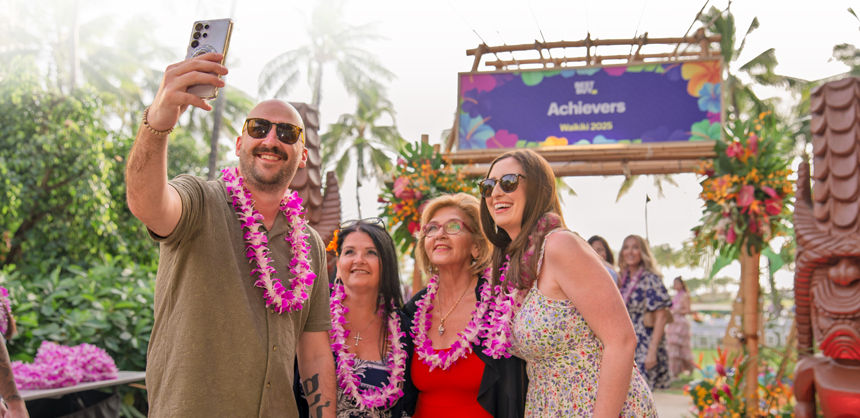
ROI has shifted from just building awareness to building relationships.
In recent years, corporate event sponsors have become far more deliberate about evaluating the business impact of their event participation. While virtual events that emerged during the pandemic introduced more granular engagement data, today’s event sponsors have largely shifted spend back to in-person events with higher expectations around lead quality and measurable outcomes. They are focused on supporting programs that consistently deliver the strongest post-event results. This drives the need for corporate event planners to prove the ROI of an event by providing unified, outcome-based measurements so sponsors can have reason to continue to invest in an event for years to come.
According to Cindy Villa, CMM, director of meetings and events at Transamerica, in Denver, CO, the way individuals connect and interact with one another has changed over the years, so too has the way companies conduct events — with ROI being top of mind for planners, sponsors and companies alike.
“Brand awareness was always front and center for sponsors in terms of visibility of logos, banners and possible involvement in agenda sessions,” says Villa. “Over the last couple of years, there has been an intentional change and focus on having access to leadership and sales teams with more networking opportunities that drive relationships. This, in fact, can then be converted to lead generation and overall impact to sales that is now trackable through metrics.”
Villa says it is important for planners to prove ROI to sponsors because it “demonstrates value, strengthens relationships, helps secure future sponsorships and can help set the event apart from others when there is a proven track record.”
Katie Smart, head of events at Best Buy Canada, says ROI is no longer just about where logos appear, it’s about the value of the connections sponsors can have with the team — whether that’s your front line staff that’s directly involved with their product or executive leadership that drives influential decisions that directly impact the partnership throughout the years.
“Sharing recaps that directly reflect the benefits of a sponsor help foster a long-term opportunity, as well as open the door for growth from that or other sponsors,” Smart says. “The sponsorship community will often talk amongst themselves. Larger sponsors that see benefits may influence those smaller sponsors that are curious about growing their presence in upcoming events.”
Wendy Porter is the chief event strategist at Wendy Porter Events, LLC., a Minneapolis, MN-based agency specializing in high-impact corporate events that drive trust, pipeline and measurable ROI. With more than 23 years in event strategy and over 1,300 events produced, Porter previously served as head of events for UnitedHealthcare Medicare & Retirement and now supports businesses nationwide as a fractional head of events. She is also the creator of SponsorLink, a service that helps both third-party organizers and sponsors evaluate opportunities, design meaningful activations and measure ROI. She was named one of the “100 Most Influential People in the Events Industry” globally for 2025.
As Porter explains, sponsors today prioritize data over other aspects. A decade ago, many were content with brand visibility and booth traffic.
“Gone are the days of platinum, gold, silver and bronze packages — or at least they should be,” Porter says. “Sponsors now seek evidence that an event can drive their business forward. They desire meaningful conversations, impacted pipeline, accelerated deals and engagement with the right audience … in short, measurable ROI.”
Today, Porter says, if a sponsorship package lacks strategies that lead to results, sponsors are uninterested. As organizers, corporate planners have had to adapt their offerings. Simply having signage and logos displayed is insufficient. Sponsors anticipate quantifiable outcomes and expect planners to assist them in capturing and articulating these outcomes. This shift has led to more personalized sponsorship packages and fewer standard tiered bundles.
Over the years, focusing on ROI has become increasingly important, says Emily Parsons-Walker, MS, CIS, event specialist at SITE in Chicago, IL. “Pre-Covid there wasn’t as much of a demand for people’s time, but as travel has come back and now exceeded where we were at, it is creating more demand on sponsors and the need to really make your event truly stand out against competition. I have not heard of an event that sells sponsorships that says ‘we are okay with where we are at.’ It is important to not only see return sponsorships, but you want to see sponsors come back and want to spend more each year.”

At the Best Buy Canada Achievers event last year in Hawaii, top sponsors were listed on signage used in a photo op, increasing recognition.
Tricks of the Trade
Validating ROI is crucial as it influences whether a sponsor will return. And when it comes to corporate events, there are key ways to track ROI that will illustrate the outcome of sponsorships.
“While I cannot calculate sponsors’ full ROI without access to their internal data, I can provide reliable engagement metrics and successful partner case studies to assist them in justifying their involvement,” Porter says. “Sharing data such as meeting quality, audience alignment, dwell time and past sponsor success stories enhances trust in the partnership’s value. This trust leads to contract renewals, increased investments and long-term commitments. Although I cannot ascertain their internal ROI, I can certainly make the decision to return convenient for them.”
Porter’s focus is on metrics that demonstrate genuine business value rather than superficial figures. These include influenced pipeline, lead quality and progression, engagement depth, meeting quality and content longevity.
“Today’s event tech platforms provide the necessary tools to collect, visualize and interpret this data effectively,” Porter says. “The key is to utilize this data to construct a coherent narrative rather than leaving it dormant in a CRM system.”
To validate ROI, Porter simplifies the event’s impact into a concise story that addresses sponsors’ three main inquiries:
- What did we invest?
- What happened?
- What business impact did it create?
For a major corporate client, Porter revamped the sponsorship report to focus on outcomes such as scheduled meetings with target prospects, quality of conversations, post-event follow-up, pipeline advancement and revenue attribution.
“It’s not just about the leads captured,” Porter says. “When you shift the reporting focus to business outcomes, sponsors immediately recognize the value, leading to increased renewals, expanded budgets and a more strategic sponsorship portfolio.”
Of course, ROI can be challenging to pull together in the events world in particular industries. As Villa explains, it’s important to first compare sponsorship revenue against event expenses. Secondly, creating KPIs that directly correlate value of event through collection of data with survey results is crucial. “Tracking RFP and sales pipeline would also be a key indicator of results,” Villa says.
When tracking ROI, Parsons-Walker likes to track ROI for sponsors through conversations with them, as each sponsor is going to have a different metric they are looking for, be that conversions, RFPs in hand or just scans.
“Tracking sponsors year-over-year and their overall sentiment is how I feel best to track ROI,” Parsons-Walker says. “This way of doing it also reinforces the human-to-human connection. For a more analytical standpoint, I like to look at year-over-year spend and involvement.”
Another way companies prove ROI is through testimonials. SITE recently started asking previous destinations, hotels and partners for their testimonials about six months to a year post conference with how it brought them business.
“We have had multiple testimonials from different sponsors that have booked business as a direct result of the conference — this is important for both the sponsor and the attendee,” Parsons-Walker says. “As an attendee, seeing testimonials like this is going to solidify reasons why they should invest time in going to the event.”
Porter sees the most common pitfalls surrounding proving ROI to sponsors include overemphasizing superficial metrics, relying on platform-generated numbers instead of defining appropriate metrics beforehand, insufficient early involvement of sales to align on goals, inadequate staff training, neglecting post-event follow-up and presenting overly complex reports instead of a clear, defendable narrative.
For incentive events, if logos are sponsored swag items, Smart also includes a total estimate of the hotel guests (outside of the hotel block) so the sponsor knows what the potential was for public visibility onsite.
“I also include exclusive/unscheduled time with leadership teams,” Smart says. “This often drives interest for our smaller sponsors to grow into larger sponsors for the coming years. Exclusive time is almost unheard of and our incentive event offers unique opportunities for this to happen outside of an office environment.”
Shannon Fouts, a project manager II for GoGather in Escondido, CA, stresses that sponsors have moved away from viewing ROI as a simple visibility equation. It’s no longer enough to say, “Your logo was seen by X number of people.”
“What we’re seeing now at corporate events is a deeper expectation that sponsorships tie directly to business objectives,” Fouts says. “At GoGather, we approach sponsorships with clarity as the starting point. Executive summaries and clearly outlined outcomes give sponsors a clear picture of how the event supports their goals. What matters most to them is the problem the event helps solve, rather than logo placement alone.”
This also means encouraging companies to speak with their sponsors about what the sponsors want to get out of the event. Sometimes, organizers assume it’s “sales, sales, sales,” but that may not always be the case.
“What does ROI actually look like to them? Is it getting one-on-one time with the attendees? Or a speaking session? Maybe they do want logo visibility around the show,” Fouts says. “Organizers need to understand this first so they can shape their prospectus to reflect these goals, while integrating the sponsor goals with the goals of the event itself.”
There’s also been a clear shift toward valuing experience as a driver of results. Sponsors recognize that when their dollars are tied to a thoughtfully designed experience, it leads to better conversations and more meaningful engagement … which ultimately creates better ROI.
“That might mean curated networking with the right attendees, structured one-on-one meetings, or activations designed to spark meaningful conversations rather than passive exposure,” Fouts says. “Content-driven moments matter too, like speaking opportunities or hosted discussions that position sponsors as credible partners, not background brands. What sponsors care about most is how people engage with them, not how many people see a logo.”
At GoGather, one of the principles they emphasize is framing sponsorships with an executive summary that explains the “why” behind the investment.
For example, at a recent corporate event, the top-tier sponsor was invited to exclusive VIP experiences, giving them direct face time with top franchisors and highly qualified leads who could introduce the sponsor’s products within their individual locations. These experiences included private events at the Sphere and a hosted golf outing in Las Vegas.
Looking Ahead
Events remain one of the most powerful channels for driving trust, relationship-building and pipeline. Porter points to multiple research studies in recent years that consistently highlight events as the number one marketing channel for both ROI and trust, which reinforces how essential they are to a company’s growth strategy.
“Events are no longer optional. They are a business imperative. But the key is doing them correctly,” Porter says. “That means using the right technology to measure results, investing in the appropriate budget and staffing, and designing experiences that align with clear business goals. If you are not going to do events right, do not do them at all. The risk to a company’s brand value and the cost of a poorly executed event are simply too high.”
As Fouts further points out, sponsors are under increasing pressure to justify spend, and events are being compared to channels that offer very clear reporting.
“What I do think will continue to evolve is how ROI is defined,” Fouts says. “There’s growing acceptance that experience plays a major role in driving results, which is why Return on Experience (ROE) is such an important part of the conversation. Sponsors want both measurable outcomes and meaningful engagement.”
Parsons-Walker says now more than ever sponsors are going to be focused on ROI — there are so many events out there to sponsor that they are going to have to truly weigh their options and where they will find the best ROI, not only on money invested but also time invested.
Looking ahead, Porter says focusing on ROI will undoubtedly remain front and center to corporate event sponsors. As she explains, sponsors must justify every expenditure, prompting them to demand clear, measurable outcomes due to budget constraints and high expectations. “This drives events to be more purposeful and aligned with business strategies,” Porter says. “Organizers who can exhibit value will secure long-term sponsor relationships, while those who cannot will face challenges.” C&IT