








Louisiana Turns Meetings Into Immersive ExperiencesJune 1, 2026
By Maura KellerLouisiana Turns Meetings Into Immersive Experiences
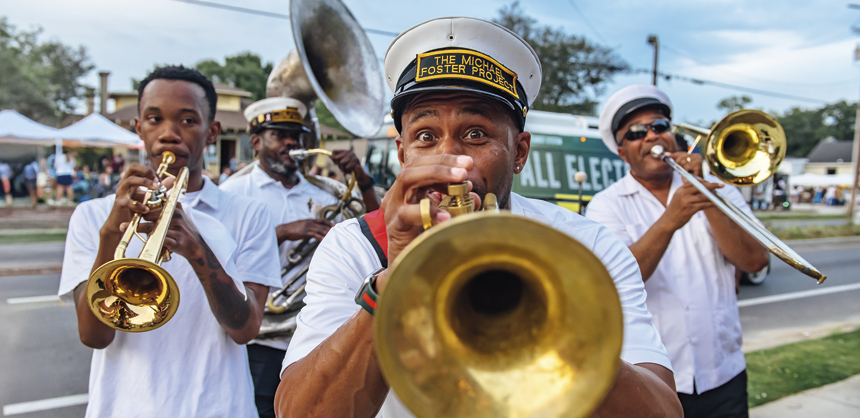
Parades like this one in Baton Rouge and New Orleans, are very popular in parts of Louisiana. Photo courtesy of Visit Baton Rouge.
Every destination claims to offer culture, cuisine and unique experiences. Louisiana genuinely delivers them. That distinction matters because attendees have become increasingly sophisticated about the difference between an experience manufactured for tourists and one rooted in the actual identity of a place.
In Louisiana, the music spilling from a neighborhood club is not performed specifically for convention delegates. Recipes served in longtime family restaurants, which often trace back generations, and the landscapes — from cypress swamps to riverfront cities — are entirely distinctive to the region.
That Louisiana authenticity has become increasingly valuable for meeting planners competing for attendee engagement and long-term event impact.
New Orleans
The moment attendees arrive in New Orleans, the city begins doing part of the meeting planner’s job for them, with brass bands drifting through the French Quarter, streetcars rattling beneath oak canopies and the scent of Creole cooking escaping from century-old restaurants.
For Maria Casanova, senior events marketing manager at Emburse in Dallas, TX, that immersive quality made New Orleans the right fit for the company’s upcoming convention.
“New Orleans was a natural fit for Emburse in Motion because the city mirrors how we design the event itself: to be dynamic, immersive and built around meaning and connection,” Casanova says. “Our goal is to create a three-day experience where learning, networking and real-world impact come together, and New Orleans makes that seamless.”
That seamlessness has become increasingly important as corporate planners move away from meetings that feel isolated inside hotel ballrooms and convention centers. Today’s attendees want opportunities to connect with the destination itself, whether that means discovering a neighborhood restaurant, listening to live music after sessions conclude or networking organically outside scheduled programming.
Casanova says the city’s walkability, cultural depth and infrastructure allow the attendee experience to extend far beyond the conference venue.
“It came down to a combination of accessibility, strong event infrastructure and the ability to deliver high-impact experiences within a compact footprint,” she says. “With our conference location at the Sheraton New Orleans and key venues like Sazerac House and Mardi Gras World nearby, we can create a cohesive attendee journey without heavy logistics.”
That integration between meetings and local experiences continues strengthening New Orleans’ appeal among planners. According to Stephanie Turner, Senior Vice President of Convention Sales & Strategies at New Orleans & Company, the city’s ability to blur the line between business and leisure has become one of its strongest advantages.
“New Orleans offers corporate planners a destination where the attendee experience extends well beyond the meeting room,” Turner says. “The city’s walkability, culture, culinary scene, live music and distinctive venues allow planners to create programs that feel immersive, energizing and uniquely connected.”
The Ernest N. Morial Convention Center remains one of the country’s premier convention facilities, while the city’s hotel inventory supports programs of virtually every size. Yet, planners consistently say the real differentiator is what exists outside the meeting rooms, particularly when it comes to the city’s culinary culture.
Shaped by French, Spanish, African, Caribbean and Cajun influences, New Orleans’ food scene creates countless opportunities for planners building attendee experiences around meals, cocktail receptions, chef-led events and neighborhood exploration. Dining became an even stronger draw following recognition from the 2025 MICHELIN Guide to the American South.
“Corporate groups can plan progressive dinners, private dining experiences, rooftop receptions, culinary tours or chef-led events that showcase the city’s celebrated food culture,” Turner says.
For Emburse, those culinary and cultural experiences became direct extensions of the conference itself rather than optional add-ons.
“We’ve designed our evening experiences to fully immerse attendees in the culture of New Orleans,” Casanova says. “Our welcome reception at Sazerac House introduces guests to the city’s iconic cocktail heritage, while our ‘NOLA Night Out’ at Mardi Gras World brings the energy of Mardi Gras to life with a second line parade, live music and behind-the-scenes access to the artistic craftsmanship behind the floats.”
“These aren’t just social events; they’re curated extensions of the overall conference experience,” she says.
That same philosophy extends throughout the city’s entertainment landscape, where music remains woven into daily life in a way few destinations can replicate.
“As a UNESCO Creative City of Music, New Orleans offers planners access to one of the most authentic live music experiences in the world,” Turner says. “Attendees can step out of meetings and experience live jazz, brass bands, intimate music clubs and historic performance venues throughout the city.”
Neighborhoods such as Frenchmen Street, the French Quarter and the Marigny continue supporting dine-arounds, networking events and evening entertainment that feel distinctly local rather than overly programmed, often creating the spontaneous attendee moments planners value most.
At the same time, planners are increasingly looking for ways to balance packed meeting schedules with wellness-focused experiences, and New Orleans offers far more flexibility in that area than many attendees expect.
“Groups can incorporate golf outings, fishing excursions, boating experiences and spa treatments, alongside wellness walks, yoga sessions and nature-based activities offered by the Audubon Nature Institute,” Turner says.
Venue selection has also become a critical component of creating immersive programs, with planners increasingly seeking spaces that reflect the city’s architecture, history and personality instead of generic ballroom environments.
“We intentionally selected venues that showcase the character of New Orleans,” Casanova says. “Sazerac House offers a deep connection to the city’s cocktail culture, while Mardi Gras World provides a behind-the-scenes look at one of its most iconic traditions.”
The event also includes a private Caesars Superdome tour, which Casanova says “gives attendees a unique perspective on large-scale orchestration and sports performance.”
Turner says planners are increasingly drawn to venues that combine architectural character with operational flexibility. Among the city’s standout event spaces are The Josephine, a reimagined church venue featuring a dramatic dome and courtyard; Latrobe’s, one of the French Quarter’s most architecturally significant event venues; and The MISI, a luxury riverfront space overlooking the Mississippi River. Historic boutique properties continue attracting planners as well, with Hotel Peter and Paul blending restored historic buildings with modern event capabilities, while venues such as the Saenger Theatre and Orpheum Theatre provide large-scale settings for receptions, performances and general sessions.
That emphasis on local immersion continues resonating strongly with attendees, according to Shannon Fouts, event operations manager at GoGather in Escondido, CA, who recently managed a 1,000-plus attendee corporate conference at the Hilton New Orleans Riverside.
“The evening event was honestly a highlight of the whole conference,” Fouts says. “We leaned hard into the New Orleans vibe with live music, casino games and a spread of locally inspired food. The freshly baked beignets and Mardi Gras king cake were crowd favorites.”
Rather than treating New Orleans as simply a backdrop for meetings, GoGather intentionally integrated the city’s personality into the attendee experience throughout the program.
“We made a real effort to bring the energy and personality of New Orleans into the space throughout the day, so attendees felt the city even before they went out to explore it at night,” Fouts says.
Once attendees ventured beyond the conference itself, planners found no shortage of compelling options for independent exploration. Among the most popular recommendations were swamp tours, Mardi Gras World, Jackson Square and food tours featuring gumbo, jambalaya, po’boys, crawfish étouffée and beignets. “Café Du Monde is an absolute must for beignets,” Fouts says.
Even with all of the destination’s cultural appeal, planners still emphasize the importance of logistics and accessibility when selecting meeting locations, and New Orleans continues performing well in both areas.
“New Orleans checks a lot of boxes,” Fouts says. “The airport offers strong airlift with easy in-and-out access, which matters a lot when you’re moving a large group.”
Still, infrastructure alone does not explain the city’s enduring appeal. “Beyond logistics, the city has an energy and personality that’s hard to match,” Fouts says.
That combination of accessibility, culture and attendee engagement has also helped position New Orleans as one of the country’s strongest bleisure destinations, with many attendees extending trips before or after conferences to experience more of the city on their own.
“New Orleans is a leading bleisure destination because the city seamlessly blends business and leisure travel,” Turner says. “Attendees can easily extend trips to explore the city’s food, music, culture and outdoor experiences before or after meetings.”
For Casanova, the city’s greatest strength may be that planners do not need to artificially create engagement opportunities because the destination already provides them organically.
“Design the event as an experience, not just a schedule,” she says. “In a city like New Orleans, you don’t need to manufacture engagement — the destination does a lot of that work for you.”
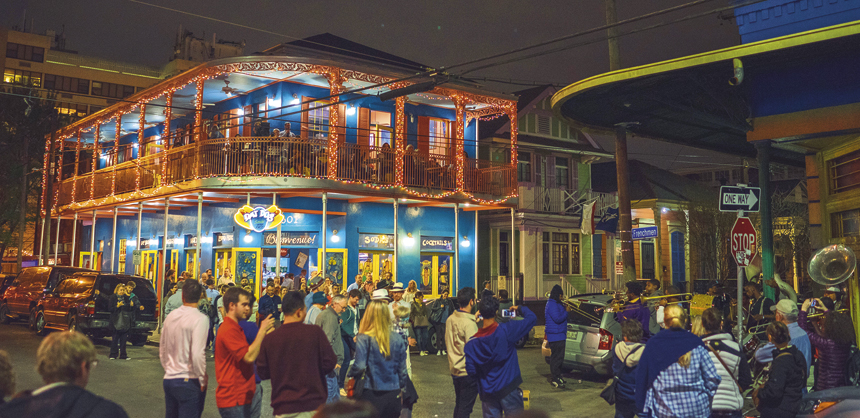
New Orleans’ French Quarter is a hub for live entertainment, culture and authentic restaurants. Photo courtesy of New Orleans & Company
Baton Rouge
While New Orleans often dominates conversations about Louisiana meetings, Baton Rouge has steadily built a reputation as a destination that combines accessibility, affordability and authentic local experiences. Louisiana’s capital city is frequently underestimated as a meetings destination, creating opportunities for planners willing to look beyond more traditional convention markets.
Baton Rouge offers strong hotel infrastructure, manageable airport logistics and a growing culinary and entertainment scene that encourages attendees to explore after sessions conclude. At the same time, the city’s smaller scale allows groups to navigate comfortably without the transportation challenges common in larger convention destinations.
For Laura Cating, senior vice president of marketing and communications at Visit Baton Rouge, much of the city’s appeal lies in how naturally attendees can move from conference programming into local experiences.
“There’s no better pairing than good food, great drinks and an inviting patio or rooftop view,” Cating says. “Especially when Baton Rouge offers mild weather nine months out of the year.”
That outdoor accessibility has become increasingly valuable as planners look for ways to create more relaxed networking opportunities, particularly along the Mississippi River and throughout the city’s expanding entertainment districts.
The Louisiana State University (LSU) campus remains one of Baton Rouge’s strongest meetings assets, with Tiger Stadium offering premium event spaces and behind-the-scenes tours, while a four-mile walking and biking path stretches from downtown Baton Rouge to LSU along the Mississippi River, giving attendees an easy way to explore the city between meetings.
Sports tourism has also become an increasingly valuable part of Baton Rouge’s meetings appeal because of the city’s strong collegiate culture.
“With two major universities in town, there’s always a collegiate sporting event on the calendar,” Cating says. “Football, gymnastics, basketball, baseball, track and more — there’s always a great competition to watch at LSU or Southern University.”
Downtown Baton Rouge has also undergone significant redevelopment over the past decade, resulting in a more walkable corridor filled with restaurants, bars, live music venues and entertainment districts.
“Tucked underneath Interstate 10, the Overpass District offers attendees a one-stop shop bustling with restaurants, bars and eateries,” Cating says. “Food is king in this area off Perkins Road near LSU.”
Beyond downtown, Mid City has emerged as one of Baton Rouge’s most vibrant cultural corridors, blending murals, boutiques, live music and eclectic dining into a highly walkable neighborhood.
“Mid City is the creative heart and soul of Baton Rouge,” Cating says. “It’s where a walkable, colorful and culture-packed neighborhood meets music, vintage finds and a food scene that is unmatched.”
Like New Orleans, Baton Rouge continues using food and beverage experiences to help planners create more interactive networking opportunities. Cooking classes and cocktail workshops have become especially popular among corporate groups.
“Learn how to cook a true southern meal from the professionals at Red Stick Spice Co.,” Cating says.
The city’s cultural assets also continue expanding, with venues such as the Capitol Park Museum and LSU Museum of Art increasingly hosting receptions and networking events that combine Louisiana history, art and panoramic river views.
“For a really wild event, head to the Baton Rouge Zoo,” Cating says. “The zoo offers catering, accessory rental options and even your own private animal.”
New experiential offerings are further strengthening Baton Rouge’s meetings profile. Baton Rouge Cruises now offers private events and dinner experiences on the Mississippi River, while Oxbow Rum Distillery provides tours, tastings and event space downtown. Groups looking for more active entertainment increasingly incorporate Red Stick Social into itineraries, allowing attendees to combine bowling, pickleball, live music, food and drinks in a single venue.
Lafayette
If New Orleans delivers high-energy immersion and Baton Rouge offers accessibility and balance, Lafayette appeals to planners seeking something more intimate and deeply rooted in regional identity.
Lafayette is not attempting to replicate New Orleans, and that is precisely what makes it compelling. Cajun culture remains central to everyday life here, shaping everything from the language and music to the food and community traditions.
For planners seeking authentic cultural experiences, Lafayette offers one of the South’s most distinctive attendee environments. Festivals such as Festival International de Louisiane and Festival Acadiens et Créoles transform downtown into celebrations of music, food and culture, although the city delivers meaningful experiences year-round.
Downtown’s Jefferson Street corridor is lined with music venues where Cajun and zydeco bands perform regularly, giving attendees easy access to authentic local entertainment after meetings conclude. Dance lessons paired with live music dinners have also become increasingly popular team-building activities because they encourage participation regardless of corporate title or hierarchy.
Beyond downtown, the surrounding Atchafalaya Basin provides another major draw. As the largest swamp in the United States, the Basin offers opportunities for kayaking, fishing, airboat tours, birdwatching and culinary excursions that immerse attendees in Louisiana’s natural environment.
Lafayette’s smaller scale does require some planning considerations because hotel inventory is more limited than in New Orleans or Baton Rouge, making the market best suited for smaller groups, executive retreats and incentive programs. Yet, many planners see that intimacy as an advantage rather than a limitation because attendees are encouraged to engage directly with the community itself instead of remaining insulated inside conference facilities.
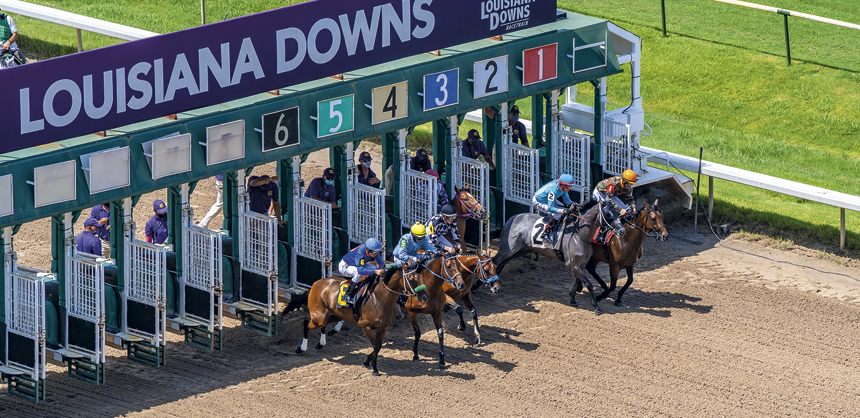
Louisiana Downs, in Bossier City, offers horse racing action and more than 26,000 sf of meeting and event space. Photo courtesy of Visit Shreveport-Bossier
Shreveport-Bossier
In the northwestern corner of Louisiana, Shreveport-Bossier offers yet another interpretation of the state’s meetings landscape. Located along the Red River, the destination continues surprising planners who arrive with limited expectations.
While casino resorts remain central to the market’s meetings infrastructure, the attendee experience now extends well beyond gaming, combining entertainment, arts, outdoor recreation and riverfront development into a meetings package that feels distinct from southern Louisiana.
The Robinson Film Center contributes a sophisticated arts and cinema culture, while the Shreveport Regional Arts Council supports galleries, public art installations and performance spaces that can easily be incorporated into private events and networking functions. Meanwhile, the Red River District has evolved into a lively corridor of restaurants, breweries and live music venues that gives attendees a concentrated entertainment area to explore independently after meetings conclude.
Outdoor experiences also continue distinguishing the market. Cross Lake and the Red River provide fishing and recreational opportunities, while nearby Caddo Lake offers one of the South’s most visually striking natural environments, with cypress swamps draped in Spanish moss creating a landscape unlike most traditional corporate destinations.
At the same time, the area’s casino resorts and hotels, such as Bally’s Shreveport Casino & Hotel and Horseshoe Bossier City, continue providing planners with significant operational advantages, including substantial meeting space, large hotel inventories, built-in entertainment and simplified logistics for larger groups.
Taken together, Louisiana’s meetings destinations offer planners something increasingly difficult to find elsewhere: experiences that feel genuinely connected to place. Whether attendees are listening to jazz in New Orleans, exploring riverfront districts in Baton Rouge, dancing to zydeco in Lafayette or discovering the arts scene in Shreveport-Bossier, the state consistently delivers meetings that feel immersive rather than manufactured.
For Casanova, that authenticity is what ultimately leaves the strongest impression on attendees long after an event concludes.
“Design the event as an experience, not just a schedule,” she says. “In a city like New Orleans, for example, you don’t need to manufacture engagement — the destination does a lot of that work for you.” |C&IT|