






Unique Ways To Incentivize Your TeamApril 1, 2026
By Kathy MonteUnique Ways To Incentivize Your Team

Brightspot Incentives & Events offered an incentive trip to the National Palace of Pena in Portugal, including a private tour and three-course dinner.
In the evolving world of rewards and recognition, incentive travel continues to stand out as a high-impact way to motivate employees, sales teams and channel partners.
The 2025 Top Performers Study from the Incentive Research Foundation shows that while non-cash rewards broadly support engagement, travel rewards remain a cornerstone for organizations aiming to drive performance, build loyalty and reinforce company culture. For top-performing companies, incentive travel is not a one-size-fits-all perk. It’s a carefully designed tool integrated into broader recognition strategies.
Top organizations differentiate themselves through accessibility and aspiration. Many programs allow participants to start earning rewards quickly, creating early momentum, while reserving higher-value trips for those who exceed goals. This tiered approach keeps participants motivated across performance levels and ensures that travel remains a coveted, aspirational incentive.
High-achieving companies also invest strategically in higher-value trips. The average sales incentive travel reward for top performers is valued at about $4,000, with top-tier trips exceeding $8,600, compared with lower-value travel among other companies. These higher-value rewards reinforce achievement and create lasting emotional impact.
The study underscores that incentive travel is most effective when it is thoughtfully planned, strategically aligned and perceived as meaningful by participants. By balancing inclusivity with aspirational rewards, investing in experiences with real value, and leveraging technology and expert partners, top-performing companies make incentive travel a powerful driver of engagement, loyalty and long-term business success.
“When it comes to incentives, we are seeing a lot of bucket list requests. Clients and their participants are looking for wow moments they couldn’t get on their own. As one example, we recently partnered with a client on a dual destination incentive in Stockholm and Iceland. Rather than just standard group dinner functions or tours, the group took speedboats to the harbor in Iceland and spent the day in the Archipelago at an exclusive midsummer night BBQ. In Reykjavik, we held a Golden Circle Tour which featured a day of exploration in Iceland’s National Park and a private lunch buffet on a glacier,” says Emily Laufgraben, senior market insights manager at Maritz in St. Louis, MO. “This was a very high-end incentive, clearly. But even for groups who don’t travel this far off the beaten path, we see desire to reinvent familiar destinations or experience them through a new lens — whether that’s unique venues, archaeological sites or culinary experiences.”
Approximately 91% of incentive travel buyers agree these experiences play a crucial role in building engagement and company culture, according to the Society for Incentive Travel Excellence (SITE).
“A successful incentive travel program is more than a reward — it’s an experience that could last a lifetime. The perfect destination sets the stage, luxury accommodations elevate the experience and a thoughtful gifting strategy adds personalization,” says Rudy Garza, president and CEO of Brightspot Incentives & Events in Irving, TX. “The true magic happens, however, when senior leaders are present to recognize achievement, when attendees have time to rest and recharge, and when the itinerary allows for authentic cultural immersion. That balance of inspiration, appreciation and authenticity is what turns a trip into a lasting memory.”
There are ways to make the investment more effective. “A well-planned communication drip campaign in the months leading up to the trip can fuel motivation and drive performance as participants strive to earn their place,” says Garza. “A purposeful gifting strategy adds anticipation and excitement along the way, building emotional connection before departure. And just as important, post-trip communication and gifting create a powerful halo effect — extending the sense of recognition and inspiration long after the journey ends.”
How does Brightspot Incentives & Events do this? “We do this with several of our clients — building anticipation through monthly newsletters that introduce the destination over time, mailers that include puzzle pieces eventually revealing where they’re headed, postcards that showcase the trip logo and highlight unique local experiences, or ‘getting to know you’ surveys to help personalize onsite gifting. Every teaser or touchpoint is designed to spark excitement and a little healthy ‘FOMO’ — motivating potential participants to earn their spot on the trip,” says Garza.
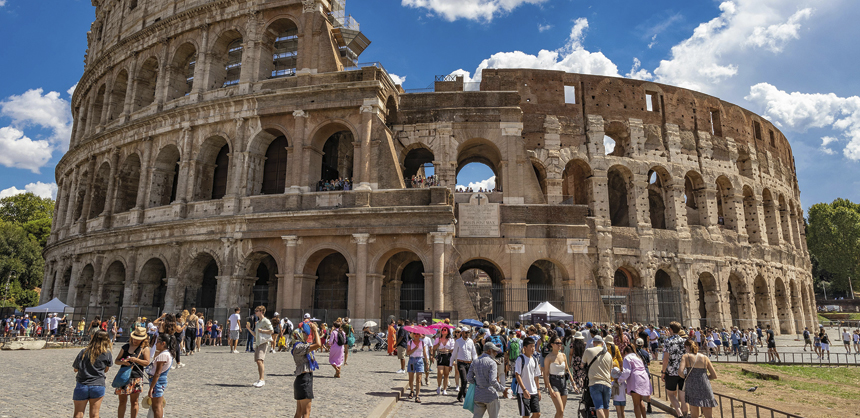
Pivoting when circumstances shift is essential when planning an incentive trip, something that ADI Meetings & Events needed to do when the Pope’s passing changed their plans during an incentive trip to Rome.
A Successful Incentive is More Than Just a Trip
“Top performers don’t just want a trip, they want to feel seen, celebrated and valued. Incentive travel succeeds when every detail tells them, ‘You matter.’ That emotional impact is what turns a reward into motivation that lasts long after they return home,” says Terrie Rickard, senior vice president of commercial strategy & partnerships at ADI Meetings & Events in Scottsdale, AZ.
There is no more powerful way to motivate than with a travel incentive, but the true test of success goes far beyond a beautiful destination and a great hotel. “A successful incentive program should create an experience so meaningful, so seamless and so elevated that participants walk away feeling recognized, inspired and deeply connected to the organization,” says Rickard.
Rickard adds that four pillars consistently drive this level of impact at ADI Meetings & Events. The first is emotional exclusivity. “Top performers don’t want a standard vacation — they want access, personalization and moments they could never buy on their own. When they say, ‘I couldn’t re-create or pay for this experience,’ that’s the ultimate validation,” says Rickard.
The second is resilience and excellence in delivery. “Even the most beautifully planned incentive program is only as strong as the ability to pivot when circumstances shift. We delivered a 500-person incentive in Rome during an unprecedented moment: the day our guests arrived, the Pope passed away,” says Rickard. Rome’s city infrastructure shifted overnight as the Vatican closed, canceling all scheduled private tours. In addition, major roads and landmarks shut down for the funeral and procession, tourist access was heavily restricted, and security protocols changed hourly.
“Our team worked around the clock with local partners to re-engineer experiences in real time by securing alternative cultural activities, reorganizing access to iconic venues such as the Colosseum and encouraging guests to embrace the historical moment. What could have been a disappointment instead became a testament to agility, creativity and guest care,” says Rickard. “Incentive excellence isn’t about avoiding challenges. It’s about rising above them. When Rome came to a halt during the Pope’s passing, our ability to reimagine experiences in real time created an even stronger sense of care, exclusivity and appreciation. That’s the real power of incentive travel.”
The third pillar is to surprise, delight and elevate. “Including unexpected entertainment and over-the-top décor at evening group events, providing unique hands-on cultural experiences like a Roman cooking class and gladiator demonstrations — the magic often lies in moments that surprise and delight. Thoughtful, unexpected touches and curated ‘wow’ moments reinforce the feeling of exclusivity and achievement,” says Rickard.
The fourth is that human recognition and emotional connection are vital. “Ultimately, incentive travel is about making people feel seen. When guests tell us, ‘You made me feel like a VIP,’ ‘Every aspect exceeded expectations — the entertainment, décor, energy and personal touches,’ ‘Our original excursion was canceled — and the replacement experience was even better’ … that’s when we know the program worked,” says Rickard.
“Incentives succeed when they move beyond logistics and become a story — a story participants will retell with pride. Travel isn’t just a reward; it’s a sign of trust, value and belonging. In today’s performance-driven environments, that emotional resonance is what fuels loyalty, effort and lasting engagement long after the bags are unpacked,” says Rickard.
VIP Experiences as Part of the Reward
The most successful incentive programs combine multiple approaches, mixing short-term recognition with long-term development opportunities. By focusing on personalization, meaning and emotional connection, rather than monetary value, organizations can create incentive programs that motivate employees while building stronger, more engaged teams.
Effective incentivization is an ongoing process that requires regular evaluation and adjustment. The key is understanding your team’s preferences and values, then creating diverse opportunities for recognition that make every employee feel appreciated for their contributions.
According to a Bersin & Associates study, organizations with effective recognition programs promoting employee engagement had 31% lower voluntary turnover.
Boosting morale isn’t enough. Well-being should also be prioritized. Resorts that work best offer it all — accommodations, activities, wellness and spa experiences.
Successful employers understand that recognition is essential for creating a supportive, inspiring workplace.
The future of employee recognition is personalized, holistic and tightly woven into company culture. Recognition for employees isn’t just an extra perk anymore; it’s essential for a workplace to flourish. Now, a basic bonus or a generic “good job” isn’t good enough. Treating everyone the same when it comes to rewards is outdated. Employees now want recognition that’s personalized to them.
By leveraging behavioral science, organizations can better understand what motivates employees and how recognition drives desired behaviors. Behavioral science examines how people make decisions and what factors influence their actions. This insight helps organizations design recognition programs that resonate on a deeper level, addressing intrinsic motivations such as autonomy, competence and connection.
For example, behavioral science can guide organizations in offering choices that align with individual preferences. Whether it’s providing options such as gift cards, experiences like spa treatments or adventure activities, or additional time off, personalized rewards demonstrate a genuine effort to acknowledge and appreciate employees’ contributions.
The Takeaway
Personalization isn’t just a trend — it’s the future of employee recognition. By offering choices and catering to individual preferences, organizations create a more engaged and motivated workforce. This translates to higher productivity, lower turnover and a culture where employees feel valued and appreciated.
While companies are all battling for talent, implementing robust recognition programs can be a game-changer. People have more choices than ever. If they don’t feel valued where they are, they won’t hesitate to explore greener pastures.
This year’s recognition trends focus on creating authentic cultures of gratitude that align with employees’ values and needs. It’s an opportunity for organizations to experiment, get creative and modernize their appreciation strategies. C&IT