







Gimme a BreakApril 1, 2026
Respites To Recharge Can Be A Big Boost For Meeting Attendees By Zach ChouteauGimme a Break
Respites To Recharge Can Be A Big Boost For Meeting Attendees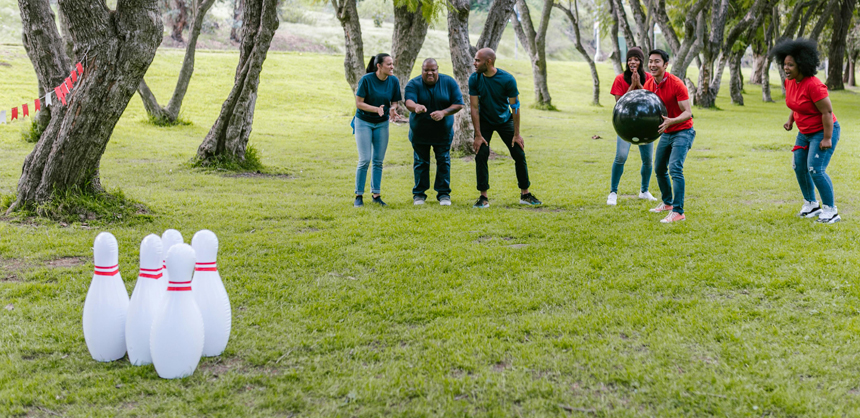
Let’s face it: today’s attendees arrive at events with high expectations. They want top-quality cuisine, purposeful programming and seamless execution — and those standards also extend to what occurs between the event’s main agenda highlights. If breaks are mired in the era of lukewarm coffee urns and mismatched couches, planners risk missing out on a vital opportunity for engagement and renewal.
Modern breaks serve as micro-experiences. In just a few minutes, they can reinforce learning, create community, ignite creativity or simply recharge depleted attendees. Yet, planners must simultaneously navigate tight schedules and tighter budgets, leaving them on the lookout for ways to create impact without disruption or excess expense.
To uncover some current effective strategies, we turned to four seasoned experts representing different corners of the events world. Their ideas — spanning physical wellness, social connection, culinary creativity, purpose-driven moments and clever cost-savers — show that there’s no single formula for a breakthrough break. Instead, the most effective respites are usually those that complement event objectives, honor attendees’ needs and infuse a bit of surprise into the day.
Below, we explore the biggest themes shaping break design today, backed by insights and real-world examples from our expert sources.
Breaks With Purpose — Not Pause
The growing consensus among planners is that breaks are no longer mere intervals between ‘real’ content, but potentially important elements of the event themselves.
Elyse Stoner, DES, co-founder of Event Advisors, identifies this shift toward intention as the biggest trend she sees with break sessions.
“We are seeing and encouraging breaks that are purposeful; activities that tie into the event theme, content or personality of the attendee avatars,” says Stoner. “The hottest trend isn’t wellness or play — it’s purpose.”
Her perspective aligns with research showing that small bursts of purposeful movement or reflection can directly improve learning and retention. As she notes, “Research from Stanford University shows that movement boosts creative output, because when you increase heart rate, you pump more oxygen-rich blood to your brain. Neurotransmitters get released, improving focus and mood.”
Purpose also shapes flow. A break shouldn’t feel tacked-on, Stoner argues, but woven into the event’s emotional arc.
“Think about the attendee experience,” she remarks. “Memorable breaks need to feel like part of the event. Keep breaks simple, match the energy of the moment, as a transition from what just happened to what’s happening next.”
At one of her recent events, she designed a “grounding moment” before a keynote, creating a mindful pause to help guests “settle in and be ready to learn.”
Devon M. Pasha, emcee and chief experience officer at DMP Creative, echoes the idea that breaks require intention — not improvisation.
“The advice is to treat the break as a core part of the Run of Show and not an afterthought,” she explains. “A well-designed break should always activate the audience for the next session.”
Pasha emphasizes that strategic breaks provide energy rather than draining it: “The strategic trend is ensuring that the break time adds meaningful energy and presence back to the attendee.”
Sharon Fisher, CEO of Play with a Purpose, sees this shift as a merging of two event elements once kept strictly divided: education and engagement. “One of the biggest trends in meetings is what we call ‘Undividing the Great Divide.’ In over 95% of meetings, education and engagement never meet. We tend to think of engagement, networking, community building, et cetera, as things that happen outside of the education piece of the meeting. These two things have to blend together — and slowly are — in order to get maximum value from each.”
From Fisher’s perspective then, a break can reinforce learning, deepen community and elevate energy when designed with intent.
Movement, Wellness & Resetting the Nervous System
Wellness has grown from a trend into a baseline expectation — and today’s wellness-focused breaks often go beyond fruit-infused water or stretch bands.
Pasha mentions low-key but impactful reset opportunities: “I’ve also seen breaks for somatic breathing to reset the nervous system, and guided walks out of the ballroom as a refresh and access to natural light.”
This kind of “nervous system hygiene” can be particularly helpful during multi-day events abundant with cognitive input or emotional content. Just a few minutes of slow breathing can sharply improve focus, lower stress and re-engage learning enthusiasm.
A related trend is simply providing attendees space to breathe, both physically and mentally. Pasha puts value not just in the activities but in the opportunity for organic conversations and natural connection: “I think they are leaning toward space and time for spontaneity. It’s the hallway conversations that bring a lot of joy, resonance and connection.”
Fisher, likewise, sees outdoor time as increasingly invaluable. “The second big trend we are seeing is taking breaks outdoors,” she says. “From setting up Labyrinths to making ice cream to just soaking up some vitamin D, being in nature is refreshing.”
Even little moments — 10 minutes in sunlight, a quick stroll or a chance to breathe fresh air — can raise the productivity of the next planned session.
Stoner’s experiences also reinforce the impact of movement, whether intentional or incidental. In the expo hall or around campus, she suggests offering “light movement — even if it’s walk through the expo hall or a massage chair option.”
Freelance Event and Travel Manager Jill Birkett suggests human touchpoints as well.
“A wellness trend is adding a few massage chairs, a couple of massage therapists to give three-minute neck/shoulder massages to attendees who have been sitting for a while,” she says.
As meetings wellness expands to include nervous system care, mental clarity and physical reset, planners are increasingly viewing movement during breaks as part of the event experience, not just an add-on.
Interactive Play & Creative Sparks
Breaks that spur lighthearted play can boost the brain and help attendees bond in low-pressure ways. The secret is encouraging movement, give and take and easy natural connection; forced participation or overcomplicated instructions are pitfalls to avoid here.
A creative event offering from Pasha illustrates this perfectly. “I called it ‘Strategic Hydration Games,’ where the attendees were given red beverage cups and encouraged to hydrate with water during our breaks in a socially competitive way. They essentially played drinking games, and they loved it. The key was that it injected a touch of kinetics and presence into a routine activity.”
Such small, whimsical happenings can bring attendees into the moment, lighten the tone and reenergize the brain.
Fisher’s experiential play concepts aim to boost interaction to the next level. Her most popular current engagement activity is “Walk the Walls,” a free-flowing experience that sparks learning through movement and conversation.
“One of our hottest trends is an engagement we call ‘Walk the Walls.’ These activities are fun, interesting, and the best part … interactive. Their goal: create fresh conversations and spark new ideas for participants.”
She shares a favorite variation: “Guests leave the meeting room to find white walls scattered around the break area. They grab a snack and choose a board. The boards can be pre-populated with discussion ideas, or a passionate guest can commandeer one and start their own discussion. Capture the ideas and conversation points on the board. Change boards whenever you feel like it.”
This strategy appeals to numerous audiences, including introverts, extroverts, reflective thinkers and those who prioritize meaningful conversation over chitchat. Fisher notes that one of the most impactful places to include ‘Walk the Walls’ is after a general session, as it reinforces keynote content in real time.
Fisher’s spirited inventiveness extends to the outdoors as well, with one example known as ‘Nature’s Scoop.’
“Guests gathered in teams and decided on a flavor of ice cream to make for their team,” she explains. “Using our portable ice cream makers, they walked and talked while making sure to keep the ice cream circulating. We gave them specific topics to help create authentic conversation, then let the talking and tossing begin! Then they came back and made custom sundaes.”
Activities like these bring pure enjoyment while also empowering deeper learning and valuable networking.
Community Connection & CSR
Community impact has long been part of modern meeting schedules, but CSR is increasingly being integrated into breaks rather than a separate activity. The goal is encouraging meaningful contribution without requiring a planned calendar slot.
Fisher calls CSR-infused breaks still very popular, particularly when they are “free flow activities where guests can sit for a few minutes, contribute to a cause and have a conversation with another guest.”
She shares examples that suit a range of movement levels and time commitments: “Everything from stuffing bears, creating STEM kits, tying blankets and flying paper airplanes gives back while adding community building to the meeting.”
Pasha also mentions another easy and fun CSR favorite: adoptable pets. “Puppies always bring joy and reduce stress, and local shelters are almost always willing to bring in adoptable pets for a brief, high-impact appearance.”
These types of offerings instill emotional uplift, social connection and goodwill — all significant returns for attendees and hosts alike.
Stoner’s model of ROM — Return on Moment — also embraces community connection. In her matcha-bar team-up with two local businesses, for example, she saw instant resonance.
“By working with local vendors, we created a break that felt personal and place-specific,” she says. “And the café appreciated the immediate uptick in foot traffic from the discount cards we handed out. It was a small, thoughtful moment that delivered real ROM outcomes for both the group and the partners involved.”
These CSR moments elevate everyday breaks into group experiences that champion not just attendees but the surrounding community.
Small Bites, Big Impact
Food has always been a part of breaks, but today’s approach tends to be much more curated. Attendees now anticipate originality — but also simplicity, portability and sensitivity to dietary preferences.
Birkett stresses practical considerations first and foremost: “Often forgotten, break items should be bite-sized and ideally nothing with something like sauce. Most attendees will be standing, possibly a beverage in hand. Messy items or large pieces are not conducive to easy pickup and go.”
But practicality doesn’t have to be boring. She suggests personalized self-assembly options such as plain yogurt with some bowls of enhancements, as well as refreshing choices like sliced melon bites.
Birkett also hails local flair and seasonal relevance: “Watch for local or national activities which can lead to theming a break such as during the baseball playoffs: hot dogs, popcorn, stadium decor.”
A location’s outdoor climate can also inform menu design. In warm environments, she suggests “old-fashioned ice cream carts/mini-trucks” or light, hydrating items. In colder environments, Birkett leans toward interactive warmth, such as arranging alfresco fire barrels so guests can make s’mores. “It’s interactive, fun for the attendees.”
Stoner’s matcha bar also exemplifies location-based food fun. “It was simple, original and rooted in the community — exactly what we aim for when designing small-scale experiences with big impact,” she remarks.
These kinds of food-centric moments can spur conversation just as easily as formal networking activities.
Connecting via Curiosity & Conversation
Not every effective break needs physical activity or a complicated setup. Sometimes, a good question is the only ingredient necessary.
Pasha mentions a low-cost, big-payoff strategy here that provokes plenty of sharing among attendees. “A low-budget but high-impact approach is leveraging curiosity as connection to build the narrative of the event,” she says. “This includes placing large, thought-provoking questions or fun polls around the break area that encourage small group discussion and spontaneous connection.”
Everyday items can even become conversation-drivers. “We can apply this idea simply by using the coffee cups on the break table. Assign certain questions or topics to color-coded cups, so people can quickly connect over common ground.”
These approaches are perfect for less-outgoing attendees — and for events that want to nurture relationship-building without forced icebreakers.
Fisher’s “Walk the Walls” follows a similar logic of structure that spurs spontaneity.
Meaningful connection rather than small talk is the payoff; and breaks provide a unique window for creating it.
Scalability, Inclusivity & Knowing Your Audience
Even a wildly innovative break can miss the mark if it’s not a suitable match for its audience. Accounting for eclectic personalities, backgrounds, industries and comfort levels requires thoughtful optionality.
Stoner stresses this above all: “Know your attendees. Know what gives them energy and what doesn’t. Offer multiple opportunities, so guests can select what works for them — a reflection/ introvert option and a networking/ extrovert option for example.”
Pasha echoes the sentiment that alignment is crucial: “I think that’s all in the design of the event and understanding the goal of the break. If you understand the ‘why’ of the experience, it’s easier to scale. However, not all break activities are right for every group.”
Inclusivity and energy level go hand-in-hand. And Fisher suggests keeping activities “simple to understand so you don’t have to give too many directions,” as well as matching intensity to the moment: “Calming? Energetic? Thoughtful?”
Accessibility goes beyond physical needs; it also takes social comfort into account. Fisher’s guidance for effective break activities: “Make them optional and let attendees choose whether to participate or not. Keep high energy/high noise activities in a separate location so those that want to talk, can.”
Birkett advises demographic sensitivity as well: “If you have a particular age or sex demographic be aware and ask the venue what that demographic likes best.”
The ultimate common denominator is empathy — comprehending who your attendees are, their needs and wants, and how breaks can support that without intruding on them.
Budget-Friendly Brilliance
A smartly designed break doesn’t require a large budget. Innovation is what elevates a routine experience into a memorable one.
Pasha’s curiosity prompts are practically free, but highly effective, for example. Her hydration games simply require red cups and a little structure. His adoptable-pet moments rely on community goodwill not major expense.
And Fisher’s CSR ideas rely on inexpensive craft materials and donated items. “Stuffing bears … tying blankets … flying paper airplanes” can all be sourced affordably while delivering emotional value.
Stoner’s matcha bar was a hit because it energized local partnerships, not due to big spending. She sees major value in “small-scale experiences with big impact.”
Birkett also shares a shrewd budget tip that planners often overlook: “Save money on the budget by asking if there is another group in-house having a break around the same time and can you either (A) join with them (to beat minimums for small group food service) or (B) use their same menu and get a slight discount by doing so.”
As costs keep rising for F&B, labor, room rentals and other expenses, these creative workarounds help maintain a high-quality attendee experience without busting the budget.
Seamless Event Flow Integration
The final frontier of crafting impactful breaks is timing and flow. A break should strive to refresh attendees — not derail meeting momentum.
Fisher prompts planners to reimagine how breaks fit into a function’s broader educational experience. “My initial comment is, how can anything that helps promote conversation and education — still the two main reasons people come to meetings — not be considered something that fits in the flow of an event?”
Her short list for smooth break integration includes:
- Keeping activities short.
- Allowing attendees to “flow in and out.”
- Separating high-energy zones from quiet ones.
- Ensuring breaks reinforce content, not distract from it.
Stoner echoes the sentiment that transitions matter deeply; breaks aren’t interruptions, but arcs within the meetings journey that balance the other elements of the event experience.
Pasha reiterates this operational approach of never treating breaks as an afterthought. Embed them in the agenda with intention and clear purpose: “A well-designed break should always activate the audience for the next session.”
The Final Word: Breaks Serve as Experiential Opportunities
The modern corporate meeting attendee is discerning, busy and often overworked. Breaks present a rare chance to reset, reconnect and recommit to the event’s purpose and goals. What planners once thought of as simple open downtime has evolved into a canvas for connection and creativity.
The experts we touched base with agree on a core set of principles:
- Make breaks purposeful not passive.
- Infuse physical movement when possible.
- Design for various energy levels and social styles.
- Leverage the local culture and community.
- Keep things straightforward, inclusive and optional.
- Above all: integrate breaks into the fabric of the broader experience.
When handled strategically, breaks become catalysts that can turn ordinary meetings into memorable experiences that hold meaning long after the final session. Attendees don’t just recall charismatic keynotes or provocative panels — they remember how the event felt moment to moment. Breaks, more than almost anything else, have the potential to energize that feeling. C&IT