








Engaging & Energizing Today’s AttendeesApril 1, 2026
By Maura KellerEngaging & Energizing Today’s Attendees
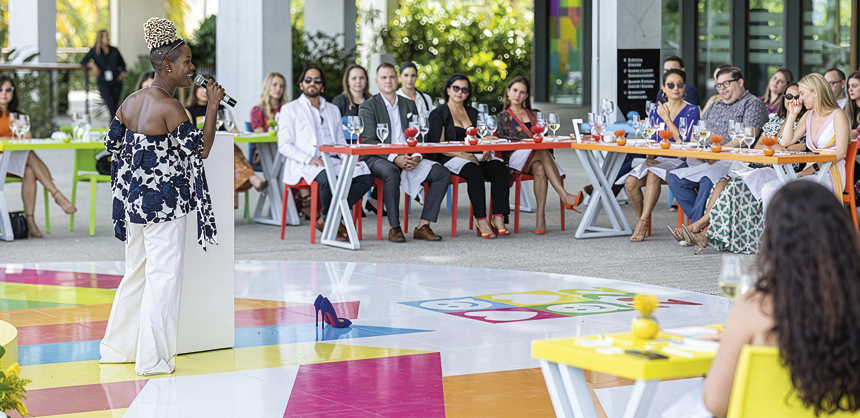
Everything from the speaker to the table placement and design can help to keep attendees engaged. Photo courtesy of Chris Weinberg Events
Attendees at today’s corporate meetings and events are looking for gatherings that boost morale, strengthen networking, enhance learning, and leave them inspired and feeling positive and energized.
Marissa Gonzalez, director of event production and implementation at GlobalMeet, says when planning corporate meetings and events that leave attendees “wanting more,” the concept of “energizing attendees” is critical because engagement directly impacts the return on investment for an event.
“Energized participants are more likely to absorb content, connect with peers and leave with a sense of excitement that translates back into their work,” Gonzalez says. “Over the last few years, the focus has shifted from simply delivering need-to-know information to creating experiences attendees will remember. Today, audiences expect events to feel engaging and inspired, regardless of whether the event is in-person, virtual or hybrid. The goal has evolved from keeping people in their seats to giving them a reason to lean in with great content for a connected community.”
Gina Boos, CMP, CIS, senior program manager at Bishop-McCann, wants to keep attendees energized during an event because that keeps their engagement and their excitement up. “Conferences can be long days and a lot of time indoors, but even incentives can run the risk of draining attendee energy if they are over-scheduled without a focus on keeping energy up,” Boos says. “Energy equals focus, engagement, joy… it’s what fuels the attendee throughout the conference so all the details we plan are not missed.”
Post-COVID Boos says there has been an even larger focus on keeping attendees energized from beginning to end. “The desire to engage attendees in person means even more, so the stakes are higher for planners to think of the agenda, schedule and moments that create that energy for attendees,” Boos says.
Consider how to energize attendees from the moment they enter the venue and come to registration through the minute they leave the event. Meeting planners can sometimes get into a habit of focusing on the big pieces of the conference once it has kicked off, but starting from the beginning will allow attendees to feel the energy and excitement up front.
“Think of their experience when they enter the venue — what and who is greeting them? Signage or branding near the entrance is a great way to welcome them from the start. When they head to check-in/registration, make sure it is set up bold and welcoming. All staff should be greeting with energy and smiles,” Boos says. “We love to add music to our registration area to engage more of the senses — making sure it is upbeat and gets them ready for a great experience. Music can be a key element in creating energy throughout the day. We often incorporate upbeat music in a trade show — low enough so important conversations can happen, but still loud enough that people hear that beat and maybe even add some pep to their step.”
The Bishop-McCann team had a lot of fun several years ago with a user conference’s morning coffee breaks. Obviously, caffeine is a way to energize attendees and get them ready for the day, but its typically just a buffet line to wait for your cup of joe.
“We decided to create long communal table stations with different coffee varieties; think black coffee drinks in one section, non-dairy in another section, sections for vanilla lovers or caramel. Once they found their preferred coffee section, there were conversation starters on table tents to get folks talking,” Boos says. “Some were coffee related, and others were business related. And instead of everyone filing out of the meal room after coffee with cup in hand and face in phone, they were leaving with new friends in conversation and an energy to go get started on the first breakouts.”
Coffee breaks may be a way to get people feeling ready to go in the morning, but it will take more than that to keep attendees engaged throughout the day. It is important to look for different ways to keep them interested throughout the event.
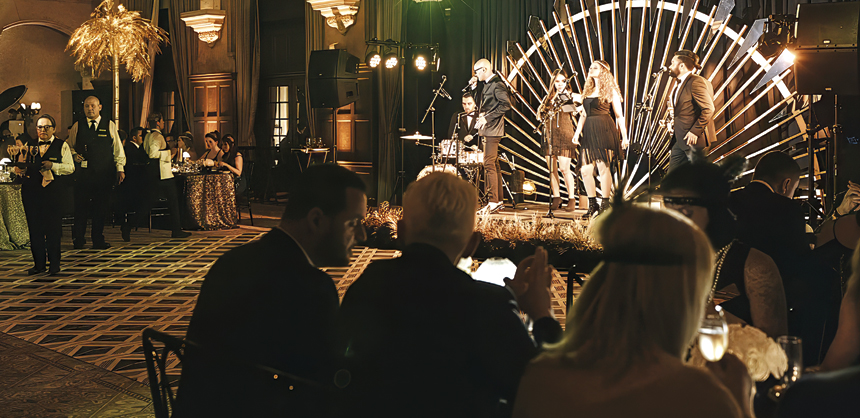
Attendees enjoyed a live band, dancing, a photo booth, caricature artists and a cigar station at this gilded Art Deco event. Photo courtesy of Chris Weinberg Events
Techniques To Employ
At Chris Weinberg Events, founder and chief experience officer Chris Weinberg’s goal is always to design experiences that leave attendees feeling more energized when they walk out than when they walked in.
Here are a few techniques that planners might want to consider to make that goal a reality:
Go With the Flow — “Design events with energy flow in mind,” Weinberg says. “The best events have a rhythm. You can’t keep people in high gear all day; you need to balance energy with moments of reflection so they leave refreshed, not drained.”
Create Intentional Sensory Experiences — Weinberg says it’s important to make events multi-sensory because when you engage all five senses, you transform an event from something people attend into something they remember. “We love adding unexpected touches — a live performance, a creative food station or a thoughtful gift that sparks joy and keeps energy buzzing,” Weinberg says.
Add Energizing F&B Options — Use food and beverage as energy tools. Menus matter. Weinberg believes food should fuel — not slow down — the day. Fresh, wellness-driven menus, hydration stations and brain-boosting snacks are always a priority. “Menus are energy tools. Fresh, wellness-driven options and hydration keep attendees alert, engaged and ready to contribute,” Weinberg says. “Be sure to build movement and interaction. Attendees shouldn’t just sit; they should connect, play and co-create the experience. Events that energize don’t just fill agendas — they create belonging. Connection is the ultimate fuel.”
Incorporate Breaks — Keeping the energy up also means allowing for time to rest and reset. “The fastest way to lose attendee energy is over-schedule content and not allow for any breaks,” Boos says. “Be intentional about giving meaningful time in between sessions. Make sure those breaks include beverages and snacks so they can refuel and be ready for the next function.”
Implement Engaging Technology — Be sure to use technology that engages, rather than distracts. Integrate technology that enhances connection — like live polling and intuitive apps — without overwhelming the experience. The focus should always be on people first. Remember that creating an energizing atmosphere is also vital. AV and lighting set the tone, as do dynamic lighting, LED displays and well-curated music — all of which will inject a vibrant and immersive energy into the meeting spaces.
Utilize Well-Designed Spaces — “Ultimately, the most energizing events create belonging. We design spaces for authentic connection before, during and after the event. That sense of community fuels energy long after the program ends,” Weinberg says. “Events that energize don’t just fill agendas — they create belonging. Connection is the ultimate fuel.”
Schedule for Connectivity — Curating the flow of the content is important to keeping attendees engaged — vary the format by mixing keynote sessions with short breakout discussions, interactive Q&As and creative interludes, like live polling or gamification. Use dynamic visuals, music or unexpected elements to set the tone. Gonzalez says, “Attendees feel more energized when they can contribute, so incorporating networking elements, live chats, roundtable discussions or collaboration tools in virtual or hybrid settings can make a big difference.”
Personalization is Key — As Gonzalez explains, smaller groups thrive on intimacy, so more tailored agendas, a Q&A submission form and peer-to-peer interaction work well. Larger groups benefit from leveraging technology, like live polls completed from an attendee’s phone or tablet, to foster a collective sense of participation.
One of the most fun and energizing events every year is when one of Gonzalez’s corporate clients makes available to their attendees a special performance of the Radio City Rockettes Christmas Spectacular live from New York City. “It’s a great break from the regular financial markets commentary to remind everyone about the magic of the holidays, no matter your age or religion,” Gonzalez says. “It’s a chance to stop and reflect on the year that has gone by, and the hopes and dreams for the year ahead.”
Choose Engaging Speakers — Selecting speakers who are on topic and can energize attendees is important. Make sure they understand your goals for the event and what you expect, and that they have practiced enough and are able to hold the audience’s attention throughout. While exceptional keynote speakers are ideal, they also need to interact with the audience via interactive fireside chats, gamified breakout sessions or activities that encourage audience participation and transform passive listening into active learning. “Particularly with keynote speakers, we have had great success with those that are high energy and have some sort of engagement activity as part of their message that gets the attendees out of their seats, moving and engaging with the other attendees around them,” Boos says.
Think Healthy — Be sure to incorporate health-focused elements to help reset attendees’ emotional, mental and physical status. Morning yoga programs, creative breaks and other small touchpoints can provide intentional, meaningful experiences that offer fresh “resets” to invigorate and energize attendees.
Streamlined Efforts
When trying to incorporate energizing components into a corporate meeting or event, a big mistake event planners often make is adding too much content to the agenda with no thought on how the audience can interact.
According to Gonzalez, audiences today want variety, not a full day of passive listening. Likewise, event planners need to pay close attention to the pacing of the event. The agenda should feel dynamic, not like a marathon.
Another common mistake happens specifically in hybrid events, when planners design for the in-person attendees and leave the virtual audience as an afterthought. Virtual attendees are frequently left feeling like observers rather than participants, even though there are many ways to integrate them into the live sessions.
Boos says over-scheduling is probably the most common mistake made when trying to energize attendees. “Of course, we want to provide as many opportunities for education at conferences or experiences at incentives, but when attendees have little downtime, even the most fun and exciting event can drain them,” Boos says. “We have to be intentional with our agenda scheduling to make sure everyone has time to check email, take a call or simply reset and refuel.”
“Energizing an audience comes down to intentional design,” Gonzalez says. “Think of your attendees as participants rather than spectators.” By combining technology, strategy and creativity, corporate meeting planners can create events that inform and inspire with actions attendees can implement immediately.
“There are really so many ways to make sure we create opportunities for energy at our events,” Boos says. “From music, to surprise and delight moments in a general session, to the themes of our evening events, you just have to find the right mix for your audience.”
Creating an event that will keep your attendees entertained, engaged and thinking about the content and implementing it long after the event is ideal, but it is not always easy. Taking proactive steps to ensure this outcome starts from long before the event begins. Careful planning is paramount. If you think ahead about all aspects of the event — from the layout of the event to the scheduling, to the guest speakers to the F&B, and beyond, you will be more likely to reach your goal. A well-planned event not only keeps attendees talking but leads to them signing up for the event next year, and bringing in further attendance from those who have heard about the event and wish they would have attended. C&IT