








Risky BusinessFebruary 1, 2026
Securing Events in Uncertain Times By Maura KellerRisky Business
Securing Events in Uncertain Times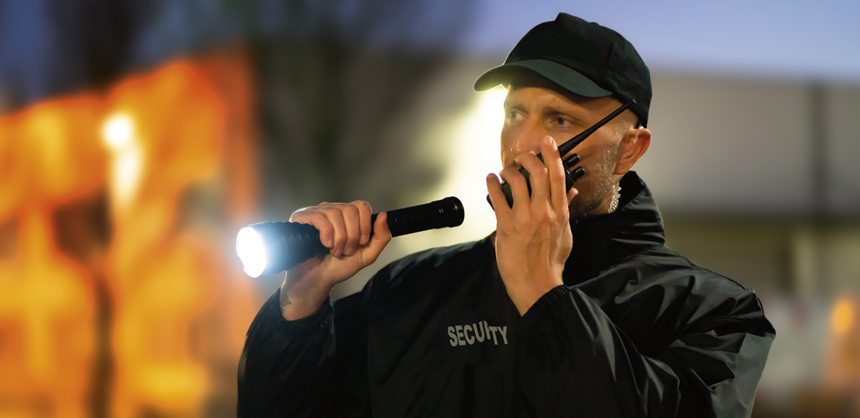
Investing in security is no longer optional. It is an essential part of creating a successful event. Photo courtesy of Andrey Popov
Due to recent security situations at corporate gatherings, corporate meeting and event planners are joining the throngs of businesses who have safety and security at the top of their “to improve list.” The decision to install cameras, hire security personnel and incorporate other security measures illustrates the growing determination of companies, attendees and meeting planners to address meeting safety and security head-on.
Event security expert Ryan LaSalle, CEO of human risk security company Nisos, says that over the past several years, the focus of corporate event security has shifted significantly. It’s no longer enough to rely solely on physical measures like access control, perimeter security or onsite personnel.
“Digital monitoring has become just as critical,” LaSalle says. “Whether due to the content of the event, the profile of the speakers, the sponsoring organization or something else, digital monitoring has become one of the key preparedness measures for event personnel to better align their physical defenses. Executives are increasingly targeted through online channels, including social media, data breaches and exposed personal information. Threat actors can use this information to plan attacks or harassment that extend to in-person events. Protective teams can use this to their advantage as well, better understanding the likely threat environment and how it is changing.”
For high-profile corporate gatherings, this means security teams must understand not only who is entering the venue, but also who might be observing the event online, what digital traces lead to the venue or the executive, and what vulnerabilities exist in the digital footprint that could signal a threat. “Essentially, physical and digital security are now inseparable components of a comprehensive security strategy,” he says.
Viviana Durand, managing director at The CE Group, agrees that there has been a definite shift toward an increased intensity and focus on security within all events in recent years. “While safety has always been a core priority when planning events, we’re now seeing companies initiate more conversations around it and allocate larger portions of their budgets to security measures,” Durand says. “ This heightened focus stems from a growing awareness of risks and a recognition that proactive planning is key to protecting attendees, staff and brand reputation.”
For Valerie Bihet, CEO at the VIBE Agency, security used to be just part of the checklist of what you do for all events. “Now I think it’s really more part of the DNA of every event. With global uncertainty and the digital risk, safety is really more essential, as is staging, catering, entertainment and all the production elements,” Bihet says. “If you want people to attend a special location, they need to feel safe. It’s important to be transparent and for the attendees to have peace of mind when they come. They need to feel protected and don’t need to feel policed. You cannot create freedom to move about at an event if you do not have a foundation of safety.”
Focus Areas
Security at corporate gatherings currently focuses on a combination of physical, digital and human-risk considerations. According to LaSalle, they are trying to expand the physical and digital perimeter of protection as far out as possible. Protecting the digital footprint of key individuals is critical because publicly available information about executives and their families can be leveraged by threat actors.
“It’s simply no longer just about securing physical spaces; it’s about understanding how a digital compromise, such as data leak, doxing or an insider threat, could enable a physical incident, ranging from harassment to abduction to disruption,” he says.
Continuous monitoring is also essential; analyzing social media, dark web forums and other online spaces helps identify emerging threats or coded language that could indicate potential danger.
Finally, LaSalle says integrating human-risk intelligence ensures that the security team can connect digital exposures with potential physical risks. People looking to inflict harm on a company or executive team can use the predictability of the date and venue to try to raise the visibility or impact of their harm.
“This convergence allows teams to anticipate and prevent incidents before they occur rather than simply reacting after the fact,” he says.
From Durand’s perspective, there are four key focus areas in corporate event security that she’s noticed:
- Access Control – events need to ensure there are controlled access points with appropriate identification plans for all parties (i.e., credentials for attendees, vendors, staff, volunteers, etc.) to any event area with security presence to ensure only authorized individuals are admitted to the space.
- Emergency Preparedness – this covers everything from weather contingency plans to evacuation routes and onsite medical and safety support.
- Cybersecurity – this an increasing concern, particularly for hybrid or virtual events.
- Crowd Management – ensuring that attendees have a positive and safe experience, regardless of size, is critical.
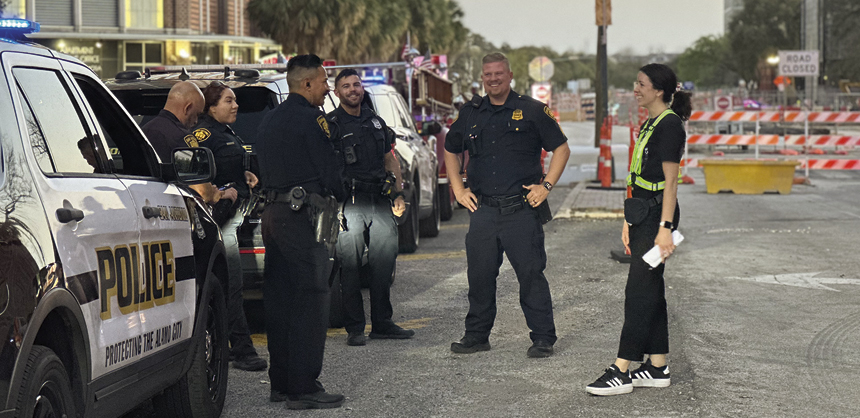
Coordinating with your security team ahead of time is important.
Steps To Take
Securing a modern corporate event requires a multi-layered approach. Before the event, it’s important to assess the digital exposure of executives and other high-profile attendees, identifying any personal or travel information that could create vulnerabilities.
Leading up to the event, LaSalle says continuous monitoring of online chatter and dark-web activity allows the security team to detect threats early and take proactive measures. Onsite, physical security must be seamlessly integrated with digital oversight, such as monitoring live social media activity and managing potential location leaks.
“Scenario-based planning is also key, preparing for incidents like impersonation, virtual kidnappings or insider threats,” he says. Even after the event concludes, ongoing monitoring of items such as reconnaissance reports, travel data exposure, social media chatter, etc. helps to ensure that any residual risks are addressed, and lessons learned can assist in future planning. A holistic approach, combining physical protection, digital intelligence and human-risk assessment, is essential in today’s environment.
One of LaSalle’s clients partnered with Nisos to prepare for and monitor digital threats against their shareholder meeting. Over the course of several days and different venues, they worked in concert with the physical security team to not only protect the c-suite and Board but also the attendee experience.
“In the lead up to the event, there was a lot of chatter by activists looking for ways to disrupt the meeting. People were sharing ideas and daring each other to take bigger and bigger risks to disrupt the event and harass the attendees,”he says. “Most of it was idle trolling, but it became clear that one participant had found their way to the event. Our team was able to identify the person and provide photo and biographical data to the security team on the ground who were able to stop them from sneaking onto event transportation or getting into closed off venues before they could cause disruption. We have provided similar support for conferences, concerts, political rallies and more.”
Also, it’s important for meeting planners and event security teams to work proactively rather than reactively. Waiting for an incident to manifest is no longer acceptable; the velocity of online threat activity means that, by the time something becomes visible, it’s likely that the damage is already done.
“The investment in this broader security posture will yield real business value for those that do it correctly: event planners that can protect company reputations and enable events to be held with confidence will benefit,” LaSalle says.
Durand stresses that safety and security should always start with a comprehensive risk assessment during the planning phase.
“Every event comes with its own unique set of needs and challenges around safety, and ensuring you are partnering with the right professionals will be key to ensuring the event is safe and well executed,” Durand says.
At The CE Group, some key steps they take are:
- Partnering with the appropriate security firms and/or local law enforcement to ensure appropriate coverage for each event.
- Implementing clear access protocols — from bag checks to credentialing and check-in.
- Ensuring staff are trained in emergency procedures.
- Having a clear and comprehensive health and safety plan for each event and ensuring there are clear communication protocols and established chain of command onsite.
“We helped a corporate client mark their 100th anniversary with a celebration that united over 1,000 employees. from front-line workers to executives, for an evening honoring a century of success. Due to the scale and profile of the event, we implemented a comprehensive security plan to ensure a safe experience for everyone,” she says.
First, they implemented strict access control measures, including bag checks and detailed security guidelines that were clearly communicated to attendees prior to arrival. A thorough credential process ensured everyone onsite was easily identified — from staff to vendors to attendees. They also worked closely with the corporation’s executive security team throughout the planning process, coordinating site visits, staffing plans and communication procedures.
“Together with their corporate security department, we conducted a full risk assessment and developed a detailed safety plan that included clear communication both before and during the event,” she says. “These proactive steps helped ensure a secure, professional and enjoyable celebration for all attendees.”
Durand also emphasizes that good security planning isn’t about fear or creating barriers — it’s about creating confidence. “When attendees feel safe, they are more engaged, present and able to connect with the event’s purpose. Investing in security is no longer optional and is now a crucial part of delivering a successful and responsible event,” Durand says. “The conversations shouldn’t be treated as a box to check, but as an integral element in the planning process that ensures the success and integrity of every corporate event.”
Bihet says it’s also important for corporate event planners to check if a destination and venue is vetted. If you are going to a different country, check with the local authorities — the embassy and local police — to see what is going on.
“Before going onsite, you need to create a crisis communication plan no matter where you are going. How do you escalate to the next step if something happens? What do you do if someone gets hurt or has a medical issue?” Bihet says. “You need to prepare for all the crisis communications.”
Then, you train your staff. It is just like working for an airline. Onboard an airplane, the pilot and staff are trained to stay calm and clear in their communication. You need your staff to do the same. Also prepare all your smart technology from the QR code to check-in with facial recognition. Be on an encrypted network to make sure you are digitally safe.
“Then, it’s just a matter of always communicating confidence, not fear,” she says. “You plan quietly, project confidently and perform beautifully.”
Securing the Future
Looking forward, LaSalle believes the future of corporate event security will rely more heavily on real-time threat intelligence platforms that integrate continuous digital monitoring with physical security operations.
He predicts that security teams will increasingly use advanced analytics and behavioral insights to detect early indicators of intent, rather than waiting for threats to become obvious.
“I also expect that there will be a growing emphasis on hybrid defense ecosystems, where IT, cybersecurity and physical security work together seamlessly,” he says. “The attack surface will also expand beyond the primary attendees to include family members, guests, vendors and other third-party partners, all of whom may be leveraged by threat actors.”
Durand agrees that safety will continue to be a top priority in corporate event planning. “I believe we’ll continue to see an increased blend of technology and human intelligence in security planning. As technology and AI evolve within the event industry, I believe we will start to see that come to life with tools such as facial recognition and AI-driven crowd monitoring,” Durand says. “At the same time, we will continue to see corporations taking a holistic and proactive approach to safety.”
Budgeting for appropriate security measures is now viewed as an essential investment, not an afterthought. Ultimately, Durand says corporate event planners will see safety and security continue to be front and center in event planning as opposed to a behind the scenes consideration.
“Security is not a constraint, it’s a confidence builder so attendees will be relaxed and brands shine without distraction,” Bihet adds. “The world is very unpredictable so we are here to make every moment safe, stunning and seamless.” C&IT