CIT_2026-0405-Issue-cover-147x197

Beyond the Ballroom

Resorts offering easy access to nature and hiking paths provides teams with the serenity needed to focus and unlock their creativity.

Resorts offering easy access to nature and hiking paths provides teams with the serenity needed to focus and unlock their creativity.

In the high-stakes arena of corporate events, the venue is now a strategic choice that can dramatically influence meeting outcomes. While traditional conference centers and urban hotels still obviously have their purpose, resort destinations are emerging as powerful catalysts for engagement, innovation and a measurable return on investment (ROI).

A resort setting might not be the optimal choice for every event group or fit every budget, but for those corporate functions choosing to escape the traditional conference room, the payoff is tangible. This tactical location decision optimizes a resort’s singular setting, where the blend of professional and recreational activities is known to foster a more dynamic and productive atmosphere. By leveraging a destination that provides state-of-the-art facilities and a relaxed, rejuvenating locale, companies can elevate attendee interaction, improve networking opportunities, and create a positive lasting impression that translates directly into business growth and employee satisfaction.

Nature, Wellness & Performance

The impact of the surrounding environment on human behavior and functioning is well-documented. Studies from the University of Exeter and Harvard’s School of Public Health reveal that exposure to nature boosts cognitive function, lowers stress and inspires creativity. These findings are particularly relevant for corporate retreats and strategy sessions, where mental clarity and collaboration are paramount.

“Location is paramount and the resort setting allows a corporate meeting to have a setting that is best for mental acuity, collaboration and connectivity,” says Michael Dominguez, president & CEO of Associated Luxury Hotels International (ALHI) in Plano, TX. “Natural resort settings traditionally offer plenty of sun, ocean and nature, which benefits circadian rhythm, alertness and overall productivity. This is why they are such popular destinations for these types of meetings.”

Joe Martin, partner and director of conferences & meetings at BDI Events in New York, adds, “These elements balance out and even accentuate the sales, trainings and content being provided. More and more often, we are incorporating these offerings into the overall schedule or as a suggestion for planned breaks. To help facilitate an impactful break, wellness options and nature can really make a difference. After all, there’s no better ambiance for a break than beautiful natural surroundings that elevate mindfulness.”

Atmosphere as a Catalyst: Real-World Examples of Resort Impact

The immersive quality of resort environments can lead to breakthrough moments — both personal and professional. Dominguez shares a fresh, vivid example.

“Recently, we experienced a winemaker’s dinner that was paired with an amazing menu outdoors and with perfect weather that just allowed for an incredible evening,” he remarks. “The storytelling from the local wine producer made the meal even better.”

Martin offers two compelling case studies, saying: “A client who is a global organization hosted a personal business growth retreat. The destination was a remote mountain resort in Banff, Alberta, Canada. A main outcome included breakthroughs for individual attendees. The stunning natural setting allowed the attendees to settle into the mountain air and provided opportunities to explore the area on hikes and walks. These peaceful surroundings and lack of distractions helped unlock creativity and ideas they took home with them.

A client who is a global association of CMOs & CEOs hosted an event at an oceanside resort near Santa Barbara, CA. There were various outcomes for that, including breakthrough ideas and stronger relationships among the CMOs. The stronger connections were built due to everyone remaining on property for the entire duration of the event. In the end, the Net Promoter Score for this event was a record 86% (previously in the mid-70s), translating into much excitement about returning in 2026.”

Measuring Impact Holistically

While the emotional and experiential pluses of resort-based events might seem clear, companies are increasingly demanding tangible data to justify their investments. Martin outlines a three-tiered blueprint for success:

“First, we highly recommend resorts provide built-in or add-on technology options for RFID scanning capabilities. Many corporations are now looking for data, and usually they are cost-prohibitive to add on. Providing a solution that is built into the space would really make the venue stand out,” he says.

Secondly, he adds that resorts would benefit from helping corporations analyze cost-effectiveness per business goal by breaking down spending by category — then mapping that to value-adding outcomes, such as leads generated, deals accelerated and training scores, to calculate cost-per-impact metrics.

And on the final point, Martin explains that it would be incredibly valuable for the property to provide a pre-event survey regarding attendee expectations and amenities the attendees plan to enjoy while onsite. For additional ROI, he says, having this information pre-stay helps to prepare your team for staffing and logistics, and then it can also be compared post-event to actual usage.

These concepts are in concert with best practices seen throughout the industry. According to MeetingScouts.com, for example, measuring event ROI involves observing financial and non-financial benefits. These include improved brand awareness, better lead generation and stronger customer relationships. The opportunity to monitor attendee engagement, satisfaction and behavioral results is emerging as a must-have.

An outdoor winemakers dinner at Lansdowne Resort in Virginia was a memorable experience for the Associated Luxury Hotels International group.

An outdoor winemakers dinner at Lansdowne Resort in Virginia was a memorable experience for the Associated Luxury Hotels International group.

Amenities Drive Engagement & Performance

Resorts offer a unique blend of business infrastructure and leisure experiences that can elevate team performance. Dominguez emphasizes the importance of curated programming. “The ability for teams to connect in an engaging and memorable way is critical in environments where team engagement overall is very low scoring. Resorts can design programming that utilizes outdoor spaces, and we have found F&B experiences and classes to be one of the best opportunities for team bonding and connection that you can find,” he says.

Martin adds, “Resorts can boost team performance and engagement by blending functional business amenities with memorable experiences. Providing quiet, easily accessible spaces for impromptu private or semi-private meetings allows sales teams and leaders to connect with customers or colleagues on the fly.”

Pairing these practical options with curated dine-around experiences, Martin believes, fosters collaboration, camaraderie and motivation long after the event ends.

Tailored Services = Strategic Outcomes

Customization is vital for complementing resort experiences with corporate goals — whether it’s innovation, leadership development or culture-building. Martin says, “Resorts will stand apart if they have a network of local, top-quality content experts and professional speakers. Having this Rolodex of easily accessible experts would be very advantageous and support the company’s budget by avoiding expensive travel costs.”

Flexibility in space usage is also critical, he says, since every company has different needs and preferences when it comes to utilizing a resort’s space.

“That’s why it’s important the resort is flexible in how its space is utilized and even provides several options for space usage,” he explains. “We find that most of our clients would prefer to move their event around from different cities and hotels. If a client is considering returning to a venue, they need ideas on how to ‘reinvent’ the experience.”

Martin adds that his company has already begun having conversations with the venue on how to create an experience that feels completely reinvented from the 2025 event.

Accessibility & Exclusivity

As corporate teams become more global, accessibility and uniqueness are rising priorities. Martin notes, “Most companies are looking to host in major markets mainly due to the availability of direct flights. This is often beneficial in terms of cost, as well as timing, because event schedules are already limited, so they cannot afford to add too much travel time.”

He also remarks that companies are looking for unexpected destinations, with many clients asking where they can go that other companies are not. They want to stand apart, make it unique and create new memories.

Recent data emphasizes this trend: RetreatsAndVenues.com shares that more than 70% of mid-size to large companies host annual retreats, with nature-based and rural destinations in high demand. The wish for uniqueness and originality is spurring interest in lesser-known resort towns, eco-lodges and boutique properties. These locations provide a fresh experience but also a sense of discovery. The combination creates an emotional hook that greatly elevates the event’s memorability and outcomes.

The Future of Resort-Based Events

Looking forward, resort destinations are positioned to serve an even larger role in corporate strategy. With a burgeoning focus on sustainability, wellness and experiential gatherings, resorts are stepping up to offer:

  • Carbon-neutral event packages
  • Onsite wellness coaches and mindfulness facilitators
  • Local immersion experiences (e.g., culinary tours, artisan workshops)
  • Hybrid-ready infrastructure for global teams

Martin emphasizes that the demand for uniqueness and accessibility will continue to shape the market. “A growing number of our clients have global teams and customers,” he shares. “They want to stand apart, make it unique and create new memories.”

Resorts that embrace these trends and invest in flexible, future-ready infrastructure will be best positioned to serve the evolving needs of corporate planners. Whether it’s a hybrid leadership summit or a fully immersive retreat, the ability to deliver both logistical ease and emotional impact is what sets resort venues apart.

The Bottom Line:
ROI You Can Feel—and Measure

Corporate retreats and offsite meetings are no longer indulgent perks — they’re strategic investments. The ROI includes improved employee engagement, increased productivity, reduced burnout, stronger company culture and accelerated business outcomes. When thoughtfully executed, resort-based events deliver both emotional resonance and hard metrics.

Dominguez sums it up smoothly, saying, “The resort’s historical knowledge of what has been successful for other groups is a critical opportunity for planners to learn and tweak to fit their needs and know that success has been seen in past experiences.”

And Martin reinforces the significance of strategic collaboration with resorts by adding,“ Every company has different needs and preferences when it comes to utilizing the resort’s space … If a client is considering returning to a venue, they need ideas on how to ‘reinvent’ the experience.”

In our current ultra-competitive landscape, the most successful corporate events are those that combine purpose with place, and the setting itself becomes a strategic benefit. Resorts provide more than just a picturesque backdrop — they provide immersive experiences that drive connection, creativity and measurable results. C&IT

 

CIT-2026-0405_SoloSuccess_147x147

Solo Success

Photo courtesy of techsytalk

Photo courtesy of techsytalk

Going it alone can be a daunting endeavor in any sector, but the multifaceted and ever-changing meetings industry poses a truly unique challenge for professionals seeking independent success.

With organizations demanding more sophisticated event design, deeper ROI and the smooth integration of technology, the value of independent expertise has never been clearer. Yet, along with that value comes a more labyrinthian path to a rewarding career as a solo planner. Independence offers freedom, flexibility and increased creative control; but it also requires resilience, business acumen and a willingness to evolve.

Across the industry, seasoned independents are redefining and rethinking just what it means to succeed on your own. Their insights reflect a blend of strategic thinking, relationship-building, operational discipline and personal sustainability. And while each planner’s journey is unique, their insights share the common ground that independence isn’t about working alone, but working intentionally, communicating actively and forming strategic partnerships that lead to meaningful events.

This feature explores some of the best approaches to succeeding as an independent planner, grounded in the experience of three respected professionals: Stefanie Vasconcellos, founder and event planner for Stellos Events in Seattle, WA; Shannon Mickelberg, president of Mickelberg Event Group in New Hope, MN; and Liz Caruso, CEO of techsytalk in New York, NY. Their perspectives illuminate the realities of independent work and the methods that help planners not just survive, but thrive.

The Rise of the Independent Planner

The meetings industry has always been dynamic. But the last decade in particular, accelerated by global disruption, hybrid models and mind-boggling technological advancement, has reshaped the landscape. Companies increasingly rely on independent planners to fill specialized roles, ramp up for major programs or bring in expertise they don’t have in-house. On the flip side, many planners have sought independence for reasons ranging from flexibility to creative autonomy to global mobility.

For Vasconcellos, independence was both a practical and professional evolution. “Becoming independent was partly about freedom and flexibility. My husband’s career has taken us across several countries, and independence allowed me to continue building my career while remaining mobile,” she remarked. “It also gave me the opportunity to work across markets and cultures, which has shaped my experience with and perspective on events in a positive way.”

Her story emphasizes a broader trend: independence allows planners to build careers that fit their lives, not the other way around. But it also requires a holistic mindset shift — from executing events to running an entire business. Many planners discover that independence demands a new level of intentionality that includes choosing clients, defining boundaries and forging a professional identity that stands apart in a crowded marketplace.

What Success Really Looks Like

Success as an independent planner isn’t just defined by the size of your client list or the number of events you produce. It’s defined by sustainability, trust and the ability to deliver meaningful outcomes.

For Vasconcellos, success is relationship-rooted. “For me, success is largely about trust and long-term relationships,” she shares. “When clients come back year after year, or recommend you to others, that tells me the partnership is working.”

She also underscores that flawless logistics aren’t the only metric that matters. She says, “Of course, a successful event needs to run smoothly, but logistics alone are not the true measure of success. The real question is whether the event achieved its purpose for the organization. Did it strengthen relationships, motivate a team or create meaningful connections among participants?”

This shift from execution to impact is echoed across the industry. Independent planners who thrive are those who position themselves as strategic partners and not just logistical experts. They understand that clients increasingly want events that drive business outcomes as well as memorable experiences.

Caruso sees this change as key to long-term success. “One of the biggest challenges for independent planners right now is the increasing complexity of events,” she states. “Clients expect more strategy, stronger ROI, deeper data insights and seamless technology — often with leaner teams and faster timelines. The planners who are thriving are the ones evolving beyond logistics into true strategic partners who can help organizations use events as a growth and relationship-building tool.”

In other words, success today requires more than producing a great event. It necessitates helping clients understand why the event matters and how it drives business outcomes. Independent planners who can articulate this value stand out in a competitive landscape.

Navigating the Challenges

Independence furnishes freedom, but it also entails complexity. From managing scope creep to juggling multiple clients to avoiding burnout, solo planners face challenges that require both structure and self-awareness.

1. Educating Clients on Event Complexity
Many independent planners find themselves explaining the intricacies of event planning to clients who underestimate the detail of the work involved. As Mickelberg notes, “Some clients think that the meeting details are pretty straightforward, so ‘it shouldn’t be too difficult.’ Experienced planners understand the domino effect of one detail affecting several others and the layers of logistics that come from one decision.”

Her experience is that widespread clients often only see the final product, not the countless decisions and dependencies behind it. Independent planners must be proactive communicators, helping clients understand the scope and implications of their choices. This education is not just a courtesy, it’s a form of risk management.

2. Managing Scope Creep
Scope creep is one of the most common and costly issues for independents. Mickelberg cautions that planners often take on extra tasks without communicating the impact. “As perfectionists, we often just do it without letting the client know about the additional work needed. We have to be very careful and communicate with clients regularly if duties are added.”

Clear contracts, transparent communication and confidence in your own value are essential tools for planners seeking to protect their time and their business. Many independents find that setting expectations early and revisiting them often is the most effective way to prevent misunderstandings.

3. Avoiding Burnout in a High Pressure Industry
The meetings industry is notoriously demanding. “There is a reason that being a planner is often cited as the sixth most stressful job,” Mickelberg says. “The hours are long and when juggling multiple projects, there is little work-life balance.”

Independents must set their own boundaries and recovery strategies. Mickelberg’s approach includes short weekend getaways, social connection and volunteering. Vasconcellos emphasizes self-care as well: “Long days, heavy travel schedules and high-pressure moments require a lot of headspace. Maintaining your physical and mental well-being is essential for a long and sustainable career.”

Burnout prevention is strategic as well as personal. A planner who is exhausted can’t deliver the high level of event experience clients expect. Sustainable independence requires treating rest as part of the job, not a luxury.

4. Understanding Increasing Event Complexity
Caruso highlights a challenge that has grown exponentially: the complexity of modern events. “Clients expect more strategy, stronger ROI, deeper data insights and seamless technology — often with leaner teams and faster timelines.”

This complexity requires planners to continually evolve their skills, including data literacy, tech fluency and strategic design. It also means independents should be selective about the projects they choose, seeking and selecting work that aligns with their strengths and capacity.

Strategies That Set Successful Independents Apart

Across all three planners’ experiences, several themes emerge; practical, strategic and relational philosophies that lay the foundation for a thriving independent practice.

1. Build Systems That Support Focus and Efficiency
Independents wear every hat: HR, finance, marketing, operations and IT. Without systems, the work becomes overwhelming.

Mickelberg’s approach is highly structured. She says, “We are our own HR, technology and marketing departments. Setting aside time to address those internal areas is key to being able to service our clients as quickly as possible.” She leverages color-coded calendars, daily master to-do lists, muted notifications and detailed timesheets to stay organized.

Caruso agrees with the importance of systems. She says, “A big part of my approach has been building systems and leveraging technology to simplify the back end so we can focus more on experience design and outcomes.”

The takeaway here is irrefutable: independence requires operational discipline. Systems aren’t a ‘nice-to-have,’ they’re the backbone of a sustainable business.

2. Understand and Communicate Your Value
Many independents struggle with pricing, negotiation and even confidence. Mickelberg is direct about the need to know your own worth. “My value is not just in the hours I work on a client’s project, but in the years of experience I bring to help make their meeting or event even more successful,” she explains. “My rate is based on this experience.”

Caruso chips in that specializing is essential for delivering value. “I think many independent planners don’t niche down enough to provide value to the right clients — they try to serve everyone and end up serving no one well,” she says.

Successful independents understand who they serve, what they offer and why it matters. They communicate this clearly and consistently, helping to attract the right clients and repel the wrong ones.

3. Build and Nurture Your Network
Independence doesn’t mean isolation, quite the opposite. The most successful independents are deeply connected.

Mickelberg describes her local network, the Producer Posse, by explaining: “It is made up of close to 30 event-meeting professionals in every area of the industry. We rely upon each other to answer questions, share vendor resources and often partner on larger projects together.”

Vasconcellos also stresses the relational nature of the industry, saying, “This is truly a relationship-driven industry. Over time you build a network of partners you can rely on across destinations and specialties.”

Caruso urges planners to build networks not just for referrals, but for continual learning and partnership. In a field where best practices evolve suddenly, community is a competitive advantage.

4. Embrace Continuous Learning - Especially in Technology
Technology is clearly no longer optional in event planning. Caruso has built her career around helping planners integrate tech strategically. “I help startups, founders and thought leaders cut through the noise to design events that create measurable impact, to integrate AI and tech as tools for insight, not distractions.”

Her guidance to new planners is very clear: “Invest in learning the business and technology side of events, and position yourself as someone who solves business problems — not just someone who plans events.”

Independents who keep ahead of the curve become indispensable. Those who resist change run the risk of being left behind.

5. Cultivate Awareness and Perspective
For planners working internationally — or even with diverse audiences — cultural fluency is a differentiator. Vasconcellos highlights this in her efforts: “Understanding different business expectations, hospitality standards and communication styles can make a significant difference in how smoothly an event runs.”

Her cross-cultural expertise has become a vital part of her value proposition. In a globalized industry, this kind of awareness is increasingly important.

Advice for New Independent Planners

Each planner offers guidance for those just entering the field, and their advice converges on several key themes:

  • Learn from Experienced Planners Early: Vasconcellos suggests working under seasoned professionals. “One of the best ways to learn this profession is by working under experienced planners early in your career. You’re building your foundation for the future,” she says.
  • Build Your Network Before You Need It: Mickelberg emphasizes ongoing relationship building, saying, “Keep in touch with your network all year. Don’t wait until you are looking for a project.”
  • Don’t Try to Do Everything Alone: Caruso advises new independents to avoid isolation. “Don’t try to do everything yourself. Build a strong network, and position yourself as someone who solves business problems,” she says.
  • Volunteer to Gain Experience: Vasconcellos highlights volunteering as an invaluable learning tool. “Whether it’s a small community event or a large sporting event like the Olympics, volunteering allows you to see how different types of events operate behind the scenes,” she says.
  • Be Kind to Others and Yourself: Vasconcellos offers a reminder that resonates across the industry: “Be kind to everyone you meet along the way. Finally, take care of yourself.”

The Joy of Independence

Despite all the challenges, independence furnishes rewards that keep planners passionate about their work.

For Mickelberg, variety is a major plus. “One day I am planning a festival for 30,000 people and then the next I am in another country coordinating a helicopter ride over a volcano. I love the excitement and chaos,” she says.

For Vasconcellos, independence has empowered her to build a global career while staying connected to her roots. “Travel has always been one of my passions. I often combine it with a quick visit to friends and family, which is a wonderful bonus,” she says.

For Caruso, much of her independence is centered on purpose and clarity — helping clients design events that matter.

For all three planners, independence is not just a career path. It’s a way of working and living that aligns with personal values, professional strengths and the desire for meaningful impact.

Looking Ahead: The Future of Independent Planning

The future of independent planning seems bright — but it will especially reward those who embrace strategy, technology and intentionality. As events become more complex and organizations seek specialized expertise, independents who position themselves as strategic partners will continue to rise.

The next generation of independent planners will need:

  • Well-rounded business acumen
  • Tech fluency and data literacy
  • Clear value propositions
  • Robust networks
  • Sustainable work habits
  • Cultural awareness
  • A passion for continuous learning

Independence isn’t about doing things alone. It’s about building a career that is both self-directed and deeply connected — to clients, partners, peers and the evolving needs of the industry.

As Mickelberg sums up, “Being independent may not be for everyone, but for those who are able, it is an amazing career to have! I wouldn’t have it any other way.” C&IT

CIT-2026-0405_UniqueWayysA_147x147

Unique Ways To Incentivize Your Team

Brightspot Incentives & Events offered an incentive trip to the National Palace of Pena in Portugal, including a private tour and three-course dinner.

Brightspot Incentives & Events offered an incentive trip to the National Palace of Pena in Portugal, including a private tour and three-course dinner.

In the evolving world of rewards and recognition, incentive travel continues to stand out as a high-impact way to motivate employees, sales teams and channel partners.

The 2025 Top Performers Study from the Incentive Research Foundation shows that while non-cash rewards broadly support engagement, travel rewards remain a cornerstone for organizations aiming to drive performance, build loyalty and reinforce company culture. For top-performing companies, incentive travel is not a one-size-fits-all perk. It’s a carefully designed tool integrated into broader recognition strategies.

Top organizations differentiate themselves through accessibility and aspiration. Many programs allow participants to start earning rewards quickly, creating early momentum, while reserving higher-value trips for those who exceed goals. This tiered approach keeps participants motivated across performance levels and ensures that travel remains a coveted, aspirational incentive.

High-achieving companies also invest strategically in higher-value trips. The average sales incentive travel reward for top performers is valued at about $4,000, with top-tier trips exceeding $8,600, compared with lower-value travel among other companies. These higher-value rewards reinforce achievement and create lasting emotional impact.

The study underscores that incentive travel is most effective when it is thoughtfully planned, strategically aligned and perceived as meaningful by participants. By balancing inclusivity with aspirational rewards, investing in experiences with real value, and leveraging technology and expert partners, top-performing companies make incentive travel a powerful driver of engagement, loyalty and long-term business success.

“When it comes to incentives, we are seeing a lot of bucket list requests. Clients and their participants are looking for wow moments they couldn’t get on their own. As one example, we recently partnered with a client on a dual destination incentive in Stockholm and Iceland. Rather than just standard group dinner functions or tours, the group took speedboats to the harbor in Iceland and spent the day in the Archipelago at an exclusive midsummer night BBQ. In Reykjavik, we held a Golden Circle Tour which featured a day of exploration in Iceland’s National Park and a private lunch buffet on a glacier,” says Emily Laufgraben, senior market insights manager at Maritz in St. Louis, MO. “This was a very high-end incentive, clearly. But even for groups who don’t travel this far off the beaten path, we see desire to reinvent familiar destinations or experience them through a new lens — whether that’s unique venues, archaeological sites or culinary experiences.”

Approximately 91% of incentive travel buyers agree these experiences play a crucial role in building engagement and company culture, according to the Society for Incentive Travel Excellence (SITE).

“A successful incentive travel program is more than a reward — it’s an experience that could last a lifetime. The perfect destination sets the stage, luxury accommodations elevate the experience and a thoughtful gifting strategy adds personalization,” says Rudy Garza, president and CEO of Brightspot Incentives & Events in Irving, TX. “The true magic happens, however, when senior leaders are present to recognize achievement, when attendees have time to rest and recharge, and when the itinerary allows for authentic cultural immersion. That balance of inspiration, appreciation and authenticity is what turns a trip into a lasting memory.”

There are ways to make the investment more effective. “A well-planned communication drip campaign in the months leading up to the trip can fuel motivation and drive performance as participants strive to earn their place,” says Garza. “A purposeful gifting strategy adds anticipation and excitement along the way, building emotional connection before departure. And just as important, post-trip communication and gifting create a powerful halo effect — extending the sense of recognition and inspiration long after the journey ends.”

How does Brightspot Incentives & Events do this? “We do this with several of our clients — building anticipation through monthly newsletters that introduce the destination over time, mailers that include puzzle pieces eventually revealing where they’re headed, postcards that showcase the trip logo and highlight unique local experiences, or ‘getting to know you’ surveys to help personalize onsite gifting. Every teaser or touchpoint is designed to spark excitement and a little healthy ‘FOMO’ — motivating potential participants to earn their spot on the trip,” says Garza.

Pivoting when circumstances shift is essential when planning an incentive trip, something that ADI Meetings & Events needed to do when the Pope’s passing changed their plans during an incentive trip to Rome.

Pivoting when circumstances shift is essential when planning an incentive trip, something that ADI Meetings & Events needed to do when the Pope’s passing changed their plans during an incentive trip to Rome.

A Successful Incentive is More Than Just a Trip

“Top performers don’t just want a trip, they want to feel seen, celebrated and valued. Incentive travel succeeds when every detail tells them, ‘You matter.’ That emotional impact is what turns a reward into motivation that lasts long after they return home,” says Terrie Rickard, senior vice president of commercial strategy & partnerships at ADI Meetings & Events in Scottsdale, AZ.

There is no more powerful way to motivate than with a travel incentive, but the true test of success goes far beyond a beautiful destination and a great hotel. “A successful incentive program should create an experience so meaningful, so seamless and so elevated that participants walk away feeling recognized, inspired and deeply connected to the organization,” says Rickard.

Rickard adds that four pillars consistently drive this level of impact at ADI Meetings & Events. The first is emotional exclusivity. “Top performers don’t want a standard vacation — they want access, personalization and moments they could never buy on their own. When they say, ‘I couldn’t re-create or pay for this experience,’ that’s the ultimate validation,” says Rickard.

The second is resilience and excellence in delivery. “Even the most beautifully planned incentive program is only as strong as the ability to pivot when circumstances shift. We delivered a 500-person incentive in Rome during an unprecedented moment: the day our guests arrived, the Pope passed away,” says Rickard. Rome’s city infrastructure shifted overnight as the Vatican closed, canceling all scheduled private tours. In addition, major roads and landmarks shut down for the funeral and procession, tourist access was heavily restricted, and security protocols changed hourly.

“Our team worked around the clock with local partners to re-engineer experiences in real time by securing alternative cultural activities, reorganizing access to iconic venues such as the Colosseum and encouraging guests to embrace the historical moment. What could have been a disappointment instead became a testament to agility, creativity and guest care,” says Rickard. “Incentive excellence isn’t about avoiding challenges. It’s about rising above them. When Rome came to a halt during the Pope’s passing, our ability to reimagine experiences in real time created an even stronger sense of care, exclusivity and appreciation. That’s the real power of incentive travel.”

The third pillar is to surprise, delight and elevate. “Including unexpected entertainment and over-the-top décor at evening group events, providing unique hands-on cultural experiences like a Roman cooking class and gladiator demonstrations — the magic often lies in moments that surprise and delight. Thoughtful, unexpected touches and curated ‘wow’ moments reinforce the feeling of exclusivity and achievement,” says Rickard.

The fourth is that human recognition and emotional connection are vital. “Ultimately, incentive travel is about making people feel seen. When guests tell us, ‘You made me feel like a VIP,’ ‘Every aspect exceeded expectations — the entertainment, décor, energy and personal touches,’ ‘Our original excursion was canceled — and the replacement experience was even better’ … that’s when we know the program worked,” says Rickard.

“Incentives succeed when they move beyond logistics and become a story — a story participants will retell with pride. Travel isn’t just a reward; it’s a sign of trust, value and belonging. In today’s performance-driven environments, that emotional resonance is what fuels loyalty, effort and lasting engagement long after the bags are unpacked,” says Rickard.

VIP Experiences as Part of the Reward

The most successful incentive programs combine multiple approaches, mixing short-term recognition with long-term development opportunities. By focusing on personalization, meaning and emotional connection, rather than monetary value, organizations can create incentive programs that motivate employees while building stronger, more engaged teams.

Effective incentivization is an ongoing process that requires regular evaluation and adjustment. The key is understanding your team’s preferences and values, then creating diverse opportunities for recognition that make every employee feel appreciated for their contributions.

According to a Bersin & Associates study, organizations with effective recognition programs promoting employee engagement had 31% lower voluntary turnover.

Boosting morale isn’t enough. Well-being should also be prioritized. Resorts that work best offer it all — accommodations, activities, wellness and spa experiences.

Successful employers understand that recognition is essential for creating a supportive, inspiring workplace.

The future of employee recognition is personalized, holistic and tightly woven into company culture. Recognition for employees isn’t just an extra perk anymore; it’s essential for a workplace to flourish. Now, a basic bonus or a generic “good job” isn’t good enough. Treating everyone the same when it comes to rewards is outdated. Employees now want recognition that’s personalized to them.

By leveraging behavioral science, organizations can better understand what motivates employees and how recognition drives desired behaviors. Behavioral science examines how people make decisions and what factors influence their actions. This insight helps organizations design recognition programs that resonate on a deeper level, addressing intrinsic motivations such as autonomy, competence and connection.

For example, behavioral science can guide organizations in offering choices that align with individual preferences. Whether it’s providing options such as gift cards, experiences like spa treatments or adventure activities, or additional time off, personalized rewards demonstrate a genuine effort to acknowledge and appreciate employees’ contributions.

The Takeaway

Personalization isn’t just a trend — it’s the future of employee recognition. By offering choices and catering to individual preferences, organizations create a more engaged and motivated workforce. This translates to higher productivity, lower turnover and a culture where employees feel valued and appreciated.

While companies are all battling for talent, implementing robust recognition programs can be a game-changer. People have more choices than ever. If they don’t feel valued where they are, they won’t hesitate to explore greener pastures.

This year’s recognition trends focus on creating authentic cultures of gratitude that align with employees’ values and needs. It’s an opportunity for organizations to experiment, get creative and modernize their appreciation strategies. C&IT
CIT-2026-0405_GoItAlone_147x147

Don’t Go It Alone

CIT-2026-0405_GoItAlone_860x418


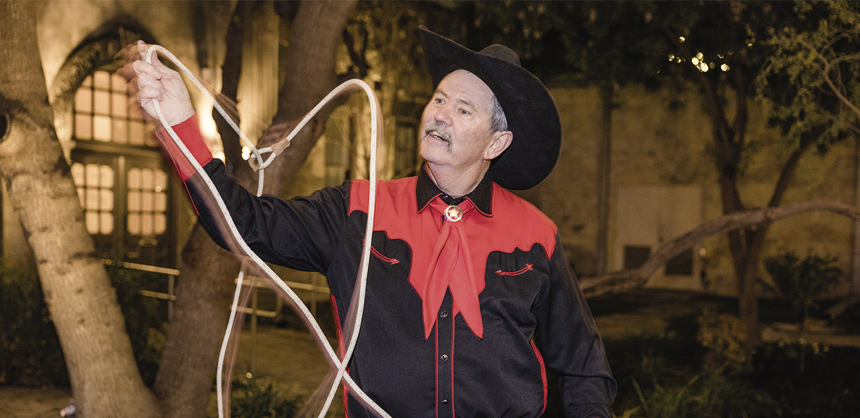
When it became clear that the renovation at the Kay Bailey Hutchison Convention Center in Dallas, TX would require their U.S. Seminar Conference to relocate, the planners at Mary Kay were tickled pink to land in the Queen City — Charlotte, NC.

The skincare and cosmetics company enjoyed a banner event in its new home last summer. Candie Rodriguez, vice president of marketing and sales support for Mary Kay, who is located in Addison, TX, credits the Charlotte Regional Visitors Authority (CRVA) for rising to the occasion.

“They worked quickly and diligently to accommodate on an expedited timeline,” says Rodriguez, noting the conference had always been held in Dallas prior to this year.

The CRVA helped locate hotels, venues and activities that perfectly suited the event that annually draws 11,000 attendees.

Such a partnership between a corporation and destination marketing organizations (DMOs), as well as destination management companies (DMCs) is a perfect case study to prove planners don’t need to handle all of the logistics on their own. Local knowledge and connections can be invaluable in creating a memorable event experience.

Angels in the Infield

Citywide and other large-scale conferences and trade shows require multiple hotels, reliable transportation options, and an array of food and beverage vendors, as Barya Hoel has learned as the executive assistant and event coordinator for Progressive Produce in Commerce, CA.

She leans heavily on a host destination’s DMO when planning single-day conferences for 40 attendees (a large event by the company’s standards). “I think a lot more meeting planners would use a CVB if they knew about incentives and what a CVB can do to make their life easier,” says Hoel, noting DMOs don’t charge for their assistance. “The CVB does all the legwork for a meeting planner.”

Hoel half-jokingly says she is lucky to have four months to plan an event for executives at Progressive Produce. That was her timeline for last summer’s gathering in Anaheim, CA.

The company’s C-suite liked the idea of the Southern California destination and grew enamored with the idea of a team outing to see an Anaheim Angels Major League Baseball game. Previous teambuilding activities have included a large dinner or a cocktail party.

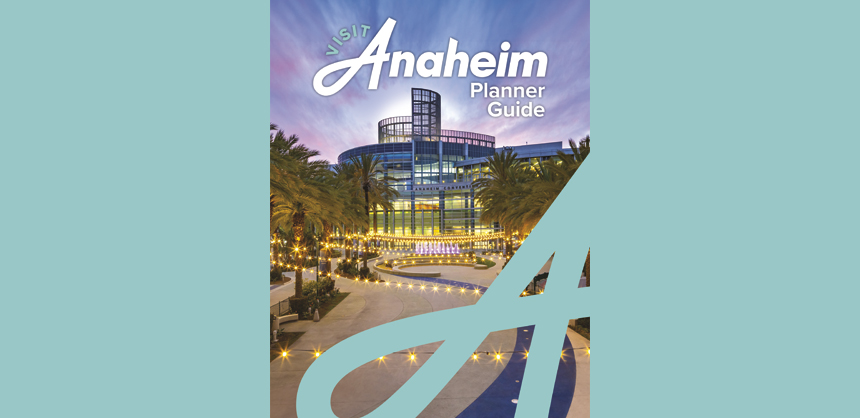
So Hoel submitted an RFP on the Visit Anaheim website and the sales team responded that same day. It then distributed requirements to multiple area hotels. Progressive Produce quickly had a venue, or so Hoel thought.

Her years of experience as an event planner convinced Hoel that the company’s initial hotel choice wouldn’t be a good fit due to the meeting room requirements and attendees’ preferences. Two months into the planning process, Hoel reached back to Visit Anaheim about making a change, a move that saved Hoel time and an awkward conversation with the initial hotel property.

“They came to my rescue right away,” says Hoel, adding the CVB staff handled the “break-up” call and helped secure a room block at The Westin Anaheim Resort.

But there was a catch (as there often is). The Westin’s room rates were over Hoel’s initial budget. Fortunately, Visit Anaheim had another solution.

Progressive Produce took advantage of the Visit Anaheim Meetings Momentum Program, which allocated $2,000 to the meeting should the group achieve at least 85% of its projected revenue goal. Hoel reports her event exceeded that mark, and the incentive funds offset the initial price point.

Visit Anaheim Chief Sales Officer Ronnie Collins says going above-and-beyond for planners is part of the job. “Visit Anaheim becomes a true extension of your team, no matter the size or scope of your event,” Collins says. “With deep local expertise, trusted partnerships and cost-saving resources, we help streamline the planning process and create meaningful experiences that resonate with your attendees.”

Creating Local Experiences

Reaching out to CVBs is a smart first step toward planning for an event, says Michelle Thornton, events procurement manager at Penske Media Corporation in Los Angeles, CA. But when she has the budget, Thornton likes to go a step further and employ a DMC.

DMCs are essentially the boots on the ground to find local experts and vendors that turn a planner’s vision into reality, says Kate Patay, CPCE, vice president of Global Engagement at Terramar DMC, in Reno, NV, which primarily operates in California, Mexico, Panama and northern Nevada.

“Working with a local DMC means you’re tapping into a team of experts who live and breathe the destination,” says Patay, who also chairs the Search Foundation, which assists event professionals in financial or personal crises.

Thornton agrees, crediting partnerships with Terramar and other DMCs for creating authentic experiences that elevate events to memorable experiences.

For a private company’s three-day anniversary meeting and incentive program for 400 attendees last summer, Thornton turned to the Hotel del Coronado, in Coronado, CA, one of the country’s most famous hotels.

The property is renowned for its history — it was the backdrop for “Some Like It Hot” — and elegance. Even with such a majestic venue, Terramar was able to take a proven commodity and add exclusive layers.

“The DMCs I choose stand out for their creativity — the ability to take the vision and elevate it with unique ideas, local insight and solutions I wouldn’t have thought of on my own,” says Thornton.

At their event, standout activities included:

  • A wine-and-dine around in Coronado by trolley featuring curated menus at each location
  • A unique behind-the-scenes tour of the Del, followed by a reception in a non-traditional space
  • An “epic” closing night dinner and after party on the beach.

“A local DMC not only manages logistics seamlessly but also opens doors to hidden gems, unique traditions and meaningful connections,” says Patay.

Patay recommends bringing a DMC into the process as early as the site selection process to maximize its ability to match the right activities with the event’s demographics. Thornton adds she brings the partner’s concepts to her program’s stakeholders, who then give the final sign-off.

“Rather than seeing a property in isolation, you’re able to experience it in context with the surrounding area and truly understand how it will fit into your program,” says Patay. “This early collaboration helps streamline decision-making, avoids costly surprises and ensures every aspect of the itinerary is cohesive and intentional.”

Setting the Stage

Because many of the Massachusetts-based Commonwealth Financial Network planning team had been to Tampa, FL for conferences and leisure travel, the destination was already on the radar for the company’s Business Experience Conference. The event is one of seven incentive trips Commonwealth Financial Network hosted last year and was one that the 293 attendees would remember for its unique activities, great food, and most importantly, its smooth logistics.

Rachel MacGillivary, a planner of conferences and events at Commonwealth Financial, in Waltham, MA, credits Visit Tampa Bay for laying the groundwork for such a successful event at the JW Marriott Water Street last spring.

“Their local expertise, curated resources and connections were really a first step for us — it gave us confidence that we were seeing the best options the city had to offer,” says MacGillivary.

Adam DePiro, chief sales officer at Visit Tampa Bay in Florida, appreciates the compliment. “Think of us as your local advocate within the destination,” he says. “During the event, we can coordinate welcome services, provide local vendor referrals, offer promotional tools to boost attendance and coordinate event logistics among city partners. At the conclusion of the event, we provide data on the economic impact of the event on the local community and support the planner with closing out any outstanding items with destination partners.”

MacGillivary and her team make it a point to do their own research before each event they host, but the CVB provided the resources to do so easily. MacGillivary raves about Visit Tampa Bay’s website, which proved a valuable resource for discovering local vendors and activities.

Among the highlights were: Urban Kai Paddleboarding and Kayaking, Eboats Tampa, the Florida Aquarium and tours of Ybor City. The CVB staff also pointed Commonwealth to a golf course for the company’s annual tournament and to Yacht Starship for a memorable final evening event, says MacGillivary.

“Their support allowed us to create an experience that truly showcased Tampa’s unique culture and energy,” MacGillivary says.

Lasting Memories

When looking to create future memorable moments, turning to existing relationships can have significant benefits.

Because Mary Kay had organized smaller events in Charlotte previously, the CRVA was aware of the company’s needs and circumstances, says Rodriguez.

“When it was confirmed that we could not hold the seminar in Dallas as usual, the CRVA proactively reached out to offer their services and spaces,” recalls Rodriguez.

Because it is safe, easy to navigate, and has ample food and lodging options, Charlotte checked all of the boxes Mary Kay required to entertain the thousands of independent beauty consultants it hosts for a week’s worth of education, connection and celebration.

That prior relationship built a trust in the destination that paid off for Mary Kay as well as the city. The Mary Kay Seminar was one of the 10 largest conventions on the Charlotte Convention Center’s 2025 calendar based on its 8,400 room nights, according to Rodriguez. The event contributed to 1,100 full-time and part-time jobs in the Charlotte area, adds Rodriguez.

“We were so thrilled to provide such a positive impact to the local Charlotte economy,” Rodriguez says.

The success is a testament to the DMO’s presence from the planning stages and into the event.

Ned Blair, CDME, director of sales for Visit Charlotte, a division of the CRVA, credits the DMO’s unique structure for being able to coordinate well with planners. “Unlike most destinations where the DMO and convention center are managed separately, we’re all part of the same organization,” Blair says. “That means planners work with one unified team throughout their entire process, ensuring consistency, alignment and a higher level of service.”

CRVA staff were able to make hotel recommendations and connect with local businesses on behalf of Mary Kay, opening opportunities for activations that gave attendees confidence that Charlotte was a natural fit for the seminar and not just a one-and-done host.

Event planners gained inspiration from its new home. Rodriguez says the general session had the feel of a Victorian-age event, complete with a song-and-dance number featuring a queen, an allusion to Charlotte’s nickname.

Rodriguez was impressed that the CRVA staff stayed onsite at the convention center to ensure the event ran smoothly. Personal touches added to the appeal.

“Their team created and wore their own branded pink shirts to welcome our salesforce to the convention center,” says Rodriguez. “We had never experienced support like that!”

Untapped Resources

For all of the vast support a CVB can provide, Hoel remains surprised that more of her peers don’t take advantage of the assistance. She recalls her predecessor at Progressive Produce tended to work on her own rather than use the local team.

Hoel has partnered with Visit Anaheim for three or four events prior to this summer’s gathering. Even with that experience, Hoel admits there is more she could learn about the process.

Hoel adds the CVB offered to help with acquiring tickets for Disneyland or the Angels game. “I probably have not even utilized half of what they do,” Hoel says.

MacGillivary agrees that “a CVB brings a perspective and knowledge you just can’t get on your own.” She continues, “Our Business Experience Conference in Tampa was such a great example of how thoughtful planning, local expertise and a vibrant destination come together to create a truly memorable experience for attendees.”

Thornton encourages fellow planners to take advantage of local resources even in a destination where they have already held an event. There could be a new restaurant or venue or an emerging neighborhood, to utilize so the experience feels separate from prior meetings.

“I wish I could work with a DMC on every program,” says Thornton. “It depends on both the budget and the specific needs of the program. When I do, it’s because I know my DMC partners will bring exceptional value as true local experts — whether it’s access to unique experiences, insider connections at restaurants or opportunities that go beyond what’s commonly available.” C&IT

CIT-2026-0405_EngagingA_147x147

Engaging & Energizing Today’s Attendees

Everything from the speaker to the table placement and design can help to keep attendees engaged. Photo courtesy of Chris Weinberg Events

Everything from the speaker to the table placement and design can help to keep attendees engaged. Photo courtesy of Chris Weinberg Events

Attendees at today’s corporate meetings and events are looking for gatherings that boost morale, strengthen networking, enhance learning, and leave them inspired and feeling positive and energized.

Marissa Gonzalez, director of event production and implementation at GlobalMeet, says when planning corporate meetings and events that leave attendees “wanting more,” the concept of “energizing attendees” is critical because engagement directly impacts the return on investment for an event.

“Energized participants are more likely to absorb content, connect with peers and leave with a sense of excitement that translates back into their work,” Gonzalez says. “Over the last few years, the focus has shifted from simply delivering need-to-know information to creating experiences attendees will remember. Today, audiences expect events to feel engaging and inspired, regardless of whether the event is in-person, virtual or hybrid. The goal has evolved from keeping people in their seats to giving them a reason to lean in with great content for a connected community.”

Gina Boos, CMP, CIS, senior program manager at Bishop-McCann, wants to keep attendees energized during an event because that keeps their engagement and their excitement up. “Conferences can be long days and a lot of time indoors, but even incentives can run the risk of draining attendee energy if they are over-scheduled without a focus on keeping energy up,” Boos says. “Energy equals focus, engagement, joy… it’s what fuels the attendee throughout the conference so all the details we plan are not missed.”

Post-COVID Boos says there has been an even larger focus on keeping attendees energized from beginning to end. “The desire to engage attendees in person means even more, so the stakes are higher for planners to think of the agenda, schedule and moments that create that energy for attendees,” Boos says.

Consider how to energize attendees from the moment they enter the venue and come to registration through the minute they leave the event. Meeting planners can sometimes get into a habit of focusing on the big pieces of the conference once it has kicked off, but starting from the beginning will allow attendees to feel the energy and excitement up front.

“Think of their experience when they enter the venue — what and who is greeting them? Signage or branding near the entrance is a great way to welcome them from the start. When they head to check-in/registration, make sure it is set up bold and welcoming. All staff should be greeting with energy and smiles,” Boos says. “We love to add music to our registration area to engage more of the senses — making sure it is upbeat and gets them ready for a great experience. Music can be a key element in creating energy throughout the day. We often incorporate upbeat music in a trade show  — low enough so important conversations can happen, but still loud enough that people hear that beat and maybe even add some pep to their step.”

The Bishop-McCann team had a lot of fun several years ago with a user conference’s morning coffee breaks. Obviously, caffeine is a way to energize attendees and get them ready for the day, but its typically just a buffet line to wait for your cup of joe.

“We decided to create long communal table stations with different coffee varieties; think black coffee drinks in one section, non-dairy in another section, sections for vanilla lovers or caramel. Once they found their preferred coffee section, there were conversation starters on table tents to get folks talking,” Boos says. “Some were coffee related, and others were business related. And instead of everyone filing out of the meal room after coffee with cup in hand and face in phone, they were leaving with new friends in conversation and an energy to go get started on the first breakouts.”

Coffee breaks may be a way to get people feeling ready to go in the morning, but it will take more than that to keep attendees engaged throughout the day. It is important to look for different ways to keep them interested throughout the event.

Attendees enjoyed a live band, dancing, a photo booth, caricature artists and a cigar station at this gilded Art Deco event. Photo courtesy of Chris Weinberg Events

Attendees enjoyed a live band, dancing, a photo booth, caricature artists and a cigar station at this gilded Art Deco event. Photo courtesy of Chris Weinberg Events

Techniques To Employ

At Chris Weinberg Events, founder and chief experience officer Chris Weinberg’s goal is always to design experiences that leave attendees feeling more energized when they walk out than when they walked in.

Here are a few techniques that planners might want to consider to make that goal a reality:

Go With the Flow — “Design events with energy flow in mind,” Weinberg says. “The best events have a rhythm. You can’t keep people in high gear all day; you need to balance energy with moments of reflection so they leave refreshed, not drained.”

Create Intentional Sensory Experiences — Weinberg says it’s important to make events multi-sensory because when you engage all five senses, you transform an event from something people attend into something they remember. “We love adding unexpected touches — a live performance, a creative food station or a thoughtful gift that sparks joy and keeps energy buzzing,” Weinberg says.

Add Energizing F&B Options — Use food and beverage as energy tools. Menus matter. Weinberg believes food should fuel — not slow down — the day. Fresh, wellness-driven menus, hydration stations and brain-boosting snacks are always a priority. “Menus are energy tools. Fresh, wellness-driven options and hydration keep attendees alert, engaged and ready to contribute,” Weinberg says. “Be sure to build movement and interaction. Attendees shouldn’t just sit; they should connect, play and co-create the experience. Events that energize don’t just fill agendas — they create belonging. Connection is the ultimate fuel.”

Incorporate Breaks — Keeping the energy up also means allowing for time to rest and reset. “The fastest way to lose attendee energy is over-schedule content and not allow for any breaks,” Boos says. “Be intentional about giving meaningful time in between sessions. Make sure those breaks include beverages and snacks so they can refuel and be ready for the next function.”

Implement Engaging Technology — Be sure to use technology that engages, rather than distracts. Integrate technology that enhances connection — like live polling and intuitive apps — without overwhelming the experience. The focus should always be on people first. Remember that creating an energizing atmosphere is also vital. AV and lighting set the tone, as do dynamic lighting, LED displays and well-curated music — all of which will inject a vibrant and immersive energy into the meeting spaces.

Utilize Well-Designed Spaces — “Ultimately, the most energizing events create belonging. We design spaces for authentic connection before, during and after the event. That sense of community fuels energy long after the program ends,” Weinberg says. “Events that energize don’t just fill agendas — they create belonging. Connection is the ultimate fuel.”

Schedule for Connectivity — Curating the flow of the content is important to keeping attendees engaged — vary the format by mixing keynote sessions with short breakout discussions, interactive Q&As and creative interludes, like live polling or gamification. Use dynamic visuals, music or unexpected elements to set the tone. Gonzalez says, “Attendees feel more energized when they can contribute, so incorporating networking elements, live chats, roundtable discussions or collaboration tools in virtual or hybrid settings can make a big difference.”

Personalization is Key — As Gonzalez explains, smaller groups thrive on intimacy, so more tailored agendas, a Q&A submission form and peer-to-peer interaction work well. Larger groups benefit from leveraging technology, like live polls completed from an attendee’s phone or tablet, to foster a collective sense of participation.

One of the most fun and energizing events every year is when one of Gonzalez’s corporate clients makes available to their attendees a special performance of the Radio City Rockettes Christmas Spectacular live from New York City. “It’s a great break from the regular financial markets commentary to remind everyone about the magic of the holidays, no matter your age or religion,” Gonzalez says. “It’s a chance to stop and reflect on the year that has gone by, and the hopes and dreams for the year ahead.”

Choose Engaging Speakers — Selecting speakers who are on topic and can energize attendees is important. Make sure they understand your goals for the event and what you expect, and that they have practiced enough and are able to hold the audience’s attention throughout. While exceptional keynote speakers are ideal, they also need to interact with the audience via interactive fireside chats, gamified breakout sessions or activities that encourage audience participation and transform passive listening into active learning. “Particularly with keynote speakers, we have had great success with those that are high energy and have some sort of engagement activity as part of their message that gets the attendees out of their seats, moving and engaging with the other attendees around them,” Boos says.

Think Healthy — Be sure to incorporate health-focused elements to help reset attendees’ emotional, mental and physical status. Morning yoga programs, creative breaks and other small touchpoints can provide intentional, meaningful experiences that offer fresh “resets” to invigorate and energize attendees.

Streamlined Efforts

When trying to incorporate energizing components into a corporate meeting or event, a big mistake event planners often make is adding too much content to the agenda with no thought on how the audience can interact.

According to Gonzalez, audiences today want variety, not a full day of passive listening. Likewise, event planners need to pay close attention to the pacing of the event. The agenda should feel dynamic, not like a marathon.

Another common mistake happens specifically in hybrid events, when planners design for the in-person attendees and leave the virtual audience as an afterthought. Virtual attendees are frequently left feeling like observers rather than participants, even though there are many ways to integrate them into the live sessions.

Boos says over-scheduling is probably the most common mistake made when trying to energize attendees. “Of course, we want to provide as many opportunities for education at conferences or experiences at incentives, but when attendees have little downtime, even the most fun and exciting event can drain them,” Boos says. “We have to be intentional with our agenda scheduling to make sure everyone has time to check email, take a call or simply reset and refuel.”

“Energizing an audience comes down to intentional design,” Gonzalez says. “Think of your attendees as participants rather than spectators.” By combining technology, strategy and creativity, corporate meeting planners can create events that inform and inspire with actions attendees can implement immediately.

“There are really so many ways to make sure we create opportunities for energy at our events,” Boos says. “From music, to surprise and delight moments in a general session, to the themes of our evening events, you just have to find the right mix for your audience.”

Creating an event that will keep your attendees entertained, engaged and thinking about the content and implementing it long after the event is ideal, but it is not always easy. Taking proactive steps to ensure this outcome starts from long before the event begins. Careful planning is paramount. If you think ahead about all aspects of the event — from the layout of the event to the scheduling, to the guest speakers to the F&B, and beyond, you will be more likely to reach your goal. A well-planned event not only keeps attendees talking but leads to them signing up for the event next year, and bringing in further attendance from those who have heard about the event and wish they would have attended. C&IT
CIT-2026-0405_Countdowns_147x147

The Significance of Countdowns in Event Planning

CIT-2026-0405_Countdowns_860x418


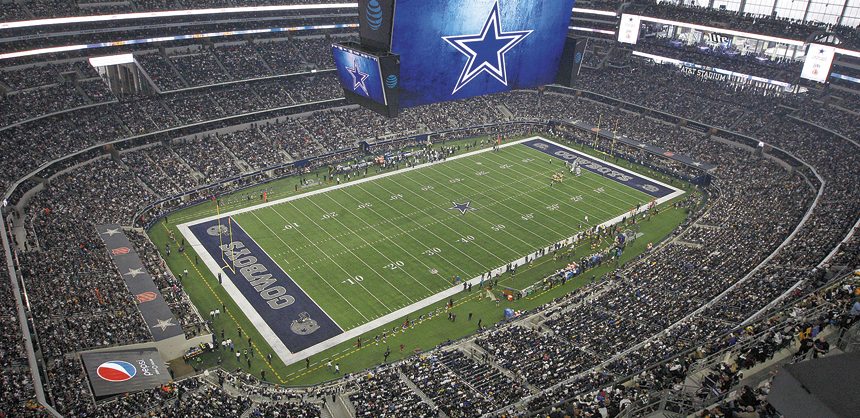
It’s hard to envision a rocket launch without the iconic countdown leading up to liftoff. That same principle of anticipation and momentum also applies to the world of event planning, where countdowns serve as more than just a ticking clock — they’re strategic tools that build engagement, drive urgency and create emotional resonance with attendees.

Whether it’s a corporate summit, a product launch or a community fundraiser, the countdown acts as a psychological trigger, reminding people that something important is on the horizon. It’s a way to shift attention, spark curiosity and reinforce the value of showing up.

Corporate & Incentive Travel magazine talked about the idea of using countdowns for event planning with Elyse Stoner, co-founder of Event Advisors in Wynnewood, PA, and Timothy Arnold, CMP, CMM, PCA, regional vice president at HPN Global in Scottsdale, AZ— two seasoned professionals who place a high priority on countdown strategy and advise other planners to do the same. Their insights reveal how countdowns can be woven into the fabric of event marketing, logistics and storytelling — turning passive interest into active participation. From subtle social media nudges to full-blown email campaigns, countdowns can be tailored to fit the tone and scale of any event.

But it’s not just about the attendees. A well-timed countdown can also help internal teams stay aligned, focused and energized. When done right, it’s a win-win for both sides of the planning equation. Let’s explore how countdowns influence engagement, creativity, timing, team dynamics and measurable impact.

ANYTHING AND EVERYTHING

How do countdowns influence attendee engagement and anticipation leading up to an event?

Countdowns are more than just a visual or numerical cue — they’re emotional markers that help attendees mentally prepare for an experience. As Stoner explains, “Anything an event planner can do to touch the heart and mind of an attendee is a great tool. Countdowns are one of those, because they remind the attendee (or the person deciding if they want to attend) that the event is imminent and unmissable.”

Arnold agrees with this sentiment, highlighting the psychological pull of countdowns: “Done properly, event countdowns can create anticipation as well as a fear of missing out. You want to give them a reason to attend. Reiterate the value that attending can bring, and give specific date triggers to encourage registration.”

This sense of imminence is key, of course. In a world overflowing with digital distractions and endless priorities, countdowns can cut through the noise. They serve as gentle nudges that keep the event top-of-mind, reinforcing its importance and encouraging early commitment.

Countdowns on a psychological level tap into the idea of temporal landmarks — moments in time that help people organize their goals and decisions. When attendees see a countdown, they’re more likely to picture themselves at the event, plan along those lines, and feel a building anticipation.

From the planning side, this means countdowns can be used to drive engagement metrics such as email open rates, social media interactions, and hopefully even early registrations. They create a rhythm that aims to heighten momentum, transforming passive interest into active enthusiasm. And when matched with eye-catching visuals or messaging, countdowns can evoke emotion, curiosity and urgency — all essential ingredients for a successful turnout.

GETTING CREATIVE

What are some creative ways for countdowns to build momentum across different platforms?

Countdowns don’t have to be loud or flashy to be effective. In fact, some of the most impactful strategies are subtle and strategic. Stoner shares, “Subtle ways include behind-the-scenes posts (emails or social media), videos from the speakers, the hosts or even noted sponsors, teasing their presentations or a special moment that will happen at the event. We also use email journeys that tease certain event highlights. One of our favorites is the week before the event, providing logistics, so the attendee will know what to expect in their travel to the venue, how to best access our space in the venue and even clothing options so they are comfortable attending the event.”

Arnold suggests another innovative concept: “Video messages from speakers, sizzle reels from previous conferences, interviews with long time attendees affirming the value of the programming and networking, detailing the education content available, all of these can be very effective at driving attendance.”

This multi-tiered approach forms a narrative arc leading to the event. Every touchpoint — whether it’s a teaser video or a travel tip — adds depth to the attendee anticipation and bolsters the meaning of the countdown. It’s not just about time ticking by, but building a compelling event story.

Social media platforms provide dynamic ways to make countdowns more graphically inviting, from Instagram Stories with daily updates to LinkedIn posts highlighting speakers or sessions. Email campaigns can be portioned out to furnish personalized countdowns based on attendee interest or registration status.

But even with our endless digital tools, physical components like printed materials or venue signage can also convey countdown messaging, creating a cohesive experience across electronic and in-person elements. The key part is to make the countdown feel integrated and not invasive — a marketing solution that builds anticipation without overwhelming or putting off attendees.

TIMING IT JUST RIGHT

Like with comedy, timing is everything when it comes to effective countdowns. Start too soon and the urgency can fizzle out. Begin too late and you bypass the window to build meaningful anticipation, or to let prospective attendees make their travel plans. Stoner presents a straightforward but effective rule of thumb: “Just like Goldilocks in her adventures with the Three Bears — not too early, not too late … just right would be 30 days. Long enough to create anticipation, short enough to feel urgent.”

Arnold, however, offers his own perspective on possible timing: “Attendees are registering later and later for conferences now, so the typical registration deadlines and early bird fees really are not as effective as they once were. A save the date is still very effective after the previous conference, as well as a message once registration is open. As you get closer to the date of the conference, this is where you really need to focus on the education and networking value of the conference.”

Arnold suggests emphasizing the intangibles: “Most attendees are going to use these factors to make the decision to attend closer in. Really lean into sharing the learning outcomes and the intangibles of attending. Learning that a speaker will be hosting a networking event only available to attendees could sway a lot to attend closer to the event.”

The main lesson? The timing of a countdown should be flexible and responsive to audience feedback. While the 30-day mark furnishes a healthy framework, planners should also observe registration trends and tweak messaging accordingly. The countdown should evolve with the audience’s decision-making process, whether it’s a save-the-date months in advance or an 11th-hour push showcasing exclusive offerings.

HEALTHY BALANCE

While countdowns may serve to elevate attendee enthusiasm, they also have the potential to add pressure behind the scenes. This ticking clock can feel like the pit and the pendulum allegory, especially for busy teams juggling planning logistics, marketing and last-minute changes. But Stoner provides a somewhat reassuring take: “The planning team is already working within their own timeline, so an external countdown shouldn’t be a stress trigger.”

Arnold is in agreement, adding that automation can ease the burden: “Most countdowns can be automated with the different platforms. Spending some time at the beginning creating content and marketing messages should alleviate a lot of the time needed by the planners in peak planning season.”

Worded in a different fashion, countdowns should complement and not complicate the internal workflow. When worked into the gameplan conscientiously, they could even help teams remain focused and cohesive. By connecting countdown milestones to internal deadlines, planners can reinforce their team priorities and pacing by employing the countdown as a project management resource.

As with most aspects of planning, communication is critical and teams should be informed on the countdown tactics early, setting clear roles and expectations. This will get everyone on the same page regarding the value of the countdown and its place within the broader event plan — while also reducing stressful last-minute scrambles.

Flexibility is also vital. Not every element of the countdown should be rigid or high-stakes. By having some components automated, scheduled far in advance or assigned to external partners, planners can optimize the effect of countdowns without putting too much on their staff.

COUNTING ON AN IMPACT

Can countdowns then actually directly impact registration rates or attendee behavior, and if so, how?

The response appears to be a resounding yes, and the proof is not only in the number but attendee behavior. Countdowns aren’t just for appearance, they’re performance drivers. Stoner confirms, “Absolutely. Countdowns, whether an actual clock on a webpage or created in an email or social media campaign create urgency and excitement. Reminding potential attendees that time is of the essence is a strong tool.”

Arnold adds in, stressing the magnitude of a diversified strategy: “As mentioned, attendees are registering later and later, so changing the way we communicate with them is vital. A multi-pronged approach is key. You will still get the people who register a year in advance, but capturing the attention of attendees who are on the fence closer in, is important. Leave either group out, and you risk losing attendees.”

Urgency can be a powerful motivational tool. When people can visibly register time slipping away, they’re more likely to have a reaction — whether that’s registering, booking travel or engaging with event content. Countdown clocks on registration pages, for example, can raise conversion rates by creating a feeling of scarcity. Email campaigns that include countdown messaging often result in higher click-through rates and timelier responses.

Countdowns can also inform behavior that goes beyond the metrics, encouraging attendees to advance plan ahead, review pre-event materials and arrive more prepared and with greater enthusiasm. They can also cultivate a sense of community, as people share countdown updates or discuss what they’re looking forward to on social media and other platforms.

For planners, this means countdowns can be employed strategically to influence experience as well as attendance. By aligning countdown messaging with important goals, such as early registration, social media sharing or logistical preparation, planners can potentially deliver meaningful outcomes that go beyond the onsite event alone.

Arnold’s advice on a multi-pronged approach supports this: countdowns aren’t cookie-cutter, one-size-fits-all tools. They should speak to both the early birds and last-minute deciders.

FINAL (COUNTDOWN) THOUGHTS

Countdowns may seem to appear basic on first glance — such as a calendar reminder, ticking clock or a social media post — but their impact runs deep beneath the surface. When managed effectively, they can emerge as psychological cues, storytelling tools and strategic levers that take an event from pedestrian to unforgettable.

Whether it’s through emotional impact, innovation or well-timed messaging, countdowns help planners guide their audience from curiosity to commitment. And when paired with thoughtful internal planning, they can galvanize event teams in addition to attendees. C&IT
CIT-2026-0405_TechItA_147x147

Tech It to the Limit

Reverse 3-D Mapping is all the rage for event planning. Photo courtesy of Event Designs New York

Reverse 3-D Mapping is all the rage for event planning. Photo courtesy of Event Designs New York

In the constantly evolving world of corporate events and conferences, technology has a bigger role than ever when it comes to making meetings memorable and immersive. Beyond just a support system, tech tools are typically the heartbeat of engagement, organization and impact. From augmented reality activations to AI-powered audiovisual setups, event professionals are embracing cutting-edge tools to turn traditional meetings into meaningful experiences. And increasingly, they’re turning to local tech partners who fully understand the nuances of their facilities, audiences and creative vision.

The Rise of Interactive AV Experiences

Kevin Verronneau, creative director at Event Designs New York, has helped guide technology in elevating even the most routine corporate gatherings. “Caption software and live translation software,” he notes, are among the top tech-related trends boosting current events. These tools, he says, not only enhance accessibility but can also broaden the reach of content across global audiences.

Another difference-maker? “Social media walls,” which have grown from passive displays to dynamic, interactive hubs that capture attendee attention.

“Social media walls that are interactive,” Verronneau explains, “allow user-generated content. You can integrate attendees’ photos and videos via a QR code on the wall, upload them directly to social media with the event hashtag and have them appear on the wall.” This spurs feedback and a loop of engagement, turning attendees into contributors and not just spectators.

Live polling and Q&A platforms are also gaining traction, making the old standby of ‘can I have a show of hands?’ seem a bit archaic.

“These platforms let attendees participate in live polls or ask questions during presentations,” Verronneau says. “You can display the results in real time, adding an element of excitement and instant feedback.”

AI and the AV of Tomorrow

While today’s tech may be impressive enough, the next horizon is already coming into shape. Eli Gorin, CMP, CMM, and CEO of Americas at ATS Group, is especially interested in the potential of artificial intelligence in AV. “Imagine if you could load up a presentation into an AI server that would review the presentation and provide suggestions on sound and lighting that would give the best possible effects to complement the presentation and engage the crowd,” Gorin muses.

This isn’t science fiction; in fact, AI-powered AV systems are already emerging, boasting bells and whistles like autonomous camera tracking, real-time noise cancellation and even predictive maintenance. These systems are capable of adapting lighting and sound dynamically based on speaker movement, audience feedback or even emotional tone — instantly forging a more immersive and responsive environment.

Gorin pictures a future where AI can analyze past speaker footage and tailor AV setups to fit their approach. “There is so much more that AI is going to be able to do to support our industry within all aspects that we are just starting to scratch the surface.”

AR, VR and the Immersive Shift

Verronneau sees augmented reality (AR) and virtual reality (VR) as the next big wave. “If the event has a physical component, you could create AR experiences that attendees can access through their smartphones, like product demos or immersive, branded experiences,” he says. “For VR, set up stations where attendees can interact in a virtual environment.”

These types of immersive technologies are already being used to simulate product launches, provide virtual venue tours and even play home to networking lounges in the metaverse. Based on Cvent’s 2025 event tech forecast, AR and VR are becoming more affordable and accessible, even for mid-sized events. They’re no longer just cutting-edge add-ons, but solutions for stronger engagement.

Silent Discos and Reverse Mapping: The Wow Factor

The most memorable tech isn’t necessarily the most complex — it’s the most unexpected. Verronneau, for example, mentions a recent hit: the ‘Silent Disco.’ “Attendees listen to live speakers on their personal headsets, while the venue itself remains silent to the outside,” he explains. “Each attendee receives a headset with multiple audio channels. They can choose the speaker or music they want to listen to, and the rest of the room stays quiet.”

This setup is ideal for multi-track presentations in open spaces, allowing attendees to curate their own experience without the distraction of overlapping sound.

Another big winner? “Reverse 3D mapping,” says Verronneau. This technique allows for hyper-targeted projection onto custom surfaces, turning ordinary objects into dynamic visual canvases.

Virtual Reality stations can provide deeper immersions.

Virtual Reality stations can provide deeper immersions.

The AV Pricing Dilemma and the Case for Local Partners

While the tech itself is dazzling, Gorin warns that the business side of AV can be murky. “Unfortunately, many planners are unaware of what they should be expecting when it comes to cost and service from AV providers,” he says. “Some of the pricing I have seen out there has been absolutely shocking — $2400 for a TV on a stand for a one-hour meeting? Or $850-plus for a rigging point per day?”

In response to this, Gorin emphasizes the importance of relationships and transparency. “We work with one exclusive AV provider based here in Miami,” he shares. “We work together as a partnership, as an extension of my team.” This partnership, he says allows for reasonable pricing, creative input and seamless execution — even when working with venues that have exclusive rights to services like rigging or Wi-Fi.

“The best way to find the best AV/tech firm,” Gorin advises, “is to ask colleagues who you know have experience putting on the type of shows or events that have similar AV needs as yours, and ask around for multiple options.”

Another smart approach here is working with an established firm such as Encore, with a long-established track record of providing cost-effective tech and AV solutions for events and venues of all sizes. From innovative projection mapping to LED walls and even high-tech lighting and production, they’ve rightfully earned their status as a top player in making events better.

Streaming, On-Demand and Hybrid Flexibility

The pandemic obviously boosted the demand for hybrid and virtual event capabilities, and that momentum still continues. “Live-streamed presenter and content including Q&A that is streamed and recorded to access via links provided to the clients for distribution,” Verronneau comments, is now a standard offering.

Platforms can now support real-time transcription, robust multilingual translation and automatically generated event summaries. These hallmarks are not only a boon to accessibility but also extend the event content’s lifecycle, letting attendees revisit sessions and share them with others.

Tools of Engagement and Gamification

Beyond its captivating bells and whistles, tech is also making events more enjoyable. “Use quizzes, challenges and games to encourage attendees to engage,” Verronneau advises. “You could have trivia about the event, the speakers or the organization, and reward the winners with prizes or recognition.”

Gamification strategies — like AR scavenger hunts, VR escape rooms and leaderboard challenges — have become standbys of today’s corporate events, enhancing networking, boosting energy and furnishing valuable attendee behavior data.

Personalization and Data-Driven Design

One of the most transformative recent tech trends is ‘personalization at scale.’ AI-powered platforms can now craft smart agendas based upon attendee preferences, past activity and stated goals. This can provide each individual attendee with a tailored experience, heightening satisfaction and event ROI.

Data analytics tools also assist in tracking engagement, pinpointing trends and shaping effective future events. “Data is only as good as the insights it provides,” according to Meetings & Incentives Worldwide. “Business intelligence tools help professionals turn metrics into actionable strategies that boost ROI.”

Sustainability and Security

As corporate responsibility is growing as a top priority, event tech is stepping up. Tools can now monitor carbon emissions from transportation, lodging and catering, helping planners create greener events. Security is also a key event goal, and platforms now offer GDPR compliance, ISO certifications and options for anonymizing data.

Conclusion: Tech With a Human Touch

Even with all the innovative resources, the goal of meetings remains the same: human connection. No matter how high-tech and cutting-edge the tools become, the essence of meetings and events remains steeped in face-to-face networking and conversation.

Whether a headset that lets you select your own audio adventure, an AI assistant that fine-tunes your lighting cues or a social media wall that transforms attendees into co-creators, the best event tech doesn’t simply dazzle, it deepens the attendee experience.

8 Smart Ways to Elevate Events With Modern Tech & AV

Whether you’re planning a high-stakes corporate summit or a lively networking mixer, the right technology can transform your event from functional to unforgettable. From immersive experiences to smarter logistics, here are eight powerful ways planners can use tech and AV to boost engagement, streamline operations and impress attendees.

1. Use AI to Optimize AV Design and Content Delivery

Artificial intelligence is no longer just a rising buzzword — it’s becoming a behind-the-scenes powerhouse in event planning and production. Imagine uploading your presentation to an AI platform that examines your content and suggests lighting, sound and visual effects that heighten audience engagement. Some new systems can even tailor AV setups predicated on a speaker’s style or past footage.

Consider seeking out AV partners that are delving into AI-driven tools for dynamic lighting, automated camera tracking and real-time sound modifications. Innovations like these can help forge a more immersive, responsive experience.

2. Make Events Interactive With Live Polling and Q&A Platforms

Audience engagement doesn’t need to be lifeless. Platforms like Slido, Mentimeter and Pigeonhole Live invite attendees to participate in real-time polls, submit in-session questions and view results instantly on screen. This elevates interaction and provides speakers invaluable feedback mid-presentation.

Interactive tools cultivate an environment of inclusion and keep attendees mentally on their toes and engaged. They’re particularly a big boost with hybrid events, where remote participants can sometimes feel a disconnect without active chances to get involved.

3. Turn Attendees Into Content Creators With Social Media Walls

With social media walls turning into dynamic, crowd-sourced storytelling tools, by integrating QR codes and hashtags, planners can inspire attendees to upload photos and videos that appear live on screen. This user-created content adds authenticity and doubles as organic marketing.It’s an easy way to turn attendees into collaborators and get them even more immersed in the event.

4. Consider Silent AV Formats for Multi-Track Events

Silent discos are becoming a clever solution for corporate events with overlapping sessions. Attendees wear wireless headsets and can select from various audio channels, allowing different presentations to run simultaneously in the same space sans noise interference. This potentially meets a perfect medium that can bring people together but also provides personal choices and flexibility.

Try hosting educational seminars, product demos and breakout sessions in open-plan venues. Verronneau remarks that this format “is ideal for managing noise levels at large gatherings and having multiple presentations in one large space.”

5. Stream and Archive Content for On-Demand Access

Hybrid and virtual elements are now pretty standard, but planners can go a step further by offering on-demand access to recorded sessions. This prolongs the life of your event content and reach, improves ROI and allows attendees to revisit key moments or share them with colleagues.

Select solutions that support live streaming with integrated Q&A, captioning and multilingual translation. Use branded portals or shareable links to ensure that recordings are easily accessible post-event.

6. Add AR and VR for Immersive Brand Experiences

Augmented and virtual reality are becoming accessible approaches to product demos, venue tours and interactive storytelling. AR can be easily deployed via attendees’ smartphones, while VR stations provide deeper immersion.

Verronneau advises: “Create AR experiences that attendees can access through their smartphones … For VR, set up stations where attendees can interact in a virtual environment.” These tools are very effective for tech-forward brands or experiential marketing campaigns.

7. Gamify the Experience with Challenges and Rewards

Gamification can be fun, but it’s also an established tactic to heighten engagement and retention. Trivia contests, scavenger hunts and leaderboard challenges can be customized around your event’s focus, speakers or top sponsors. Reward winners with prizes, recognition or some kind of exclusive access or experience.

Games connect with attendees’ competitive spirit and encourage exploration. Also, they’re a good way to gather data on attendee behavior and preferences.

8. Partner Smartly to Avoid AV Budget Pitfalls

Tech can elevate your event — but only if it’s cost-effective. Many planners are unaware of inflated AV pricing. The solution? Build relationships with trusted tech and AV firms who act as true event partners.

Gorin’s insight: “Ask your colleagues … for multiple options. You want to be sure that the company has an excellent team that can collaborate with your event needs and give great insights that may enhance your vision.”

Final Thought: Tech Is a Tool — Connection is the Goal

While cutting-edge gadgets and platforms are exciting, the real magic happens when technology deepens in-person human connection. Whether it’s a headset that lets attendees choose their own adventure, or a social wall that turns guests into storytellers, the best tech doesn’t just make an impression — it engages and inspires.

So, as you plan your next event, think beyond the checklist and ask yourself how tech can help you tell a better story, create a richer experience and leave a lasting impression. C&IT

CIT-2026-0405_PlannerInsightsA_147x147

Planner Insights

CIT-2026-0405_PlannerInsightsA_860x418


The way in which meeting planners approach the design of meeting rooms varies greatly. Factors include attendee numbers, whether they have a need for AV or not, the purpose for which the room is being used and available budget, among other things. We asked a group of planners how they determine meeting-room design and why it matters. Here’s what they had to say.

Alex Perica, founder of Wanderland Events, LLC and former senior director of events with Keller Williams Realty, in Austin, TX, says the right room design facilitates the learning ability of attendees. The place to start, she says, is purpose. “First and foremost is to determine the goal of the event before you start designing the space. Will there be the need to take notes? Will you have the group get into small groups? In that instance, it would be good to have round tables. You also need to determine the presentation. Will there be video elements? How many microphones? Will you have mics in the audience for Q&A, or will you have people running mics? Also, some presenters are particular about the type of mic they use,” she says.

Not surprising, there are different design considerations for different gatherings. “We have an event called ‘masterminds’ where the attendees break into groups of 10. We accomplish this by setting the room with rounds of 10. When we’re trying to accomplish getting the most people in the room as possible, we’ll set the room theater style. For a reception, you can get away with a smaller space and set it with tall cocktail tables and expect the attendees to be in flow and not all show up at the same time,” says Perica.

Creativity comes into play in various ways. “Sometimes, you may not have a choice on where the event is held, meaning you must get creative on how you will utilize the space you have. Budget restraints can also present an opportunity to get creative. It’s important to ask questions and fully understand the vision of the event,” she explains.

Although many hotel and convention center rooms are somewhat sterile, Perica says lighting can make all the difference, adding, “For our large events held in a convention center, we set the lights low and use lighting to soften the space. If there are columns in the room, you can uplight the columns. You can also project your logo or image.”

Most of all, planners must have an understanding from the start of exactly what the client wants. “Sometimes, it’s difficult to get them to make a firm decision, or they change their minds halfway through the planning process. Every decision made affects the budget and planning process,” she says,

For Dahlton Bennington, CMP, CIS, CMM, founder and managing director for PROfound Planning in Orlando, FL, it’s critical to align the program’s goals and objectives to the needs of the audience. “A meeting’s goals, objectives and budget are typically the primary drivers of its room design and event setup, followed closely by aesthetic preferences and space availability. Planners should begin by prioritizing what is essential and feasible within budget, and achievable within the venue. From there, select configurations and design elements that are widely appealing and well aligned with the audience’s needs,” she says.

Typically, Bennington says, that means planners should select a room layout and environment that fosters engagement, comfort and a sense of belonging. She explains, “This includes providing ample, well-spaced seating; clear sightlines to presentations and AV elements; and table space and materials when needed. Basic comforts such as water stations and light refreshments help support focus during business sessions. Design elements should also reinforce the event’s purpose, whether it’s learning, sharing best practices, networking or social connection.”

She says lighting has a pivotal role in setting a room’s atmosphere, adding, “Adequate lighting is essential for reading, writing and collaboration, while the stage should be well-lit to maintain focus. Visual production should be optimized by balancing ambient light with the event’s AV needs. Perimeter lighting can also be used strategically to draw attention to the stage and establish the desired tone for the event.”

One of the biggest challenges, Bennington says, is getting the temperature of the room right, adding, “The great struggle for event planners is in setting the most universally acceptable temperature for a room. Each audience has its own threshold for ‘too warm’ or ‘too cold,’ requiring planners to be aware and make incremental adjustments to achieve a comfortable balance for the group.”

She believes meeting-room design is important for many reasons. “It plays a critical role in shaping attendee expectations, influencing emotion and driving desired behaviors,” she explains. “Layouts such as crescent rounds, U-shape, hollow square and learning circles naturally support collaboration, while classroom and theater-style seating focus attention toward the stage. Providing table space or tablet chairs encourages note-taking and structured learning, whereas soft seating — sofas, lounge chairs and executive chairs — promotes relaxed engagement and open discussion.”

Room aesthetics, she says, also impact attendee mindset, adding, “A visually appealing environment can elevate energy, comfort and a sense of security. Even subtle sensory elements, such as a light citrus fragrance, can enhance engagement by creating an uplifting and invigorating atmosphere. These scents are known to improve mood, reduce stress and evoke feelings of freshness, cleanliness and hospitality.”

Equally essential is attendee safety and security. “Planners must ensure room capacities are respected and aisles remain clear and appropriately sized for smooth entry, exit and, if necessary, rapid evacuation,” Bennington notes. “Ultimately, to achieve a positive return on investment (ROI), meeting planners must carefully balance the costs of designing the space with the desired outcomes for attendee engagement and overall event success.”

Optimization of any given room, she continues, can be achieved by tailoring the setup to the space’s inherent strengths while adding strategic enhancements to address its limitations. “Planners can prioritize configurations that provide the widest possible sightlines to the stage, and balance attendee comfort with seating capacity by maximizing table space where appropriate. They can adjust lighting to support program goals — brightening the room to encourage collaboration or dining, and dimming audience areas to focus attention on the stage and screen while keeping presenters well lit,” she says.

And even though room size is fixed, she says space-efficient layouts can increase capacity, adding, “Mixing theater and classroom styles or using half rounds with six to seven chairs can add flexibility. In larger spaces, incorporating foliage, spacing out tables and adding lounge areas can create a more intimate atmosphere.”

Bennington also advises planners to consider schedules. “When schedules are tight, choose setups that allow for quick transitions. Crescent rounds, for example, convert far more efficiently from a business session to a gala dinner than classroom-style seating. Similarly, while not ideal for sightlines, a center cross aisle aligned with airwalls in a general session can enable rapid deployment of breakout spaces using the same configuration,” she says.

Designing meeting room spaces is more complicated than some planners, especially those new to the industry, would think. “Experience is essential for understanding how various room setups function, and when to apply them effectively,” Bennington says. “The more exposure planners have to different configurations, the better equipped they are to select layouts that support specific meeting objectives. Similarly, familiarity with innovative design elements enhances a planner’s ability to craft environments that both engage and impress attendees. By continually exploring new concepts — whether in lighting, décor, seating or sensory elements — planners can curate meeting spaces that elevate the attendee experience and deliver meaningful impact.”

Creativity is also essential for developing room themes, designing impactful environments and navigating spatial or logistical challenges, she says. “Creativity enables planners to transform standard meeting spaces into purposeful, engaging settings that support learning, collaboration and connection. By thinking beyond traditional layouts and embracing inventive solutions, planners can elevate the attendee experience, maximize the strengths of any venue and deliver results that feel both intentional and memorable.”

Sometimes, the business setting and the after-meetings “fun” setting are the same, requiring planners to first choose exactly the right space and then design it to work for two different functions. “We hosted a full-day business session with a working lunch for 70 employees, and an evening rock-concert-style dinner for the same employees and their guests in an empty, historic musical theater,” Bennington says. “We had to design a space that could fully transition from business to evening rock-it-out fun in under two hours. The theater’s three-tiered floor levels provided a strong foundation for an efficient, multifunctional layout.”

Each tier was different. “The level closest to the stage featured a blend of lounge seating, half-set full rounds and cocktail rounds. At the rear of this level, we enhanced the existing banquette bench seating with end tables. On the middle level, we incorporated lounge groupings along the sides and a mix of crescent rounds for flexible engagement. The uppermost level, adjacent to the built-in bar, housed the breakfast and lunch buffets with highboys positioned for informal networking,” she adds.

During the short break between day and evening functions, Bennington’s team transformed the space. “For the evening transition, we quickly cleared the rounds on the first level to create an open dance area. The middle level was reset with full rounds of six and 10, dressed up with vibrant linens and floral accents, while preserving the banquette seating to ensure all 125 attendees had space for plated dining without sacrificing any lounge areas. Bistro lights overhead and perimeter uplighting — left off during the day — transformed the theater into an immersive rock-concert venue,” she says.

When it comes to sterile hotel or convention-center rooms, Bennington sees them not as challenges but as opportunities. “Sterile rooms offer planners a blank canvas, free from the limitations of existing décor, making them ideal for creative and highly customized designs. However, this flexibility often comes with increased budget considerations, as more elements — such as décor, lighting, furnishings and branding — must be added to bring the space to life,” she says.

Her advice for newer planners trying to maximize meeting design is straightforward: “Stay anchored in the meeting’s goals, objectives and budget, and ensure every aspect of the setup reinforces these priorities. As you incorporate creative elements, always keep attendee comfort, accessibility and safety at the forefront. When thoughtful design aligns with purpose and participant well-being, the experience consistently exceeds expectations.”

Andrea Naab, senior director, corporate & retail events with Best Buy in Richfield, MN, also uses lighting to add something special to meeting rooms — especially when there are budget constraints. “Our events currently do not have a large budget allowing us to get creative with our room sets. We aren’t typically able to do much more than a simple set up from the hotel with limited décor. That said, we do use lighting as a cost-effective way to add a bit of flair to our venue. Whether it’s uplighting, gobos or additional rigged lights, we’ve found lighting to be a versatile way to add excitement to rooms,” she says.

Naab shares that it’s also important to focus on production and AV, saying, “Another element is to ensure that production and AV are done well. We’re leaning into more motion graphics, a variety of screen types and sizes, and well-designed PowerPoints to ensure that the audience remains engaged on the content.”

Kim Becker, CMP, SEPC, MBA, president of Emerald Meetings & Event Planning in Louisville, KY, believes meeting-room design is becoming ever more important, not only for the basics — easy access, appropriate size for the session, comfort — but also for the difference in generations attending the meetings. “Younger generations want something different out of meetings; they want experiences. Older generations want experiences as well but are more traditional in their approach to attending a meeting. While tables and chairs work for one generation, different layouts work for others,” she says.

The ideal is to design differently for different groups and rooms; however, Becker says, planners are often limited by the hotel or venue that has already been selected. She explains, “It becomes a puzzle of fitting design into a facility that was chosen a year or more ahead of the meeting. Programming typically lags behind site selection by a year or more, so design comes in when keynote speakers are set and you can discuss what speakers want their session to accomplish and how interactive they want it to be. This applies to non-keynote sessions as well. What kind of interaction do you want from your attendees either with the speaker or with each other? Your design needs to feed into that. For example, if a speaker wants to have some interaction between attendees, then setting the room in crescent rounds or pods of chairs where it’s easy to have group discussion is a good solution. If a speaker wants to have direct interaction with attendees, then finding the appropriate size room that might be a little more intimate is the way I would go.”

Becker says making the most of meeting room design is where the puzzle pieces fit in, explaining, “You have to match sessions to the rooms and how they need to be set, and you have to consider budget. If you have a large keynote with a well-known speaker, for example, that requires a large room that can hold as many people as possible. In that case, you may have to increase the budget to allow for an increase in the number of screens in the room so that everyone has a view, or for a special backdrop or a stage set with lighting to draw attention to the front.”

Becker believes experience helps planners design for different generations. “Any data you can compile over time will help you get a feel for which sessions are attended by the younger generations or the older generations, what topics are the most popular, what speaker was the most popular. That knowledge can be helpful on future site visits. ‘I need a room that has a balcony because this session always goes outside at some point’ or ‘I need X number of rooms that are so big or so small or close together’ or whatever your criteria might be. This will then help during the planning process as well,” she says.

Like others, she points to budgeting concerns and to lighting as a good way to be creative on a tighter budget. “Adding up-lights to a room is a cost-effective way to change the look of a room session by session,” she says. Sometimes, however, even that level of creativity may not be possible. “The powers that be may simply say, ‘We just need to set a room where everyone can see the stage or speaker and be comfortable.’”

Speakers often dictate what is needed for a session. “I had a meeting at a state park last July. The meeting-room design I’m most proud of wasn’t in a meeting room at all. We were using a recreational facility as well as the main lodge rooms and one of the speakers wanted to conduct all her classes outside. There was a circular driveway, so we set chairs on the drive for her session, then she had everyone go on a walk around the facility looking for different aspects of her mindfulness topic. This is where having options and considering what speakers want or need makes for a better attendee experience,” says Becker.

She also remembers another meeting that was set on the 50th floor of a building. It offered incredible views but also required the planning team to be aware of sunrise and sunset throughout the meeting, and to move blackout drapes up or down depending on the room. So much of planning comes down to awareness of every detail.

Becker encourages planners to make as many notes as possible on the site visit regarding doors, windows, lighting and more. “And make sure to have conversations with the programming team and speakers to discuss vision and what they want to accomplish per session. Finally,” she says, “Pay attention to your demographics and data to help support requests for more AV, lighting or décor in the meeting space.”

Options and possibilities may be limited by space and budget, but meeting planners know multiple ways to harness knowledge, experience and creativity to make any room meet the needs of organizers and attendees. C&IT

CIT-2026-0405_Break_147x147

Gimme a Break

CIT-2026-0405_Break_860x418


Let’s face it: today’s attendees arrive at events with high expectations. They want top-quality cuisine, purposeful programming and seamless execution — and those standards also extend to what occurs between the event’s main agenda highlights. If breaks are mired in the era of lukewarm coffee urns and mismatched couches, planners risk missing out on a vital opportunity for engagement and renewal.

Modern breaks serve as micro-experiences. In just a few minutes, they can reinforce learning, create community, ignite creativity or simply recharge depleted attendees. Yet, planners must simultaneously navigate tight schedules and tighter budgets, leaving them on the lookout for ways to create impact without disruption or excess expense.

To uncover some current effective strategies, we turned to four seasoned experts representing different corners of the events world. Their ideas — spanning physical wellness, social connection, culinary creativity, purpose-driven moments and clever cost-savers — show that there’s no single formula for a breakthrough break. Instead, the most effective respites are usually those that complement event objectives, honor attendees’ needs and infuse a bit of surprise into the day.

Below, we explore the biggest themes shaping break design today, backed by insights and real-world examples from our expert sources.

Breaks With Purpose — Not Pause

The growing consensus among planners is that breaks are no longer mere intervals between ‘real’ content, but potentially important elements of the event themselves.

Elyse Stoner, DES, co-founder of Event Advisors, identifies this shift toward intention as the biggest trend she sees with break sessions.

“We are seeing and encouraging breaks that are purposeful; activities that tie into the event theme, content or personality of the attendee avatars,” says Stoner. “The hottest trend isn’t wellness or play — it’s purpose.”

Her perspective aligns with research showing that small bursts of purposeful movement or reflection can directly improve learning and retention. As she notes, “Research from Stanford University shows that movement boosts creative output, because when you increase heart rate, you pump more oxygen-rich blood to your brain. Neurotransmitters get released, improving focus and mood.”

Purpose also shapes flow. A break shouldn’t feel tacked-on, Stoner argues, but woven into the event’s emotional arc.

“Think about the attendee experience,” she remarks. “Memorable breaks need to feel like part of the event. Keep breaks simple, match the energy of the moment, as a transition from what just happened to what’s happening next.”

At one of her recent events, she designed a “grounding moment” before a keynote, creating a mindful pause to help guests “settle in and be ready to learn.”

Devon M. Pasha, emcee and chief experience officer at DMP Creative, echoes the idea that breaks require intention — not improvisation.

“The advice is to treat the break as a core part of the Run of Show and not an afterthought,” she explains. “A well-designed break should always activate the audience for the next session.”

Pasha emphasizes that strategic breaks provide energy rather than draining it: “The strategic trend is ensuring that the break time adds meaningful energy and presence back to the attendee.”

Sharon Fisher, CEO of Play with a Purpose, sees this shift as a merging of two event elements once kept strictly divided: education and engagement. “One of the biggest trends in meetings is what we call ‘Undividing the Great Divide.’ In over 95% of meetings, education and engagement never meet. We tend to think of engagement, networking, community building, et cetera, as things that happen outside of the education piece of the meeting. These two things have to blend together — and slowly are — in order to get maximum value from each.”

From Fisher’s perspective then, a break can reinforce learning, deepen community and elevate energy when designed with intent.

Movement, Wellness & Resetting the Nervous System

Wellness has grown from a trend into a baseline expectation — and today’s wellness-focused breaks often go beyond fruit-infused water or stretch bands.

Pasha mentions low-key but impactful reset opportunities: “I’ve also seen breaks for somatic breathing to reset the nervous system, and guided walks out of the ballroom as a refresh and access to natural light.”

This kind of “nervous system hygiene” can be particularly helpful during multi-day events abundant with cognitive input or emotional content. Just a few minutes of slow breathing can sharply improve focus, lower stress and re-engage learning enthusiasm.

A related trend is simply providing attendees space to breathe, both physically and mentally. Pasha puts value not just in the activities but in the opportunity for organic conversations and natural connection: “I think they are leaning toward space and time for spontaneity. It’s the hallway conversations that bring a lot of joy, resonance and connection.”

Fisher, likewise, sees outdoor time as increasingly invaluable. “The second big trend we are seeing is taking breaks outdoors,” she says. “From setting up Labyrinths to making ice cream to just soaking up some vitamin D, being in nature is refreshing.”

Even little moments — 10 minutes in sunlight, a quick stroll or a chance to breathe fresh air — can raise the productivity of the next planned session.

Stoner’s experiences also reinforce the impact of movement, whether intentional or incidental. In the expo hall or around campus, she suggests offering “light movement — even if it’s walk through the expo hall or a massage chair option.”

Freelance Event and Travel Manager Jill Birkett suggests human touchpoints as well.

“A wellness trend is adding a few massage chairs, a couple of massage therapists to give three-minute neck/shoulder massages to attendees who have been sitting for a while,” she says.

As meetings wellness expands to include nervous system care, mental clarity and physical reset, planners are increasingly viewing movement during breaks as part of the event experience, not just an add-on.

Interactive Play & Creative Sparks

Breaks that spur lighthearted play can boost the brain and help attendees bond in low-pressure ways. The secret is encouraging movement, give and take and easy natural connection; forced participation or overcomplicated instructions are pitfalls to avoid here.

A creative event offering from Pasha illustrates this perfectly. “I called it ‘Strategic Hydration Games,’ where the attendees were given red beverage cups and encouraged to hydrate with water during our breaks in a socially competitive way. They essentially played drinking games, and they loved it. The key was that it injected a touch of kinetics and presence into a routine activity.”

Such small, whimsical happenings can bring attendees into the moment, lighten the tone and reenergize the brain.

Fisher’s experiential play concepts aim to boost interaction to the next level. Her most popular current engagement activity is “Walk the Walls,” a free-flowing experience that sparks learning through movement and conversation.

“One of our hottest trends is an engagement we call ‘Walk the Walls.’ These activities are fun, interesting, and the best part … interactive. Their goal: create fresh conversations and spark new ideas for participants.”

She shares a favorite variation: “Guests leave the meeting room to find white walls scattered around the break area. They grab a snack and choose a board. The boards can be pre-populated with discussion ideas, or a passionate guest can commandeer one and start their own discussion. Capture the ideas and conversation points on the board. Change boards whenever you feel like it.”

This strategy appeals to numerous audiences, including introverts, extroverts, reflective thinkers and those who prioritize meaningful conversation over chitchat. Fisher notes that one of the most impactful places to include ‘Walk the Walls’ is after a general session, as it reinforces keynote content in real time.

Fisher’s spirited inventiveness extends to the outdoors as well, with one example known as ‘Nature’s Scoop.’

“Guests gathered in teams and decided on a flavor of ice cream to make for their team,” she explains. “Using our portable ice cream makers, they walked and talked while making sure to keep the ice cream circulating. We gave them specific topics to help create authentic conversation, then let the talking and tossing begin! Then they came back and made custom sundaes.”

Activities like these bring pure enjoyment while also empowering deeper learning and valuable networking.

Community Connection & CSR

Community impact has long been part of modern meeting schedules, but CSR is increasingly being integrated into breaks rather than a separate activity. The goal is encouraging meaningful contribution without requiring a planned calendar slot.

Fisher calls CSR-infused breaks still very popular, particularly when they are “free flow activities where guests can sit for a few minutes, contribute to a cause and have a conversation with another guest.”

She shares examples that suit a range of movement levels and time commitments: “Everything from stuffing bears, creating STEM kits, tying blankets and flying paper airplanes gives back while adding community building to the meeting.”

Pasha also mentions another easy and fun CSR favorite: adoptable pets. “Puppies always bring joy and reduce stress, and local shelters are almost always willing to bring in adoptable pets for a brief, high-impact appearance.”

These types of offerings instill emotional uplift, social connection and goodwill — all significant returns for attendees and hosts alike.

Stoner’s model of ROM — Return on Moment — also embraces community connection. In her matcha-bar team-up with two local businesses, for example, she saw instant resonance.

“By working with local vendors, we created a break that felt personal and place-specific,” she says. “And the café appreciated the immediate uptick in foot traffic from the discount cards we handed out. It was a small, thoughtful moment that delivered real ROM outcomes for both the group and the partners involved.”

These CSR moments elevate everyday breaks into group experiences that champion not just attendees but the surrounding community.

Small Bites, Big Impact

Food has always been a part of breaks, but today’s approach tends to be much more curated. Attendees now anticipate originality — but also simplicity, portability and sensitivity to dietary preferences.

Birkett stresses practical considerations first and foremost: “Often forgotten, break items should be bite-sized and ideally nothing with something like sauce. Most attendees will be standing, possibly a beverage in hand. Messy items or large pieces are not conducive to easy pickup and go.”

But practicality doesn’t have to be boring. She suggests personalized self-assembly options such as plain yogurt with some bowls of enhancements, as well as refreshing choices like sliced melon bites.

Birkett also hails local flair and seasonal relevance: “Watch for local or national activities which can lead to theming a break such as during the baseball playoffs: hot dogs, popcorn, stadium decor.”

A location’s outdoor climate can also inform menu design. In warm environments, she suggests “old-fashioned ice cream carts/mini-trucks” or light, hydrating items. In colder environments, Birkett leans toward interactive warmth, such as arranging alfresco fire barrels so guests can make s’mores. “It’s interactive, fun for the attendees.”

Stoner’s matcha bar also exemplifies location-based food fun. “It was simple, original and rooted in the community — exactly what we aim for when designing small-scale experiences with big impact,” she remarks.

These kinds of food-centric moments can spur conversation just as easily as formal networking activities.

Connecting via Curiosity & Conversation

Not every effective break needs physical activity or a complicated setup. Sometimes, a good question is the only ingredient necessary.

Pasha mentions a low-cost, big-payoff strategy here that provokes plenty of sharing among attendees. “A low-budget but high-impact approach is leveraging curiosity as connection to build the narrative of the event,” she says. “This includes placing large, thought-provoking questions or fun polls around the break area that encourage small group discussion and spontaneous connection.”

Everyday items can even become conversation-drivers. “We can apply this idea simply by using the coffee cups on the break table. Assign certain questions or topics to color-coded cups, so people can quickly connect over common ground.”

These approaches are perfect for less-outgoing attendees — and for events that want to nurture relationship-building without forced icebreakers.

Fisher’s “Walk the Walls” follows a similar logic of structure that spurs spontaneity.

Meaningful connection rather than small talk is the payoff; and breaks provide a unique window for creating it.

Scalability, Inclusivity & Knowing Your Audience

Even a wildly innovative break can miss the mark if it’s not a suitable match for its audience. Accounting for eclectic personalities, backgrounds, industries and comfort levels requires thoughtful optionality.

Stoner stresses this above all: “Know your attendees. Know what gives them energy and what doesn’t. Offer multiple opportunities, so guests can select what works for them — a reflection/ introvert option and a networking/ extrovert option for example.”

Pasha echoes the sentiment that alignment is crucial: “I think that’s all in the design of the event and understanding the goal of the break. If you understand the ‘why’ of the experience, it’s easier to scale. However, not all break activities are right for every group.”

Inclusivity and energy level go hand-in-hand. And Fisher suggests keeping activities “simple to understand so you don’t have to give too many directions,” as well as matching intensity to the moment: “Calming? Energetic? Thoughtful?”

Accessibility goes beyond physical needs; it also takes social comfort into account. Fisher’s guidance for effective break activities: “Make them optional and let attendees choose whether to participate or not. Keep high energy/high noise activities in a separate location so those that want to talk, can.”

Birkett advises demographic sensitivity as well: “If you have a particular age or sex demographic be aware and ask the venue what that demographic likes best.”

The ultimate common denominator is empathy — comprehending who your attendees are, their needs and wants, and how breaks can support that without intruding on them.

Budget-Friendly Brilliance

A smartly designed break doesn’t require a large budget. Innovation is what elevates a routine experience into a memorable one.

Pasha’s curiosity prompts are practically free, but highly effective, for example. Her hydration games simply require red cups and a little structure. His adoptable-pet moments rely on community goodwill not major expense.

And Fisher’s CSR ideas rely on inexpensive craft materials and donated items. “Stuffing bears … tying blankets … flying paper airplanes” can all be sourced affordably while delivering emotional value.

Stoner’s matcha bar was a hit because it energized local partnerships, not due to big spending. She sees major value in “small-scale experiences with big impact.”

Birkett also shares a shrewd budget tip that planners often overlook: “Save money on the budget by asking if there is another group in-house having a break around the same time and can you either (A) join with them (to beat minimums for small group food service) or (B) use their same menu and get a slight discount by doing so.”

As costs keep rising for F&B, labor, room rentals and other expenses, these creative workarounds help maintain a high-quality attendee experience without busting the budget.

Seamless Event Flow Integration

The final frontier of crafting impactful breaks is timing and flow. A break should strive to refresh attendees — not derail meeting momentum.

Fisher prompts planners to reimagine how breaks fit into a function’s broader educational experience. “My initial comment is, how can anything that helps promote conversation and education — still the two main reasons people come to meetings — not be considered something that fits in the flow of an event?”

Her short list for smooth break integration includes:

  • Keeping activities short.
  • Allowing attendees to “flow in and out.”
  • Separating high-energy zones from quiet ones.
  • Ensuring breaks reinforce content, not distract from it.

Stoner echoes the sentiment that transitions matter deeply; breaks aren’t interruptions, but arcs within the meetings journey that balance the other elements of the event experience.

Pasha reiterates this operational approach of never treating breaks as an afterthought. Embed them in the agenda with intention and clear purpose: “A well-designed break should always activate the audience for the next session.”

The Final Word: Breaks Serve as Experiential Opportunities

The modern corporate meeting attendee is discerning, busy and often overworked. Breaks present a rare chance to reset, reconnect and recommit to the event’s purpose and goals. What planners once thought of as simple open downtime has evolved into a canvas for connection and creativity.

The experts we touched base with agree on a core set of principles:

  • Make breaks purposeful not passive.
  • Infuse physical movement when possible.
  • Design for various energy levels and social styles.
  • Leverage the local culture and community.
  • Keep things straightforward, inclusive and optional.
  • Above all: integrate breaks into the fabric of the broader experience.

When handled strategically, breaks become catalysts that can turn ordinary meetings into memorable experiences that hold meaning long after the final session. Attendees don’t just recall charismatic keynotes or provocative panels — they remember how the event felt moment to moment. Breaks, more than almost anything else, have the potential to energize that feeling. C&IT
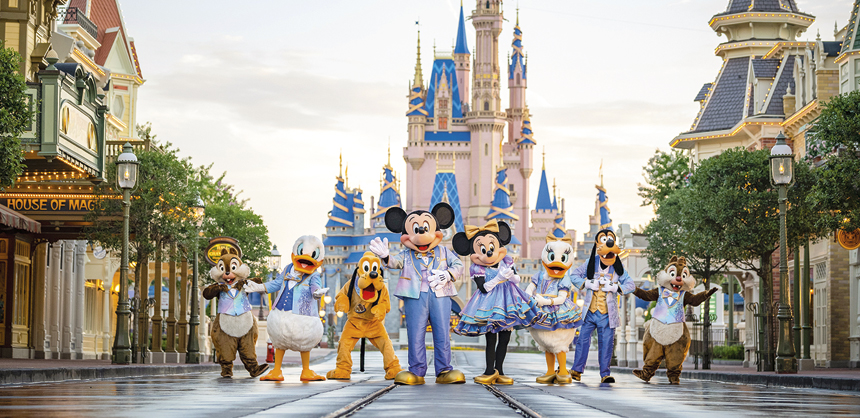
CIT-2026-0405_FloridaA_147x147

Florida Welcomes You

CIT-2026-0405_FloridaA_860x418


Florida has long held a reliable spot on corporate planners’ shortlists – and not just because of the weather. What keeps the state relevant year after year is how well it works operationally. Strong airlift, a deep bench of group-ready hotels and a wide range of experiences make it possible to match the right destination to the right program. Whether you’re planning a corporate leadership retreat, a citywide convention or a high-end incentive, Florida offers options that align with your goals, budget and attendee expectations.

What’s changed in recent years is how planners are using Florida more strategically. Rather than viewing it as a single destination, many are treating it like a portfolio – selecting specific markets based on program size, tone and desired outcomes. Orlando for scale and infrastructure. South Florida for glamour and international airlift. The Panhandle for natural beauty at a lower price point. And increasingly, secondary markets like Naples, Sarasota and Amelia Island for planners who want a more intimate, distinctive setting without sacrificing service quality.

Planners today are operating in an environment where attendee expectations are high and every event has to deliver. Florida answers that challenge with a portfolio of properties that spans iconic theme park immersive experiences, luxury beachfront resorts, sprawling convention-ready complexes and boutique gems with serious personality. Whether you’re managing a 50-person incentive trip or a 5,000-person general session, there’s a Florida property built for the occasion.

The Seminole Hard Rock Hotel & Casino, Hollywood  is known for gaming, as well as top notch entertainment, fine dining and more.

The Seminole Hard Rock Hotel & Casino, Hollywood is known for gaming, as well as top notch entertainment, fine dining and more.

The Perfect Fit

For Jen Ruthig, CMP, manager of events at Starkey Hearing in Eden Prairie, MN, a long relationship with Florida as a meetings destination has provided ample lessons. She recalls being deep into planning a fall corporate program in Orlando when a storm that wasn’t supposed to be a problem shifted and passed directly over the area. “Our focus was on clear communication with attendees and safety planning,” says Ruthig. “We ultimately had to end the program one day early, but attendee safety was the top priority.” She navigated it. The program survived. And she kept coming back to Florida.

Ruthig has run programs ranging from executive retreats to a 1,000-person customer conference with general sessions, breakout programming and a massive trade show — all hosted at Rosen Shingle Creek in Orlando. “The Florida location allowed us to incorporate outdoor events and take advantage of the state’s favorable weather,” she says. “We were able to host the event at a large conference hotel that delivered exceptional customer service.” Her advice to planners: start with clarity. “Florida is incredibly diverse, which is one of the reasons I enjoy planning events there – but it also means you have to start with a clear vision. Define what you want to achieve, the overall look and feel, and the budget you’re working within. Once those pieces are clear, it becomes much easier to narrow in on the right region.”

Ashley Krause is a director of business specialists for a food service distribution company in Houston, TX, and knows that dynamic well. She produced a food show at Rosen Shingle Creek in Orlando – branded as the Summer Soiree – and is currently booking a follow-up at the Ocean Center in Daytona Beach. The event was held indoors to beat the heat, but the team brought the outdoors inside with a gazebo, outdoor furniture and design cues that evoked alfresco dining. “A Florida setting can make a food show feel less like a formal event and more like an experience people actually enjoy being part of – which boosts energy, engagement and business results,” says Krause. “Florida works so well because it blends functionality with a built-in reward feeling. It makes it easy to plan indoor and outdoor events all year-round.”

Jill Garcia, chief inspiration officer and owner at The Hutton Group in Pittsburgh, PA, points to the breadth of hotel options across Orlando, Fort Lauderdale, Miami and Tampa, but also encourages planners to look beyond the marquee markets. “Destinations such as Naples, Sarasota, Palm Beach and Amelia Island offer exceptional venues, often paired with a more relaxed and distinctive atmosphere,” she says.

Planning for the Weather — and Around It

Every experienced Florida planner has a weather story. For Mary Higbe, founder and CEO of In Your Pocket in Plano, TX, it was returning to The Don CeSar on St. Pete Beach last fall as one of the first large groups back after the devastating 2024 hurricane season. “We had backup plans for backup plans, and The Don was wonderful to work with to ensure we could quickly pivot,” she says. “Fortunately, we didn’t need to.”

Krause’s approach is straightforward: “Plan early, build in weather contingencies – but take advantage of the outdoors when possible.” She structures programs outside hurricane season where possible and always ensures an indoor fallback.

Garcia’s team has hosted programs from August through November and finds that direct disruptions are rarer than the reputation suggests. “In most cases, events proceed successfully with proper planning, contingency measures and close monitoring of forecasts,” she says.

For additional peace of mind, Andrea Milrad Heilweil, vice president of sales & marketing at The Hutton Group, points to Visit Florida’s “Cover Your Event” program, which offers no-cost hurricane insurance. In 24 years of site selection, Heilweil’s team has had only two programs cancel due to hurricanes.

Rosen Shingle Creek in Orlando offers a championship golf course, plenty of amenities and 490,000 sf of meeting and event space.

Rosen Shingle Creek in Orlando offers a championship golf course, plenty of amenities and 490,000 sf of meeting and event space.

Matching Venue to Group

With so many options, the challenge isn’t finding a Florida venue – it’s finding the right one. Krause frames her approach around the event’s primary objective: “We prioritize our event’s goal – choosing convenience for attendance, space and amenities for experience – and adjusting location or timing to stay within budget.”

It’s important to answer two key questions with every Florida program: Where are the majority of attendees flying in from, and what is the demographic of the group? “What will be their priority for leisure time – golf, adventure, theme parks, spas, nightlife?” Flight access matters more than many planners realize: The less friction you can have for your attendees to get there, the more likely they will be to attend.

Higbe adds a practical note about keeping attendees engaged once onsite: “Florida venues are well aware of the competition for attention and make every effort to have everything needed right on property.”

On budget, Florida’s diversity is both an asset and a variable. In fact, comparing costs across the state is “almost like comparing apples to oranges” – Miami bears little resemblance to Tampa or Orlando. Heilweil observes that while peak-season beachfront rates can strain a budget, “planners may potentially be spending less on décor because the destination does a lot of the work for you.” And Higbe has found that strategic date selection can deliver significant savings: “Depending on the time of year, Florida can be remarkably affordable.”

The Outdoor Advantage

One of Florida’s most consistent competitive advantages is the ability to move programming outside – and to do so reliably across most of the year.

Krause points to outdoor space as a tool for event elevation. For her company’s Summer Soiree, the team couldn’t use the outdoors directly – the Florida summer heat made that impractical – but they brought outdoor elements indoors: a gazebo, patio furniture and a design language that evoked warm-weather entertaining. The result was an event that felt like an experience rather than an obligation. “Florida’s atmosphere creates a unique, elevated time that can turn an obligation into a lasting impression,” she says. Heilweil echoes the operational upside: beachfront events and poolside receptions “add a level of uniqueness that enhances attendee engagement” while often reducing the need for extensive decor investment.

Higbe frames the outdoor advantage from the venue selection stage. When she walked the grounds of The Don CeSar before booking her 350-person user conference, the decision practically made itself. “With its location on the beach, I knew from the moment that I walked outdoors that our entertainment venues were built in – and you can’t beat the sunsets,” she says. That built-in sense of place – a setting that communicates something beyond a generic conference room – is at the heart of what Florida’s best venues consistently deliver.

Caribe Royale Orlando offers 260,000 sf of meeting and event space minutes from theme parks and other popular attractions.

Caribe Royale Orlando offers 260,000 sf of meeting and event space minutes from theme parks and other popular attractions.

Orlando: The Meeting Capital

Orlando consistently ranks among the top three meetings destinations in the country, and it’s easy to understand why planners keep returning. Ruthig hosted a major customer conference here for nearly a decade, drawn by the infrastructure, the airlift, and an entertainment ecosystem that does the heavy lifting on attendee engagement.

For incentive programs especially, the Walt Disney World and Universal Orlando Resort campuses offer something almost no other market can match: exclusive access experiences that feel genuinely out of reach in ordinary life. The ability to have private events at the parks is the kind of differentiator that makes Florida a compelling sell to attendees. In fact, Florida is a great destination if you are trying to encourage folks to bring their whole families. That pull matters: when the destination itself becomes an incentive, registration numbers tend to reflect it.

The property options in Orlando reflect that range of program types. Disney Meetings & Events operates across the entire Walt Disney World campus – multiple resort hotels, theme parks and venues that don’t exist anywhere else. Private park buyouts, character meet-and-greets woven into receptions, after-hours events at EPCOT or Hollywood Studios: these are experiences that stay with attendees long after the conference ends. Universal Orlando has made comparable investments, with Loews Portofino Bay Hotel and Loews Royal Pacific Resort functioning as serious meeting and incentive properties. The Wizarding World of Harry Potter private buyout has become a perennial planner favorite. For planners who want proximity to the Disney campus without the full Disney price tag, the Walt Disney World Swan & Dolphin – and Swan Reserve – offer one of the most flexible meeting footprints in the market.
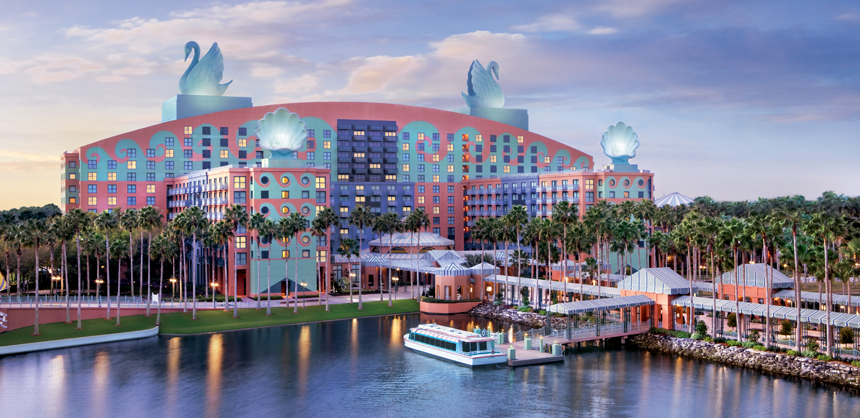
Away from the theme park corridor, Rosen Shingle Creek – where Ruthig ran her 1,000-person conference and Krause produced the Summer Soiree – is the independent standout. The property sits on 230 acres with a championship golf course and meeting facilities designed for serious scale, but what distinguishes it is the ownership culture. The Rosen family has managed Orlando properties for decades, and that tenure shows in food and beverage quality, sales team continuity and the kind of institutional knowledge that branded hotels can’t replicate.

For large-scale programs needing purpose-built infrastructure, Gaylord Palms Resort & Convention Center’s glass-enclosed atrium – a climate-controlled environment with restaurants and dramatic landscape features – creates naturally memorable space for opening receptions. And for incentive groups where suite accommodations matter, Caribe Royale Orlando remains one of thew destination’s best-kept meetings secrets, with a technically sophisticated convention center and recent renovations throughout. Planners who discover it tend not to look elsewhere.

Lee County

Lee County, located along the state’s southwest Gulf Coast, is becoming an increasingly attractive destination known for a laid-back vibe with cities like Fort Myers, Sanibel Island and Cape Coral being a draw. One advantage is accessibility. Southwest Florida International Airport provides direct flights to dozens of major U.S. cities and sits roughly 20 minutes from many hotels and meeting venues.

Punta Gorda/Englewood Beach

Punta Gorda/Englewood Beach is another popular destination that offers great amenities without all the crowds. Known for its beaches, golfing and fishing, it delivers small-town charm and exclusivity. Planners will find plenty of space and amenities at The Sunseeker Resort Charlotte Harbor. It boasts a championship golf club, world-class restaurants and bars, a 25,000 sf multi-dining food hall, as well as 60,000 sf of state-of-the-art meeting and event spaces.

Northeast Florida

Jacksonville is known for a lively vibe and vibrant atmosphere with a mix of skyscrapers, world-class museums, nightlife options, music halls and upscale lounges juxtaposed with 5.6 miles of beautiful riverfront perfect for a stroll in between meetings. The destination is home to more than 400 city parks as well as sandy beaches. The Southbank Hotel Jacksonville Riverwalk offers almost 40,000 sf of meeting and event space near some of the city’s most popular downtown attractions.

Tampa Bay & the Gulf Coast

The Gulf Coast offers several distinctly different properties worth serious consideration. The Don CeSar – a 1928 National Register landmark on St. Pete Beach – is the kind of setting that answers the venue question before the program is even designed. Higbe chose it for her user conference and described her site visit in terms that capture why historic properties earn their reputations: “We never want the question of ‘how was your conference?’ to be met with ‘I saw conference rooms.’” She found the built-in entertainment venues and location were great assets for the property.

Further up the coast, the Seminole Hard Rock Hotel & Casino Tampa occupies the opposite end of the atmosphere spectrum. For groups that want entertainment depth embedded in the environment, Hard Rock Tampa delivers with the excitement of the casino, live entertainment at Hard Rock Live and other resort amenities that keep attendees on property long after the sessions end.

Pier Sixty-Six is a luxury waterfront venue in Fort Lauderdale not far from the beach and airport.

Pier Sixty-Six is a luxury waterfront venue in Fort Lauderdale not far from the beach and airport.

South Florida

South Florida’s meetings landscape is cosmopolitan, glamorous and strategically compelling. As Ruthig notes, if the goal is a beach setting with an upscale, urban vibe, Miami and Fort Lauderdale are strong options.

Heilweil’s 250-person conference at Pier Sixty-Six Resort in Fort Lauderdale last fall illustrated what the region’s weather makes possible: poolside receptions that are, in her words, “difficult to replicate in many markets.” The range of options – from Miami’s South Beach energy to Fort Lauderdale’s value proposition – means planners can calibrate to almost any program profile.

Loews Miami Beach Hotel combines serious infrastructure with genuine resort atmosphere – its meeting facilities are among the market’s most flexible, paired with a service culture that sophisticated corporate groups rely on.

For programs where the environment needs to communicate luxury at every touchpoint, the JW Marriott Miami Turnberry Resort & Spa – on Aventura’s Intracoastal Waterway delivers a resort atmosphere that feels unhurried in a market that rarely slows down.

For planners managing tighter budgets, Fort Lauderdale rewards a second look: the recently opened Omni Fort Lauderdale anchors a Broward County Convention Center campus that is now one of the most capable large-convention environments in the Southeast, with cost structures that compare favorably to Miami Beach.

Between Miami and Fort Lauderdale, in Hollywood, Signia by Hilton Diplomat Beach Resort handles scale and beachfront access in equal measure, drawing from both Miami and Fort Lauderdale for multi-origin groups.

The Seminole Hard Rock Hotel & Casino Hollywood with its 450-ft tall guitar-shaped luxury hotel is another popular choice. This location has all the excitement attendees crave. They can play at the casino, watch world-class entertainment, eat at high-end restaurants and relax in style. The property boasts 120,000 sf of meeting and event space, which includes a 7,000 sf poolside function area.

Northwest Florida: The Panhandle

The Panhandle is Florida’s most underrated meetings region. The Emerald Coast’s sugar-white sand and emerald-green Gulf water are among the most spectacular beach environments in the continental U.S., and the Hilton Sandestin Beach Golf Resort & Spa is the market’s anchor property – beachfront access, a multi-course golf program, full-service spa, multiple dining venues and meeting facilities that scale for programs of meaningful size.

Ruthig recommends it explicitly as a budget-smart alternative. The affordability gap relative to South Florida isn’t just a line-item win – it frees planners to reinvest in food and beverage, gifting or entertainment that elevates the attendee experience in ways the budget couldn’t otherwise support.

The Bottom Line

Ruthig still plans events in Florida. She builds contingency plans for hurricane season and schedules morning beach sessions so attendees can soak up sunshine before the outdoors heats up. “Coming from Minnesota,” she says, “I know that attendees from the Midwest are especially eager to enjoy sunshine and fresh air when they travel here.” Krause is already booking her next Florida event and Higbe is scouting local artisans for attendee goodie bags. The pattern is consistent: planners who know Florida keep coming back.

It is also important to determine what makes the difference between a good Florida corporate program and a great one. The key is to have a solid understanding of your attendees and what motivates them to attend events. Ensure that your schedule allows for people to enjoy the amenities available – if your schedule is too full, there won’t be enough time for them to truly enjoy the destination.

Higbe adds that local knowledge is a secret weapon: she schedules downtime on site visits to explore the surrounding area. “I like to give attendees a good sense of local flavor. That kind of detail – specific, personal, tied to place – is exactly what separates memorable programs from forgettable ones.”

“Florida has world-class resorts and meeting spaces with built-in entertainment – Walt Disney World, Universal, the Space Center and more – which makes the event feel like a vacation, not work,” Krause says. That’s the promise Florida has been making to corporate planners for decades. The infrastructure to back it up – the airlift, the hotel inventory, the CVB relationships, the experienced staffs – is what keeps planners coming back year after year to test it.

And Ruthig’s final insight is characteristically practical: start with a clear vision, then call the destination’s convention and visitor’s bureaus. “They truly know their destinations inside and out,” she says, “and are invaluable partners when it comes to answering questions, surfacing options and helping shape a program that really works.” C&IT