






A Numbers GameJuly 1, 2026
Smart Data Adds Up to Improved Events By Zach ChouteauA Numbers Game
Smart Data Adds Up to Improved Events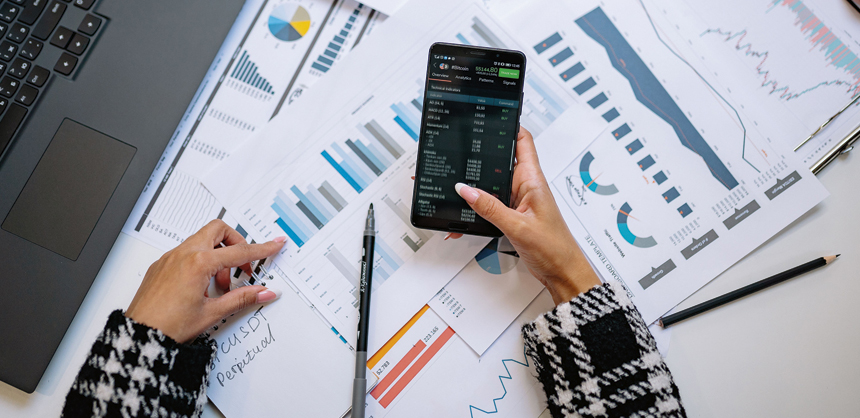
Driven by rising attendee expectations, tighter budgets and a rapidly expanding universe of event technology, data has become one of the most powerful forces shaping modern meetings. Yet, the sheer volume of information available to planners today can feel as overwhelming as it is promising. With every registration click, session scan, app interaction and post-event survey generating new signals, the challenge is no longer whether data exists — it’s how to make sense of it.
How much data is too much? Which metrics actually matter? And how can planners balance the science of analytics with the art of human-centered event design?
To explore these questions, we spoke with four seasoned event leaders whose work spans associations, corporate events, experiential agencies and event tech innovation: Kari Messenger, CMP, director of events for Independent Electrical Contractors Inc.; Falon Veit, founder and CEO of EES Agency; Blake Hudelson, co-founder and chief product & design officer at BoomPop; and Valerie Bihet, CEO of The Vibe Agency.
Their perspectives differ, but one key takeaway is clear: when used thoughtfully, data doesn’t just measure events — it transforms them.
The New Data Mindset
A decade or so ago, event data was mostly focused on hindsight. Planners collected registration numbers, tallied attendance and reviewed post-event surveys. Today, data is a strategic engine that drives decisions before, during and long after an event concludes.
Messenger has witnessed this evolution firsthand. “More than ever, data plays a critical role in both evaluating the success of our events and shaping future strategies,” she says. Her team tracks attendance trends, session participation, exhibitor feedback, financial performance and more. But the most valuable insights increasingly come from engagement data — the signals that reveal what attendees actually value.
“While registration numbers and revenue remain important metrics,” she explains, “our team has found that engagement data provides the deepest insights into attendee value and event effectiveness.”
Messenger’s team uses event management platforms, registration systems, mobile app analytics, survey tools and weekly reporting dashboards. These tools allow her to track attendee behaviors, identify content preferences, measure networking participation and evaluate how different audience segments engage with the event experience. She emphasizes that qualitative feedback — through surveys, focus groups and conversations — is equally important, because it provides context behind the numbers.
One example she cites is her organization’s annual meeting welcome party. Attendance reports, F&B consumption data and attendee feedback revealed a steady decline in participation. “After analyzing the data and gathering input from attendees, exhibitors, volunteers and other key stakeholder groups, it became clear that the existing format was no longer meeting the needs of our audience,” she says. Her team redesigned the event to better align with attendee preferences. “The result was a more intentional use of our budget, increased attendee interaction and a stronger overall event experience.”
This is the new data mindset: not just measuring outcomes but using insights to drive strategic decisions.
Hudelson echoes this shift, arguing that associations should treat events “like a living product.” He believes the most successful organizations will use data to shape everything from agenda structure to networking formats to sponsorship strategy. “Most events are treated like one-time productions,” he says, “but the best associations will start treating every event like a living product.”
Metrics That Actually Predict Success
With so many possible data points, planners must decide which ones truly matter. And that depends heavily on the type of event.
Veit points to registration to attendance conversion, session fill rates and Net Promoter Score (NPS) as leading indicators. “Public Events: Registration-to-attendance conversion, session fill rates and NPS are our core leading indicators,” she says, “validated post-event against repeat attendance and audience growth trends.”
These metrics reveal not just interest but follow-through — a vital discrepancy in an era of digital distractions and shifting priorities.
Corporate events often have more targeted goals, so the metrics shift accordingly. “Private/Corporate Events: Success metrics shift toward goal alignment,” Veit explains. She looks at attendee engagement scores, executive participation rates and relationship depth indicators such as one-on-one meeting completion. “Post-event validation ties back to client-defined outcomes, whether that’s pipeline generated, decisions made or team alignment achieved.”
Bihet trusts one metric above all: return intent. “If they say yes within 48 hours of the event that they will come back, it’s better data than rating the food and the AV,” she says.
For sponsors, she looks at the re-sign rate: “If they sign before the post-event report is even finished, you did your job,” she adds.
Hudelson emphasizes that the most predictive signals are behavioral, not verbal. “People may say they loved everything in a post-event survey,” he notes, “but their behavior tells a clearer story.”
He points to repeat attendance, early registration, session depth, networking activity, sponsor engagement, app usage and post-event actions like joining committees or registering for webinars. These behaviors reveal not just satisfaction, but commitment — the foundation of long-term event success.
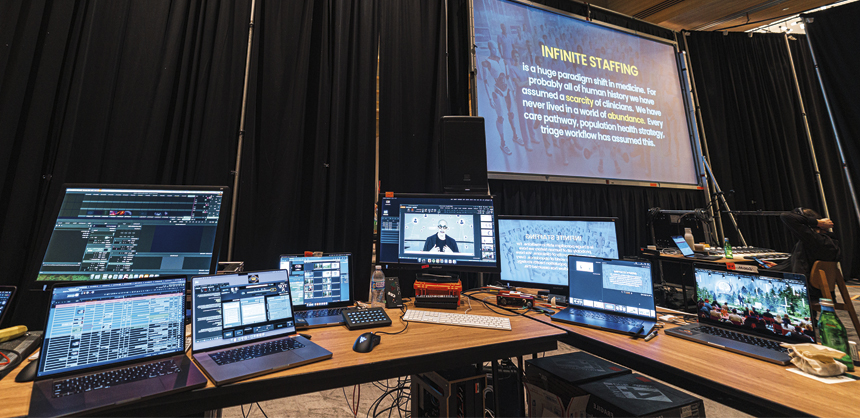
Planners can use a wide range of data gathering tools, but the best ones also help planners make decisions. Photo courtesy of EES+ and Corpay: Sam Hearne/EES Agency
The Hidden Story in Attendee’s Actions
If traditional metrics tell planners what happened, behavioral data explains why it happened and what to do next.
Messenger uses engagement patterns to refine programming, track content preferences and evaluate networking participation. “These tools allow me to track attendee behaviors, identify content preferences, measure networking participation and evaluate how different audience segments engage with the event experience,” she says.
Veit takes this even further by analyzing dwell time, session attendance patterns and networking density. “Session attendance patterns and dwell time tell us what content earns attention versus what gets skipped,” she explains. “Together, these give us one of the fastest and most actionable feedback loops in the business.”
Networking density — how many meaningful connections are made and when — is especially valuable. “Strong networking moments are often the highest-value part of any event,” she says, “and deserve the same programming rigor as content.”
Bihet agrees, emphasizing the value of session abandonment rates. “You can really use a session abandonment rate,” she says. “You can have 300 to 400 people and they stay until the last minute — that is more valuable than having a session with 500 and only 15 stay.”
Behavioral data also reveals friction — the overlooked enemy of event growth. Hudelson calls friction the most overlooked data point. “Confusing registration flows, unclear session descriptions, long check-in lines, bad wayfinding — these moments rarely show up as one giant failure, but they quietly limit growth,” he says.
Tools, Platforms & Real Time Insight
The modern planner’s toolkit is more powerful than ever; but the goal isn’t sophistication, it’s actionability. All four experts underscore that the best tools are the ones that help planners make decisions, not just collect data.
Messenger leans on a mix of platforms that work together to create a holistic view of attendee behavior. “We use event management platforms, registration systems, mobile app analytics, survey tools and weekly reporting dashboards,” she says. This combination allows her team to track everything from session attendance to networking participation to exhibitor engagement. But she stresses that the tools are only as valuable as the insights they produce. “Feedback collected through surveys, focus groups and conversations … is equally important, helping to provide context behind the numbers,” she explains.
Veit agrees, noting that the most effective tools are those that unify data streams. “The platforms that give us the most actionable insights are those that unify registration, check-in, behavioral tracking and feedback into a single view,” she says. She warns that overly complex systems can actually hinder decision-making if they overwhelm planners with dashboards that don’t translate into action. “Actionability always trumps sophistication,” she says. “A clean, connected dashboard that drives decisions is more valuable than a powerful platform that nobody uses.”
Bihet has relied heavily on Bizzabo’s tracking capabilities, which she describes as transformative for understanding attendee movement and engagement. “They put a tracker chip in your badge … then we get the data from that on where people spend their time,” she explains. Sensors placed throughout the venue capture movement patterns, dwell time and session flow.
She then uses AI to analyze sentiment, social commentary and qualitative patterns. But she also warns against over-reliance on dashboards: “What’s missed sometimes is a real interview with 10 attendees,” she remarks. “Getting honest responses from 10 people is more valuable than 1,000 survey responses.”
Hudelson sees the future of event tech moving toward systems that not only collect data but interpret it. “The next generation of tools will not just show you what happened,” he says. “They will tell you what it means.”
He believes that the most successful associations will be those that adopt tools capable of synthesizing data across multiple touchpoints — registration, travel, session attendance, networking, sponsorship and post-event engagement — into a single, actionable narrative.
Personalization, Privacy & Trust
As data collection becomes more sophisticated, planners must navigate the delicate balance between personalization and privacy. Attendees increasingly expect events to feel tailored to their interests, but they also expect transparency about how their data is being used.
Bihet stresses the importance of clear communication. “Before we collect the data, we have to be explicit about informed consent,” she says. “We have to tell them what we collect, why we collect, how they can access to correct if they want to.” She believes that when trust is built properly, attendees feel respected and are more willing to share data. “When you build the trust properly … they will feel respected and share more, not less.”
Messenger echoes this sentiment, noting that data should be used to enhance the attendee experience, not overwhelm or alienate them. She emphasizes that transparency is key to maintaining trust, especially as events adopt more sophisticated tracking technologies.
Hudelson frames the issue in simple terms: “Personalization should feel helpful, not creepy.” He believes attendees are comfortable with data use when the value is obvious — personalized session recommendations, relevant networking matches or streamlined check-in experiences. But when data use feels invisible or manipulative, trust erodes quickly. “The best approach is transparency, control and restraint,” he says.
Veit adds that privacy expectations vary by audience type. Corporate attendees may be more accustomed to data collection, while public event attendees may require more reassurance. She notes that clear opt-in mechanisms and visible privacy statements can go a long way toward building trust.
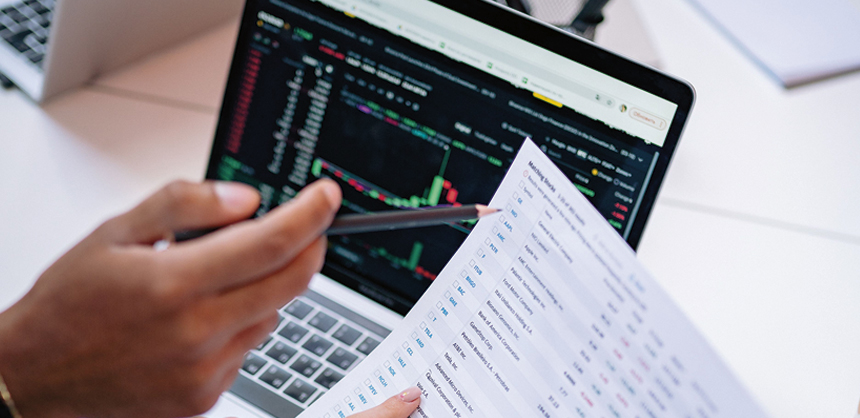
Technology can help planners track attendee behaviors, identify preferences and measure participation.
AI’s Expanding Role
AI is poised to reshape event strategy more dramatically in the next two to three years than any other technology. All four experts see AI as a powerful tool — but only when used thoughtfully.
Hudelson predicts a shift from AI as a chatbot to AI as an operating layer. “Soon, every attendee will have an AI assistant that can answer event questions, recommend sessions, build a personalized agenda, suggest who to meet, help navigate the venue and even take action,” he says. He believes AI will eventually connect dots across registration, travel, budgets, preferences and engagement. Instead of stitching spreadsheets, planners will ask questions — and get answers.
Messenger sees AI already transforming dashboards, real-time reporting and data visualization. “Data has shifted from being a tool used primarily for post-event evaluation to a strategic resource that drives decision-making before, during and after an event,” she says. She believes AI will help planners identify trends more quickly and make more informed decisions in real time.
Bihet uses AI to accelerate qualitative analysis, sentiment tracking and emotional impact evaluation. She believes AI can help planners identify patterns that would be difficult to detect manually. “AI helps us understand the emotional experience,” she says. “It can analyze tone, sentiment and reactions in ways that humans might miss.”
But Hudelson cautions against overhyping generic AI content generation. “Writing another session description or marketing email faster is useful, but it is not transformative,” he says. The real breakthrough is AI that reasons across event data and helps planners make better decisions.
Veit sees AI as a tool for enhancing personalization at scale. She envisions AI-driven agendas, matchmaking and content recommendations becoming standard features of major events. But she also warns that AI must be used responsibly.
Designing Year Round Engagement
The most forward-thinking planners see events not as isolated moments but as the center of a year-round engagement ecosystem.
Hudelson notes that the event should not end when people leave the venue. “In many ways, that is when the real relationship begins,” he says. Post-event data reveals what attendees care about and where they’re likely to engage next. Associations can use this information to design virtual roundtables, regional meetups, personalized content, peer groups, sponsor follow-ups, certification paths and member communities.
Messenger echoes this, noting that engagement data now spans the entire event lifecycle. She believes that planners can use this data to create more personalized and impactful attendee experiences. “The true value of data comes from how it is applied,” she says. “After each event, our team reviews trends and patterns to identify what should be repeated, improved or eliminated.”
Veit tracks long-term impact through client retention, referral activity and pipeline conversion. She believes that the real measure of a successful event shows up in the business 60–90 days later. “The real measure of success is what happens after the event,” she says.
Bihet extends follow-up to 30, 90 and 180 days — with opt-outs at each stage to maintain trust. “The ones who stay are the most engaged for your audience,” she notes. She believes that longterm engagement is the key to building strong communities and sustaining event momentum.
The Human Factor
For all the sophistication of modern event analytics, every expert we spoke with emphasized the same truth: data alone is not enough. Numbers reveal patterns, but people reveal meaning.
Messenger stresses that qualitative feedback is essential for interpreting quantitative trends. Her team often uses data to identify areas of interest or concern, then follows up with targeted conversations to understand the “why” behind the metrics.
Veit agrees, noting that data can sometimes mislead if taken at face value. She recalls events where session attendance looked low on paper, but attendee feedback revealed that participants were engaged in hallway conversations, sponsor meetings or networking lounges — all of which delivered high value. “Data tells you what happened,” she says, “but people tell you why it mattered.”
Bihet takes this even further, arguing that emotional resonance is often the most important and most overlooked indicator of event success. “The return intent is the best metric because it really processes the full emotional experience,” she says. She believes that planners must look beyond numbers to understand how attendees felt, what surprised them and what they will remember.
Hudelson echoes this sentiment, noting that behavioral data is powerful but must be interpreted through a human lens. “People may say they loved everything in a post-event survey,” he says, “but their behavior tells a clearer story.” Yet, even behavior can be ambiguous without context. A crowded session might indicate popularity — or it might reflect a lack of alternatives. A quiet networking lounge might signal poor design — or it might mean attendees found better places to connect.
The most effective planners, he argues, are those who blend data with intuition, observation and conversation.
Asking Better Questions
One theme that emerged repeatedly in our conversations is that data becomes more valuable when planners ask better questions. Instead of simply tracking metrics, the experts recommend using data to explore deeper strategic issues.
Messenger’s team regularly asks questions such as:
- Which sessions drive the most engagement — and why?
- Which attendee segments are most active — and what do they need next?
- Where are we overspending — and where should we invest more?
- What friction points are consistently slowing people down?
These questions help her team move beyond surface-level reporting and toward actionable insights.
Veit’s team uses a similar approach, especially when working with corporate clients. She often asks:
- What business outcome is this event meant to drive?
- Which behaviors indicate progress toward that outcome?
- How can we design the event to encourage those behaviors?
By aligning metrics with business goals, her team ensures that data supports strategic decision-making rather than simply documenting activity.
Bihet focuses on emotional and experiential questions:
- What moments created the strongest emotional response?
- Where did attendees feel most connected or disconnected?
- What surprised them?
- What will they remember a week, a month or a year later?
She believes these questions help planners design events that resonate on a deeper level.
Hudelson encourages planners to ask questions about friction and flow:
- Where did attendees get stuck?
- What slowed them down?
- What confused them?
- What energized them?
He argues that removing friction is one of the most powerful ways to improve event satisfaction and increase return intent.
The Future of Event Data
Looking ahead, all four experts see event data becoming more connected, more intelligent and more deeply integrated into the attendee experience.
Messenger believes that real-time data will become increasingly important. “Data has shifted from being a tool used primarily for post-event evaluation to a strategic resource that drives decision-making before, during and after an event,” she says. She envisions a future where planners can adjust room layouts, staffing levels or session formats on the fly based on live engagement metrics.
Veit sees personalization becoming more sophisticated and more expected. She believes that attendees will increasingly demand experiences tailored to their interests, goals and learning styles. AI-driven agendas, matchmaking and content recommendations will become standard features of major events. But, she cautions that personalization must be balanced with privacy and transparency.
Bihet predicts that emotional analytics will play a larger role in event design. She believes that AI will help planners understand not just what attendees do, but how they feel — and why. “AI helps us understand the emotional experience,” she says. “It can analyze tone, sentiment and reactions in ways that humans might miss.”
Hudelson sees the biggest shift coming from AI’s ability to synthesize data across multiple touchpoints. He believes that AI will eventually act as an operating system for events, connecting registration, travel, session attendance, networking, sponsorship and post-event engagement into a single, coherent narrative. “The next generation of tools will not just show you what happened,” he says. “They will tell you what it means.”
The Bottom Line?
For all four experts, one truth stands out: data is only as valuable as the decisions it enables.
Messenger emphasizes that data must be used intentionally. “The true value of data comes from how it is applied,” she says. Her team uses data to identify what should be repeated, improved or eliminated — but always in service of a larger vision.
Veit believes that data should support, not dictate, event strategy. She warns against chasing metrics for their own sake. “The real measure of success is what happens after the event,” she says. “Data should help you understand that — not distract you from it.”
Bihet argues that data must be balanced with emotion, intuition and human connection. “The return intent is the best metric,” she says, “because it really processes the full emotional experience.”
Hudelson sees data as a way to reduce friction, increase engagement and build long-term relationships. But, he cautions that data is not a replacement for creativity. “Data is a flashlight,” he says. “It helps you see what you might have missed. But it doesn’t replace judgment.”
Turning Data into Meaning
In an era of limitless information, the smartest events aren’t the ones with the most data — they’re the ones with the clearest purpose.
The best planners don’t chase every metric. They focus on the signals that reveal attendee value, reduce friction, strengthen relationships and guide strategic choices. They blend quantitative and qualitative insights. They use AI to accelerate understanding, not replace human judgment. And above all, they treat data not as a report card, but as a roadmap.
Events are ultimately human experiences. Data can illuminate the path — but it’s the planner’s vision, empathy and creativity that bring the journey to life. | AC&F |