







Destination VirginiaMarch 1, 2026
Offers Unique Venues & Historic Charm By Maura KellerDestination Virginia
Offers Unique Venues & Historic Charm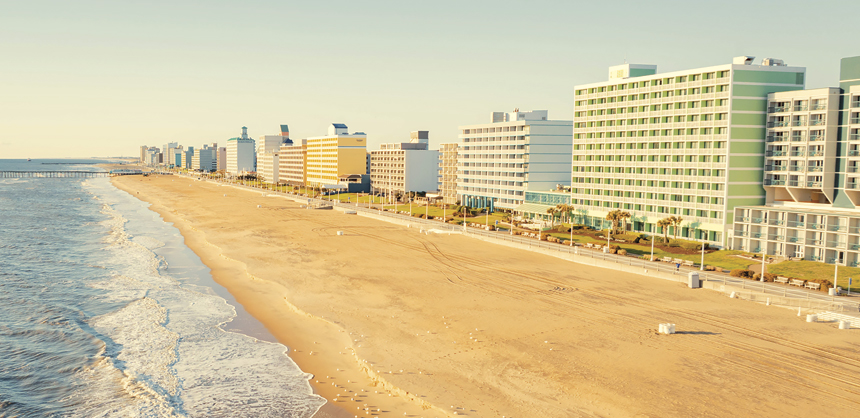
Virginia Beach, with its 38 miles of stunning beaches and abundance of amenities, offers a true resort-style experience.
For association planners seeking destinations that deliver both high-level meeting infrastructure and memorable attendee experiences, Virginia continues to stand out. From waterfront urban centers to immersive historic resorts, the Commonwealth offers a variety of environments that blend accessibility, hospitality and a strong sense of place.
Virginia Beach
Virginia Beach is an outstanding destination for associations looking to host conventions, meetings and conferences because it combines serious meeting infrastructure with a true resort-style experience — something that’s increasingly important for driving attendance and engagement.
At the heart of the destination is the Virginia Beach Convention Center, one of the largest convention centers on the East Coast, offering more than 500,000 sf of flexible meeting and exhibit space. Surrounding it are hundreds of oceanfront hotel rooms and a wide range of full-service and boutique properties, making it easy to accommodate both large conventions and mid-sized meetings within a compact area.
Virginia Beach is also highly accessible, especially for East Coast associations. It’s served by Norfolk International Airport (ORF), which is about 20 minutes from the oceanfront and offers direct flights to major hubs. The region is also drivable for a large portion of the U.S. population, which helps associations boost attendance while keeping travel costs manageable.
One of Virginia Beach’s biggest advantages is its appeal with an oceanfront boardwalk, miles of beaches, water sports, golf and a vibrant dining scene giving attendees plenty to look forward to outside the meeting room. This makes Virginia Beach especially attractive for events, where “destination value” can be a deciding factor in registration.
The beach setting naturally encourages networking in a relaxed, social environment. The region also supports many associations’ goals of prioritizing wellness and work-life balance, even at conferences and conventions. Virginia Beach offers an abundance of walkable outdoor spaces and activities that promote relaxation and mental reset – while still providing the professional meeting environment associations require. Planners can easily have receptions on the sand, oceanfront dinners, team-building activities or excursions such as dolphin cruises, kayaking or visits to nearby attractions like First Landing State Park and the Chesapeake Bay.
Visit Virginia Beach, the much-celebrated regional CVB, is known for being highly engaged with planners, offering site inspections, logistical support, local vendor connections and creative ideas for off-site events. That level of destination partnership reduces planning risk and helps deliver more polished events.
Two recent events – one in downtown Norfolk and another at Colonial Williamsburg – highlight why planners increasingly look to Virginia when designing gatherings that go beyond standard ballroom experiences.
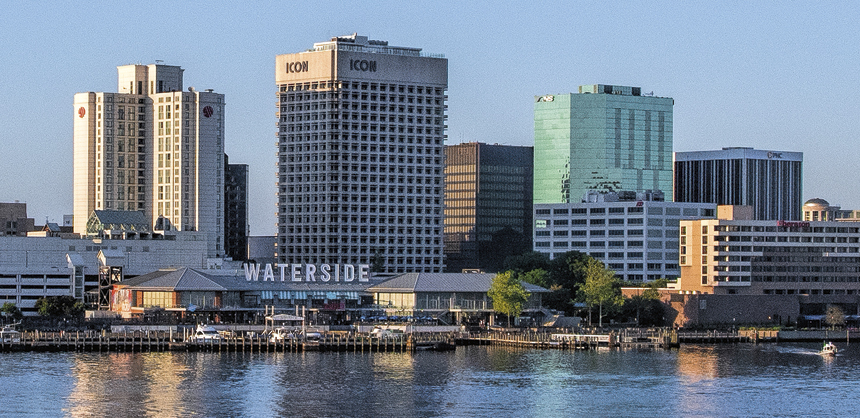
Norfolk’s revitalized downtown has a lively culinary and cultural scene.
Norfolk
Norfolk, located along the Elizabeth River in southeastern Virginia, has quietly built a reputation as a meetings destination that offers far more than expected. With modern convention hotels, a revitalized downtown, and a lively culinary and cultural scene, the city appeals to associations seeking convenience without sacrificing character.
Returning to Norfolk year after year is the Virginia Sheriffs’ Association, Inc. and the Virginia Sheriffs’ Institute (VSI). They regularly host a spring conference and exhibition in the city, drawing around 500 attendees, and recently held an executive management training program for chief deputies.
“I love planning events in Norfolk,” says Megan Williams, CMP, CAE, deputy director of the Virginia Sheriffs’ Association. “The conference hotels are perfect for our events with lots of meeting space, and Norfolk has a vibrant, walkable restaurant scene.”
That combination of functional space and urban energy has proven to be a winning formula. For large associations, having multiple hotels with extensive meeting facilities allows planners to design conferences with general sessions, breakouts, exhibitions and networking events under one roof or within easy walking distance. But it’s what happens outside the meeting rooms that often makes the biggest impression on attendees.
From harbor cruises and waterfront dining to live entertainment and minor league baseball at Harbor Park, Norfolk offers plenty of opportunities for attendees to unwind after a full day of sessions. The city’s compact downtown core means participants can easily explore without needing shuttles or long transfers, a major plus for planners focused on both budgets and attendee satisfaction.
For Williams, the true value of Norfolk lies in its ability to balance professional needs with personal experiences. “I believe Norfolk is a fun, walkable city,” she says. “You get big-city amenities in an easy-to-navigate downtown. Our attendees have excellent hotel accommodations and a great meeting environment during the conference, but then have outside activities and restaurants that create that meaningful event experience that gives a lasting impact.”
That “lasting impact” is increasingly what associations are chasing. In a competitive environment where attendance is not guaranteed, planners must create events that feel worth the time and investment. Destinations like Norfolk help by offering built-in appeal that enhances programming without requiring extensive custom production.
Williams also points to the broader region as an added bonus. While many conferences stay in the downtown area, planners have access to a wide range of off-site options, including Old Dominion University, the Virginia Zoo, Norfolk Botanical Garden and a variety of historical attractions.
“Visit the city,” she advises other planners. “Let the folks at Visit Norfolk take you on a site tour or fam trip of the entire city and its properties. It’s a fun city with lots to offer.”
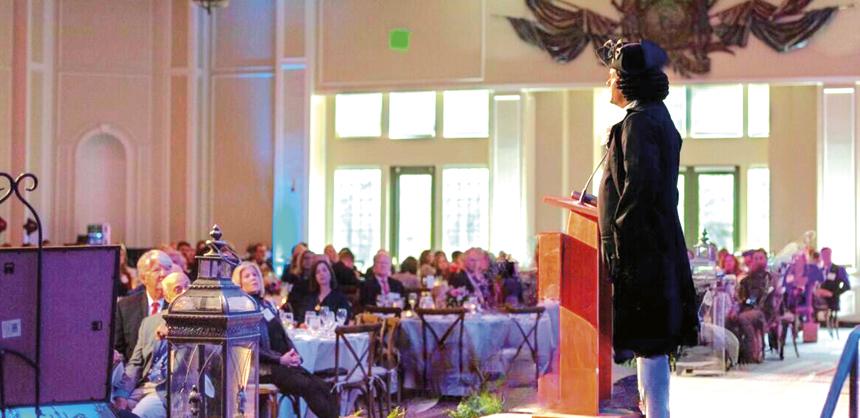
Colonial Williamsburg brings history to life. Pictured: “Patrick Henry” speaks in the Virginia Ballroom at the Williamsburg Lodge.
Colonial Williamsburg
While Norfolk offers a contemporary urban setting, Colonial Williamsburg provides a completely different, but equally compelling, meetings experience. Known for its immersive historic environment, the resort also delivers the modern infrastructure required to run complex, multi-day programs.
Colonial Williamsburg Resort stands out as an exceptional destination for meetings and events because it delivers something planners are increasingly searching for: a setting that enhances learning and networking without compromising on professional meeting standards. It is one of the rare properties that successfully blends immersive storytelling with modern conference execution.
At a practical level, the resort offers the kind of robust infrastructure associations require. Properties such as the Williamsburg Lodge and Woodlands Hotel & Suites provide extensive, flexible meeting space designed to accommodate general sessions, concurrent breakouts, board meetings and evening receptions.
What truly differentiates Colonial Williamsburg, however, is the environment itself. Instead of the predictable atmosphere of a downtown convention hotel, attendees are immersed in a meticulously restored 18th-century setting. Cobblestone streets, historic taverns, colonial architecture and living history create a memorable backdrop that naturally encourages connection, and makes professional relationships feel more personal.
Jordan Vallerga, CMP, director of meetings and events at association management firm Eisenman & Associates, recently held the Poverty Law Center’s annual conference there. “We hosted the Annual Statewide Legal Aid Conference at the Williamsburg Lodge, bringing together legal professionals from across the Commonwealth for several days of education, collaboration and networking,” Vallerga says. “The conference included general sessions, concurrent educational breakouts and evening networking events, all supported seamlessly by the resort and AV teams.”
For associations managing content-heavy agendas, the ability to execute smoothly is critical. According to Vallerga, the Williamsburg Lodge stood out for its balance of atmosphere and operational excellence. “The Williamsburg Lodge was the ideal setting for our conference due to its central location, strong reputation for service and ability to support a complex, multi-day program,” she explains. “The property provided excellent meeting space, comfortable guest accommodations and an atmosphere that encouraged engagement and connection among attendees.”
That sense of connection is amplified by the setting itself. Surrounded by restored colonial buildings, museums and reenactments, attendees are immersed in a destination that feels distinctly different from a typical conference hotel.
What truly sets Colonial Williamsburg apart, Vallerga notes, is the level of partnership offered by the onsite team. “Lean into the expertise of the Colonial Williamsburg team – they truly excel at partnership,” she says. “From pre-planning through onsite execution, the staff is attentive, responsive and solutions-oriented.”
In an era where planners are often stretched thin, that level of support can make or break an event. Vallerga emphasizes the importance of involving conference services and AV teams early in the process. “I would also recommend involving conference services and AV early in the planning process, as their insight and experience add tremendous value and help ensure a smooth event,” she says.
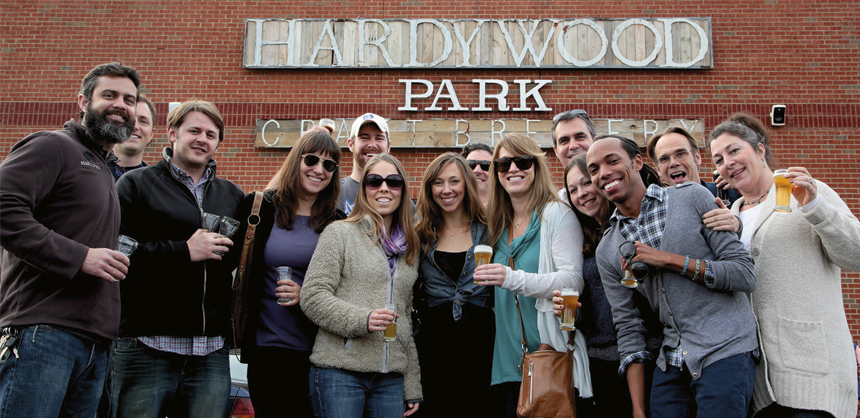
The Richmond region offers more than 30 award-winning craft breweries, as well as historic sites, a vibrant arts scene, outdoor activities and more.
Richmond
For association planners, choosing a destination that blends practical meeting infrastructure with unforgettable attendee experiences can feel like walking a tightrope. Richmond — the capital of the Commonwealth — makes it look effortless. With its central East Coast location, versatile venues, rich history and vibrant culture, Richmond offers a dynamic stage for successful events that leave a lasting impression.
Accessibility is a major win. Richmond International Airport connects directly to major hubs, and I-95 and I-64 provide convenient driving access from Washington, D.C., Raleigh, Norfolk and beyond. For planners juggling multi-state attendees, that translates to higher attendance potential and smoother logistics — two essentials for a successful conference or convention.
Versatility is another hallmark of Richmond. At the heart of the city is the Greater Richmond Convention Center, offering 178,158 sf of exhibit space for events. But Richmond doesn’t stop there. Downtown and surrounding neighborhoods host full-service hotels and historic sites ideal for workshops, executive retreats or evening receptions. Planners can tailor every element to match their needs.
What really sets Richmond apart is its blend of history and modern amenities. Cobblestone streets, colonial architecture and a thriving arts scene characterize certain neighborhoods throughout the city. Meanwhile, the James River waterfront provides a scenic backdrop for outdoor receptions, team-building exercises or a relaxing stroll after a packed day of sessions. Museums, galleries, brewery and distillery tours, and cultural landmarks offer attendees enriching off-site experiences.
Local support makes planning easier than ever. Visit Richmond partners with meeting professionals to provide site inspections, vendor connections and planning guidance. Hotels and resorts in the city boast seasoned conference teams who know the ins and outs of audiovisual needs, catering logistics and event flow. This collaboration allows planners to focus on content and engagement while leaving operational details in expert hands.
Budget-conscious planners will also appreciate Richmond’s value. Hotel rates, meeting space and dining options are more affordable than in larger metros — without sacrificing quality. Modern amenities, polished facilities and attentive service ensure attendees experience the professionalism they expect from a top-tier destination.
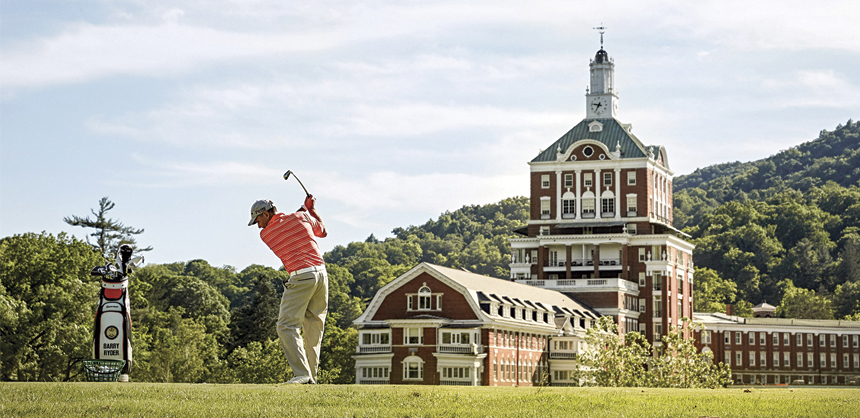
The Omni Homestead Resort & Spa offers two championship golf courses, including the nation’s oldest first tee in continuous use.
Hot Springs
For planners looking to treat their attendees to an Omni-branded escape in the Allegheny Mountains, The Omni Homestead Resort & Spa in Hot Springs, VA, is a perfect choice. “Elegant charm” and “Southern hospitality” are two phrases that best exemplify the venue. Since expanding its meeting and event spaces as part of a property-wide renovation, The Omni Homestead offers a wealth of benefits for planners to consider. Designated as a National Historic Landmark, the resort includes a 4,000-sf indoor/outdoor event pavilion, which pays tribute to the location’s original design while delivering state-of-the-art amenities and breathtaking mountain views. The resort’s 483 guestrooms and 76,000 sf of event space also received a refreshing facelift, with updated interior design elements and advanced functionality.
The resort offers two championship golf courses that have attracted U.S. presidents and dignitaries for decades. Dubbed the nation’s oldest first tee in continuous use, the Old Course at The Omni Homestead was completed in 1892 and spans more than 6,000 yards. It’s joined by The Cascades, an award-winning course with mountain views.
For attendees looking to unwind, The Spa at The Omni Homestead Resort is a state-of-the-art facility offering massage treatments, body work, salon services and beyond. Its Serenity Garden is an exclusive, adults-only space with an infinity pool, hot tub and mineral springs.
Something for Everyone
Although Virginia Beach, Richmond, Norfolk and Williamsburg offer very different environments — from modern to historic immersive experiences — all of these Virginia locations share key qualities that appeal to today’s planners: strong infrastructure, accessible locations and a focus on service.
In Norfolk, planners gain a lively, urban backdrop that supports both large-scale conferences and intimate executive programs. In Williamsburg, they tap into a destination that blends storytelling, atmosphere and operational reliability. Of course, Richmond is teeming with modern amenities. And Virginia Beach offers an idyllic setting that invigorates attendees.
Together, these examples underscore a broader trend in the meetings industry: successful events are no longer defined solely by meeting room size or hotel inventory. Instead, they hinge on the overall experience — how easily attendees can navigate the destination, how memorable the setting feels and how well local partners support the planner’s vision.
For planners seeking destinations that offer both practicality and personality, Virginia delivers on all fronts. Whether it’s watching ships move along the Elizabeth River after a day of sessions or networking in a colonial tavern after a keynote address, the Commonwealth offers planners the tools to create events that educate, inspire and endure long after the closing session. | AC&F |