








High-End IncentivesAugust 1, 2026
Drive Rewarding Experiences By Zach ChouteauHigh-End Incentives
Drive Rewarding Experiences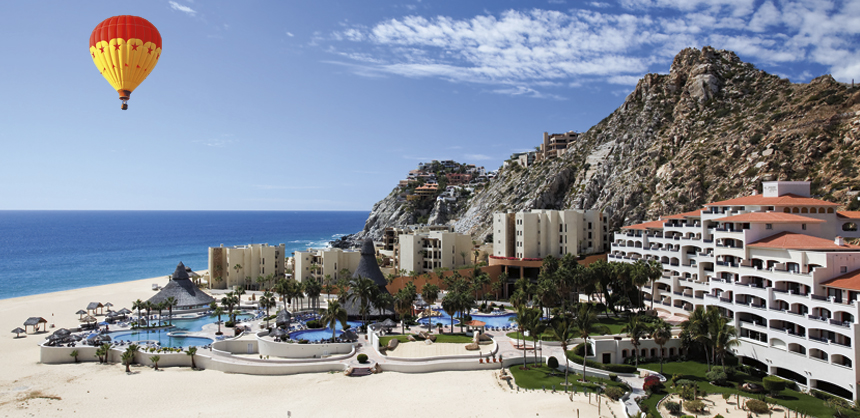
Cabo San Lucas, Mexico, a planner’s favorite destination
Few groups are more discerning than insurance and financial executives being rewarded with a luxury incentive journey. Expectations are sky-high, and it would be an understatement to say a cookie-cutter itinerary or setting simply won’t suffice.
Many of these top-tier qualifiers have already seen much of the world on their own dime, and a luxury resort or Michelin-starred dinner outing alone can fail to truly impress. Today’s high-level incentive attendees, based on our talk with some of today’s top planning experts, are seeking uncompromising exclusivity, authentic connections to the local culture and singular experiences that money alone can’t buy.
And, of course, some settings are better than others when it comes to providing these types of VIP offerings. What follows is a look at actionable strategies for crafting unbeatable incentive escapes — and insights on some leading hotspots for forging them. As the incentive landscape evolves, planners are increasingly challenged to deliver programs that feel not only rewarding but transformative, weaving together destination, design and attendee psychology in ways that resonate long after the trip ends.
Intentionality Over Excess, the New Luxury
One of the clearest themes emerging from today’s incentive landscape is that luxury has evolved. It’s no longer defined by opulence alone, nor by piling on amenities for the sake of spectacle. Instead, luxury is increasingly synonymous with intentionality — thoughtful design, seamless logistics and experiences that feel curated rather than generic. This shift reflects a broader cultural trend: high-performing professionals value meaning and personalization over extravagance for extravagance’s sake.
Amy Lane, account manager, meetings & incentives, at Cadence in La Jolla, CA, has seen this shift firsthand while supporting high-end programs for financial and insurance clients. Her recent work includes an incentive in Lisbon, Spain and Portugal and a President’s Club experience in Cabo San Lucas, Mexico.
Lane notes that while the scope of Cadence’s involvement varied, the common denominator was deep collaboration with destination management companies. “Each was delivered in close partnership with experienced destination management companies,” she says, adding that these partnerships ensured seamless planning and leveraged local expertise to “bring each destination to life.”
In Lisbon, attendees selected from experiences such as historic city tours with Portuguese tastings, catamaran cruises along the Tagus River, vineyard visits and explorations of picturesque Sintra. Cabo served up championship golf, wellness experiences, sunset catamaran cruises and farm-to-table dining that showcased the region’s unique character. These curated options reflect a growing expectation among incentive travelers: they want to feel immersed, not merely entertained.
Lane puts it succinctly: “Luxury isn’t always about spending more,” she notes. “It’s about making attendees feel like every detail was intentionally designed with them in mind.” That philosophy is increasingly becoming the benchmark for incentive programs that aim to stand out.
Location as the Big Decision
If intentionality is the new luxury, then destination selection is the foundation upon which everything else rests. Lane emphasizes the right destination can elevate the entire experience; the wrong one can undermine even the most carefully planned agenda.
Her team evaluates destinations through three lenses:
- Accessibility — crucial for groups traveling from across the country. Convenient airlift maximizes time onsite and reduces fatigue.
- Luxury — not just high-end accommodations, but exceptional service, culinary excellence, wellness amenities and meeting spaces that support both business and relaxation.
- Authenticity — the ability for attendees to feel like they truly experienced the destination, not just stayed at a beautiful hotel.
This final point is particularly vital in the financial and insurance sectors, where attendees are often seasoned travelers. They’ve seen the world, and they’re looking for something deeper than a postcard-perfect resort. Authenticity has become a differentiator, and destinations that offer cultural richness and immersive experiences tend to outperform those that rely solely on aesthetics.
Lane’s strategy for optimizing destinations underscores this: “Rather than bringing the destination to the attendees, we focused on bringing attendees into the destination.” That meant selecting hotels that reflected local character, partnering with DMCs to incorporate authentic experiences, and balancing resort time with opportunities to explore beyond the property. It also meant designing agendas with breathing room, allowing attendees to experience the destination at a comfortable pace rather than feeling over-scheduled.
The result? A program where the location becomes a living, breathing part of the experience, not just a stage. When attendees feel authentically connected to the place, the incentive becomes far more memorable and meaningful.
Personalization, Choice & the Power of Connection
Another key element of today’s successful high-end incentives is personalization. Lane stresses that “not everyone defines luxury the same way,” and that offering flexibility, whether adventurous excursions, spa treatments or cultural explorations, lets attendees personalize their experience. This flexibility acknowledges the diversity of interests within any group and ensures that each attendee feels seen and valued.
This personalization goes beyond activities alone. Thoughtful details like personalized registration websites, seamless air travel, locally inspired welcome gifts and menus that showcase the destination all play a part in making attendees feel deeply appreciated. These touches create a sense of care and intentionality that attendees notice immediately.
But perhaps the most important element is connection. “In the financial services, insurance and mortgage industries, relationships are at the heart of these businesses,” Lane says. Thoughtfully designed dining experiences, excursions and networking moments become just as valuable as the destination itself. Incentive travel is not just a reward — it’s a relationship-building engine.
Lane’s advice to planners reflects this tenet: “Never confuse luxury with excess. The most successful programs aren’t necessarily the ones with the highest budgets. They’re the ones where every detail feels intentional, the logistics are seamless and attendees feel genuinely valued.”
In industries built on trust and long-term relationships, that kind of intentional design pays dividends.
Exclusivity as the New Currency
If intentionality is the new luxury, exclusivity is the new currency — especially for elite financial groups. Privacy, personalization and access have become the hallmarks of high-end incentive travel.
John Prefer, managing partner at BV Events in Miami Beach, FL, sees this trend accelerating rapidly. His firm orchestrates high-level events for organizations such as the Estate Planning Council of New York City and multiple STEP chapters across the U.S. Prefer notes that traditional luxury is no longer enough to motivate top producers. Today’s standard centers on exclusive, priceless access and hyper-personalization.
One of the most significant shifts is the rise of ultra-exclusive buyouts. Complete property or asset buyouts — boutique villas, luxury ecolodges, superyachts — allow organizations to control the environment entirely. This ensures privacy for high-level networking and allows planners to weave the company’s brand into every touchpoint.
Prefer’s list of top high-end destinations reflects this appetite for exclusivity:
- Peninsula Papagayo, Costa Rica — rugged adventure meets ultra-luxury, with private catamaran charters, exclusive jungle ziplining and bespoke culinary events
- Lake Como, Italy — classic aspirational luxury, with private Riva speedboat tours and gala dinners in historic villas closed to the public
- Los Cabos, Mexico — ease of access plus ultra-luxury resorts, private agave spirit tastings and deep-sea fishing excursions on private yachts
These destinations aren’t just beautiful — they offer experiences that attendees could not easily arrange themselves. Prefer calls this “money-can’t-buy experiential luxury,” and it includes private after-hours tours of cultural landmarks, off-grid dining with Michelin-starred chefs and personalized wellness journeys featuring bespoke longevity treatments.
This is luxury that transcends price tags and is instead defined by access, privacy and personalization.
Accessibility, Exclusivity & the Experience Factor
While exclusivity and personalization are driving the high-end incentive space, accessibility remains a critical pillar, especially for insurance and financial groups whose attendees often balance demanding schedules with limited travel windows. A destination’s appeal can evaporate quickly if the journey to reach it feels burdensome.
Clayton Eidson, founder and CEO of Arizona Health Insurance Agents in Phoenix, AZ, has seen firsthand how accessibility can make or break enthusiasm for a destination. “A destination may look incredible online, but if it takes multiple flights and a full day of travel, enthusiasm can drop quickly,” he says.
Eidson’s experience underscores a key truth: even the most spectacular setting loses impact if attendees arrive exhausted or frustrated. That’s why destinations like Maui, Cabo San Lucas and Switzerland continue to perform well, he emphasizes — they offer a blend of accessibility, exclusivity and unforgettable experiences. These destinations also tend to have strong infrastructure for group travel, making logistics smoother for planners and attendees alike.
Eidson highlights that the most successful incentive trips aren’t necessarily the most expensive ones. Instead, they’re the ones that align with what motivates the group. “The biggest mistake organizations make is assuming the most expensive destination is automatically the best fit,” he shares. This advice is straightforward but powerful: gather feedback early, understand your audience and organize experiences that feel rewarding and memorable.
The payoff can be significant. Eidson notes that the right destination can increase excitement and engagement by 20% or more, making the entire incentive program more effective. In industries where relationships and retention matter, that kind of lift is invaluable. His outlook embraces a broader theme: luxury incentive travel is not just about where you go; it’s about how the destination supports connection, motivation and shared experience.
Caribbean Appeal, Value Engineering & Attendee Benefits
Karin Morrison, CMP, founder of KM Events, brings a planner’s eye for logistics, value and attendee psychology — all key components when designing high-end incentives for financial and insurance groups. Her insights highlight the value of balancing cost, convenience and expectations.
For U.S.-based companies, Morrison sees Mexico and the Caribbean as perennial favorites. Accessibility is a major factor. Caribbean destinations such as the Bahamas, Cayman Islands, Dominican Republic and Puerto Rico offer similar advantages, especially for attendees traveling from the central and eastern U.S.
Even when travel time is longer (up to 10 hours for some West Coast attendees), Morrison opines that people are willing to make the trip if the experience is worthwhile. That’s a crucial insight for planners weighing cost, convenience and attendee expectations. The Caribbean also provides a wide range of resort styles, from boutique luxury to large-scale properties with extensive amenities, giving planners flexibility to match the destination to the group’s preferences.
Accessibility, however, is just one part of the equation. Morrison additionally highlights the importance of value engineering — ensuring companies get the “best bang for their buck.” She points to concessions such as waived rental fees with food and beverage minimums, waived resort fees, venue upgrades (like hosting a welcome dinner on the beach instead of in a ballroom) and complimentary room upgrades for key stakeholders. These concessions don’t just reduce costs; they serve to also elevate the attendee experience in ways that feel meaningful and luxurious.
Morrison also notes a unique financial consideration: Mexico’s VAT Rebate program. “This can offer a refund of the 16% tax on certain goods and services,” she says. However, she cautions that it applies only to meetings or conventions, not incentive trips. Planners must confirm eligibility with the property to avoid surprises.
Beyond logistics and value, Morrison emphasizes attendee psychology. “Work hard, play hard still rings true,” she says. In her opinion, attendees want the opportunity to bring a spouse or guest, enjoy free time and choose from curated excursions that showcase the destination’s beauty and adventure. These elements make attendees feel rewarded not just professionally, but personally.
She urges planners to think creatively about VIP touches — such as airport lounge passes, VIP check-in counters, invite-only receptions, exclusive speakers or private club excursions. These elements reinforce exclusivity and make attendees feel genuinely appreciated. Finally, Morrison points to a compelling statistic from the Incentive Research Foundation — 70% of buyers actively seek new destinations they haven’t visited before. This desire for novelty is driving planners to explore emerging destinations and fresh experiences that keep incentive programs exciting and competitive.
What Today’s Incentives Must Deliver
Considered comprehensively, the perspectives of Lane, Prefer, Eidson and Morrison paint a clear portrait of what high-end incentive travel must deliver for financial and insurance groups in 2026 and beyond.
- Intentionality Over Excess — Luxury is no longer about spending more — it’s about designing experiences that feel thoughtful, seamless and personal. Every detail matters, from registration to arrival to dining.
- Authenticity & Cultural Connection — Attendees want to experience the destination, not just stay in it. Authentic local experiences, curated excursions and cultural immersion elevate programs from enjoyable to unforgettable.
- Exclusivity & Privacy — Ultra-exclusive buyouts, private tours and one-of-a-kind experiences are becoming essential for elite groups. Privacy is a premium commodity.
- Accessibility & Convenience — Even the most luxurious destination must be reachable without excessive travel fatigue. Convenient airlift remains a top priority.
- Personalization & Choice — Attendees define luxury differently. Offering flexible activity options and personalized touches ensures everyone feels valued.
- 6. Value Engineering & Smart Budgeting — Luxury doesn’t require overspending. Strategic concessions, upgrades and tax considerations can stretch budgets while enhancing the experience.
- Relationship Building as a Core Outcome — In financial and insurance sectors, relationships drive business. Incentive travel must create space for connection, networking and shared experiences.
- Novelty & Destination Rotation — With 70% of buyers seeking new destinations, planners must continually innovate and explore fresh destinations to maintain excitement and engagement.
These insights collectively underscore a new era of incentive travel — one defined by intentionality, exclusivity, authenticity and attendee-centric design.
Final Takeaways
Designing high-end incentive travel for financial and insurance groups requires a blend of creativity, strategy and empathy. Planners must understand not only where attendees want to go, but why — what motivates them, what excites them and what makes them feel valued.
The experts agree — the most successful programs are those where attendees leave saying, “That trip made me feel appreciated.” That feeling of appreciation is the real currency of incentive travel. It strengthens relationships, boosts morale and reinforces the value of achievement in industries where measurable performance really matters.
Whether the destination is Lisbon, Lake Como, Cabo, Papagayo, Maui or Puerto Rico, the goal remains consistent: creating a trip that forges experiences that attendees will remember long after they’ve returned home. And in today’s competitive landscape, those experiences must be intentional, authentic, exclusive, accessible and deeply personal.
Upscale incentive travel isn’t just about rewarding success; it’s about inspiring it. And the best experiences of this kind will make employees feel not only appreciated but driven to achieve greater success in the future. I&FMM