CIT-2020-03March-Col1-Kern,Merilee-147x147

Conversation Marketing Hacks: 8 Ways to “Speak Human” and Change the Game

business meeting

A new book written by Kevin Lund entitled “Conversation Marketing: How to be Relevant and Engage Your Customer by Speaking Human,” reveals how companies can “Make and maintain more meaningful, impactful and enduring connections within the marketplace, tell an authentic story, foster maximized customer engagement and breed brand loyalty.”

Nobody starts out automatically caring about your products or services. They care about how you can make a difference in their lives. No matter the context, all relationships begin with a “handshake moment”, whether literally or figuratively — those first few introductory moments that reveal a great deal about the character of the person standing before you. Why should company interactions with current and prospective customers, or clients, be any different?

So, how can brands make and maintain meaningful connections with and create a lifetime value for customers in ways that’ll set them apart in a noisy, increasingly jaded and discriminating marketplace? How can businesses tell an authentic story so as to foster maximized marketplace engagement and breed brand loyalty? According to Lund, the proverbial key to the kingdom is for companies, no matter their size and scope, to simply “speak human”.

In this new book, Lund, CEO of T3 Custom — a content marketing firm helping brands learn to speak human and supercharge ROI, provides an in-depth analysis of what’s required to succeed in today’s modern marketing era.

Below are eight of Lund’s tactical strategies that can help companies large and small become more engaging and relevant with customers and the marketplace at large:

1. Earn Attention
To gain attention in today’s crowded marketplace, it’s prudent to do the opposite of what almost everyone else is doing. That means don’t deliver clichéd, boring content written for robots — search engines or otherwise. It’s unsustainable for you and your brand, as well as frustratingly futile for the audience you’re trying to reach. Instead, speak human by engaging your audience with eye-level language to gain their attention and set apart your brand. Learn to use language that educates and entertains the audience. Assume you’re meeting the person on the other side of the screen for the first time. Think of what you can say that’s new, memorable, stands out and is jargon-free. Also, understand and adapt to your audience. You wouldn’t talk the same way to a baby boomer as you would to a teenager.

2. Tell a Story
How do you hold someone’s attention long enough to break down a topic and engender his or her trust, but also in a way that’s unforgettable and leaves that person feeling more knowledgeable? The answer lies in good storytelling. Good conversations are filled with good stories and anecdotes. But be mindful that the hero of the story isn’t your company or its products, but rather how your product or service will have a positive impact in your customers’ lives.

3. Stay Humble
Being humble begins with letting go of ego — that instinctual part of the psyche that screams for a marketer to make too much noise about products or services and brag about themselves. In conversation marketing, speaking human dictates that your customer’s needs, not your own, are top priority. Your audience wants to know what you can do for them, and that means stop talking about yourself. Instead, embrace a different approach that thoughtfully and humbly explains why you do what you do and why it can make a difference in someone’s life instead of focusing on your bottom line. Tell stories that inspire and resonate with their life experiences.

4. Pick Your Party
Equally important to the how of your conversation is the where. It should all fit seamlessly and feel natural and organic. Part of learning how to talk to your audience and engage them in any form of conversation is deciding where to talk to them. This means doing the footwork to learn where your potential customers gather and meeting them on their own ground. Where do your potential customers hang out on social media? What are they saying, and what challenges are they discussing? Easily available research tools can help you consistently join the right conversation at the right time and in the right place.

5. Be Relevant (on a Molecular Level)
True listening is about far more than hearing words. It’s also about fully understanding the message and concepts being imparted — whether they’re needs, wants, desires or even complaints. Being relevant means making sure you’re talking about topics that are of interest to your audience, and that’s often achieved by addressing their pain points. It can be dangerous, expensive and ultimately futile for companies to presume to inherently know what should be said in conversation marketing.

6. Start the Conversation
How do you gain audience attention in a way that prevents you from just being part of the noise? It’s no longer a question of whether you should insert yourself into the world of content marketing. It’s a matter of when you’re going to start talking, what you’re going to say and how you’re going to say it. One good approach is to base that initial conversation on your unique value proposition for the given audience. It’s important to always remember that your target audience doesn’t care about you. They care what you can do for them. If you’ve done your research, you’ll be familiar with their pain points and better prepared to offer answers that address their needs. Don’t be a “me-too” marketer who dishes out the same information as everyone else. Instead, develop a unique angle with a thought-provoking headline that sparks attention — even better if it disrupts conventional thinking.

7. Stop Talking
Unlike a monologue, a conversation is a two-way endeavor. Knowing when to stop talking is as important as knowing what to say and when to say it. Once you hear preliminary reaction, you can respond to questions and concerns before moving ahead or otherwise course-correct as needed. Once your message is out, take a step back and read the room. Don’t consider a negative response or lack of response necessarily a failure. Instead, see it as an opportunity to adjust, make changes and, perhaps, find ways to better meet your audience’s needs.

8. Ditch the Checklist
Before every takeoff, airline crews work through an extensive checklist. There’s a detailed set of tasks to cover before the plane can even push back from the gate. However, in an ebb and flow conversation marketing context, this adherence to a certain protocol can pose limitations. Indeed, one problem with simply sticking to a checklist is that a content marketing strategy will never evolve with the times or differentiate itself in any way from what everyone else is doing.

Lund also suggests finding sources of inspiration. “Explore some of the successful content marketing plans that showed passion, ditched the tired old language, zeroed in on what customers needed and started a real conversation with the market,” he urges. “Then, scrutinize your own strategy and see where it might be lacking, so that you can continually refine your own checklist.” C&IT

CIT-2020-03March-Col1-Kern,Merilee-110x140


CIT-2020-03March-Feat2-FB-147x147

F&B Trends – What’s on Your Plate? Embracing the Food Factor

CIT-2020-03March-Feat2-FB-860x418Chefs are looking to serve food creatively, such as this tequila-infused watermelon, which is a popular appetizer at Infinity Hospitality Group.  Photo courtesy of Details Nashville

When it comes time to evaluate F&B options for meetings and incentive trips, flavor and price may be at the top of your list of priorities. But, for attendees, perhaps no component is more important than the experience of eating and drinking items that have an engaging story to go along with them.

“That was the biggest takeaway from our annual look at F&B trends for corporate meetings. As attendees travel more, try different types of cuisines and learn about food, they care more about both what they eat and how they eat it,” says Aron Schwartz, executive chef at the Marina Kitchen at the Marriott Marquis San Diego Marina. “Especially in a reception setting, attendees don’t want the chafing dish anymore. They don’t want a huge mound of cheese on a plate. They want individual cheeses and a story about each of them. They want to see a chef cooking and talking to them.”

He adds, “Chefs need to think outside the box and think more about providing a restaurant setting than anything else. They need to think about the experience you have in a restaurant that serves 40 to 50 people and how you translate that to a party for 1,000 people.”

“No meat” and “no allergens” of all kinds may be the biggest specific food trends to which chefs have to pay attention. And, ironically, “no alcohol” may be the most important thing bartenders have to take into consideration when planning an event menu. “Alcohol is sort of on the outs,” Schwartz says. “Not on the outs like no one is drinking, but people want to have the option of a non-alcoholic drink to go with their dinner or reception — something unique, with complexity, like a cocktail but with no alcohol in it.”

Focus on the What and the How
With every event, John Silva, founder, sherpa and chief visionary at Culinary Eye Catering & Events in San Francisco, likes to dig into a group’s background and interests and determine what will get the attendees excited about dining. With that information, he builds experiences that are interactive or have an interesting design component.

Silva has created edible bird nests and put them in a tree in a reception hall; made a “Filet Mignon” from beets and served it alongside a confit, made with fingerling potatoes and asparagus mousse; and done “make your own ice cream sandwich” stations, where attendees can scoop vanilla or Ovaltine ice cream onto homemade cookies for dessert. Foods like these spark an emotion as much as they quell hunger, and that’s his whole goal.

“We want to create a moment that takes someone somewhere,” he says. “It can be reminding them of a childhood experience with a dish, or taking them to a location through touching and eating that food. With our corporate clients specifically, they’re trying to get people to open up. How do you get an engineer to have a conversation with a group? You create these “wow” moments and give them something to talk about.”

Nathaniel Beaver is the owner of Infinity Hospitality Group in Nashville, Tennessee, a full-service event planning firm that also owns three event spaces — The Belltower, The Bridge Building and The Quarter — and a catering company. He also gets excited about serving food in creative ways and creative places. “At meetings and especially incentive trips, the goal is to get attendees to socialize, not to provide a formal experience,” he says. “We do a lot of high-end cocktail-driven receptions, interactive food stations and creative passed appetizers.”

A popular appetizer for events, he says, is tequila-infused watermelon. Staff will put the fruit and an empty liquor bottle on a serving platter. Besides the obvious eye appeal, this informs people that there’s alcohol in the dish and lets them know what kind of spirit is being used. One of the company’s signature dishes is a homemade waffle cone filled with fruit and whipped cream. Servers place the cones in rustic blocks of wood with holes that fit the food perfectly. Beaver also likes to serve candied bacon on top of a shot glass filled with porter-style beer from Nashville’s Yazoo Brewing Company.

“In our buildings, we’ve found new locations to serve food that we never thought of before,” he adds. “The Bridge Building has three floors with a rooftop bar. We’ve started putting someone with a tray of food in the elevator and calling it ‘elevator bites.’ I like the idea of giving someone food right as they come in the door.”

More formal meals at today’s events may also focus on miniaturized servings rather than huge plates of food. “Smaller, shareable plates that are served as they’re ready as opposed to set courses is a newer trend that’s really developed in recent years,” says Tejesh Patel, director of food and beverage at The Daytona in Daytona Beach, Florida.

Another popular way to serve sit-down meals is with large dishes that have to be passed. “With family-style dining, more attendees are able to interact with each other and have the option to try different things,” says Victor Miguel, executive chef at the Los Angeles Airport Marriott. “It is important because when you have attendees interacting with each other, it allows them to share their experience with  the food or the memories they connect with it.”

Buffets have yet to go out of style, according to Beaver. But when his company does them, there’s a staff member at each protein and vegetable station who dishes up the food. “It’s not about controlling portions because everyone can have as much as they want. It just feels more formal,” he says.

For the groups that prefer plated meals, Rafael Corniel, executive chef at the Coronado Island Marriott Resort & Spa in Coronado, California, says the focus is less on creating elaborate designs on the plate and more on creating really good food. “We’re more about taking what you’d eat at home and perfecting it, and making it really good. Plates are basic food but done really well. We’re trying to bring attendees back to their memories, when they were home and their grandma or their mom made something. We just want them to think, ‘Wow, that’s really good,’” Corniel says.

Catering event buffet concept.

Meatless, Mushrooms and More
From the Impossible Burger at fast food chains to Instagram shots where the dishes are front and center, the meatless craze is showing up everywhere. In Southern California, plant-based or vegan meals are very popular, Miguel says. “We have actually added vegan dishes to all of the outlets here on property.”

Corniel has also seen a rise in requests for meatless meals. He attributes it to the growing health craze in America. “People are just more conscious of what they’re eating and how balanced of a meal they’re getting,” he says. That means more vegetable-centric dishes, more alternative proteins, such as beans or lentils, and more requests for plant-based meat substitutes. When people do request meat, they’re more likely to ask for chicken or seafood than red meat, he says.

Beaver and Schwartz are getting fewer requests for fully meatless meals, although planners are increasingly concerned that their vegan and vegetarian attendees have a good alternative. The nuance that Schwartz has noticed is some pushback against manufactured and highly processed meat substitutes.

“I think people are starting to wake up and go, ‘This Impossible Burger is something that’s made in a lab, and I want to eat vegetables and something that I know where it’s coming from,’”  Schwartz says.

Rather than offering a meatless meal because it’s meatless, he believes the more important trend is to offer creative meals. That may mean serving a meal where a vegetable is the centerpiece and it’s prepared in a way that people have never seen. The Marriott Marquis’s Marina Kitchen recently created a dish where a head of radicchio was brined, grilled and then finished in the oven, much the way a steak would be cooked.

Beaver also believes attendees are looking for more creative food options. They are much more knowledgeable about food and culinary practices these days, and they’ve eaten or seen a lot more types of food in real life or on TV shows. “It raises the bar,” he notes. In order to really impress them, “You have to take a classic dish and put your spin on it so someone says, ‘I have not seen it served like that.’” Hot chicken and waffles has been a popular dish in Nashville for years, but his company is now doing hot chicken bites in a waffle rolled into a cone topped with rosemary maple sweet tea syrup.

The idea of food having a story is another important shift that Schwar tz has noticed. For example, if a chef serves carrots at dinner, attendees have questions about them like “Why that carrot? Why did you make this dish? Is it seasonal?” “The days of a chef just putting food on a table is going away,” Schwartz says.

Some of this is tied to the growing interest in experiencing the location where a meeting is held. Rather than eating food that has come from thousands of miles away, attendees want to eat food that comes from local farms and has a tie to the local community. They want veggies from the farm where the chef shops and pork from the ranch where they buy meat for their family.

People are also still very committed to the idea of farm to table. “I’m not sure farm to table is a ‘trend’ anymore,” Silva says. “On the coasts and in the south, it’s an expectation. It’s become muscle memory.”

Patel feels very much the same way. “The sustainability trend reigns supreme — from sourcing ingredients and produce from local farms and vendors to utilizing ingredients from root-to-stem in both dishes and cocktails,” he says.

As planners and participants gain a deeper understanding of how what we eat impacts the planet, questions about food waste are increasing. “No one used to ask about food waste and now people are asking about it,” Beaver says.

Besides environmental concerns, food waste touches on issues of community impact and fiscal responsibility for sponsor organizations, as well as a desire to simply take better care of the resources we have. “Personally, I believe food is a commodity and we should respect it and take care of it,” Schwartz says. “I think we all grew up with, ‘Finish what’s on your plate, don’t let it go to waste.’”

Planners concerned about food waste should talk to the chef and sales manager about overage percentages, portion sizes and programs to deal with any leftovers. “People don’t eat as much anymore, and we as chefs need to watch that,” Schwartz says. “We need to make sure we’re not overproducing.” Many venues and caterers, including Beaver’s properties, make leftovers available to staff. The host company can typically pack up leftovers and take them home, or ask the venue about programs to deliver food to homeless shelters or social service organizations.

Food labeling is another topic that’s important for planners to discuss with venue staff. Attendees these days place high value on knowing what their food contains, both because of food allergies and changes in diet. Many of the technology companies that Silva works with are starting to require not just allergen labeling, but full ingredient lists. They may also expect servers walking around the room with appetizers to be able to produce information about what’s in the food without too much trouble.

Mocktails and Other Beverage Trends
Most agree that mocktails are one of the biggest trends. “That’s all tied in with people being healthier and watching what they’re putting in their body,” Corniel says. “People still want to feel like they’re having a nice cocktail but they don’t want the alcohol in there.”

For people who do want alcohol, there’s increasing interest in craft spirits — something that’s getting more popular as more local distilleries open around the country. As was true of the craft beer movement that boomed before it, people like the higher quality that can come with an artisan product. They like supporting local businesses, and don’t want to drink the same things they can pull out of their liquor cabinet at home. “They want new experiences, and they like a story,” Miguel says. “What is the spirit? Who makes it? Where does it come from?”

With this desire for storytelling comes the need for more bartender education. That’s something Beaver is providing to his staff. He’s also looking for ways to provide attendees with more alcohol-based experiences.

“At the Belltower, we have what’s called The Tasting Room, where we have 95 bourbons, scotches and whiskies. It’s a tasting experience, so you’re not paying for every drink. You can try anything and hear the story about it.”

Patel adds, “Our cocktail culture is a big part of The Daytona’s identity, as we’re focused on beverage trends that pertain to groups, such as non-alcoholic cocktails, cocktails with unique spices, superfoods and other unique ingredients,” Patel says.

Storytelling is big here too. The hotel bar’s name, Blue Flame, comes from the legend that moonshine was once lit on fire to determine its quality. A yellow flame meant tainted, a blue flame meant it was fine. The bar offers a signature moonshine-lighting ritual for attendees to enjoy, along with reassurances that, today, the flame is just for show. C&IT

Architectural Photography Inc

Ante Up! Gaming Resorts Continue to Offer Attendees Everything Under One Roof

Architectural Photography

When selecting a location for a corporate meeting or incentive program, planners often seek venues that offer a good balance of exceptional meeting facilities with fun-filled amenities that attendees truly will enjoy. As such, more and more meeting planners are turning their attention to gaming resorts.

For Tiffany Gravelle, CMP, CUDE, president and CEO at Hello Tiffany, hosting meetings and events at casinos and other gaming resorts offers a wealth of inclusive onsite resources, such as plenty of hotel room choices, full-service spas, workout facilities, several onsite restaurants, live entertainment, gaming credits, banquet and meeting rooms, alternative locations for receptions like pools or upscale lounges, ample valet parking and concierge.

“Gaming resorts specialize in keeping a captive audience with over-the-top service and experiences,” Gravelle says. “It benefits them to keep their attendees onsite, enjoying the facilities and spending their money in the casinos. Casinos also have the unique opportunity to create their own raving fans and repeat guests after the conference is over.”

Take the MGM Resorts International properties, for example. From Mandalay Bay Resort and Casino to MGM Grand Hotel & Casino to the Borgata Hotel Casino & Spa, there are many different types of gaming properties offered by MGM that will suit the exact preferences of event attendees. And MGM makes a concerted effort to renew, refresh and redefine many of its properties by adding interesting dining and entertainment options, and expanding their reach to the meetings market. Recently, MGM Resorts completed the expansion of its Grand Conference Center, adding 250,000 sf to the facility. Now MGM resorts boasts more than 4 million sf of meeting and convention space. In addition, properties such as Mandalay Bay, ARIA Resort & Casino, and Park MGM also recently underwent expansions to offer more space to meeting planners.

What’s more, Park MGM recently partnered with Cisco to establish a state-of-the-art meeting space for collaborating, white boarding, video calling and file sharing using unique innovative technology. Called the Ideation Studio, this unique meeting space offers an exceptional collaborative environment that includes four distinct layouts and 10 rooms for groups of six up to 24. The variety of options provide the right solution for that next strategic planning session.

Of course, maintaining a healthy work/life balance is also taking center stage at The Mirage Hotel & Casino, which now features MGM’s Stay Well Meetings concept. Featuring a video with guided meditation narrated by new-age guru Deepak Chopra, the Stay Well Meetings concept also uses air purification to reduce allergens and fumes, optional aromatherapy to support attendee relaxation, and advanced lighting systems to provide circadian lighting to emulate natural light throughout the day. Chroma therapy, or different color themes, is also used to boost energy or inspire moods. Stay Well Meeting attendees also are given access to the Cleveland Clinic Wellness online programs tackling nutrition, stress and sleep problems. The Cleveland Clinic also consulted on meeting menus and nutrition.

Spanning more than 90 acres on the south end of The Las Vegas Strip, M Resort Spa Casino also has proven to be a favorite destination for meeting and event attendees. The more than 92,000-sf, state-of-the-art conference and meeting space at the M Resort includes a pavilion, grand ballroom, multiple reception areas and a convenient business center.

Equipped to meet the needs of small- to mid-sized meetings and events, the M Resort also features a plethora of gathering spots throughout the resort, including LUX, the expansive 16th-floor function space, a wine cellar and the Villaggio Del Sole Pool and Entertainment Piazza, which includes outdoor event terraces. Of course, no visit to M Resort Spa Casino would be complete without spending time in the casino or the award-winning spa — a 23,000-sf oasis to rejuvenate mind, body and spirit.

CIT-2020-03March-Feat1-Gaming-860x418-2M Resort Spa Casino offers more than 92,000-sf of state-of-the-art conference and meeting space.

High-Quality Product
Emily Murnen, founder of Wild Elm Events, an event planning company, recently held an event at the M Resort. Murnen says meeting planners should consider gaming resorts for a meeting or event because they can often offer a higher quality product for less than other comparable hotels or resorts. “Concessions, such as suite upgrades, amenities, food and beverage discounts, or A/V discounts, are easier to come by than at other resorts that don’t bring in revenue from gaming,” Murnen says. “Gaming resorts also tend to frequently update or renovate their facilities, and they have restaurants, entertainment, and spas onsite, which is a benefit to the attendees.”

Murnen says that while gaming resorts aren’t right for every event, they can be a great fit for planners that are looking to host a high-quality event for less money. “Make sure to do a site visit to know the layout and condition of the meeting space and guest rooms,” Murnen says. “Don’t be shy asking for concessions. Let your attendees know what to expect and some options to do in their downtime.”

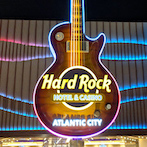
Gaming is also at the heart of the AAA Four Diamond-rated Seminole Hard Rock Hotel & Casino in Hollywood, Florida. The resort wrapped up a $1.5 billion expansion in the fall and is now home to three hotel towers, including the world’s first and only iconic, guitar-shaped hotel tower with 638 luxury guest rooms and an adjacent 168-room tower overlooking a new pool lagoon. The property also unveiled an expanded gaming floor boasting nearly 200 table games and more than 3,000 slot machines, a new Rock Spa, 13.5 acres of recreational waterscape, an entertainment venue, retail shops and much more. Of course, when it comes to getting down to business, the Hard Rock’s 120,000 sf of meeting space, including a 38,000-sf Exhibition Hall, offers the perfect place for trade shows, large corporate groups and social fundraisers. The resort’s flexible meeting space can also be reconfigured to accommodate groups as large as 5,000 attendees or smaller, more intimate meetings.

Of course, no consideration of gaming resorts as a meeting spot would be complete without evaluating The LINQ Hotel + Experience. A meeting or event experience at The LINQ includes cutting-edge technology and 31,000 sf of meeting space, which can be configured many ways. The LINQ can accommodate up to 1,000 attendees.

CAESARS FORUM is directly connected to The LINQ. This much-anticipated venue is a $375 million, state-of-the-art conference center debuting this month. Offering 550,000 sf of space able to accommodate 10,000 attendees, the conference center will be the first facility of its size built on a single level. In addition to featuring two massive, pillar-less ballrooms, CAESARS FORUM will include two additional 40,000-sf ballrooms and 100 breakout rooms, along with the Forum Plaza, Las Vegas’ first 100,000-sf outdoor meeting and event space.

Gaming and Beyond
As an event coordinator in Las Vegas, Tia Coward, of Snap Events, has planned and been to many events held at casino resorts on The Strip and throughout the valley. “Although they sometimes tend to be more expensive, they offer so much more bang for your buck,” Coward says. “It’s very convenient for you and your attendees who have easy access to entertainment after your event — at the slots, movie theaters, restaurants or clubs without having to leave the venue.”

Indeed, in today’s fragmented work environments, companies and organizations need to maximize the time their meeting attendees spend face-to-face. That’s why Mohegan Sun is a favorite of sorts among planners interested in balancing the gaming experience with the business at hand. The resort, in Uncasville, Connecticut, is considered an integrated resort — housing two meeting facilities under one roof. With 275,000 sf of indoor space, the resort offers plenty of meeting space options. In addition, Mohegan Sun also boasts a 10,000-seat arena and an 18-hole championship golf course.

With more than 40 dining venues and an array of entertainment options, meeting attendees can continue their networking well after the formal meeting has ended for the day. The choices include 14 unique venues from private restaurant dining rooms, a variety of bars/lounges to a comedy club and country-western themed venues.

“The gaming resort experience is well worth it thanks to all of the lavish amenities and variety of activity options in one location,” says Heather Harrington, meeting planner and corporate training and development manager at Engineering Consulting Services (ECS). “Planners should pay attention to a gaming resort’s entertainment calendar to try and align their events with upcoming performance acts. Those who are used to hosting events at smaller hotels should make sure to be aware of and take advantage of the resort’s larger meeting dimensions.”

ECS recently hosted an annual, three-day administrative staff training event at Live! Casino & Hotel in Hanover, Maryland. Approximately 60 ECS employees attended and there were general sessions along with breakout sessions for more individual training. “We chose Live! Casino & Hotel because our Baltimore location did some work with the property when their flagship Live! Hotel was under construction a few years ago,” Harrington says. “It was a no-brainer to choose Live! and show our staff the final project.”

Live! Casino & Hotel features more than 40,000 sf of meeting and event space. In addition, The Hall at Live! is the resort’s new 75,000-sf, three-story multiuse concert and event venue featuring some of the nation’s best touring acts, comedians, championship boxing and other entertainment. And the venue’s configurable event space can accommodate from 54 to 1,600 attendees.

The hotel’s location to the company’s flagship office in Chantilly, Virginia — only an hour away — along with the venue’s variety of amenities played a major role in Harrington’s decision to host the training at there. “Our admins loved the Las Vegas-style atmosphere of the property,” Harrington says. “The casino itself was a draw for our staff and they also enjoyed the catering from the property’s deluxe steakhouse.”

As Harrington explains, the draw of a gaming resort is that everything — dining, entertainment and nightlife — is in the same location as the event. “Meeting planners don’t have to coordinate with multiple vendors, and attendees can unwind after a productive day without having to leave the property,” Harrington says.

“Live! Casino & Hotel was also a great location because it gave our staff something to do at night as a team. Getting dressed up to celebrate with your colleagues at a casino steakhouse with live music is more exciting than having dinner at a hotel restaurant,” Harrington adds. “We noticed increased teamwork and bonding, such as when some of our admins with more gaming experience showed other team members how to play blackjack and pick out the best slot machine.”

All Under One Roof
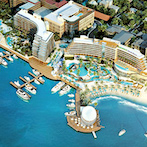
Of course if combining an exotic locale with gaming amenities is more appealing, consider Atlantis in Paradise Island, Bahamas. The ballrooms gracing Atlantis’ expansive grounds can accommodate up to 4,000 attendees and features the 50,000-sf Imperial Ballroom, with more than 40,000 sf of pre-function space. The resort’s Conference Center can host up to 4,000 attendees and boasts 30 breakout rooms, three boardrooms, a large staging area and a banquet kitchen equipped with additional pantries and state-of-the-art facilities for groups of all sizes.

When not in meetings or enjoying the casino amenities, event attendees at Atlantis can participate in various team-building activities. For example, Atlantis offers a Build a Boat & Hope It Floats Regatta. Team participants build a cardboard boat in the hopes that it will be a seaworthy vessel that will float across open water. The setting of Atlantis on Paradise Island also provides a wealth of memorable activities for attendees.

If Southwestern charm is more apropos of the group, consider the Scottsdale, Arizona favorite, Talking Stick Resort. This Four Diamond property features more than 100,000 sf of flexible meeting space, ideal for everything from full-scale trade shows to intimate board meetings. Looking for configuration options aplenty? The hotel conference center’s 12 meeting rooms can be configured into several setups fulfilling every aspect of a meeting to create highly productive settings.

What’s more, Talking Stick offers both indoor and outdoor meeting venues, providing a beautiful backdrop of the Sonoran Desert all while boasting award-winning catering; an award-winning spa; championship golf; live entertainment in the 650-seat showroom, Degree 270; Players Sports Bar; and Shadows, an elegant martini and cigar bar. For meeting planners looking to a variety of meeting options, Talking Stick includes the Salt River Grand Ballroom, which accommodates 2,000 attendees. The Showroom at the resort can accommodate 650 people and is an ideal location for large gatherings and keynote speakers.

Another Southwestern gem is the Inn of the Mountain Gods Resort & Casino. Located in the heart of New Mexico, this gaming resort offers an ideal location for guests who want to experience the beauty of the great outdoors, while also delighting in the indoor amenities.

Well equipped to handle any group, Inn of the Mountain Gods presents award-winning accommodations with luxuriously appointed rooms and suites, a convention center with theater-style seating for up to 3,000 and technological capabilities to suit almost any need.

There’s an abundance of recreation options, including an award-winning, 18-hole championship golf course, an indoor pool and workout facility, horseback riding, hiking and paddle boating, kayaking and fishing on Mescalero Lake. For a truly exhilarating experience, the Apache Eagle ZipRider and the Apache Wind Rider ZipTour at Ski Apache each offer unique and breathtaking rides year-round. Winter months bring snow to the surrounding Sierra Blanca, inviting guests up for an afternoon of skiing and snowboarding at Ski Apache. From a gaming perspective, the Inn of the Mountain Gods offers a fun respite for attendees to try their hand at some of their favorite casino games.

The array of gaming resort options throughout the U.S. and Caribbean means planners have hundreds of options to please attendees no matter which activities they prefer. C&IT

CIT-2020-03-Cover-hi-res

Wildly Entertaining – How to Add an Engaging Edge to Your Next Event


CIT-2020-03March-Feat4-Entertainment-860x418-2Food, whether by presentation or by cooking classes and demonstrations, has long entertained attendees.

Question: What single element in a corporate or incentive event can best transform it from ordinary to extraordinary? If your answer is entertainment, you’re correct, so keep reading for insight from the experts.

“The demographic of the attendees is always what I think of first when it comes to entertainment,” says Jaclyn Trainor, CIS, associate program manager with Bishop-McCann, a specialist in the production of national and international meetings, incentive programs and events.

She asks, “Who are my stakeholders in this event? What are my clients and their executive team comfortable with, and can we push them outside their comfort zone to create a great experience for the overall demographic? Or can we do something they’ve never seen before?”

“Most events are boring,” says Dr. Elliott B. Jaffa, a behavioral and marketing psychologist, principal of Dr. Elliott B. Jaffa Associates. “Try to ensure your event is not.” To do that, consider the audience’s age. For a mature audience, for example, the doctor suggests hiring an oldie singer; but, rather than having them sing, have them tell stories about people with whom they’ve worked. His suggestion: Kenny Vance, founder of Jay and the Americans, who was also the musical director for Saturday Night Live and whose wealth of knowledge on the early days of rock and roll is beyond entertaining.

“For meetings with heavy-duty business content that last several days, entertainment can be an excellent way to alleviate the intensity of a hard-hitting business agenda,” says Rich Gibbons, president of Speak Inc. He elaborates that utilizing a humorous emcee, as well as a late afternoon or evening entertainer, can help break up intense sessions and allow attendees a chance to regroup and better focus.

Consider Your Budget
Trainor says the next step after considering the demographic of attendees is considering your budget. She asks, “What can we afford — big name entertainment or a great interactive DJ with atmospheric entertainment to enhance the experience?”

Although budgets always drive the level of entertainment, Trainor says you can get great performers at every monetary level. Thus, while tighter budgets may be best served with local talent, more generous ones tend to be a lot trickier. “You have their tech rider, personal rider, travel, entourage, meet and greets, etc. Then you must dedicate a team from your side to handle the big name, so ensuring that your staffing is properly equipped to deal with big name entertainment is a key factor, too,” she says.

One of Trainor’s more innovative methods of entertaining involved video mapping and the utilization of travel images projected onto the walls and ceiling of an all-white room — a three-course adventure that ‘transported’ the group to Spain with appetizers, Italy with the main course and France with dessert. Conceived for a recognition program in Miami and paired with food, music and atmospheric performers, talent included Flamenco dancers to represent Spain, LED ballerinas for France and an aerialist during the Italy portion. Even the wait staff participated by first wearing Spanish-style hats and red kerchiefs, then Italian-inspired chef toques and aprons and ending with berets.

She says, “Audience is everything. They are the ones we work so hard for and if the audience doesn’t have a good time, then we didn’t do right by them.” To best appeal to your audience, she suggests starting the celebration at the curb with such embellishments as a living champagne wall or even using a graffiti artist as she did to add edge to a corporate incentive trip in New Orleans. “At the end of the event, it’s always about how they feel.”

F&B Also Entertains
Food can be entertainment too. “We work with people who are foodies,” says Melissa K. Land, director of sales and marketing with Table Topics, a custom tabletop manufacturer for the hospitality industry headquartered in Elberta, Alabama. “They are about the food and anticipate great food with great wine. Their expectations are high, and we always want to exceed them.”

Explaining the selection of Perdido Beach Resort on Alabama’s Gulf Coast for the company’s National Rep Meeting, Land says, “With so many of our manufacturer reps from land-locked, cold weather states, this region’s climate and views play a huge part in giving them the ‘wow’ factor.” She adds that this property is a customer and that Table Topics likes to promote resorts/facilities that have purchased their product. “We knew that Voyagers, the resort’s restaurant committed to authentic Gulf Shores cuisine, was operated by Chef Brody Olive, an award-winner, and we love what he does with ingredients. Plus, he likes to use local vendors like Sweet Home Cheese Farm, which was used in many of our appetizers,” she says, adding, “We also wanted a venue with an onsite restaurant and bar to ensure they didn’t have to leave because, to be honest, it is like herding cats to get them all back to the same location on time.”

Beth Gendler, CMP, CDME, vice president of sales at Gulf Shores & Orange Beach Tourism, concurs with Land’s commitment to the F&B scene. “The best way to help attendees truly immerse into the destination is by incorporating local food and beverage tastings into their experience,” she says. Among this Alabama area’s renowned venues are Big Beach Brewing Co. and the Flora-Bama lounge. The destination’s only brewery, Big Beach serves up the opportunity for craft beer and food pairing dinners with a local chef, as well as trivia night team-building opportunities. Flora-Bama, a legendary beachside honky-tonk complex that straddles the Florida-Alabama border, has multiple bars and five live music stages.

Considered one of the last American roadhouses, its food and beverage offerings range from crispy dill pickles, fresh oysters and deep-fried Twinkies to its signature Bushwacker drink. But in addition to its food and venue appeal, Gendler urges planners to capitalize on the region’s greatest assets — its beach and water.

CIT-2020-03March-Feat4-Entertainment-860x418The Grand Ole Opry — an institution in Nashville — continues to entertain attendees who visit that destination.

Big Name or Not?
Regarding celebrity versus lower-profile talent, Gibbons, who is a specialist in speaker entertainment, thinks that if the audience’s attendance is obligatory or a given, incredibly talented performers with no celebrity sizzle typically blow the spectators away. “In this dynamic, modest expectations at the outset are wildly exceeded, leaving the audience pleasantly surprised and delighted. The warning, however, is that the exact opposite frequently happens with big-name celebrities as outsized expectations can be challenging to meet.”

Jordan Langer, president and founder of Non Plus Ultra, a company that manages and operates such San Francisco Bay Area event space venues as The San Francisco Mint and The Palace of Fine Arts, adds, “In my experience, working with celebrities or influencers can often be a poor choice as it may not be a good value.” He says that not only do large performers typically demand big fees, but that their production and riders are also massive investments. “In the Bay Area, people typically like to work with local artists, so sometimes the less-famous person will actually bring in a bigger crowd and a much more positive vibe to the event.”

Trainor adds that some of her favorite and most well-received entertainment choices have been the most unexpected, citing the example of getting a local music legend to perform for a gathering of incentive attendees in Hawaii. “No one knew him by name but, as soon as he started to play, the entire room was electrified, and the attendees were glued to him more than I’ve seen for even big-name entertainment,” she says.

The exception to this non-famous person rule might be the keynote speaker booked for the annual meeting of a corporate tech company coordinated by Cindy Y. Lo, DMCP, owner and chief event strategist of Red Velvet Events Inc. Set on having an A-List celebrity, the company’s selection process was guided by Red Velvet’s Lo and Extraordinary Events, a Los Angeles-based event management company. While the tech company was pretty committed to having a high-profile speaker, she realized two things when digging further and asking the purpose of the keynote:

1) They were using the keynote’s fame to help secure a sold-out conference and 2) They wanted an inspirational message. “By coincidence, this was the last year the Obamas were in the White House, so I went out on a limb and suggested Michelle Obama. I had to preface that she was not within their initial budget and asked how open they were to a budget increase. The other caveat was that Mrs. Obama was not accepting public speaking engagements at that time. So, we took our turn — it was like buying a house for the first time in a hot market. Extraordinary Events suggested that our client’s executive team write a letter detailing why we wanted her as the keynote and then to wait patiently. She accepted our offer and, to this day, I can honestly say this was one of the best keynotes our team has been involved in securing,” Lo says.

Regarding the pocketbook, Lo underscores that budgeting is not simply the cost of the entertainment. “It’s all the costs associated with the entertainment. Do we need an extra generator? Do we need special back-up dancers? Do we need distinctive lighting? Unique staging? Additional green rooms?” Her advice: If you’re on a budget don’t bring in a celebrity; get creative and think about options. She adds that you should not hire a celebrity without asking if they’ve done a similar job before because not all celebrities are created equal, and you don’t want to end up losing your client or job over a mismatch.

Set Clear Goals
Shannon Byck, CMP, managing partner, and Lynne Coyne, CMP, CITP, manager, event services — both with Intuitive Conferences + Events, a full-service meeting, conference and incentive travel planning company — list their top five entertainment considerations in order of importance:

1) Event goals and objectives — What are the clients trying to achieve with this particular portion of the event and how does that fit into the overall objectives of the meeting/conference? “When we have our planning meetings with clients, we always get them to think about the components of the event and that they’re not doing it ‘just because.’ We get them to think about the fit and purpose of each element to ensure it fits the overall big picture.”

2) Fit for the client — When brainstorming ideas for social events, the Intuitive team suggests you stop and assess who is the audience, what is the company mandate and will the entertainment reflect this. “We once booked a musical duo for an annual conference that was entertaining but was not a fit for the group as the attendees were looking to dance. The entertainment did not lend itself to joining in, so all sat during the entire evening or left early. This taught us the importance of matching the entertainment to the client.”

3) Budget — There are entertainment choices for all financial spectrums. The important step is ensuring you know your budget parameters before presenting options to guarantee you and your client/executive team are on the same page. When looking at cost-effective possibilities and working on a lean budget, you can consider such options as an interactive DJ or even put attendees in the spotlight with karaoke. Whereas, with more flexibility you can contemplate trendy items that can be customized and are exclusive.

4) Theme — Is there an overriding event theme that entertainment can support? And, if so, consider using taglines.

5) Past experiences — “We’re always looking to showcase something new and unique. The end goal is to provide them with experiences and entertainment choices they have not had before.” They suggest looking at what has already been done and what types of entertainment they liked and did not like.

“We cannot say enough about immersive experiences being a current trend in event entertainment and all aspects of event design,” concludes Byck and Coyne. “Outside of the box is becoming the norm, and planning events can really keep you on your toes in the attempt to ensure each social event is better than the last.” C&IT


CIT-2020-03March-Dest3-PNW-147x147

Pacific Northwest – Everything From Mountain Views to Idyllic Settings Will Inspire Attendees

CIT-2020-03March-Dest3-PNW-860x418-2

The Pacific Northwest is a stellar place to meet in large part because it’s a wonderful place to live. Portland and Seattle ranked No. 8 and No. 9 on the U.S. News & World Report’s 2019 Best Places to Live in the U.S. list. Boise topped Liveability.com’s 2019 Top 100 Places to Live list and snagged the No. 2 spot on WalletHub’s Best Capital Cities to Live in — the only Northwest city in the top 10 on either list.

Many positive lifestyle factors are also often prime meeting factors, including plenty of infrastructure, restaurants, cultural institutions, walkability, easily accessible outdoor activities and low crime rates. Boise’s affordability also impacts its meeting costs, while Portland and Seattle offer excellent airlift and a wide range of lodging and meeting options. And these aren’t the only cities planners should consider. Bottom line: Why wouldn’t you meet in the Pacific Northwest?

WASHINGTON
Planners and attendees looking to be in the middle of the action in Seattle need look no further than the Hyatt Regency Seattle, located in the heart of downtown just steps away from the Washington State Convention Center (WSCC) and blocks from the iconic Space Needle. The hotel, the first and only LEED Gold-Certified hotel in Seattle, offers 103,000 sf of function space, including two 19,000-sf ballrooms, two junior ballrooms at 7,200 sf and 3,400 sf, respectively, and 35,000 sf of naturally lit, pre-function space.

In addition, Hyatt Regency Seattle has 46 meeting rooms, all with large windows, ranging from 422 to 1,825 sf, a high-end, permanent boardroom with a private balcony that can accommodate 22 people, and onsite A/V specialists.

Attendees looking for a bite? The hotel has several award-winning restaurants and bars, including Andare Kitchen & Bar, a modern, casual setting offering wood-fired pizzas, homemade pasta and salads or signature desserts for lunch and dinner; Daniel’s Broiler and Rickhouse Whiskey Bar, an upscale steakhouse featuring USDA prime steaks and seafood and a large bar area with piano bar, extensive wine list and whiskey collection that offers breakfast, lunch and dinner; and the 24-hour Market, offering espresso, pastries, freshly prepared sandwiches and salads, hot entrees and more.

By the end of this year, downtown Seattle’s guest room count is expected to reach 15,157, more than half of those within 5 1/2 blocks of the WSCC. The Space Needle recently reopened while undergoing the final touches on it’s $100 million renovation, and the city’s waterfront revitalization project is ongoing with completion expected in 2024.

One person who knows a lot about why Seattle is an excellent destination for corporate meetings and incentives is Dianna Hermesmeyer, CMP, general manager of Hosts Seattle, who says, “First, Seattle is easy to get to with over 90 direct domestic flights, 25 nonstop international flights and an airport that’s only 20 to 25 minutes from the downtown hotel corridor. The city offers a wonderful blend of art, technology, innovation and nature that makes it attractive to groups from all backgrounds and fields.”

The city is also in a period of growth, so groups that haven’t been there in a few years have something new to experience. “Seattle has seen a 20% increase in hotel rooms in recent years and offers a mix of luxury, boutique and convention hotels with more properties on the way,” she adds.

That growth, Hermesmeyer says, is energizing suppliers and partners in the meetings and events industry. And there’s another element of particular interest to planners and their groups. “Part of the excitement we’re seeing here,” she notes, “is due to the fact that Seattle is a ‘bucket list’ destination for many people, and that’s increasing attendance for many of our clients’ programs.”

Hermesmeyer points to a slew of Seattle’s venues and activities as good places for planners to consider booking. “Seattle has so many unique venues and experiences worth mentioning, it’s hard to know where to start,” she says. “The Museum of Pop Culture (MoPOP) is truly a one-of-a-kind venue for tours and private events. MoPOP’s ever-changing exhibits celebrate the pop culture phenomena from science fiction, video games and fashion to Prince, Nirvana and Jimi Hendrix — and that’s just the start. Neighboring Chihuly Garden and Glass also stands out as a showstopper, Hermesmeyer notes. “It features the art of area native and renowned glassblower, Dale Chihuly. Groups can delve deeper into the glassblowing culture of Seattle with demonstrations at the Seattle Glassblowing Studio to see the process in action. Or maybe they want to learn a different type of skill, such as being a blacksmith for a day. They can do that at Lawless Forge.”

Pike Place Market isn’t new; it’s one of Seattle’s most famous attractions. But it offers plenty beyond a casual walk-through. “For those interested in a more epicurean experience,” Hermesmeyer says, “A Pike Place Market tasting tour is the best way to discover the history and tastes of the market. Other food- and drink-related options include a trip to neighboring Woodinville Wine Country or any of the new urban winery or distillery experiences in the city, which showcase hundreds of local wines and spirits.”

There are, in fact, a whole host of attractions in the culinary genre, given that Seattle has more than 17 James Beard award-winning restaurants, in addition to its notable craft brewery, distillery and winery scene.

There’s also no lack of culture, art or history to discover, as Hermesmeyer points out. Attendees can experience something of the Pacific Northwest Native American culture at Tillicum Village via a boat excursion from the city. Ballard Locks provides a glimpse into Seattle’s shipping industry, while the nearby National Nordic Museum interprets the history of Nordic people who migrated to the American Northwest. Then, there is the Underground Tour, which focuses on the hidden places beneath the city that resulted when Seattle rebuilt on top of itself following the Great Fire of 1889.

There’s also an abundance of nature within and close to the city for outdoor adventures, not the least of which is Mount Rainier, just 59 miles away. “We could go on forever,” Hermesmeyer says. “Seattle is an amazingly walkable city with an abundance of shops, restaurants, sights and activities all within walking distance of downtown hotels.”

And there’s one final thing Hermesmeyer wants to say: “We want to let planners in on a little secret: Seattle is not as rainy as you think. In fact, more sunglasses are sold per capita in Seattle than any other city in the United States.”

A rider enjoys the zip line at Twin Falls in South Central Idaho.AWOL zipline Twin Falls Idaho

Suncadia Resort, in Elum, Washington, is close enough to Seattle — about an hour and a half away — that attendees can enjoy the city before or after a meeting, yet far enough away and with enough going for it to be a compelling destination unto itself. That’s where Yolanda Murray, executive assistant, sales with SanMar Corporation, is bringing the company’s family retreat this summer. They’ll be based at The Lodge there. The group has met at Suncadia multiple times.

“This location works well because it is a destination location with a lot of activities and the staff is extremely helpful in executing their program. The planning process is seamless with all the moving parts,” Murray says. “We kept everything on Suncadia property as it provided all needed venue space and catering options.”

The abundance of activities is a big draw for meetings, according to Murray. “There are so many activities for attendees to choose. If you want your own adventure, there’s indoor and outdoor swimming, hot tubs and water slides. In addition to a lake in the heart of the resort, there are 47 miles of trails, as well as rental bikes, scooters, paddleboats, canoes and kayaks,” Murray says. “The recreation team has a laundry list of other activities, including horseback riding, river rafting and ATV tours.”

She adds, “There’s a great spa with 14 treatment rooms along with soaking tubs for the outdoor experience.” Additionally, Murray notes, there are two restaurants within the resort core, and attendees also make use of the food truck located at the Swim and Fitness Center for quick food and drink items.

The Suncadia staff, Murray says, makes planning easy. “They’re attentive to our needs and very friendly with our guests. The directors from each department are available to discuss our needs and work to make our program a success. Our planner at the resort, Debbie Losse, is one of the reasons we’ve come back over the years. She makes us feel special and is willing to do anything to ensure that our guests are taken care of.”

But she’s not the only one. “We’ve always had exceptional service from Garrett O’Brien with PSAV, the resort’s onsite A/V vendor,” Murray says. “We use a phone app for updating guests on schedule changes and other notifications and haven’t had any Wi-Fi concerns with this system.”

An additional plus is the broad range of accommodations. “Suncadia has quite a mixture of sleeping accommodations, from The Lodge and The Inn to townhomes and homes featuring two to six bedrooms. “If you have specific needs,” Murray suggests, “book early.”

Another choice for groups that want to be close to, but not in, Seattle is Salish Lodge & Spa, about 30 minutes away. Perched at the top of magnificent Snoqualmie Falls, which plummets 268 feet into the river below, the lodge is an inarguably inspiring setting for corporate and incentive groups.

“Salish Lodge is one of the most beautiful hotels I’ve ever been to,” says Steven Van Cohen, CEO of Meyvn Global, which specializes in corporate training. “It’s perfect for our event because it’s truly an escape for the team. It’s far enough from Seattle where you’re out of the city, but close enough to make it really easy in terms of travel. We want to be in a place where people can walk around and be one with their thoughts. It allows the team to focus on the work at hand and not feel the distractions of day-to-day work. The meeting spaces are so comfortable, the surrounding nature makes you feel alive and the energy is incredible. We always have phenomenal sessions when staying there. We’ve been coming to Salish every few months for two years because we’re so productive when we’re there.”

He adds, “The food is five-star, the staff is incredible and the experience is always out of this world. Snoqualmie is a perfect little town because it’s far enough from Seattle where you feel like you’re at a retreat, but you’re also close to the convenience of bars, restaurants and stores.”

The group has used the lodge’s catering, ballroom and meeting rooms, “and just about everything else the lodge offers as an amenity,” Van Cohen says. “Everything is world class. Linda, the catering guru who serves us, is amazing. She takes such good care of our team and makes the stay seamless. Monica and Faith always make sure all logistics are handled and are pros at making each experience perfect.”

In considering what planners who haven’t been to Salish Lodge should know, Van Cohen says, “Their team will be thrilled to have their event at Salish. The area is gorgeous. The smell of the fireplaces is calming and the overall commitment to excellence from the staff is welcoming. All of the available meeting rooms are great and you’ll not go wrong with any food options, plus pricing is very reasonable. I can’t speak highly enough about how wonderful this place is. Salish Lodge is the best place around Seattle, hands down, for a beautiful event that people will remember forever. The decision is easy – Just choose Salish.”

Groups choosing Salish Lodge & Spa now have a new option for their VIPs — Club 268, its name a nod to the waterfall just outside. The upgraded experience includes access to the concierge-style club, which serves food and drinks during the day and evening, and accommodations in recently renovated guest rooms on the spa level. Ask about options for adding a wellness-focus to your meeting, an element slated to begin this year.

Tacoma is another great meeting destination in Washington. Only about 30 minutes from Sea-Tac Airport, two new hotels are opening in the city this year. Scheduled to open this summer is Silver Cloud Hotel Point Ruston Waterfront, with more than 15,000 sf of function space including a 5,400-sf ballroom, and both covered and uncovered outdoor spaces.

Also opening is the Courtyard Tacoma Downtown, which will connect to the Greater Tacoma Convention Center via skybridge. The largest meeting space is a 10,500-sf ballroom, about half of the total space, and there’s also a rooftop events center with approximately 6,500 sf of outdoor space.

Just north of the Oregon border sits Ilani in Ridgefield, Washington. The resort’s new Meeting & Entertainment Center offers 30,000 sf of flexible meeting and event space. The 22,400-sf Cowlitz Ballroom can host a crowd of up to 2,500 for concerts, comedy shows or other entertainment. For smaller parties, there is the 650-sf Cedar Board Room.

When it comes to gaming, Ilani’s 100,000-sf casino floor offers slots, high-stakes table games and more.

There are also 11 dining options, which include fine dining at Michael Jordan’s Steak House for lunch and dinner; Rose & Thorn, offering modern interpretations of classic Mediterranean and Italian offerings; Longhouse, offering ocean-fresh, handcrafted and made-to-order sushi rolls, and traditional rice and noodle dishes; Chef Jet, offering food based on modern Asian cuisine; and Line & Lure Seafood Kitchen and Tap, offering locally sourced and seasonal seafood.

CIT-2020-03March-Dest3-PNW-860x418

OREGON
There’s no indication that Portland is slowing down in terms of its popularity with planners and groups, nor is the city slowing down in terms of growth. Last year, the new Hyatt Regency Portland at the Oregon Convention Center opened, providing planners with more than 38,000 sf of its own flexible space. This year, another Hyatt property also opened, the Hyatt Centric Downtown Portland, with four meeting spaces and an onsite Spanish restaurant, Masia, with a full bar.

Groups looking to meet in Portland should consider summer or fall when the city’s My People’s Market runs, a gathering of entrepreneurs, makers, artists and culinary artists celebrating more than 100 local multicultural businesses. But the city has plenty to see year-round, including its legendary independent bookstore, Powell’s City of Books.

IDAHO
Boise is one of those under-the-radar cities that deserves more recognition among planners. Scott Winegar, president of TMN Events Inc. in Boise, says the city has way more to offer than many groups realize. “Boise has a very walkable downtown. Everything — hotels, dining, entertainment, brew pubs — is right there. Our downtown is vibrant and many groups never even leave the downtown area during a multiday meeting. Not only is that convenient, it’s a cost-saver on transportation. Our airport is a surprise for many groups. It’s won awards for having so many flights on time and it’s only about 3 miles away, 10 minutes or less, which also helps reduce a meeting’s transportation costs.”

Winegar notes that the weather is meeting-friendly, too. “Any month of the year, you can have sunny days and 40 degrees. And nine months out of the year there’s plenty of recreation going on around town, especially May to October.”

Whether groups want to add activity or culture to an event, Boise delivers. “We have multiple museums downtown: the Boise Art Museum, the Idaho Historical Museum and the Black History Museum, and the zoo is close by as well. As for activity, our 25-mile Boise River Greenbelt is popular for cycling and walking before or after meetings.”

According to Winegar the sweet spot for group size is probably about 300 or 400, at least if they all want to be under one roof. Larger groups have to book multiple hotels downtown, but even that is easy as several hotels are a short walk from the Boise Centre and each other.

“The Boise Centre is pretty fantastic and easy to navigate,” Winegar says. “A renovation was completed two or three years ago, so if groups haven’t been here in a while, there’s a big difference. The East Building expansion added 36,000 sf, bringing the total today to 86,000 sf, which easily accommodates groups of 1,500 plus.”

One venue that planners won’t see anywhere else is JUMP, a community facility on multiple acres that Winegar highly recommends to planners and groups. “It has some really unique indoor and outdoor meeting space,” he says.

JUMP stands for Jack’s Urban Meeting Place, named for a local entrepreneur and pioneering spirit. “Consider doing a portion of your meeting, or at least an evening function, at JUMP,” Winegar advises. “It’s really an unusual facility.”

Boise State University also has a great venue. “Of course, people always want to see the famous blue field, so we often take groups there and then to Stueckle Sky Center on campus; it’s a really good venue for corporate events with amazing views and amenities,” he adds.

“While Boise has a lot to offer groups, it’s also affordable,” he says, “The room rates are good compared to similar cities; you get a good quality product at a moderate price.”

All of that means one thing — plan ahead. “Plan early, as we’ve become busy and it’s hard to get space at the convention center and hotels. Plan at least a year out if you can. It will be well worth it,” he says.

So, go ahead. Choose your favorite Pacific Northwest city or resort to meet in. You really can’t go wrong. C&IT

GREATER TACOMA CONVENTION CENTER WEBSITE


CIT-2020-03March-Dest1-Orlando-147x147

Orlando – From Theme Parks to Pro Sports, This Destination Thrills Attendees

18-33886 Cinematic Celebration 070818 Technical Rehearsal

While Walt Disney World Resort and Universal Orlando Resort may be the main attractions bringing people to Orlando each year, most are surprised to find out how many other activities there are to experience. Whether employees travel on their own to corporate meetings or with their loved ones, they can enjoy the resort beaches between meetings, visit the Gatorland wildlife preserve or go shopping at the enormous The Florida Mall and much more. With more than 60 million visitors to Orlando annually, it’s one of the most popular destinations for meetings and incentive programs.

Sarah Brady, CITP, senior sourcing manager for the Schaumburg, Illinois-based Creative Group, notes Orlando offers great airlift, upscale hotels, good weather and a variety of activities of which to take advantage during free time.

“The ability to bring large groups to a destination with direct flights from many U.S. destinations starts meetings off on a positive note,” she says. “Having a large convention center with enough rooms within walking distance to accommodate extremely large groups is a great value. The cost of doing business in Orlando is lower than at most Florida destinations and the service in this destination is outstanding.”

Not that the theme parks should be ruled out. With both Walt Disney World and Universal Orlando theme parks within the greater Orlando area, there is a lot for groups to do either as a planned group event or at the attendees’ leisure.

Tonya Roberts, HMCC, global sourcing manager for Kansas City, Missouri-based Bishop-McCann, says, “Orlando offers endless options, such as walkable entertainment districts and vibrant nightlife, including eclectic lounges and bars with live local music, high-energy night clubs, and headlining concerts and events.”

She adds, “With stunning backdrops you won’t find anywhere else, only Orlando can offer incredible once-in-a-lifetime experiences that attendees will be talking about for years to come,” Roberts says. “Orlando is the perfect place for meetings of all types and sizes. From the great year-round weather, to more than 450 hotels and resorts, and the second-largest convention center in the country, along with easy accessibility, Orlando combines all of the special ingredients to make for a unique meeting destination unlike any other in the world.”

CIT-2020-03March-Dest1-Orlando-860x418-2Rosen Shingle Creek was the right venue for an internal sales kickoff conference for a software company with approximately 1,100 attendees

Orlando is also an excellent location to host incentive programs as it has an air of magic which draws people to it. Even the city’s NBA team, the Orlando Magic, is named after this unique vibe.

“The city has a desirability about it which is still present when you discount the theme parks; it is somewhere that people want to visit for a host of reasons, making it an ideal location for an incentive program,” says Toni Caracciolo, vice president of marketing for Visit Orlando, the official tourism marketing organization. “If you host your event here, then it’s likely those invited will do everything they can to get here.”

After all, Orlando provides a plethora of activities to offer guests, ranging from professional sports, such as the aforementioned Orlando Magic and Major League Soccer’s Orlando City Soccer Club, to countless live events at the Dr. Phillips Center for the Performing Arts and the Amway Arena.

Jenny Bayer, head of operations for Orlando-based GET Destinations, has managed everything from large pharmaceutical and medical conferences to national sales meetings for large corporations.

“The best part of planning an event in Orlando is its infrastructure. The city has been set up to run meetings,” she says. “It allows an easy flow for event logistics due to the airport, numerous dine-around options, and the Orange County Convention Center, as they are all within 15 to 20 minutes of each other.”

Leveraging 10 years of event planning experience, Libby Long has planned, coordinated and produced both internal and external events with audience sizes ranging from 400 to 1,800 attendees in Orlando.

“Our events attract executives from around the world, and Orlando is such a convenient location that really has it all — an international airport, countless golf courses, spas and entertainment. What more could you want?” she asks. “From an attendee perspective, Orlando brings a one-stop shop for a large array of interests, while being very convenient. As a planner, you get to work with the best of the best in venue and vendor partners. Essentially, it is where you want to go.”

Callie Cleary, senior event manager for Charlestown, Massachusetts-based The Castle Group, notes offsite event options also provide unique ways to privatize them for large events, including the theme parks, SeaWorld Orlando and fun large-scale venues, such as Topgolf Orlando, shopping at Pointe Orlando and music at The House of Blues Orlando.

“We’ve had many conferences and meetings in Orlando and have great, trusted partners in the area that we’ve built relationships with over the years,” Cleary says. “Both within the hotels and with local DMCs, everyone is very knowledgeable about the area and easy to work with. There are many hotels, activities, venues and experiences to select from, so we have the option to go back to the same places for repeat events, if it worked well, or enough flexibility to change up the program year after year. It is an easily accessible area, which also makes planning convenient.”

Continued Growth

Jennifer Nelson, director, business development and global event services for American Express Global Business Travel Meetings and Events, notes the company’s 2020 Global Meetings and Events Forecast predicts that Orlando will again be the No. 1 meeting destination in North America.

“With the volume of corporate meetings that are hosted annually, Orlando has some of the most experienced suppliers and workforce to help make sure meetings run successfully,” she says. “Orlando’s airport also provides nonstop service from more than 150 cities around the world, and Orlando airfares are among the lowest of major destinations, according to Visit Orlando.”

Joe Ostertag, director of national accounts for San Diego, California-based Access Destination Services, says no matter what your group size, Orlando is home to over 150 meeting hotels and offsite venues that can accommodate groups from 10 to 20,000, adding that few destinations offer such a unique combination of ideal weather, travel ease, hotel options and venue space.

“I have been planning meetings and events in Orlando for almost two decades and it’s safe to say that I’ve never seen this destination go through such an explosive time of growth, development and change,” he says. “New hotel and venue offerings are coming online all the time and Orlando International Airport is undergoing a significant terminal expansion and renovation. Orlando continues to reinvent itself all the time.”

Dieter Burgoa, CMP, general manager of PRA Orlando, notes it’s very easy to plan meetings in the area, starting from the great support you can get from the CVB and also the support that you can get from PRA as a local destination expert.

“This is a great destination that offers multiple options, a variety of price ranges that allow a planner to get the most out of their budget and also be surrounded by very talented people that have the expertise and are seasoned enough to help them make their event a great experience for their attendees,” he says. “We have helped our clients to plan their events in multiple ways. One of the most important is the variety of tours and activities that could be offered to the attendees. We have plenty of options, from visiting the theme parks to going down in a zip line over live alligators and crocodiles, or enjoying a day off at the spa or the lazy river.”

Events in Action

A specific example of Orlando being the perfect place to host any event comes from Bayer, with one of GET Destination’s clients hosting not one, but two, national sales meetings in January.

“It all began with the ease of traveling to their meeting destination. With direct flights from numerous destinations in the United States, and only two terminals, arrival day ran smoothly for our attendees setting them on the right path for a successful event,” Bayer says. “After an easy travel day, most of our attendees got to spend an evening at a beachside welcome reception on a private beach in January — something unheard of for most of our northern attendees.”

To add to their already memorable experience, all attendees were treated to an offsite event at Epcot. Orlando is one of few cities in the United States where you can give your attendees an epic dining experience in the world’s most famous theme park, instead of a regular dinner out with their colleagues.

Last year, the Creative Group planned a 650-person national sales meeting for a medical device company in the area and the program received some of the highest attendee satisfaction scores in event history — significantly higher on location and hotel satisfaction over the previous year’s meeting in San Antonio.

“Orlando was a great location for the moderate to warm weather in winter months and the vast array of entertainment options,” Brady says. “By staying at a Loews Universal property, they were able to easily take advantage of Universal Studios and City Walk during their free afternoon and evening.”

In Orlando, Nelson has planned American Express’ INTER[action], a global employee meeting and supplier showcase with more than 800 attendees.

“This event went incredibly well, and the most advantageous part about hosting the event in Orlando was the knowledgeable local meetings professional that helped ensure we both wowed our attendees and had an effective supplier showcase,” she says. “Since Orlando is known as North America’s No. 1 meeting destination, the service levels need to be world class resulting in world-class events.”

Roberts recently arranged a meeting of 500 sales representatives at one of Universal Orlando’s resort properties, and it offered flexible meeting space with the opportunity to host private events at Universal’s theme park.

Ostertag was fortunate to help plan an annual sales kickoff meeting for three consecutive years in Orlando, explaining the group had more than 3,000 people and was made up of 10 different business units.

“Access Destination Services was tasked with producing inspiring offsite events for each business unit that were unique from year to year,” he says. “In most destinations, this would prove to be a huge challenge, but Orlando simply has so many venue options of varying scale, type and style that it made it easy for each to create the unique experiences the client was looking for year after year.”

Last fall, Long hosted a conference for just about 2,000 senior executives at the Hilton Orlando.

“I could not have chosen a better venue,” she says. “Across 2 1/2 days, our attendees absorbed phenomenal content in an even better environment. We hosted private lunches, receptions, etc. And the chefs at the property transformed the standard conference food experience into a culinary journey for our attendees.”

Cleary recently returned home from Orlando after wrapping up an internal sales kickoff conference for a software company for approximately 1,100 attendees at Rosen Shingle Creek resort.

“The program was a huge success. The flow of the hotel worked great for what we were trying to accomplish,” she says. “We got great feedback on the property, level of service, and food and beverage product. All departments at the hotel were helpful, easy to work with and responsive to our requests.  From our main contacts at CSM and catering, to setups, A/V and banquet departments, all were well-versed and professional.”

Notable Resorts

For those aiming for a big corporate feel for an event, Orlando is a great choice, as it is home to a number of excellent venues and facilities. There’s the Orange County Convention Center, which is the country’s second-largest convention center at 2.1 million sf of exhibition space and 480,000 sf of flexible meeting space. It also boasts 49 meeting rooms, a large theater and a lecture hall and is in a prime location, being about a 25-minute drive from Orlando International Airport, making it highly accessible to those traveling from farther afield.

A number of the area’s villa resorts can also be used as meetings and events venue spaces, and many of the top resorts have large meeting rooms available.

For instance, the Walt Disney World Swan and Dolphin Resort has 333,000 sf of meeting space; Omni Orlando Resort at ChampionsGate has 248,000 sf of flexible meeting and event space; Rosen Shingle Creek offers 410,000 sf of indoor and 186,000 sf of outdoor space; and the Loews hotels at Universal Orlando feature 132,000 sf of event space.

Brady calls the Loews hotels at Universal a great option for groups due to great on-property outlets, easy and complimentary access via shuttle, or bus, to the Universal parks and Universal City Walk, and an experienced conventions services and banquet staff.

“The executive chef at Loews Sapphire Falls, for example, is willing and open to menu customization and creating new experiences for attendees,” she says. “The meeting space is expansive, yet consolidated or stacked so that attendees can easily move from one meeting to another with ease. Loews also partners with approved local vendors to offer a vast array of branding opportunities to create an immersive experience for groups within the meeting space.”

Bayer’s favorite place to hold a meeting is at Disney’s Swan and Dolphin, which she has worked with several times throughout her 13 years at a DMC.

“It truly offers amazing amenities for attendees, ample space for general sessions and breakouts, as well as unique reception options, including a private beach,” she says. “With its close proximity to Disney’s Boardwalk Inn and Epcot, it also gives us great dine-around and offsite venue options for our clients.”

There are hordes of hotels, ranging in size and price, with amazing onsite restaurant options.

“Planners will also have the ability to host new and innovative team-building activities, exclusive private after-hours use of world-class rides and attractions, and exquisite group dining,” Roberts says. “Imagine the unique experience and impression of having exclusive private use of select major theme park rides, characters and attractions for the enjoyment of your meeting attendees.”

In addition, a group can go to Disney Springs, a premier shopping and entertainment destination boasting six restaurants that feature James Beard award-winning chefs. “Groups can buy out one of these restaurants for the evening or buyout multiple to create their own block party,” Ostertag says.

A Winning Choice

Obviously, one of the main attractions for those coming into Orlando is the beautiful weather. Nelson has seen firsthand that meeting attendees will take personal time or even wake up early before their meeting activities begin to enjoy the weather and use hotel amenities, such as pools and outdoor spaces. Many others explore the theme parks during their off hours.

Simply put, Ostertag notes, there is something for everyone to do and enjoy in Orlando.

“I would strongly encourage meeting attendees to explore some of the local neighborhoods and experience Orlando like a local,” he says. “One example is Winter Park, a picturesque town with brick- and oak-lined streets. It also has a wonderful chain of lakes where you can enjoy a relaxing narrative boat tour. After you get off the water, stroll down Park Avenue and enjoy the off-the-beaten path boutique shopping, local cafés and restaurants.”

Long notes planners need to think outside the box when they plan in Orlando.

“There is more than meets the eye when it comes to Orlando, so take the time to understand how you can take advantage of all the area has to offer,” she says.

Overall, Cleary says planning meetings in Orlando is quite pleasant.

“There are great, experienced partners to work with throughout Orlando, and you almost always find yourself working with a seasoned team of professionals who work in collaboration with us as meeting planners to achieve the same goal: To put forth the best product and service for our clients, and attendees, that we can,” she says. “Working in Orlando makes our jobs easier and more efficient.” C&IT

CIT-2020-02-Col3-Cain,Marisa-Russell-147x147

How Does Social Media Impact Attendee Experience?

CIT-2020-02-Col3-Cain,Marisa-Russell-110x140Marisa Russell Cain
As a strategist, Cain manages social strategies and communities for a variety of meetings and travel and tourism clients, such as Crystal Cruises, Promperu and Greater Palm Springs. Before joining Sparkloft, Cain worked with companies like Johns Hopkins University, CNN and Martha Stewart Weddings. She holds a bachelor’s degree in Journalism from Hofstra University and a master’s degree in Public Relations from Syracuse University. She also has a passion for creating content that tells a brand’s story in innovative and compelling ways. Visit www.sparkloftmedia.com

Everything is social. Remember when daily cocktail parties and post-event surveys were the most exciting — and just about the only — way for meeting attendees and planners to engage with each other for real-time feedback during an event? While the desire to incorporate social interaction still stands, the social media aspect has advanced quickly through the ever-evolving, device-focused landscape and has changed the meetings world tremendously.

In 2020, creating an event with social media in mind is the best way to interact with attendees in a place where they’re already spending a significant portion of their time. Of course, we’d like to think spending time fully tuned in at the event is their main focus, but reaching attendees on their mobile devices is extremely effective. Not only is it critical to develop a strong digital marketing plan largely rooted in social media to promote an event of any size, but it’s even more essential to have a plan to engage digitally with attendees during your conference.

According to a report by Venetian Meetings in Las Vegas, two in three event planners say “they plan to use more technology to power their meetings in the future,” and social, many will attest, is a key component. Some are convinced that live events are declining, but research shows they’re on the rise. These events are a way for companies and brands to engage their employees in real-time. Incorporating social into that strategy helps event planners create a unique and unforgettable experience for every attendee and makes live events a worthwhile investment for businesses. When planning a big event, consider these ways social makes a difference.

SOCIAL HELPS ATTENDEES ENGAGE

Conferences may offer hundreds of different sessions, tracks, speakers, events and activities through which attendees may engage. While it’s impossible for an attendee to make their way to every event, social makes it possible for them to keep up with the conversation and still enjoy key takeaways from the sessions they were unable to experience.

Following along with the conference hashtag, exploring posted photos that include the conference center’s geo tag  and enjoying a curated social board in the welcome hall are all easy ways for attendees to feel like they get the most out of an event. If you’re feeling extra ambitious, provide a list of speaker and exhibitor social handles in your conference program or mobile app to encourage attendees to keep the conversation going online.

SOCIAL SERVES AS A VIRTUAL Q&A FORUM

Whether attendees are exploring a new city or simply looking for the right hall for their next session, social is an essential tool for information sharing and real-time answers. Social is often the first place to which people turn when they have a question.

Community management is one of the easiest and most effective ways to garner strong social engagement, but it’s also a slippery slope for negative comments. The best way to capitalize on this is to create a community around the event hashtag or designate a go-to account for questions. Create a ‘cheat sheet’ of FAQs, or ensure you have the proper team monitoring your channels.

SHY ABOUT NETWORKING? SOCIAL’S HERE TO HELP

No conference would be complete without the typical welcome cocktail reception or an evening of networking. While events are largely meant for learning and education, they’re often a big class reunion. That’s great for the extroverts who love to talk, but it means those who are networking-shy might fall short. Social serves as the perfect place for attendees to convene around the sessions, share thoughts and insights, promote articles they loved around a topic and more without face-to-face engagement. Creating a strong social community around an event gives those introverted attendees an equal way to stay involved.

SOCIAL PROVIDES CONFERENCE PLANNERS WITH ATTENDEE DATA

Want to know how attendees felt about a certain session? Perhaps you’re interested in learning how many potential visitors considered participating but ended up staying home?

The social media landscape is a key piece for meeting planners to understand all conversations related to the event before, during and after. Yes, there’s always the old standby post-conference survey, but do those who enjoyed the event actually take time to fill it out? Odds are you’re only receiving negative feedback, or the positive feedback is the biased opinion of an event planner looking for some extra points!

There are multiple ways to track the online conversation surrounding an event, whether planners utilize in-platform tools or more sophisticated social listening options. This deep data dive will help meeting planners fulfill desired insights in real-time, with the ability to directly respond without relying on future pen-and-paper-based insight.

SOCIAL KEEPS THE CONVERSATION GOING

Social never sleeps. It’s the perfect place for your attendees to follow along with post-conference content or virtually engage with colleagues they met after the fun’s over. Whether it’s a LinkedIn connection or a more informal Instagram follow, users will be sure to engage with fellow conference attendees on social in the near- and long-term. Therefore, make sure event recap content is implemented into the event’s social strategy.

Post-event content opportunities can also assist in polling audiences and are a great way to engage them while the conference is fresh on their minds. It’s also a strong chance to get attendees excited for next year’s event — and maybe even persuade them to grab the early bird registration!

Develop recap content in your social strategy and use social as a way to poll your audience, engage in conversations with them and, most importantly, get them enthusiastic for next year’s event. C&IT


CIT-2020-02-Col2,Diaz,Megan-147x147

2020 Trends and How to Incorporate Them Into Your Events

CIT-2020-02-Col2,Diaz,Megan-110x140 Megan Diaz is the director of Business Development at Minneapolis Northwest Tourism, where she works to connect corporate groups and associations with the appropriate venue and resources for their meeting and event needs. She has an extensive background in hospitality and currently serves as the director of education for Meeting Professionals International (MPI) Minnesota.

It’s that time of year again: professionals across industries are making predictions for how to be successful in 2020; and the event industry is no exception. From technology and sustainability to food options and activities, there are a lot of moving pieces in today’s meetings industry and the trends are always changing.

Looking at the biggest trends in 2019 and forward to what’s to come in 2020, as director of Business Development at Minneapolis Northwest Tourism, I’ve rounded up a few tips to help leverage these trends and incorporate them into meetings and events in the future.

1. BRING MORE MINDFULNESS TO YOUR MEETINGS

Let’s face it, we’re all glued to our phones and over-stimulated by apps, social media, the 24-hour news cycle and more. Most attendees will be bringing their own experiences, plus meeting new people and learning a lot of valuable information about their industry, so they could use a break for self-care and to re-focus. Some conferences have added meditation lounges or incorporated mindful breaks, where attendees are truly encouraged to unplug. Some other fun ideas include adding an oxygen bar or offering laughter yoga. Better yet, add a ‘puppy cuddle,’ and you can combine therapy/self-care and giving back by working with an animal rescue.

2. KEEP UP WITH THE LATEST FOOD TRENDS

Keto, gluten-free, paleo, clean, etc.; it can be hard to keep up with all the fad diets and healthy eating movements out there; but it’s really best to just embrace it and use it to your advantage. Incorporate some of these trends into organized food breaks, by having a keto break or gluten-free break. Offering options like these makes it easy for those who are following those trends or dietary restrictions, but also makes it accessible to those who don’t or may be interested in eating healthier in general. It’s also important to make sure you are using sustainable practices with any foods served. Are you monitoring how much food you put out and offering compostable utensils? Do you have a plan for how to use/donate any unused food? Is the food locally sourced?

3. BRING EXCITEMENT WITH NEW VENDORS

Conferences and events are a fun time to showcase what’s new and exciting. Bring in vendors that are upcoming, especially in technology. I’ve seen name badge companies, vendors who make a 3-D cast of attendees and others who put your face on a cookie. Think of it as a fun learning opportunity.

4. MAKE IT A MEANINGFUL EVENT WITH WAYS TO GIVE BACK

Conferences with a cause are all the rage — and for good reason. Everyone benefits from helping out an important and worthy mission. Take the recent Connect Marketplace Conference. During the opening party, they held a special program about the Breast Cancer Research Foundation and provided permanent tattoos for attendees with a donation to the cause. This is a great way to kick off a conference, by inspiring attendees and making them feel empowered. In Minneapolis Northwest, we are lucky to have one of the largest food banks in the nation — Second Harvest Heartland. The location in Brooklyn Park has a new volunteer center, offering numerous shifts for food packing, plus ample meeting space. Check out what’s available near your next event and help your attendees find unique ways to give back and engage in the local community.

5. GO GREEN

From choosing a sustainable venue to planning an eco-friendly menu, making it a green event will not only benefit the environment, but will leave you and your attendees feeling empowered about making a positive impact. Start by selecting an environmentally minded community for your event. Look for a community that has more robust infrastructure, services, recycling programs, energy use, public transportation, etc. Once you’ve narrowed down a community for your event, connect with the area’s CVB to get general event recommendations and contacts, along with information on the local vendors’ sustainability initiatives and programs.

6. BLEISURE

Bleisure — travel that combines business and leisure — is becoming increasingly popular, and it’s widely predicted to be one of the top travel trends in 2020. In fact, 90% of millennials reported having taken a bleisure trip in the past year in the 2019 National Car Rental State of Business Travel Survey. Understanding this growing trend of blurring the lines between work and play can help meeting planners develop events that allow attendees to get the most out of a business trip, while also leaving time for fun. It also means it’s more important than ever to pick event destinations that will entice attendees, including destinations with attractive elements like distinctive restaurants and breweries, natural sightseeing and unique activities.

7. GET OUTSIDE

Who says you can’t enjoy the great outdoors and take your next meeting or event outside the conference room?. Every event can use some crucial icebreaker or team-building opportunities that offer a change of pace and some much-needed fresh air. Luckily, in Minneapolis Northwest we have endless acres of nature, miles and miles of biking and hiking trails, and spectacular views of the Mississippi River with plenty of paddling adventures.

8. INCORPORATE MORE LEARNING OPPORTUNITIES

One of the main reasons for attending a conference is to better oneself and learn best practices, so why not extend that motive and offer additional professional development opportunities? Bring in vendors that can help attendees thrive and reach their future career goals. Speakers or vendors that can help with building resumes, establishing and improving their LinkedIn presence and various additional educational opportunities.

 9. WORK WITH THE CVB

Planners are reaching out to CVBs and using us as a resource. Once you’ve landed on a city for your meeting, conference or event, I can’t stress enough how beneficial it will be for you to connect with the CVB or DMO. In my role as director of Business Development at Minneapolis Northwest Tourism, it’s my job to provide meeting and event planners information about hotels, facilities, attractions, restaurants and activities that will best fit your group. We can help lead you to planning your most successful experience that’s within your budget. And, best of all, we’re a completely free resource.

 10. MAKE IT MEMORABLE

The keys to an event’s success are the takeaways from the attendees. Are they leaving feeling inspired and educated, with exciting new experiences worth sharing? Choose your speakers carefully and only get speakers that will draw people in and make the event more interactive. Offer fun and meaningful activities. Select a venue with a ‘wow’ factor. Promote your event with creative marketing collateral and social media. Show thoughtfulness by offering goody bags to attendees. Incorporate a fun theme and/or color scheme to match. C&IT


CIT-2020-02-Col1-Quach,Johnny-147x147

Air Travel Is About to Change Forever

CIT-2020-02-Col1-Quach,Johnny-110x140Johnny Quach
Johnny Quach, former chief product officer at AirHelp, is an entrepreneur passionate about finding opportunity to create impact. Quach has built and launched three companies in his professional career, and after joining AirHelp in 2017, he doubled the size of the product team while spearheading the company’s AI development and integration, which operates with more than 96% accuracy.

Air travel technology is changing at a rapid pace, so what can we expect to see in the near future? Leading air passenger rights company, AirHelp, invites you for a sneak peek of seven new technologies that are going to rock the future of air travel.

1. ROBOTIC ASSISTANTS — NAVIGATE YOUR AIRPORT WITH EASE

Robotic airport assistants are becoming increasingly more commonplace — they help you navigate your way through a crowd, and at the same time, keep track of your flight information. According to a report from the International Air Transport Association (IATA), the global demand and frequency of travel is expected to increase by 3.5% per year, and air travel is predicted to increase from 3.8 billion travelers in 2016 to well over 8.2 billion passengers by 2037.

In an effort to ease the overwhelming increase in airport traffic, many airports have now ‘hired’ robots who are ready to guide you to the check-in counter and provide you with all the necessary gate and flight information from the moment you first step into the airport. They streamline the check-in experience, eliminate long lines, and make airports more efficient. Dutch airline KLM’s ‘Care E’ robots take it even one step further. They will not only guide travelers through the airport but also carry their luggage.

2. BIOMETRICS — NO PIECE OF PAPER CAN REPRESENT YOU BETTER THAN YOUR FACE

Biometrics are on the way to fully replace the need for manual identity checks. We all know how endless lines at the check-in counter, border check, tax-free shops and boarding gate can kill your weekend holiday spirit. On top of that, flight delays and cancellations can further add to the confusion. If you are unlucky enough to travel on a Friday, you might have to endure the fact that every three in 10 flights are delayed at the airport, which makes Friday the worst day to travel of the week. In contrast to Fridays, Tuesdays are likely to give you a smoother check-in experience, because Tuesday is the best day to travel with flight departure and arrival with an on-time rate of 75%.

With the introduction of biometrics, long waits might become a thing of the past. There will come a time when we will no longer have to prove our identities. With advanced recognition technology, you can automatically pass all checks and be granted entry into an aircraft without ever having to show your passport and boarding pass. As long as you are on the passenger list and have no outbound restrictions, your unique biological traits, such as iris and fingerprint, will be sufficient in proving your identity to customs and airline staff.

3. VR/AR — MAKE THE UNREAL ‘REAL’

Virtual Reality (VR) and Augmented Reality (AR) are the two hottest topics in tech. What would happen if we apply them to air travel?

AR is a type of technology that displays virtual interfaces in the real world, often with the help of mobile or wearable devices. The implementation of AR in the air travel industry has a lot of potential; for example, travelers can navigate their way through the airport more efficiently by using an AR interface on their phone or through smart glasses. Airport staff can also use AR technology to easily verify a passenger’s identity and evaluate their baggage size and weight.

AR can also enhance the flying experience itself. With the use of AR, flight attendants can detect subtle changes in a passenger’s emotions without even having to exchange words, thus allowing them to adjust their services to better meet their passengers’ needs such as giving medical assistance to a passenger who can’t communicate.

On a similar note, VR can also improve the air travel experience. Using VR equipment, passengers can keep themselves entertained for hours in the virtual world, blocking out the dullness of the aircraft’s interiors. VR has the potential to totally change in-flight entertainment as we know it.

4. SUPERSONIC AIRPLANES — SUPER FAST

We may not be able to teleport as of yet, but accelerated air travel is already on its way to being the closest thing that we will have to instant travel. Just imagine being on the longest non-stop flight in the world — from Singapore to New York, which lasts 19 hours — and then be able to cut your travel time down to just nine hours. It will make a world of difference.

Long haul flights are exhausting, plus, they are prone to delay. According to AirHelp’s study, more than 50% of all long-haul flights are either delayed for at least 15 minutes or canceled. With the introduction of accelerated air travel, lengthy delays will no longer be a problem — planes will be traveling so fast that most delays will be negligible.

Though supersonic airplanes already exist, they are not available commercially due to the sky-ripping noise they create when traveling faster than sound. In the near future, more mature technology might solve the sound problem and finally bring these high-speed aircraft to commercial aviation.

5. AUTOPILOT — SMOOTH AND AFFORDABLE AIR TRAVEL

Our current aviation industry has already implemented a partial automatic pilot system, and it is only a matter of time before we switch over to complete cockpit automation. So what does it mean for future air travelers? The answer is clear: lower organizational costs, more precise ETAs, safer route planning and air traffic management, and a cheaper flight ticket.

6. IOT — EVERYTHING YOU WANT RIGHT AT YOUR FINGERTIPS

Internet of Things (IoT) makes devices around us smarter and allows us to interact with them even from a distance. When you are high up in the air, you can enjoy the convenience of adjusting your lighting, seat inclination and many other creative features — controlled entirely from your phone. Once landed, IoT technology will also allow you to track down your luggage using your phone, order it to roll over to you and follow you as you walk through the airport.

7. AI — A SMARTER TRAVEL PARTNER

Many companies now use Artificial Intelligence (AI) to improve and customize your online booking experience. From the flight to hotel booking, AI streamlines the process and minimizes human error — no more lost luggage or booking mistakes with the hotel. Moreover, AI can optimize your search result by scouring every corner on the internet and providing holiday suggestions tailored to your preferences.

The use of an AI-powered chatbox can also take care of any immediate questions that came to mind and are much faster in responding than human customer service. AirHelp is already implementing AI technology to improve air travel — AirHelp’s AI bots can instantly and accurately evaluate cases of flight disruptions. This smart service can determine if passengers are entitled to compensation for their delayed or canceled flights or in instances of denied boarding. Some passengers may be entitled to compensation up to $700 per person if their departure airport is in the EU, or if their airline carrier is based in the EU and landing in the EU.

Jakub Dziwisz, CTO at AirHelp, shares his vision of the future: “We expect our use of AI to grow so far that we can bring to life a real AI travel assistant that can learn travelers’ preferences to the level of a human personal assistant.”

Sooner or later, AI will not only take your worry of travel disruptions off your shoulders, but they will also assure the whole travel experience is more closely tailored to your needs and wishes. C&IT

CIT-2020-02-Destination1-AtlanticCity-147x147

Upgraded Hotels, Infrastructure Improvements Keep This Destination on Planners’ Lists

Atlantic City Skyline

Atlantic City Skyline

In the past few years, Atlantic City has seen many changes as new hotels have opened, infrastructure improvements have been made and significant renovations of a number of properties have been completed.

“Jim has been a driving force in continuing to position Atlantic City as a top destination for the meetings and conventions market. We wish Jim and his family the best in the future.” Matt Doherty

Perhaps no change has been more notable than the announcement last fall that Jim Wood, president and CEO of Meet AC, would be leaving the organization at the end of 2019. Wood had been with Meet AC since 2014, serving as its first CEO and very successfully driving convention business to the city. Under his tenure, the city saw year-over-year growth in meetings and conventions even as the gaming industry struggled.

Matt Doherty, executive director of Atlantic City’s Casino Reinvestment Development Authority and chairman of the Meet AC board, had this to say about Wood and his legacy: “Jim has been a driving force in continuing to position Atlantic City as a top destination for the meetings and conventions market. We wish Jim and his family the best in the future.”

Meet AC has not yet made any announcements about a new CEO, but the organization itself will continue to serve the meetings industry just as efficiently and effectively as it has the past six years.

NEW & IMPROVED

There have been several flag changes at the city’s hotels in the past couple of years. In mid 2018, Revel re-opened as Ocean Casino Resort Atlantic City with 1,399 guest rooms, a Topgolf Swing Suite, fitness spa and expansive, flexible indoor and outdoor event space. At the same time, Hard Rock Hotel & Casino Atlantic City opened in the former Taj Mahal Casino space, following a $500 million investment.

True to the brand, entertainment is a focus, but that doesn’t mean meetings, dining and gaming take a backseat. It’s all there, plus a high-appeal factor for planners and attendees.

Speaking of appeal, Harrah’s Resort Atlantic City completed a full renovation of its 597-room Coastal Tower, and is now focused on a $24 million investment in updating the 416-room Marina Tower, which will be known as Laguna Tower when the refresh wraps up. Completion is scheduled for this spring.

That’s all part of the $300 million investment Caesars Entertainment has made in the past four years across all three of its Atlantic City properties, which include the Harrah’s, Bally’s and Caesars brands, plus the Waterfront Conference Center.

Ron Baumann, Caesars Entertainment’s regional president, says the company will be “thrilled” to introduce the new Laguna Tower to guests, noting that Caesars Entertainment has spent more than $86 million over the past three years just on upgrades to rooms and suites.

Tropicana Atlantic City has also been on a renovation roll. Following the major renovation of its North Casino Tower and Havana Tower, the hotel just completed a major renovation of the South Tower Casino.

Tropicana also purchased the former Chelsea hotel, renovating it to serve as the property’s fifth tower. Then, construction started on a skybridge to connect the main hotel to the new Chelsea Tower. The skybridge is now complete and, in less than five years, the Tropicana has been transformed.

Planners who haven’t seen Tropicana Atlantic City in the past couple of years haven’t seen the Tropicana Atlantic City.

Atlantic City may not be the first city that comes to mind when thinking about sustainability, but the Atlantic City Convention Center (ACCC) should convince planners and their groups to change their thinking. Last year, the center, which completed a $9 million renovation project, achieved LEED Gold certification, thanks to changes in lighting, preventive maintenance and plumbing, among other areas.

In addition, an expansive recycling program was launched. Groups dedicated to meetings with sustainable elements should definitely consider Atlantic City.

 NOTHING BEATS THE BOARDWALK

And there’s much more that’s new to consider. The famous Atlantic City Boardwalk now runs for a continuous 7 miles. Along the way, groups can have a year-round Beach Bar experience at Fins Bar, which recently opened at Resorts Casino Hotel as an addition to the property’s Margaritaville LandShark Bar & Grill. It adds 150 seats to the space. The new bar’s biggest draw may be its 2,300-sf boardwalk deck, to say nothing of the new portable stage for live entertainment.

Also on the boardwalk is one of the city’s beloved historic venues, the Jim Whelan Boardwalk Hall. It recently underwent a $10 million renovation that’s now complete, giving groups yet another updated space in which to host events and functions.

And then there’s the Orange Loop, a thriving area of new restaurants, live music venues, coffee spots and more that might make attendees feel like they’ve wandered onto a life-size Monopoly board. The Orange Loop is defined by Tennessee Avenue, St. James Place and New York Avenue, familiar streets to Monopoly fans and colored orange on the game board. Fun fact: Monopoly was invented in Atlantic City. The Orange Loop is located close to the beach and Boardwalk.

STILL COST EFFICIENT

In spite of all the growth and many millions of dollars in investment, Atlantic City remains an incredibly affordable destination for meetings, and offers planners and groups hotels to match any requirement and budget.

For Deb Wheelehan, senior manager of Melillo Region Administration with restaurant group Texas Roadhouse, Hard Rock Atlantic City has much to recommend it. Last summer, the senior manager for one of the company’s Regions brought the executive team to the hotel for a quarterly business meeting.

“The location is within driving distance for about 75% of the Region’s team, which made it an attractive venue. The casino and good restaurants added to the attraction,” she says.

The casino, in fact, was very much a factor in the decision to meet at Hard Rock Atlantic City. It provides a great entertainment option but the group found the casino a big draw for another reason: “Those on the team who are smokers — we are in the restaurant industry after all — appreciated that Hard Rock AC’s casino offered more options than all other casinos in the area, yet none of the areas smelled ‘smoky,’” she says.

The staff, too, gets high marks. “The staff is easy to work with and very accommodating,” she adds. “I feel like whenever I have a meeting at this location, they go above and beyond what others do in their position at other resorts and hotels. They’re easy to communicate with, quick in their responses and extremely accommodating of our requests as we tend to be high maintenance.”

She gave the hotel high praise. “Meeting spaces were great, staff was awesome and hotel rooms were very nice. Having the casino close by was a great feature, and having restaurants nearby for breakfast and a couple of dinners was great, too. In addition, some of my team utilized the pool area and cabanas and loved them. Finally, having the Boardwalk just steps away was also convenient,” she says.

The group had daily meetings during which lunch was provided, and Wheelehan notes that they used the provided A/V as well. “The A/V team was easy to work with and gave great service, and everything was to our satisfaction. My team enjoyed the catered lunches, which makes me happy as I have to choose it for them.”

It’s not unusual for meetings to have some challenges, but that was not the case here. “We had no issues at all and I will be contacting them again for some of our meetings this year,” Wheelehan says.

Hard Rock Atlantic City’s ability to accommodate Wheelehan’s requests and needs sets it apart in her mind. “Other gaming properties have not been nearly as accommodating, and I have booked several over my many years with the company; as many as four per year at times,” she says.

She thinks planners considering the Hard Rock Atlantic City will likely find the same experience she has. “If you choose this property, you should not have any issues at all,” she says.

Larry Huttinger, CMP, owner and director of Destination Philly A.C., a destination management company, has used many of the city’s casino hotels for client meetings and events, including Borgata Hotel Casino & Spa, Harrah’s and Hard Rock Atlantic City. But it’s the city’s affordability that he considers a top selling point for groups.

“Meetings in Atlantic City overall are very affordable and offer some of the best pricing with hotel room rates, and food and beverage costs,” he says. “Compared to areas such as North Jersey and the Greater Philadelphia markets, the value in Atlantic City is there in all aspects, including low prices and complimentary meeting space.

He adds, “All the casino hotels, along with the larger hotels, offer four- and five-star rated accommodations; yet, compared to downtown Philadelphia hotels, Atlantic City is about 30% to 40% less.”

Just as important, the city is easy to reach. “The airport most used is Philadelphia International, though a local airport — Atlantic City International — serves numerous markets as well,” Huttinger says.

The Philadelphia airport is only about one hour away, which Huttinger says compares favorably with many U.S. cities, even those with closer airports when you factor in traffic and its resulting added travel time.

But the main thing Huttinger wants meeting planners to know is that Atlantic City has diversified greatly in recent years. It’s not just about casinos and hotels. Most corporate groups want a full experience, Huttinger says, “and that often means experiencing the outdoor spaces during weather-friendly months. In Atlantic City, we have many months during which the weather really adds a wonderful backdrop and helps to create a memorable event. Between April and October, the opportunities are generally solid to get outdoors to explore.”

And though he notes that the months of March and November can, at times, allow for groups to be outdoors, it’s not something planners can count on. “March and November can be dicey,” he cautions.

 MANY ENTERTAINMENT OPTIONS

The city offers multiple options for groups beyond the hotels and casinos, and Huttinger encourages planners to explore them. “Depending on the expectations and contract with your hotel partner, getting your group beyond the four walls of the hotel can really lift the spirits and add excitement,” he says. “These experiences can include local bars in the newly established Orange Loop, or heading to the city’s local distillery, which is located right in town.”

He advises trying at least a couple of different local places to give attendees a true sense of place. “Go to two local places, with one being on the Boardwalk for ax throwing,” he says. At the other, “consider learning the secrets of making chocolate, then pairing it with infused cocktails.”

The fact is, as Huttinger points out, Atlantic City today offers a wide range of experiences that can engage attendees. “Consider body, mind and soul by going to a local yoga studio for a customized session for all your attendees,” he says.

The experiences recommended here, he points out, are ideal for smaller sized groups — those no larger than 15 to 20 attendees. But that doesn’t mean larger groups can’t benefit from Atlantic City’s diverse offerings. Rather than these groups going out to the providers, Huttinger suggests, the providers can go to the larger groups.

Team building is another group option in today’s Atlantic City, and can serve as a way to get groups out and exploring the destination.

“Taking groups into a team-building setting to see the sights and explore the city can be done in a number of ways,” Huttinger says. “One popular format we use is creating customized races and engaging all attendees as they travel to different parts of the city to see, taste and drink their way into a memorable time in a competitive environment.”

And, of course, there’s corporate social responsibility (CSR). Huttinger advises planners to consider giving attendees the chance to work on a CSR project “when taking a break from a grueling meeting schedule. We have offered this with groups coming to Atlantic City who want an opportunity to do something during break times, and we’ve also offered it to planners during FAM programs.”

One popular option, he says, “is to complete the tasks necessary to create hygiene kits, travel kits and basic winter kits for cold weather. All of these will support individuals who lack basic items in their current living situation. This can be set up near morning or afternoon breaks and also as an activity during receptions.”

Finally, Huttinger says, planners should ask hotel partners which features and spaces their groups might be able to use during the course of a meeting. “All hotels in Atlantic City can accommodate groups small or large,” he says. “But each also offers unique features beyond the meeting space. For example, most can offer use of lounges, restaurants and even theater space when they are not in use by the public.” C&IT