










Rethinking the Menu Without Breaking the BudgetOctober 1, 2026
By Chloe LaBelleRethinking the Menu Without Breaking the Budget
For meeting planners in the financial services and insurance sectors, food and beverage planning has become far more strategic than simply selecting menus and estimating headcounts. Rising catering costs, evolving attendee expectations and increased scrutiny around budgets are forcing planners to rethink nearly every aspect of the event dining experience. At the same time, expectations remain exceptionally high so planners are working harder than ever to control spending.
Amanda Brubaken, CMP, assistant vice president, event and tradeshow manager at U.S. Bank in Minneapolis, MN, says some of the most effective cost-saving strategies today come from reevaluating long-standing assumptions around beverage service and attendee consumption patterns.
“One thing I’ve done for a long time is order items that are billed on consumption rather than a per person unlimited charge,” Brubaken says. “For example, instead of spending $40–90 per person on unlimited coffee, tea and soda for the day, I prefer to pay per gallon of coffee or per can of soda. Same with alcohol – I’ll pay per drink rather than $30–70 per person per hour.”
While that approach carries some risk depending on attendee behavior, she says it has consistently delivered meaningful savings without negatively affecting the attendee experience.
“I’ve found that attendees aren’t drinking as much alcohol, and they’re not consuming as much meat,” Brubaken adds. “Overall, people are gravitating toward healthier options.”
That balancing act is leading many planners to adopt smarter, more intentional food and beverage strategies focused on flexibility, personalization, attendee data and operational efficiency.
Ashley Case, CMP, senior director of meeting & incentives operations at Cadence in La Jolla, CA, works extensively with financial services clients and says expectations in the industry continue to evolve. “Attendee expectations in the financial and insurance sectors have always been high and continue to be,” she says. “These professionals work in very polished, relationship-focused environments, so they expect that same level of experience at events.”
According to Case, successful food and beverage programs now need to strike a careful balance between sophistication and practicality. “F&B programs need to feel elevated, intentional and creative,” she says. “This means strong presentation, a wide range of options, minimal wait times and menus that balance innovation with comfort.” Importantly, planners are finding that delivering high-end experiences does not necessarily require oversized budgets or extravagant banquet functions. Instead, many are moving toward more flexible and attendee-centered formats that create stronger engagement while also controlling costs.
Rethinking Traditional Meal Functions
One of the biggest opportunities for cost savings lies in reevaluating traditional assumptions around meal functions, particularly breakfasts and formal plated dinners. “With food and beverage costs continuing to rise, we’ve found that thoughtful adjustments, rather than across-the-board cuts, deliver the best results,” Case says.
Breakfast functions are a prime example of how attendee behavior is changing, as people are more focused on having a healthy lifestyle. “With the growing influence of GLP-1 programs and evolving wellness habits, many attendees are skipping breakfast or opting for lighter options,” Case says.
As a result, Cadence has shifted many financial services events away from incorporating large traditional buffets. “We’re seeing strong engagement with elevated grab-and-go breakfast experiences,” Case says. These setups often feature made-to-order espresso bars paired with yogurt parfaits, fruit cups, oatmeal, muffins, breakfast sandwiches and hard-boiled eggs. The format gives attendees flexibility while still maintaining a premium feel and allows them to recharge after morning wellness activities, catch up on work or ease into the day at their own pace.
Brubaken says subtle menu adjustments can also reduce costs without attendees noticing any meaningful difference in quality or experience. “We’ve done custom menus that might omit a few items – pastries in the breakfast buffet or a second salad option for lunch – and no one seems to notice,” she says. “The venue wants to show up well, too, so it’s in their best interests to collaborate.”
Dinner functions are evolving as well. Rather than defaulting to elaborate seated dinners each evening, many planners are creating more flexible networking-focused experiences that encourage attendee interaction while controlling labor and production costs. Kate Cardoso, corporate meeting consultant and founder of Travel With Purpose Pact in Florence, MA, says, “In the financial and insurance sector specifically, attendees still expect professionalism and quality, but they are less focused on formality for the sake of formality.”
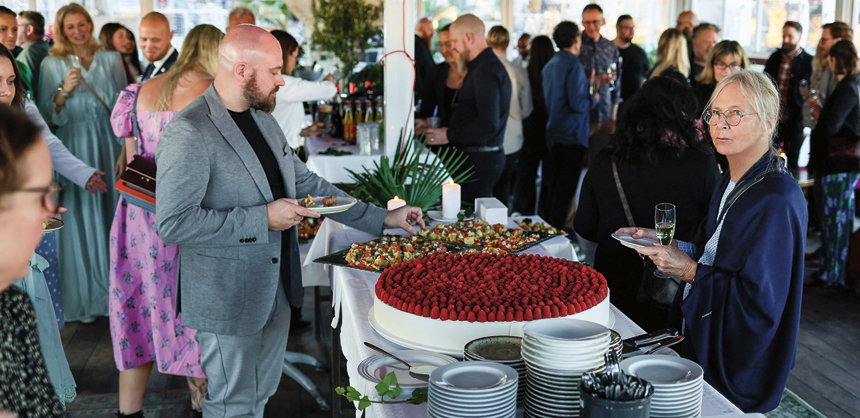
That shift has opened the door for more interactive and casual service styles. “For example, consider doing a reception with drinks and ‘not quite dinner’ food stations rather than a sit-down dinner,” Cardoso says. “Your attendees may prefer to go off to dinner on their own in smaller groups afterward.” The approach allows planners to create a more relaxed atmosphere while often reducing labor costs and excessive food production.
Networking is Driving F&B Strategy
For financial and insurance meetings in particular, networking remains one of the most important event objectives. As a result, planners are increasingly designing food and beverage experiences that actively support attendee interaction rather than interrupting it with lengthy formal meal functions.
“Even with the growing influence of AI, personal relationships remain critical in this industry,” Case says. “Attendees come to events to learn and to connect, and F&B plays a key role in creating those moments.”
“We have fully embraced flexible and non-traditional meal formats across events,” she adds. “Grab-and-go options, food stations and networking lounges have all become standard elements.” Attendees, she says, overwhelmingly prefer having flexibility and choice because these formats naturally encourage movement and interaction.
Cardoso has seen similar results at meetings she plans, saying these types of elements “tend to create a more dynamic atmosphere while also improving traffic flow and schedule flexibility.” These approaches can also reduce staffing costs and eliminate unnecessary food production while creating a more modern attendee experience.
Cardoso notes that planners are also discovering that some traditional offerings simply no longer make sense from either a cost or attendee-engagement perspective. Grab-and-go lunches distributed at the end of conferences, for example, often generate significant waste because many attendees skip them while rushing to airports or departing the property. Replacing those meals with packaged snacks has proven both more practical and more economical.
Smarter Beverage Planning
Alcohol service remains one of the largest budget categories for many meetings and events, but planners are discovering opportunities to scale back spending without negatively affecting attendee satisfaction.
Case says, “Ultra top shelf bar packages are rarely missed and almost never mentioned in post-event feedback.” Instead, premium-level offerings generally meet attendee expectations while producing substantial savings. Case also notes that carefully curated wine selections purchased by the bottle often provide better quality at a lower overall cost than broad ultra-premium offerings.
Brubaken strongly supports consumption-based beverage models as a way to maintain tighter financial control while minimizing waste. She also says bottled water has become one of the easiest places to cut unnecessary spending.
“I rarely offer bottled water,” Brubaken says. “Water stations are always more than sufficient and the majority of hotels I’ve worked with have filtration systems accessible to attendees.”
Case has also noticed that wellness trends are influencing beverage preferences and, like Brubaken, has acted accordingly. “As non-alcohol consumption continues to rise, thoughtful mocktails and non-alcoholic options are just as important and can help manage costs. In most cases, an on-consumption bar model provides the best budget control unless you know you are hosting a particularly heavy-drinking audience.”
Data is Reshaping Decision-Making
As costs continue climbing, planners are relying more heavily on attendee data, historical reporting and consumption analytics to make smarter food and beverage decisions. Case says her team has started collecting data on food choices during attendee registration to better predict participation levels and avoid unnecessary overproduction.
“We have recently started asking attendees about their meal preferences during registration, including whether they prefer a full breakfast, grab-and-go options or no breakfast at all,” she says.
That information helps planners shape menus and guarantees more accurately before the event begins. “Combining survey feedback with consumption patterns allows us to reduce waste while still delivering a strong attendee experience,” Case says.
Brubaken says tracking F&B has become one of her primary tools for refining strategy over time. “I mainly focus on the consumption patterns,” she says. “I’m very fortunate in that my attendees have always been very pleased with what I provide.”
Cardoso adds, “I work with venues to get actual numbers and trends by meal period to build more accurate guarantees in the future,” Cardoso says. The approach can generate significant savings without negatively affecting attendee satisfaction.
For one client, Cardoso used meal count data from a prior-year event to adjust guarantees for the following year. The result was approximately a 5% reduction in F&B spending, representing roughly $25,000 in savings, without any noticeable impact on attendees.
Post-event surveys also help planners identify which elements attendees truly value and which may not justify the expense. “I have found that reducing excess quantities in certain categories often goes completely unnoticed by attendees while significantly lowering waste and costs,” Cardoso says.
Venues themselves are also becoming more sophisticated in the reporting they provide to planners, helping organizations make smarter long-term decisions based on actual attendee behavior rather than assumptions.
Creativity and Collaboration With Venues
Strong venue partnerships are becoming increasingly important as planners look for ways to stretch budgets without sacrificing quality. Both Case and Cardoso emphasize that transparency and creativity with hotel and catering teams can lead to meaningful savings and stronger attendee experiences.
Brubaken says some of the most valuable savings opportunities actually begin during contract negotiations. “Helpful concessions can include a percentage discount off menu prices and having the hotel lock in menu prices at the time of contracting,” she says. She also believes honest collaboration with venues can uncover creative ways to trim costs without diminishing the attendee experience.
Case recalls one large Las Vegas event for a financial services client where attrition issues created challenges around meeting a substantial F&B minimum. By collaborating closely with the hotel, the planning team transformed the situation into a highly creative attendee experience rather than simply overspending on unnecessary banquet functions.
Wine purchases became prizes for event-app engagement games, while the culinary team transformed bulk candy into oversized Candy Land-themed décor installations for the opening-night event. For the closing awards dinner, the pastry team created elegant chocolate sculptures with gold accents and branded elements that doubled as centerpieces. Ice sculptures incorporated into food displays also counted toward the F&B minimum.
“This was a strong example of the client, planning team and hotel working together to turn a difficult financial situation into a memorable experience,” Case says.
Cardoso says planners should also have candid conversations with venues about overproduction practices and opportunities to repurpose food throughout the day. “Partnership and transparency with venues is critical,” she says. She recommends reusing leftover breakfast pastries and fruit during morning breaks and incorporating leftover desserts into afternoon refreshment stations whenever possible.
Cardoso also encourages planners to rethink how event space is used throughout the day. “Pre-function space is an often under-used space that can be very conducive to food and beverage networking functions throughout the day,” she says. Using those spaces more strategically can help events feel more active and engaging while minimizing the need for additional banquet setups.
Aligning Sustainability and F&B Budget Goals
Sustainability initiatives are increasingly influencing food and beverage planning decisions as both attendees and clients place greater emphasis on environmental and social responsibility.
Brubaken notes that many of her sustainability initiatives naturally overlap with cost-saving efforts. “I feel like my sustainability goals and my cost-saving goals go hand in hand,” she says. “Less spend in F&B often naturally means less waste.”
She adds that eliminating bottled water also supports sustainability goals. “This may not seem like much, but it is when you pay $10-plus per bottle of water,” she says.
Programs such as Fill it Forward can further engage attendees in sustainability efforts while making environmental initiatives more interactive and visible throughout the event experience.
Reducing overproduction, sourcing local ingredients and minimizing single-use products can all lower costs while supporting environmental goals.
Cardoso strongly recommends incorporating food donation programs into event strategy whenever possible. “My number one recommendation for F&B sustainability and social impact for U.S. events is to use Copia to donate leftover food to local organizations supporting people in need.”
Creating Memorable Experiences
While controlling costs remains essential, planners stress that the ultimate goal is still creating memorable attendee experiences that foster engagement and strengthen relationships. Increasingly, that means focusing less on extravagance and more on personalization, creativity and local connections.
Case recently helped create an Earth Day-themed Farmer’s Market activation designed to strengthen attendee and sponsor engagement. The experience featured local artisans including chocolatiers, candle makers, soap makers, olive oil producers, florists and leather craftsmen. Sponsors co-hosted the stations, encouraging more natural networking opportunities and attendee interaction.
The hotel also incorporated many of the local products directly into the menu itself by using local oils, salts, honey and chocolate throughout the culinary program. “The result was a highly collaborative and engaging experience that combined networking, local flavor and creativity,” Case says.
Experiences like these are becoming increasingly valuable. Attendees may not remember every session or keynote presentation, but they often remember how an event made them feel, and food and beverage experiences play a major role in shaping that perception.
As food and beverage strategy continues evolving, planners increasingly expect flexibility, efficiency and sustainability to shape the future of meetings and events. Brubaken says broader economic pressures will continue influencing how planners approach F&B strategy in the years ahead. “I think the current economy and political landscape will impact meetings and events,” Brubaken says. “I hope that those who are much smarter than me will guide the F&B trends and innovations to find a solution of increasing costs and flat budgets.”
Cardoso says, “Ultimately, the most successful programs will be the ones that create meaningful attendee experiences while being operationally efficient, financially responsible, environmentally sustainable and socially impactful.” I&FMM