CIT-2014-05May-LasVegas-147x147

Wowed in Las Vegas

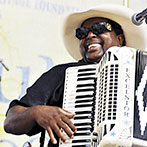
It’s great to be in Vegas, says this enthusiastic attendee of Interop Las Vegas 2014 at Mandalay Bay. High attendee engagement in a destination is important to UBM Tech, which has held the Interop annual technology conference in Las Vegas since 1994. Credit: Interop Las Vegas 2014

It’s great to be in Vegas, says this enthusiastic attendee of Interop Las Vegas 2014 at Mandalay Bay. High attendee engagement in a destination is important to UBM Tech, which has held the Interop annual technology conference in Las Vegas since 1994. Credit: Interop Las Vegas 2014

Numbers matter in a big way in a destination like Las Vegas, whether you’re talking about the stakes at the gaming tables or the number of visitors the city attracts. For the latter, that number reached nearly 40 million last year, and, according to the Las Vegas Convention & Visitors Authority (LVCVA), 2013 attendance at meetings and conventions reached a five-year high, with more than 5 million attendees participating in a total of 22,000 meetings. Here, attendee engagement with the destination is never in question, with spectacular shows, showplace hotels, and exceptional special event venues from pool piazzas and ultra-lounges to downtown museums and even an observation wheel 550 feet off the ground.

Don’t Mess With Success

UBM Tech, headquartered in San Francisco, doesn’t seem to be one of those companies that believes in moving their event from city to city each year. The company has held its annual Interop technology conference in Las Vegas every year since 1994. This year, the event attracted approximately 12,000 attendees and 300 exhibitors.

“For Interop, the sense of community is perfect in Las Vegas,” explains Jennifer Jessup, general manager for Interop. “The majority of the attendees are traveling in, so we want it to be a destination event. We find that the engagement in a venue like Las Vegas is quite high because you see those same attendees and exhibitors 24 hours a day the week that you’re there, whether that’s in a class, on the show floor, in the convention center or in the connected hotels and restaurants. That’s really important to us.”

The Mandalay Bay Convention Center has been the site of the event since 2005. Jessup describes why it works for them. “Having a hotel connected to the venue and having almost a hotel feel to the convention center is really appealing. The way the space is configured at the Mandalay Bay is very comfortable.” She added that her event requires about 15 breakout rooms and approximately 359,000 gross sf of exhibit space.

In addition to Mandalay Bay Resort and THEhotel, housing options for Interop attendees included the Excalibur Hotel and Casino, Four Seasons Hotel Las Vegas, Luxor Las Vegas, New York-New York Hotel & Casino, The Cosmopolitan of Las Vegas and Tropicana Las Vegas – a DoubleTree by Hilton Las Vegas.

The Mandalay Bay contains 3,211 guest rooms, and its separate all-suite tower, THEhotel at Mandalay Bay, is being reflagged as the Delano Las Vegas, scheduled to open in the fall with 1,100 suites.

“The Mandalay Bay has a really strong convention services department, so for the majority, we keep our ancillary events within the Mandalay Bay center,” Jessup explains. This year, for its Wednesday night party, Interop booked the Light Cirque du Soleil nightclub at the Mandalay Bay. “We invite all paid attendees, press, speakers and exhibitors to one party. It takes place early evening from 7–10, and the club actually has cirque performers. It’s a fascinating experience watching the performers. There’s a lot of dancing and food. I did not expect our market to be such avid dancers,” she laughs, “because it’s IT professionals, but they were out there on the dance floor!

“Because we do have quite a strong alumni base, they almost feel like this is their vacation,” Jessup explains. “This is their one time of year to meet with each other, to learn. They’re also very dedicated fun-seekers, so we try to provide as many fun networking opportunities as possible.

“I cannot say enough about the Mandalay Bay sales and convention services groups,” she sums up. “They are extremely helpful, extremely professional. When you go to a city like Vegas, hospitality is their business.

She describes another factor that sets Las Vegas apart from some of the other destinations she works with. “In Las Vegas, they just think about the experience constantly, not only for convention-goers, but for tourists, as well. There’s always something new that we can latch onto in terms of ideas or new venues or new restaurants. There are always gems to be found.”

‘Where People Want to Go’

Ed Chase, vice president of conferences for LRP Publications in Palm Beach Gardens, Florida, describes the factors that made Las Vegas a good choice for his company’s HR in Hospitality Conference & Expo. “Las Vegas has all the attributes we look for in a conference destination. It’s convenient to get to, there is a wide array of beautiful hotels and ample meeting space from which to choose, sales and convention staff there are professional and intuitive in anticipating your needs, and, let’s face it — Las Vegas is a place where people want to go.”

LRP chose the Aria Resort & Casino for its event.”We held our inaugural Health & Benefits Leadership Conference there last year, which was our first time at the Aria,” Chase explains. “Our attendees loved the hotel and conference space there, and we knew it would be a draw for our hospitality industry HR professionals this year. We are expecting more than 500 attendees with 44 exhibitors in our Expo Hall. Our numbers are up significantly from 2013.

“Las Vegas has all the attributes we look for in a conference destination. It’s convenient to get to, there is a wide array of beautiful hotels and ample meeting space from which to choose, sales and convention staff there are professional and intuitive in anticipating your needs, and, let’s face it — Las Vegas is a place where people want to go.” — Ed Chase

“We have a relatively small footprint of just over 38,000 sf, including a 20,000-sf exhibit hall,” he continues, “but the hotel has worked closely with us to make efficient use of our space. We love the appeal the Aria has. Its convention area, with a three-story wall of windows bathing the convention area in natural light, gives such a bright and energetic vibe to an event there. You can actually see the positivity in attendees’ faces when they know they’re not destined to be stuck in a dark ballroom all day.”

The 4,004-room Aria Resort & Casino was one of the first hotels in Las Vegas to achieve LEED Gold certification. The property offers 300,000 sf of meeting space as well as technologically advanced guest rooms, which feature one-touch controls for lighting, temperature, television, music and wake-up calls. Even the draperies are operated by remote control.

Chase says that his company enlists the support of the LVCVA when planning events. “We’re hosting five conferences in Las Vegas this year, and the LVCVA is very proactive with us. They make it a point to meet with us each time we are in town to keep us up-to-date on planned and new events, attractions and hotels, and are engaged in our long-term planning process.”

Lynn Rittenband, senior vice president, event marketing for Wine Spectator, is responsible for a multi-city event called Wine Spectator’s Grand Tour which attracts more than 200 of the world’s top wineries and hundreds of attendees at each stop. The event is held in New York, Washington, DC, and Las Vegas, but Rittenband noted an interesting distinction about the Las Vegas event. “Las Vegas is a destination city,” she says. “We market to the whole U.S. for Vegas. The other two cities are basically regional.” She expects her Las Vegas event to draw approximately 1,000 attendees.

Wine Spectator chose The Mirage Hotel & Casino for the Las Vegas stop on the tour, and Rittenband explained why. “The Mirage has wonderful, large space to hold the event. It is set back from the noise and tumult of the casino floor and the staff is very easy to work with.” Owned by MGM Resorts International, The Mirage contains 3,044 guest rooms and more than 170,000 sf of function space, including unique special event venues such as Siegfried & Roy’s Secret Garden and Dolphin Habitat, the Bare Pool Lounge and 1 Oak nightclub.

Unique Venues on Tour

Las Vegas boasts an ever-changing menu of interesting venues to choose from for private events. Lisa Gentilin, PhD, CMP, and president of Fancy Shindigs Inc., conducts a half-day workshop and field trip titled “Four Exciting Las Vegas Venues That Will Dazzle Your Guests” at the annual Exhibitor Conference & Exhibition, a training conference and expo for trade show exhibitors and event marketers held in Las Vegas. Gentilin’s session has become so popular that it is now offered twice at each conference.

“It’s all about finding a special event venue that’s not necessarily in a hotel ballroom,” she describes. “We talk about the pros and cons of different locations, and I reach out to different venues that I’ve either done things at myself or I have become aware of. We really try to get some of the new venues.”

The first venue they toured was the Keep Memory Alive event center. Located in downtown Las Vegas at the Lou Ruvo Center for Brain Health, the venue was designed by famed architect Frank Geary and features a dramatic, undulating exterior made of stainless steel. “It’s so lovely, and one of the great things that people don’t realize until they’re taking part in the tours is that every penny that they spend for an event actually goes back into the research facility that’s there,” Gentilin explains. The venue can accommodate 400 for a sit-down event or up to 700 for a reception.

“Next, we went over to The Mob Museum, which is in the old courthouse,” she continues. The interactive museum is dedicated to the history of organized crime and law enforcement, and offers a variety of spaces for private events. The entire museum also is available for a buyout.

“And then we went over to the Rio (All-Suite Hotel and Casino), which is a Caesars property, because that offered us so many different things within one location. I highlighted the Palazzo suites, showing how you could do hospitality events in the suites and combine them with sleeping rooms, since they can be locked off.” The Palazzo suites are located in their own tower at the Rio and range from 3,900 to 13,950 sf. “A lot of the hotels have  villas and suites that aren’t on their sales list. You just have to know to ask for them.”

The next stop on the tour was the Penn & Teller Theater at Rio.  “If you’re only going to have a general session for an hour or two hours and need space, why not use something like that? It just has a nicer feel than sitting theater-style in a ballroom,” Gentilin notes. “They’re dark during the day and two nights out of the week. And that applies to all of the theater space that’s within Las Vegas.

Next, Gentilin took her group up to the Voo Doo Lounge located on the Rio’s 51st floor. “It’s beautiful up there. This one has the whole restaurant  floor and then it’s got the club floor on the top and it’s the largest club within Las Vegas.” Gentilin explained that the Voo Doo Lounge also has an outdoor rooftop area and that they are in the process of adding a zip-line attraction to it. After that, the group had lunch in the Barrel Room at the Rio’s wine cellar.

Next, they went to The Linq, Caesars Entertainment’s new shopping, dining and entertainment district, to preview the 550-foot Las Vegas High Roller, the world’s highest observation wheel. The new ride is equipped with cabins that can hold 40 guests each. “You can rent the cabins for events, and then at the building that’s closest, where they board, there’s a small event space there and two rooftop areas.” The High Roller takes 30 minutes to complete one rotation, and Gentilin says that for a group of 25, bar service can be provided in a private cabin for a set package price.

While they were at The Linq, Gentilin also took her group to see the event space at the new 80,000-sf concert and event venue Brooklyn Bowl, which also includes a rooftop area.

Gentilin, who also teaches event planning for private companies and at San Francisco State, says she gets a great response from event planners who attend these annual field trips. “They absolutely love it, and I have to say, one of the nice things about it is that they get  treated well. We’re planners, and we’re always worried about making sure our client is getting treated well and having a good time. This is the reverse for them. They get pampered.” Now, she’ll turn her attention to finding four more interesting venues for her sessions at Exhibitor 2015, which will take place next March 1–5 at the Mandalay Bay Conven­tion Center.

More Unique Event Spaces

New on the nightlife scene, as of last spring, is MGM Grand Hotel & Casino’s Hakkasan, a five-level space that offers a variety of environments, including the restaurant, private dining room, Ling Ling level, main nightclub, pavilion and mezzanine.

Hakkasan Group recently acquired Pure Nightclub inside Caesars Palace. The nightclub closes this month in order to undergo a total remodel that will be completed in early 2015. Pure was named the No. 1 nightclub in the country by E! Entertainment one year after its opening in 2004.

Making a splash last June was the debut of the Seascape Ballroom within Shark Reef Aquarium at Mandalay Bay. Planners can hold intimate receptions, sit-down dinners and board meetings here, with an animated backdrop of swimming sharks and other marinelife in the 1.3-million-gallon exhibit.

The newly renovated Tropicana Las Vegas – a DoubleTree by Hilton added two new event venues: the Havana Room and the outdoor Beach Club.

The 390-room M Resort Spa Casino just opened its Villaggio del Sole main pool and entertainment complex for the spring and summer pool season. The 100,000-sf Villaggio del Sole backyard pool piazza features two infinity-edge pools, private daybeds and cabanas, and a main pool deck perfect for outdoor group receptions and networking. New at Villaggio are Penthouse Patios, each accommodating up to 30 VIPs with lawn area, lounge furniture and recreational game tables. M Resort Spa Casino offers 92,000 sf of conference space, with great views of the Las Vegas skyline.

The very hip 634-room Downtown Grand hotel, which opened its doors in December in a location convenient to the Freemont Street Experience, features a rooftop venue called Picnic, which can host private events for up to 1,500 guests.

Imagine Exhibitions Gallery at The Venetian debuted its third installation, Da Vinci The Exhibition, an in-depth and interactive look at the works, life and art of Leonardo da Vinci. The space features 65 fully built, life-size inventions, more than 20 fine art studies and dozens of stunning displays, making for an inspirational event space for private functions, dinners and cocktail receptions.

Planners who need an entirely self-contained sanctuary for a more meeting-focused environment can look to The Westin Lake Las Vegas Re­sort and Spa in Henderson, which underwent a major renovation before re-opening under the Westin flag in 2012. Although it’s only 30 minutes from The Strip, the Moroccan-inspired resort might as well be a world away with its tranquil setting featuring lake and mountain views, white sand beaches and any number of water activities, plus access to the Jack Nicklaus-designed SouthShore Golf Club just five minutes away. The Westin takes advantage of its stunning environs by offering 50,000 sf of outdoor space from gardens and poolside decks to a terrace overlooking the lake. There is 94,000 sf of meeting and banquet space including a 20,000-sf ballroom and naturally sunlit meeting rooms and boardrooms.

Hotel and Development News

The three-level Mandalay Bay Convention Center currently offers 1.7 million square feet of event space, and it recently unveiled plans to expand the facility to over 2 million sf. Plans call for the addition of more than 350,000 sf of exhibit space, as well underground parking and additional carpeted ballroom space. Construction on the $66 million project is scheduled to begin in the fall, and the new exhibit space is expected to be available in late summer 2015.

May 1 marked the groundbreaking for a new 20,000-seat indoor sports and entertainment arena, which is a joint venture between AEG and MGM Resorts International. The new venue, which will be located between the New York-New York Hotel & Casino and Monte Carlo Resort and Casino on the Las Vegas Strip, is expected to open in 2016. It will be part of an eight-acre dining and entertainment district called The Park, a landscaped area that is being designed to create an interactive neighborhood environment. The project also is scheduled to open in 2016. Both resorts are undergoing significant transformations of their Strip-facing experiences into plaza environments featuring casual eateries, bars, restaurants and retail destinations that will ultimately lead to The Park. Restaurants at Monte Carlo’s new entryway include the just-opened Double Barrel, a 12,000-sf roadhouse restaurant; Yusho, with authentic Japanese street food by celebrated chef Matthias Merges; and 800 Degrees Neapolitan Pizzeria. Anchoring the new experience at New York-New York, a 2,024-room property with 21,500 sf of meeting space, will be the two-story Hershey’s Chocolate World. The interactive destination for chocolate lovers opens in the second quarter.

In response to guests’ growing interest in health and wellness, MGM Grand Hotel & Casino recently expanded its Stay Well collection. Encompassing the hotel’s entire 14th floor, the collection now includes 171 rooms and suites, all offering health and wellness features such as a vitamin C-infused shower, air purifier, dawn-simulating alarm clock and healthy menu options. Guests also have access to the Stay Well lounge, an exclusive area for registration and relaxation.

Caesars Entertainment’s The Cromwell, the first standalone boutique hotel on the Las Vegas Strip, opened this month. Created through a $185 million renovation of the former Bill’s Gamblin’ Hall & Saloon, The Cromwell offers 188 rooms and suites, a 40,000 sf casino, and Giada, a new restaurant concept by celebrity chef Giada De Laurentiis that opens in June. The hotel also will be home to a new 65,000-sf rooftop venue, Drai’s Beachclub Nightclub, which is scheduled to open on Memorial Day weekend.

This year the Tower suites and spas at Wynn and Encore received Forbes Five Star awards. Wynn Las Vegas and sister property Encore together offer more than 4,700 guest rooms and 260,000 sf of meeting space. The luxury hotels have 32 F&B outlets boasting two signature chefs, two award-winning spas, an onsite 18-hole golf course, Maserati and Ferrari dealership, 94,000 sf of retail space, two showrooms, three nightclubs, a beach club and more. Wynn Las Vegas’ aqua theater-in-the-round presentation “Le Rêve: The Dream” is offering backstage tours and a special “Diver’s Dream” package for guests who are scuba certified. Guests can go behind the scenes of the show and see all of the props and special features that take place backstage. Also, those who take part in the diver’s dream package are able to be in the water during an actual performance of Le Rêve to see all the magic underwater.

In January, the ESPA at Vdara Hotel & Spa “Las Vegas has all the attributes we look for in a conference destination. It’s convenient to get to, there is a wide array of beautiful hotels and ample meeting space from which to choose, sales and convention staff there are professional and intuitive in anticipating your needs, and, let’s face it — Las Vegas is a place where people want to go.” began welcoming guests to its 18,000-sf, two-level spa experience comprising 11 treatment rooms. Attendees who are spa enthusiasts will note that this is ESPA’s first branded spa on the West Coast and only the third in the U.S. The 1,495-suite Vdara, while relatively low on meeting space (10,000 sf), has a prime location in CityCenter, a mixed-use, 76-acre complex that also is home to Bellagio and Aria Resort & Casino.

The Sands Expo and Convention Center, which offers 2.25 million sf of exhibit and meeting space, as well as direct connections to more than 7,000 suites at The Venetian and The Palazzo, recently completed a $37 million renovation that included remodeling the lobby and adding escalators, new carpeting, Wi-Fi hotspots and food outlets. And, the “Panda!” show has made its world premiere at The Venetian and The Palazzo. It features a combination of acrobatics, martial arts, music and dance from the China National Acro­batic Troupe.

The Numbers Add Up

Ed Chase offered a few helpful tips based on his experience planning events in Las Vegas. “Plan ahead early, and plan for the ‘Vegas Bump.’ We’ve found that Las Vegas itself will be responsible for a 10 percent increase in the number of your attendees — always a good problem to have!” C&IT

CIT-2014-04Apr-Budgeting-147x147

Meeting Budgets

CIT-2014-04Apr-Budgeting-860x418

Due to a strengthening economy, many companies and organizations are hard at work launching new products, hosting challenging sales incentive programs, training additional staff and managerial crew, and setting new goals, objectives and five-year plans for the future.

There’s no better way to do that, of course, than to meet face-to-face at a premier downtown meeting hotel or golf and spa resort, near or far.

While one might expect budget belts to be somewhat loosened as more business is conducted and more meetings are scheduled, however, “it ain’t necessarily so” as the old song claims.

That’s because nowadays the budgeting process is more complex. Planners are more entrenched in strategic meetings management, and therefore more concerned about return on investment and meeting business goals than they are about just event costs.

At least that’s the new spin on budgeting these days, a lesson that was sorely learned by meeting planners after the financial crisis of 2008. Today, more than ever, planners are severely challenged by the resurgent seller’s market.

The Market Now

It’s a sobering fact but the reality is that when the economy is down, planners will find a friendlier marketplace on the supplier side of the industry but, when it’s on the uptick, as it is now, not so much.

And, as to whether there exists a buyer’s or seller’s market, some planners are on the fence about it. Take Glenna Fulks, assistant director of corporate events at the Trevose, PA-based Advertising Specialty Institute. In an interview late last fall, Fulks described her situation:

“We have a network of 25,000 distributors and suppliers throughout North America, and we host five national trade shows in metropolitan areas each year, along with a stream of other corporate events. From my experience, all indicators show that meetings are back up but, with that said, so is a tougher marketplace in which planners must operate.

“Sure, there are always pockets of opportunity out there like in Las Vegas. While it appears to be back to its old glory days, especially if you’re trying to book a meeting Wednesday through Saturday, send them an RFP for a meeting that begins with a room block on a Sunday night, and they will jump through hoops to be the first to answer you and give you the deal of a lifetime — assuming, of course, that they don’t have a citywide convention loading in over the weekend,” she says.

“So, seller’s versus buyer’s market? My answer to this would be that the shift appears to indicate that it’s more of a seller’s market Wednesday to Saturday with fewer concessions available to the buyer. There are still deals out there, however, and there is still some open territory when the two parties can meet in the middle and strike a decent deal for both sides. But during a shoulder season and for a meeting that arrives on Sunday and departs on Tuesday, I see it as being very much a buyer’s market.”

But, have no fear. According to Fulks, hotels learned something back in 2009 and 2010, especially if multi-year contracts are a possibility.

“There are enough veterans out there who know that the lean times could come again, just like they did at the end of 2008 and into 2009,” she says. “And it’s better to be prepared and have a little cushion than to fly by the seat of your pants and pretend that the air will never again be let out of the balloon. On the flip side of that analogy, however, there are smart meeting planners who did not take undue advantage of hoteliers during the lean years but partnered with them instead, so there is a good deal of mutual understanding and respect that was built and, conveniently enough, can now be collected on.”

Since 2013, however, Fulks strongly believes that even with the fiscal-cliff scare and the potential of the economy taking another hit, things in the hospitality industry seem somewhat stable. “Hotels are cautiously expecting to increase and build on their rates over the next few years — to get back to where they were in 2008 before the last financial disaster,” she says.

“It is so much easier to do business with someone with whom you have a relationship. They will go the extra mile for you and vice versa.” — Glenna Fulks

Gail Schuster, village gatherings director for DaVita, the dialysis division of DaVita HealthCare Partners Inc., a Fortune 500 company located in Denver, CO, agrees with Fulks’ assessment of the meetings marketplace and makes another interesting observation.

Schuster says, “The meetings industry is on the upswing, and I do believe it is a sellers’ market, even so, the sellers’ increases have far outpaced the meetings industry upswing. Yes, the method of budgeting has remained the same, for us anyway, however, the percentage of our ‘spend’ has changed. Five years ago, we were able to negotiate inexpensive hotel rates and added concessions. Today, the hotel expenses have increased, yet our overall event budgets have not.”

Money Isn’t Everything

Again, when budgeting for corporate meetings and events, money isn’t everything. One New York-based meeting planner of a large publishing company claims that “saving money on meetings doesn’t mean anything if you don’t get the expected outcome. Today, budgeting for meetings is more about ROI — and not just that but, now, ROO (Return on Objective) as well.”

She says that what has changed for her company, an aviation leader that regularly hosts major industrial events, are its marketing strategies. “Instead of blindly mailing and emailing material to promote exhibitions, trade shows and other events, we are seriously testing markets now and looking more closely at the demographics we want and need at the events to make them a success, which, in turn, leads to increased business and expansion — our objectives — or ROO,” she points out.

“For instance, we now look at who was on the attendee list and the potential ROI that each attendee brought to play. If a CEO cancelled their attendance and replaced it with a director, then there is scrutiny as to whether that director can bring the same weight as what his CEO would have contributed to the event. Certain events are marketed and targeted towards the very top echelon of attendee, while other events are not. So, the budget is weighted.”

Billy Bauer, marketing director at Royce Leather, Secaucus, NJ, underscores the importance of ROI and ROO, the new wrench in a meeting planner’s tool box. He says that he has been facing increasing pressure from management to clearly demonstrate the financial return on investment of staff development and encouragement initiatives.

“We hold conferences twice a year at our corporate headquarters in New Jersey, once in July and once at the end of December. During that time we fly in all of our regional sales managers, IT and logistics people and distribution center employees from around the world to either hype them up for the second half of the year, or thank and celebrate them after another successful year,” Bauer says. “To save costs, we host these conferences onsite as we have a gorgeous plot of land around our main U.S. distribution center so we have a big picnic in the summer, and then in the winter we transform our massive showroom into a gala area. We also know the exact dates and times of these events, as we have been doing them for a long time, so everyone is on the same page from a coordination perspective; therefore we save money on speakers, vendors and suppliers also by booking well over a year in advance for each event.”

Furthermore, Bauer notes that while it is sometimes difficult to demonstrate the ROI on human capital management initiatives, the company generally tries to measure it by collecting “happy sheets” premised on employee feedback.

“Today’s economic climate is forcing marketing…executives to demonstrate that their talent development initiatives justify the meeting investment by using convincing metrics, which indicate a substantial monetary ROI and ROO.” — Billy Bauer

“But now, this is a fairly light touch, which is no longer sufficient to satisfy the CEO,” he observes. “Today’s economic climate is forcing marketing and human resource executives to demonstrate that their talent development initiatives justify the meeting investment by using convincing metrics, which indicate a substantial monetary ROI and ROO. Flimsy estimates of impressions and reach are now unacceptable forms of reporting,” notes Bauer. “Now, every hashtag of information is not only available, but also immediately collectible, quantifiable and deliverable. Because anyone can potentially double-check your wrap report facts, it’s important to use reliable third-party tools to back up your ROI/ROO claims.

“Many of the social monitoring and analyzing tools that are out there now, such as RowFeeder and Klout, require setup prior to the event for comprehensive results, so be sure to set these up as part of the budget and have them in motion as soon as you’ve created that event hashtag.”

When Money Does Matter

While planners must be more artful in crafting their budget than ever before, especially in regard to ROI and ROO, keeping an eye on the bottom line is always a concern. To accomplish that, planners must be creative and Schuster notes that a good rule to follow is “no one category should exceed 30 percent of the total budget.”

In addition, Fulks reminds us that during the financial crisis of 2008 and beyond there were a number of hotels that created money-saving initiatives for corporate planners. “I’m talking about rebates back to the master account if a certain threshold of spending was achieved, or offering guest room Internet connectivity into the overall room rate and so on. I remember saying at the time that once the hotels started offering these items during the lean years, that they would never be able to put ‘Pandora back in the box’ when times returned to normal,” she says. “And it’s been true. The guest room Internet connectivity has become pretty standard now — especially if you ask for it as a concession on your RFP, and the same with the rebate back to the master account. Hoteliers were the ones who opened that box and conditioned their customers to expect it.”

Money Saving Tips

Everyone the world over loves saving money, and meeting planners are no different. Consider these time-honored, money-saving tips from savvy planners:

Day of arrival. Many hotels sit empty on Sunday night. If you can put “heads in beds,” they are going to be more willing to discount their rate as well as throw in concessions that will add up to cost savings.

Thinking local. Hotels like to showcase their area, so play up what the area is known for. For example, if you’re meeting in Atlanta, consider serving pickled watermelon or fried green tomatoes.

Sharing. Find out what kind of audio-visual setup the group before you is using and work out an arrangement to use all or part of it to save setup costs.

Concessions. Don’t be afraid to ask, because you have no idea what the hotel may agree to. They may offer to meet you halfway. If you ask for a 10 percent discount on F&B and the hotel declines, ask if they will consider designing a per-person menu around a set price; or if they will agree to allow you to use the 2013 menu pricing, even if the meeting is in 2014, as long as you sign by the end of the month.

Rebates. Ask the hotel if they will consider a rebate on the room block if you get your contract signed by the end of the month. If they agree to 5 percent on the room block as a rebate, then ask them to apply this as a credit to the overall bottom line.

Relationships. But, more than anything else, Fulks advises planners to create a solid working relationship with the sales manager at the hotel. “It is so much easier to do business with someone with whom you have a relationship. They will go the extra mile for you and vice versa. Connect with them on LinkedIn and then recommend them for their skills or write a nice recommendation of your experience working with them. This will take only 15 minutes of time, and they will repay this favor 100 times over because you have gone to the effort of publicly praising them in front of their boss and other customers.” C&IT

CIT-2014-04-Cover-WP-Website

Orlando: ‘Where There’s Something New Every Year’

Rockwell Automation attendees like the atmosphere, the F&B and energy found on the Streets of New York — one of Universal Orlando's popular locations for a street party.

Rockwell Automation attendees like the atmosphere, the F&B and the energy found on the Streets of New York — one of Universal Orlando’s popular locations for a street party.

Visit Orlando President and CEO George Aguel earlier this month proudly announced that Orlando set an all-time record for U.S. destinations by welcoming 59 million visitors in calendar year 2013 — a hefty 3 percent increase over 2012.

Add that triumph to a number of other accomplishments such as CVB of the Year by ConferenceDirect in 2013 and HelmsBriscoe in 2012. Aguel says he “likes the sound of CVB of the Year.”

And troves of meeting professionals couldn’t agree more with Aguel, who asserts, “Orlando is one of the top destinations for meetings, conventions and trade shows in the world. Our award-winning convention center is recognized each year for its outstanding service and amenities. We offer an incredible diversity of hotel and resort properties for meeting professionals to choose from.”

Aguel continues, “As a city, we’re constantly evolving. Orlando is a destination where there’s something new every year. Universal’s Cabana Bay Beach Resort just opened, and this summer, for example, we have the grand opening of the Four Seasons Resort at Disney as well as the new entertainment complex on International Drive near the convention center — the future home of the Orlando Eye (observation wheel) — which will add more restaurants, shops and attractions to the mix.

“As a city, we’re constantly evolving. Orlando is a destination where there’s something new every year.”  George Aguel

“Of course, there also are our outstanding theme parks. Groups can take over areas of the parks for private events that guests will remember for years to come. Our restaurant scene is also constantly evolving with new restaurants that will excite even the most discerning attendees. From elegant, top-rated Zagat restaurants to casual pubs, there’s something for every taste — all within minutes from the convention center and convention hotels.”

Orlando doesn’t rest complacently on its lofty perch as one of the world’s top meeting, incentive and convention destinations. The city relentlessly continues to add more of everything corporate planners need.

As a matter of fact, Orlando is experiencing one of the most significant expansion periods in the destination’s history. According to Visit Orlando, Universal Orlando Resort will open the world’s first centrally themed, multi-park experience this summer by expanding The Wizarding World of Harry Potter across both of its theme parks. SeaWorld Orlando recently opened Antarctica: Empire of the Penguin — the biggest expansion in its company’s history, while Walt Disney World Resort will complete a multiyear project that is doubling the size of Fantasyland when it debuts the Seven Dwarfs Mine Train coaster this summer.

Meetings held earlier this year in Orlando include the bi-annual Business Alignment Meeting (BAM) of Milwaukee,WI-based Rockwell Automation. Business and sales leaders from more than 40 countries gathered for a five-day meeting at the 1,000-room, South Seas-themed Loews Royal Pacific Resort, according to Jeff Storley, manager, commercial events, Rockwell Automation. BAM was held at the Loews Royal Pacific Resort in 2012 and also is scheduled for 2016 and 2018. Rockwell Automation also held three software technical education conferences for end users and other business partners at the resort in 2003, 2005 and 2007.

Loews’ 85,000 sf of flexible conference space is a big reason Rockwell Automation returns often to the property. Conference facilities, which are located on one floor, allow attendees to flow efficiently between classrooms when sessions are on a tight schedule, and the U-shaped arrangement is conducive to training sessions¸ says Storley.

Theme Park Bonuses

The BAM meeting held roughly 90 classes over four days in about 20 different classrooms. The technical education conferences had nearly 1,000 computers in the conference space networked together for end users and other business partners.

Storley also likes Universal Resorts’ self-contained setting and the endless variety of entertainment and activities available on-property. “We had an event at Streets of New York, says Storley. “We rented out a section of Universal, and they gave us a number of rides as part of the rental. We also opened up their shops and restaurants and had Universal characters roving through the crowd. The big attractions for us were the Transformers ride, the Despicable Me ride, Shrek 4D and Revenge of the Mummy. Some people also went to Disney, Cape Canaveral and SeaWorld during their visit to Orlando.”

The Loews Royal Pacific Resort also is a property of choice for Rockwell Automation because it provides great value. “It’s an awesome value,” says Storley. “We are very budget-conscious, and they help us to make sure we manage our budget to the letter. We feel we get great value. We have been working with the same salesperson for every meeting.”

Later this year, Walt Disney World Resort will host a meeting of a major international candy and confections corporation based outside of Florida. The company will hold its fifth consecutive annual sales meeting at a Walt Disney World Resort property this spring and return again in 2015. The group has held meetings at the Disney’s Yacht Club Resort, Disney’s Contemporary Resort and Disney’s Grand Floridian Resort & Spa.

Six years ago, the candy company’s sales group meeting planner (who requested anonymity) didn’t consider meeting at Disney. “I wasn’t even planning to do a site visit,” she says. “As luck would have it, a former executive at our company became an executive with Disney and encouraged us to look at it as a possibility. I agreed to go there on a site visit, and we’ve been going since.”

Walt Disney World Resort is the company’s destination of choice for several reasons. “There are so many opportunities to have different experiences in the same venue that we wouldn’t have been able to have at a reasonable cost anywhere else,” she explains. “You couple that with the fact that Orlando is one of the least expensive places to bring a large group. And here’s a key: They offer amenities to the family and friends of attendees who want to come a few days before the meeting or stay on afterwards.”

In addition, meeting at Walt Disney World provides good value. The candy company initially signed meeting contracts year-by-year, but now has a great multiyear deal, says the planner. “The room rates are very good,” she says. “The food and beverage rates are competitive. If someone is looking for food and beverage price alone, they probably wouldn’t choose Disney, but there are so many other things included in the packages that make it a good value.”

The company’s four-day sales meeting at the Yacht Club Resort last year included about 450 attendees. The group took full advantage of all that the hotel offers, starting with the beach. “We had a beach party for a welcome reception,” says the planner. “It was a casual barbecue. We used the Disney DJs for dancing. Our salespeople loved being able to go to dinner in their bare feet and play volleyball and horseshoes. We had (a famous NASCAR driver that the company sponsors) signing autographs on the beach. We also had a fire and made s’mores.”

The meeting’s general session included a special confectionary touch. “We made it look and feel like chocolate with lots of brown piping and drapes,” says the planner. “We had chocolate machines to infuse the smell of chocolate when people walked into the room.”

In addition, the company hosted a formal black-tie gala dinner in the Grand Floridian’s convention center, according to the planner. “It was themed to the colors representing the traditional high-honor awards for career sales accomplishments. We used black, gold and red colors, and changes in lighting and drapery to make the ballroom look like it was converted into something different than it was during the general session. We had an after-party in a hospitality room, where we brought in dueling piano players.”

The sales group’s previous annual meetings at Disney have taken full advantage of other activities and entertainment offerings. “One year we did a dinner at Epcot Theme Park” says the planner. “They closed off a balcony for us to watch a light show and fireworks. Another year, we did a special event at Disney’s Hollywood studios, and we had private access to the rides. We also had customized food and entertainment. They learned about our brand and helped us incorporate it into our theme through entertainment, whether it was a comedian or strolling musician. One year, they customized dessert and 3-D eyeglasses to our brand.”

Making Meetings Easy

The candy company’s planner cites Disney’s overall commitment to great customer service as a major reason for returning year after year. “If there is anything that stands out no matter which venue we use, it’s the partnership with the people,” she says. “From the sales teams to the people at the convention center, the way they partner with you sets them apart from other venues, and it keeps us coming back. They make meetings easy for us.” That’s one reason why the company’s research and development as well as its brand team also have held meetings at Disney, she adds.

Planners point out that Orlando is a world-class destination partly because its theme parks offer such dedicated service to meetings both large and small. An oil and gas services company based outside of Florida held a three-day meeting earlier this year for 125 of its banking business partners, mostly from the northern and central U.S. It’s the eighth consecutive year that the company (which would like to remain anonymous) has held the meeting at Disney’s Grand Floridian Resort & Spa.

Although the oil and gas company has met at the same property for eight consecutive years, the group continues to find new activities, entertainment and experiences. “This year we did a dinner at Epcot’s World Showplace pavilion in a venue that is not open to the public,” says Luz France, the company’s planner and executive assistant. “We did a Cirque du Soleil-type entertainment where they entertained on a center stage with the group seated around them. We did the Richard Petty Driving Experience (which provides the thrill of a real NASCAR race). We also fished in the Seven Seas Lagoon on boats docked at the Grand Floridian. They golfed at the Magnolia and Palm courses, and enjoyed the Senses Spa at the Grand Floridian. Some people did the various park and back-lot tours that Disney offers.”

France also touts the Grand Floridian’s audio-visual services. “Our in-house technology people worked with the hotel staff,” says France. “Our audio-visual included a company video that we shot in HD and put together mainly for this meeting.” France adds that the hotel’s premier HD equipment made his audio-visual content look “very sharp.”

State-of-the-art audio-visual and technology help cement Orlando’s status as a premiere destination. Andrew Taffin, CEO of Iselin, NJ-based Tallen Technology Rentals, which has provided audio-visual and technology rentals to meetings in Orlando with up to 5,000 attendees, describes the destination’s audio-visual and technology services as “unlimited.”

More Orlando properties are tying audio-visual and other visual technology to mobile event apps, many of which integrate games and fun, interactive features such as contests and scavenger hunts. Orlando properties also are using interactive technology such as displays and touch-screens to connect meetings in separate rooms and other function spaces both indoors and outdoors.

Overall, meeting planners will be pleased to learn that Orlando has plenty of room for all their events. Orlando boasts more than 450 hotels with more than 118,000 rooms. Out of that total, meeting properties number 36, with a total of 33,343 rooms. (Meeting hotels, also known as convention hotels, are defined here as having a minimum of 300 rooms and no less than 20,000 sf of meeting space.)

Orlando continues to increase its supply of technologically modern hotels: The projected total of all rooms jumps to 120,575 for 2015.

Here’s the latest property news for Orlando.

New and Improved

Universal Orlando Resort’s Cabana Bay Beach Resort opened March 31. The retro-style, 1,800-room resort is the largest of Universal’s four onsite Loews Hotels. Loews Portofino Bay Hotel at Universal Orlando completed a $14 million renovation of its 750 guest rooms and suites and refurbished the hotel’s façade. Loews Portofino Bay features 42,000 sf of meeting space.

The 444-room Four Seasons Resort Orlando at Walt Disney World is scheduled to open in late summer 2014. The lakeside resort will offer 37,750 sf of meeting and function space including ballrooms of 14,000 sf and 6,000 sf. Groups will enjoy nightly fireworks views, great golf, the spectacular five-acre Explorer Island and much more.

The 1,417-room Hilton Orlando’s new 50,000-sf outdoor Promenade features spectacular water and fire fountains and provides a lush landscaped lawn and patio ideal for intimate gatherings or large events for 100 to 3,000 guests. Four distinct areas include the Sky Terrace, Grande Lawn, Fountain Plaza and Sun Garden. Tents, catering, lighting, sound and entertainment are available for custom-designed events. An elevated pedestrian bridge connects the hotel to the Orange County Convention Center (OCCC).

Sheraton Lake Buena Vista Resort is undergoing a $25 million makeover. The project includes the hotel’s 429 guest rooms, meeting spaces, redesigned pools and dining options.

The Westin Orlando Universal Boulevard, located directly across from the North/South concourse of the OCCC, has opened a new meeting and special event center. The 5,575-sf Lotus Ballroom increases the 315-room hotel’s total function and prefunction space to 13,685 sf. The new ballroom accommodates up to 300 guests for a banquet setting or meeting and up to 500 guests for a reception. The new ballroom is adjacent to the hotel’s free-form outdoor pool, another ideal location for outdoor group functions.

The 2,000-room Orlando World Center Marriott has completed a five-year, multimillion-dollar refurbishment that included the North Tower’s 514 guest rooms, 10 suites and 110 guest suites. The Hall of Cities meeting rooms also underwent renovation. The property boasts 450,000 sf of function space.

Over the past 40 years, Rosen Hotels & Resorts has delivered one-of-a-kind Orlando experiences. Their three meeting hotels include Rosen Shingle Creek, Rosen Plaza Hotel and Rosen Centre Hotel. Rosen Plaza Hotel was connected to the OCCC West Building via the Gary Sain Memorial Skybridge in September. Rosen Plaza is updating its fine-dining restaurant, Jack’s Place, slated to open in the fall. Rosen Centre Hotel is opening a new poolside restaurant this summer, Harry’s Poolside Bar & Grill.

The newly renovated Wyndham Orlando Resort Inter­national Drive boasts new resort-chic décor for the property’s 613 guest rooms and suites, a newly renovated lobby lounge, and 25,000 sf of newly constructed meeting space and expansive outdoor venues for events.

Other Developments

Orlando-based Unicorp National Developments Inc. is busy with two development projects: the $100 million I-Shops redevelopment/expansion of the Wyndham Orlando Resort and the future home of The Orlando Eye on International Drive — the $200 million dining-shopping-entertainment complex. The new Orlando Eye — a 425-foot observation wheel — will be complemented by attractions such as Sea Life Aquarium and Madame Tussauds wax museum. LongHorn Steakhouse is now open and Yard House Orlando is set to open in April. Other restaurants will open as they are completed.

The 1,641-room Peabody Orlando was reflagged as the Hyatt Regency Orlando. Before it changed hands last fall, the property was renovated for approximately $440 million. The property also boasts a spa, fitness center, three pools and three restaurants. It has 315,000 sf of meeting space and is attached to the OCCC.

Earlier this year, Arnold Palmer’s Bay Hill Club & Lodge landed on the prestigious 2014 Condé Nast Traveler Gold List, scoring a 100 percent ranking for service. The property offers 70 rooms, 9,000 sf of meeting and banquet space as well as 27 holes of golf.

Extra, Extra

Combining business and pleasure just got a little easier at the Walt Disney World Swan and Dolphin as the new Disney FastPass+ allows hotel guests to reserve up to 60 days in advance of their trip and choose from a broader array of options, including Disney Character Greetings, fireworks and parade viewing areas, shows and spectaculars.

The Walt Disney World Swan and Dolphin, located in the heart of Walt Disney World, offers 2,265 guest rooms and more than 329,000 sf of meeting space including 84 meeting rooms, two executive boardrooms, four ballroom options, 110,500 sf of contiguous convention/exhibit space, outdoor function areas and two business centers.

Disney Differences are part of the package at Swan and Dolphin, too. They may include such items as access to Walt Disney World Theme Parks for “magical” parties and events; Disney Character appearances at group functions; the world-renowned executive training of the Disney Institute and the Walt Disney World business programs; behind-the-scenes tours and personal enrichment programs; access to ESPN Wide World of Sports for sporting events, teambuilding programs and themed functions; exclusive mid-day and multi-day meeting/convention tickets to the Walt Disney World Theme Parks; extra Magic Hours benefit; complimentary transportation throughout the resort including water taxi service to Epcot and Disney’s Hollywood Studios; access to four nearby championship Walt Disney World golf courses; and more.

Planners considering Doubletree by Hilton Orlando at SeaWorld, formerly the Doubletree Resort Orlando – International Drive, will find extra benefits as the property is an official onsite SeaWorld partner hotel. The resort offers 1,004 guest rooms and suites, 60,000 sf of flexible indoor/outdoor meeting and banquet space, multiple dining options and complimentary transportation to the major theme parks. Complimentary Quick Queue at SeaWorld; complimentary transportation to SeaWorld, Aquatica, Discovery Cove, and Universal Orlando and others are a few of the extra benefits available.

Theme Park Additions

Universal Orlando Resort is expanding the Wizarding World of Harry Potter, adding the London-themed Diagon Alley area in Universal Studios this summer. The new attraction, which doubles the size of the Harry Potter world, will feature new experiences based on Diagon Alley and Knockturn Alley from the Harry Potter series.

Connecting the existing and new Harry Potter lands will be the Hogwarts Express train, which will treat guests to two completely different experiences depending on whether they’re traveling to Hogsmeade in Islands of Adventure or to Diagon Alley in Universal Studios. It’s the first time that a train will connect two themed areas at Universal.

Once seated in the cabin, passengers will be able to look out their windows as scenes and characters from Harry Potter books and films pass by. They’ll see Hagrid come alongside the train on his flying motorbike, Buckbeak the Hippogriff swoop gracefully over the black lake, the Weasley twins on brooms and up to their usual antics, the Knight Bus swerving through London traffic — and other special moments and surprises.

Universal Orlando’s City­Walk will open eight new culinary venues in City­Walk during 2014, including the Hot Dog Hall of Fame, featuring iconic hot dog creations from famous ball parks; CowFish, an innovative and trend-setting concept out of Charlotte, NC; the popular Cold Stone Creamery; and Menchie’s.

Original concepts include Antojitos Authentic Mexican Food, a unique tapas-style restaurant; Bread Box, a homestyle sandwich shop; a new modern Italian kitchen concept, where guests can watch as the culinary team handcrafts their pasta from scratch; and Red Oven Pizza Bakery — Universal’s first-ever Neopolitan-style pizza bakery, which is now open.

Walt Disney World Resort broke ground on an Avatar-inspired land. The new attraction, located at Disney’s Animal Kingdom, is the largest in its history and will take several years to complete.

Disney’s Magic Kingdom Park debuted the Disney Festival of Fantasy, its newest daytime parade. The parade will include characters from stories such as “The Little Mermaid,” “Dumbo,” “Sleeping Beauty” and “Pinocchio.”

Walt Disney World Resort also announced the return of Star Wars Weekends to Hollywood Studios by late spring. The annual event includes a parade, Jedi Training Academy, “Hyperspace Hoopla” and themed meet-and-greets.

Perhaps no other destination epitomizes such pure fun more than Orlando. Coupled with the all the other benefits of meeting in Orlando and the excellent value, who could ask for anything more? C&IT

CIT-2014-04Apr-MedicalMeetings-147x147-v2

Medical Meetings: It’s Crunch Time

CIT-2014-04Apr-MedicalMeetings-860x418-v2

After years of waiting, wondering and rule changes, the big day finally arrived on August 1, 2013, the effective date of the Physician Payment Sunshine Act, which mandates the reporting of payments or transfers of value between pharmaceutical and medical device manufacturers and physicians.

But while some departments spent the first part of this year scurrying to collect data for the first reporting deadline on March 31, 2014, for a surprising number of medical meeting planners, it’s more or less business as usual. With overbooked schedules, record numbers of meetings to plan and new internal global strategy partnerships to lead, for many medical planners, compliance systems are handling the changes with relative ease as planners focus on increasing efficiency in other areas.

The advent of the Sunshine Act demonstrates a major shift in medical meeting planning that has been growing ever clearer in recent years: The role of meeting planners in this industry has shifted from pure execution to a key strategic, collaborative function within companies.

Sunrise on Sunshine

Even though a reporting process has been established, the principal task now, going through the first cycle, is to spot ways to increase efficiency in what, for many planners, is an incredibly time-consuming process.

“Something that will be very critical this year will be living through that first reporting cycle and trying to get your head around where there are opportunities to improve your process.”
— James Vachon, CMM

“Something that will be very critical this year will be living through that first reporting cycle and trying to get your head around where there are opportunities to improve your process,” advises James Vachon, CMM, associate director of events, meetings and conventions at Cambridge, MA-based Millennium Pharmaceuticals. “Has the system that you’ve set up been designed so that you actually have the information you need in the time frame that is required? And, more importantly, what types of questions or challenges are coming from the physicians that are having data reported on them? I find that there’s certainly been a lot of questions over whether physicians are really truly aware of what’s going on. A lot of companies I know ask mandatory questions like, ‘Do you acknowledge and accept that we will be reporting on this?’ It’s funny because no matter how much we tell them, sometimes people don’t read it. I think it will suddenly be a light bulb for physicians.”

Communicating With Physicians

Engaging physicians in the planning process is a key way that many meeting departments are staying on top of reporting, so this awareness is crucial to ease the success of implementation for pharmaceutical companies. “What I did last year, because I knew this was coming, was that when I sent out my information to physicians, I requested the information you don’t normally have and is hard to get after the fact. I was collecting it on the front end,” says Sandra Dewberry, CMP-HC, meeting services program manager at Greensboro, NC-based Merz North America Inc.

“I put on the registration that this information was required, and when I got it back I looked at every single one and made sure that they answered each question. I’ve probably done four meetings since the beginning of the year, and I required the information before we got onsite; they weren’t able to confirm or register until I had this information. There were no questions. They’ve all been very compliant. They all knew that this information was coming, and I think they have gotten a lot of education on it too, because they knew what we were talking about.”

Taking a Hard Line on Reporting

Unfortunately, not all physicians have been prepared with the information at the right time, and Dewberry’s team has taken a hard-line stance to make sure their reporting is accurate. “When we have meetings, we invite certain people, and then we allow walk-ins, and they don’t always have that information available, so it can be challenging to get the information,” she says. “Last year, when we first started asking for the information, there might have been one or two times when walk-ins didn’t have it, and I had to say, ‘I’m sorry, but I can’t admit you without this information.’ ”

Though efficient, not all planners are placing the burden of information-gathering on attending physicians. Some have created entirely new offices to handle the task. “We produce a lot of meetings, which creates quite a bit of data to report,” explains Jeannine Strampel, CMM, CMP-HC, associate director of meeting management services for Cambridge, MA-based Biogen Idec. “The reporting is a very big piece. All the information collection is completed upfront, and then it’s reviewed and audited. We go through constant auditing of the data to ensure accuracy. This puts a lot of strain on planners because of how time-consuming it is, so I actually have a separate staff now to do the reporting, and the planners complete the auditing as well as a separate audit team.

“We’ve had compliance in place previously. I’ve been here three years, and it was in place when I came. We’re always auditing our meetings, but we decided to assign the Sunshine Act reporting to a separate coordinator. That way the planners can stay focused on the outcome of the meeting, and the Sunshine coordinator can focus on all the details around Sunshine reporting. They work together as one team.”

However, not all planners have had systems in place well before Sunshine came along. “For a long time, you heard people from companies saying, ‘Well, we’re just going to wait and see,’ and in those situations, I’d be curious to see where they are,” says Vachon. “If you’re waiting until after the meeting to pull this together, you’ll be so far behind the ball.”

Crunch Time

Dewberry agrees that she’s been seeing other planners take a less proactive approach to capturing Sunshine information that can have important repercussions down the line. “I’m seeing a really big crunching in getting this information and interpreting the template, figuring out exactly what information they need,” she says. “It’s like reading Latin, and a lot of people didn’t capture that information before, and now they’re doing catch-up.

“You can collect whatever information you can and go back to your office and go back to the database and try to find that person, but while there are national databases you can go to, the problem with that is that you have to make sure it’s the right physician and not someone with the same name,” she continues. “I don’t like that because you’re never sure it’s the right one, and this information is going to be posted publicly.” Under Sunshine Act rules, data from the 2013 reporting period will be made public September 30, 2014.

Across the board, though, the consensus is that once this initial rough period of implementation is over, the headaches of Sunshine reporting will fade for planners. “I see it going smoothly in the future, because now we know what we need to send, and I think that as time goes on, more and more physicians will bring this information with them,” forecasts Dewberry.

“It may not be as clear to people who are not tenured in the industry, not as experienced, but anyone who has been through transitions like this finds that it doesn’t take a significant amount of time before people buy in and develop expectations around those standards,” Vachon agrees.

The New Role of Medical Meeting Planners

Throughout the meeting planning industry, there has been much talk, at first tentatively, and now increasingly confidently, that things are finally rebounding after the shake-up of the recession, but the landscape has changed in key ways.

For medical meeting planners, post-recession caution goes beyond simple budgetary concerns. In fact, in most cases, planners are not finding themselves trying to do more with less. Rather, they are finding their meeting planning process shifting in a much more fundamental and basic way: meeting objectives.

“As the economy is turning, there’s more opportunity, but also more pressure on how and when we spend our dollars,” says Vachon. “It’s not like years ago. It used to be, if you had money at the end of the year, people would say, ‘We have extra money, so let’s spend it.’ I think the pressure is changing things more indirectly. I think now in order to be a good corporate citizen you have to bring strategy to the table. The meeting sponsors and stakeholders are more focused on the end result whether ROI or content development, and we have to really guide them.

“Instead of planning a series, you’re more apt to say, let’s do this one program and then make sure we can get all our goals, and if we can’t, what is the right mechanism to use for follow up — maybe it’s not a meeting. Maybe it’s a portal that becomes available for physicians with patient information resources, or a message that gets pushed out.”

Strampel, whose office has recently shifted from commercial operations to global strategy, completely agrees. “In the last three or four years, the change that I have seen, and this is specific to the industry, is that the meeting planning professionals have become more strategic,” she says. “I’m in the process of putting in place a strategic global meeting management program that we’ve been working on for a year. The role of the meeting planner is definitely changing to strategic partner.”

New CMP-HC Certification

This shift has been codified with the recent introduction of the Certified Meeting Professional–Health Care (CMP-HC) designation by the Convention Industry Council (CIC). In November and December 2013, a beta exam was offered to individuals who hold the CMP destination, have three years of experience in health care meeting management and have completed 15 hours of professional development specifically related to health care meeting management.

So far, 54 CMPs have taken and passed the exam, but there is great demand for more planners to achieve this certification. “Many of my planners have their masters in project management and also have certifications in project management as well as their CMPs,” Strampel explains. “I truly believe that if I hire someone with a CMP-HC they understand the business, the strategy behind it, not just booking meetings, but also the partnerships we have with our vendors and stakeholders. They are extremely valuable to our meetings.”

The next CMP-HC exam will be issued in November 2014 and subsequently held annually in May and November. The application period for the upcoming November exam is May 14 to July 31, 2014.

Site Selection Is All Business

In the medical meeting planning space, the shift in focus towards increased efficiency and strategic oversight trickles down from meeting planners’ jobs to the meetings they plan. “Early on, when the industry started being scrutinized and compliance became a large part, there were lots and lots of changes, but, now, mainly, I see meetings being more productive,” shares Dewberry. “Companies are only inviting the number of physicians that they need. Meetings are smaller and more productive. There are fewer people but they get more done.

“With fewer people…it’s just more concentrated and focused. I see longer sessions, working lunches and taking advantage of the breakfast, where they actually have meaningful conversations,” she explains. “In particular, lunch is not just lunch, it’s working lunch. We used to have a room for lunch and a room for the meeting, but now lunch is set up in the foyer, and they go out and get their lunch and come back to the meeting.”

Though the shift seems budgetary, like most recent changes in medical meeting planning, it flows from strategic concerns stemming from a closer examination of the needs of attendees. “I think the physicians love shorter meetings because they spend less time out of their practice,” Dewberry explains. “It’s really challenging when you ask them to come away for more than a few days. They like to fly in and out. I used to do advisory boards earlier on that were two or three days, but now there’s one full day of meetings and a travel day. They come in the night before and then they have their meeting and they’re out the next day or that evening.”

‘Fly In, Get to Work, Fly Out’

Strampel has found her meetings shifting to a similar focus on physician needs, and it also affects how she picks her destinations. “When we have physicians attend our meetings, we value their time and we don’t want them to travel far, in consideration of our time and their time,” she says. “We’re not picking Dallas because it has warm weather. We book Dallas because it has good airlift and non-stop flights. It’s pretty much an hour and a half for everybody to get there. We use a lot of airport hotels in most of our cities. They’re very convenient for our fly in, get to work and then fly out approach.”

For meetings with external stakeholders, face-to-face, in many ways, remains the norm, but digital meetings are on the rise, and not just for the reason you’d think. “Working in a global environment, you sometimes have to rely on the virtual component, you’re certainly not going to fly people in for a half-hour meeting,” says Vachon. “I think that virtual meetings are becoming more and more part of our everyday life, and people who are taking advantage of those use them for internal programs. It’s a combination of economy and ease.

“However, there are a lot of people who think that if we do this meeting virtually we won’t have any travel expense, but you’ll have a significantly higher tech expense,” he says. “You have to know where people are and what their capabilities are. But if you’re just looking from a budgetary standpoint, you might be missing the boat; what are the results, are they achievable virtually?

“If you develop your content appropriately, that should be able to happen,” Vachon explains. “Let’s say you’re having an investigator meeting, and there are components where the face-to-face time you have with investigators and study coordinators allows you to understand how they work and how their methods interact with what you’re trying to do, but maybe you could cut a day by providing protocol training with a virtual component. Maybe you’re not cutting down travel but cutting down the numbers of days. Then once you develop those online materials for that meeting, you don’t need to do it again for the next one. It’s more cost-effective.”

Walking a New Road

Whether it’s the economy, the Sunshine Act or another new regulation coming down the road next, medical meeting planners face more than their share of challenges, but continue to respond with strength due to intrinsic changes in their skill set.

“When you look at meeting planning, and I’ve been in it a long time, more than 20 years, it was always looked at as the fun group or a fun occupation to have,” says Strampel. “But now, because of the pharmaceutical industry and what we’ve done as a meeting planning industry — with the credentials we’ve earned and the certifications, meeting planning is viewed differently.

“The role of the meeting planner is absolutely changing, and we are definitely looked at as a partners with our stakeholders. They rely on us immensely for the strategy of the meeting. Five or six years ago it might not have been like that.” C&IT

CIT-2014-04Apr-Diversity-147x147

Our Changing Ways: How Generational and Cultural Diversity Issues Impact Meetings

CIT-2014-04Apr-Diversity-860x418

Of the many things a meeting planner must think about today, one of the most important — and most often overlooked — is how generational and cultural differences among attendees can impact an event. More than ever before, whether an attendee is a baby boomer, Gen Xer or millennial, or whether he or she is Muslim, Jewish, or a health or environmental devotee, distinctions among attendees usually means a separate set of planning decisions.

“Diversity among attendees is an issue that is important to the entire meeting industry,” says Yolanda Brown, associate at Herndon, VA-based global consultancy Booz Allen Hamilton. In a year, Brown has planned about 35 meetings, which included both domestic and international attendees. “There’s been a shift in the generational composition of meetings, because you now have Generation Y (millennials) employees advancing quickly and looking for opportunities to show their merit and their worth. But now you also have baby boomers who have delayed retirement and are still around. And a distinction like that is obviously going to affect who you focus on as constituencies.”

Jenny McCullough, director of training and events at Kampgrounds of America (KOA) in Billings, MT, agrees that generational considerations now play a more significant role in her job.

“Just in the three years I’ve been with KOA, we’ve seen a big difference in how we promote our big annual meeting,” says McCullough, who plans the KOA annual franchisee convention and a half-dozen smaller training meetings. “For example, we used to do printed promotional materials, such as newsletters and invitations to the meeting from our president. But more and more now, we’re doing video invites that franchisees can access online, and we’ve also really picked up our e-mail marketing campaign more than ever before.”

Such changes are driven primarily by evolving generational preferences, McCullough says.

Other current examples of a generational concession are mobile apps and electronic promotional content versus traditional printed materials, such as a meeting program. And that’s a change that sometimes triggers generational disagreement.

“We’ve found that although we’re moving toward a digital-friendly meeting, many of our more mature franchisees still prefer a printed program for our annual convention,” McCullough says.

“We’ve found that although we’re moving toward a digital-friendly meeting, many of our more mature franchisees still prefer a printed program for our annual convention.”— Jenny McCullough

For example, for decades many KOA campground owners have kept printed programs from their annual conventions as valuable mementoes. “And that’s one reason that for us, printed programs will never go away completely,” McCullough says.

At the same time, however, she notes, KOA is striving to make its meeting more interactive and also wants to be able to leverage ever-evolving mobile technology to be able to disseminate more information to attendees throughout the long annual life cycle of the convention.

Brown says Booz Allen also is encountering the same general issue of mobile versus print. “We definitely experience that difference in preferences when it comes to the generations,” she says.

“But what we’re doing now is that we send the material out electronically, and then if someone does want it printed, as opposed to online, then they can get it printed on their own and bring it to the meeting.”

Yet another issue that is now impacted by generational differences is site selection.

“That issue is a big one for us now,” McCullough says. “We’re starting to see a lot of second- and third-generation kids take over the family campground business. So we’ve got people who are in their 60s coming to our convention. But we’ve also got people in their 30s that have young families. So now, when we select a destination for our annual convention, we try to find a place that has stuff to do for older couples without children and also for young couples with children.”

Local attractions and activities, including family-oriented attractions and activities for younger attendees, are becoming more and more of a factor in KOA’s destination selections, McCullough says.

For example, that consideration was among the factors that led them to go to Orlando in 2012. “It was our largest meeting ever in terms of attendance,” McCullough says. “And we had over 50 kids.”

Cultural and Dietary Considerations

In addition to generational issues, cultural considerations — and attendee expectations — are now increasingly playing a role in how meeting planners must do their jobs.

“Culturally, there are now differences in terms of geography with people,” says Christine Gorham, senior associate at Booz Allen Hamilton. “For example, you have to be considerate of either their limitations and/or the different ways they receive and perceive information, whether that’s technologically or just a matter of time and distance. But that’s just another example of the changing ways that meetings are being planned and held.”

One of the most obvious examples of cultural concerns is religion. “For example, with Muslim attendees, we make sure that we have the right space set aside for prayer or that there is a mosque nearby if the meeting extends to their day of worship,” Gorham says.

Another common issue is kosher diets for Jewish attendees.

“Those kinds of cultural or dietary perspectives are now just part of being a meeting planner,” Gorham says, “You need to know your audience and what their various requirements or expectations are going to be. And if you don’t know that, you need to ask the right questions to find out.”

On the other hand, however, Gorham says, “You can’t always make everybody happy either. So you have to prioritize. You have to focus on what really are the key things.”

At the moment, one of those key things is more and more attendee requests for gluten-free diets, a shift that transcends traditional “cultural” boundaries to focus on people that are learning about the sometimes negative physical impact gluten has on them.

“Each year, more and more of our attendees request a gluten-free menu,” says McCullough, adding that in her observation the trend toward gluten-free diets has become one of the most obvious trends in the meeting industry.

“Many of the people that request a gluten-free diet from us have celiac disease, a digestive disorder, and for years they knew they didn’t feel good after eating certain foods,” McCullough says. “Now more and more of them know it’s because of gluten.”

Booz Allen Hamilton, a much larger enterprise than KOA, also has seen a sharp increase in requests for gluten-free food, Gorham says. “And the hotels have been great, because they are very aware now of all these dietary restrictions and preferences.”

When Booz Allen considers a destination today, Gorham says, “diet has to be the first and foremost consideration. For example, we always now look at the dietary restrictions of attendees and work very closely with the hotel to make sure those are addressed.”

More healthful food, in general, including vegetarian and even vegan options, is now emerging as a cultural issue, McCullough says. “But the main thing we get requests for is just different kinds of food,” she says. “People get tired of the standard convention chicken or a make-your-own-sandwich buffet. So we now try to look at different avenues for satisfying the individual tastes of more groups of people.”

And again, it is not a generational issue, McCullough says. It is a food issue that manifests as a sort of cultural distinction that must be addressed.

Gorham also has experienced that trend. “And hotels are also much better now at coming up with more creative, healthier menus,” she says. “Gone, for example, are the days of heavy meals at lunch time. People want healthier choices today. They want fresh fruit and yogurt and protein. And for their morning and afternoon snacks, they want energy boosters. They want something that’s healthy and that is going to keep them going.”

Yet another example of a cultural shift is more attendee focus on — and personal commitment to — environmental and “green” issues.

In particular, for obvious reasons, KOA as a company is very sensitive to environmental issues — and so are its multi-generational attendees. As a result, McCullough increasingly looks for additional sustainable, local food sources to provide the meals for her meetings. “The other issues that are important to our audience include things like whether vendors donate food to the community and things like that,” McCullough says. That, too, she says, is a good example of the kinds of 21st century cultural issues that are having an impact on meetings.

“And we promote those values as part of our meetings,” McCullough says.

All of that said, however, perhaps the biggest and most overarching generational issue is one that often defines Generation Y. Their concerns and preferences stretch over a long and almost endless list of potential considerations, from diet to exercise to local activities.

“With Generation Y, regardless of where they come from, there is just an expectation now that you’re going to understand what their needs are prior to them getting to the meeting,” Brown says.

“And if, for example, you’re sending out information beforehand that says, ‘These are all the things you can expect at the event,’ if they do not see an option they like when it comes to food or anything else, they will respond and say, ‘I don’t see X. Are you going to offer it?’ And I think that example really speaks to the change in expectations. Today, if someone does not see their specific desire or preference addressed, they will point it out and ask for it.”

A Broader Perspective

Misti Burmeister describes herself as an author, speaker and provoker for her company, Provoking Greatness, Across Generations, which is based in Baltimore, MD. Burmeister preaches a more broad-based, somewhat contrarian message when it comes to changes taking place in the meeting world and how they sometimes relate to apparent generational or cultural differences.

“I don’t really think the generations are that different,” says Burmeister, author of From Boomers to Bloggers: Success Strategies Across Generations (Synergy Press LLC, 2008).

In fact, she adds, it is generational commonalities and cross-generational concerns that should be driving the conversation about how meetings are changing and why.

“At the end of the day, everybody wants to think that what they do matters,” she says. “They want to feel important, special and valued. So if, as a meeting planner, you can create an event where people are going to feel important, special and valued in the creation of it, people will support that and help create it.”

And that kind of consideration has little or nothing to do with age, Burmeister says. It has to do with universal human nature.

The real key to success is having people understand what the underlying purpose of the meeting is and having attendees willingly want to contribute to the success of it, she says.

“Nobody wants to just be ‘talked to’ anymore, regardless of what generation they’re from,” she says. “Nobody wants to be talked at. Everybody wants to be in a conversation with someone else. And that’s true of every generation today.”

However, she says, there is one area of meeting planning where there is a distinct difference between younger and older attendees. And that has to do with the length of meeting sessions.

An ever-growing body of research demonstrates that younger attendees want shorter, more focused sessions that also are much more interactive than the traditional PowerPoint presentation from a stage.

The underlying question today is how well meeting planners and speakers address that reality, Burmeister says.

“Your sessions have to be short, to the point and interactive,” Burmeister says. “You have to get all that stuff straight so that when speakers or executives stand on the stage, they are prepared to deliver 20 minutes of really valuable information. And it takes a long time to prepare 20 minutes of really good information that people will relate to. It takes a lot of thinking. And the constant consideration should be how you make the information more palatable, more relevant to your audience.”

And that is the area where planners struggle most, in Burmeister’s observation. “And where they’re most often lacking is in the planning stage of content,” she says.

Beyond that, her message to planners is: “The No. 1 thing is having a clear sense of purpose for your meeting. Purpose transcends generations. And if your purpose is not clear, if the value of the meeting is not clear, people are not going to care about the meeting. And that’s true, regardless of what generation they’re from.”

Nevertheless, adds Chuck Underwood, president of The Generational Imperative in Miamisburg, OH, to do their jobs effectively today, “Meeting planners must be fully and accurately trained in generational dynamics. And from that training, they will develop what I call a ‘generational gearbox’ that enables them to shift smoothly from planning meetings and activities that appeal to one generation to planning events that will appeal to all three generations.

“And planners have to get into the heads of all three generations — baby boomers, Gen Xers and millennials — to understand the core values that are unique to each generation and which drive the decision-making of each generation — including their decision about whether they even want to attend the meeting.” C&IT

Johnston,Andy-IdeaGroup-147x147

The Real Rules of Attendee Engagement

Johnston,Andy-IdeaGroup-110x140Andy Johnston is president and creative director of The Idea Group and is a sought-after industry expert in developing ingenious ways to engage and motivate audiences. Andy has deep expertise in strategic planning, messaging, creative direction, marketing and events. He can be reached at andy@ideagroupatlanta.com or 404-213-4416.

Engagement is just a big word for “making people like us.” That’s what we want to do at every event, convention and conference. We look at the attendees, analyze and research them in hopes of uncovering their secret needs, and then do everything we can to make them like our event experiences.

But you can’t make anyone like your event experience. You have to give them reasons to like the event and then help them do it. That, boys and girls, is the art of “attendee engagement.”

And here is its biggest challenge: There is no such thing as passive engagement. Engagement requires action. You have to give people the time, location, encouragement and permission to interact in ways that are valuable to them.

But How?

Unfortunately, the basic idea of engagement has mutated like a movie alien into a hot, new business buzzword and an event industry cliché. You know the list:

Attendee engagement, audience engagement, employee engagement, client engagement, customer engagement, engagement marketing, engagement design, engagement analysis, engagement modeling, statistical engagement lifecycle…it sounds like the options at a very bad speed-dating party. To get to the heart of engagement, you have to forget the analytics, statistics and psychology, and focus on what is actually important.

Engagement Is a Relationship

It’s involvement, commitment and personalization. It’s a relationship about a specific topic for a set period of time. People are engaged about something or in something that interests them. It may be a topic, skill, controversy, decision or a benefit, but it is something personal to that particular audience.

Building Engagement

To build engagement you need to:

  • Encourage it
  • Empower it
  • Motivate it

Just giving an audience the opportunity won’t work. Engaging someone isn’t a reaction or a programmed interaction. It has a beginning, middle and, hopefully, no end.

Encouraging Engagement

The typical presentation or workshop is 45 minutes long, and the average adult can only pay attention for about 20 minutes. So take a look at your agenda and content. If it’s a continuous flow of data, details, PowerPoint slides and speakers — then you have very, very little engagement. Tossing in a couple of videos or a simple game won’t help.

To encourage engagement, give people valid reasons to talk, interact and participate in activities that are relevant to them. A game, activity or a competition isn’t engagement unless there is a point. Be sure you explain the reason, point and benefits when you ask attendees to become involved with the information and each other.

Empowering Engagement

Engagement comes from the audience and not from the front of the room. You can empower it by recognizing that you don’t have a single audience. In reality, you have all sorts of smaller groups who share some common interests and needs. So empower engagement with some audience segmentation. Take a close look at the needs and desires of the major groups.

Learn these four key things:

  1. How do they want to be engaged?
  2. What is the most effective way to communicate with them?
  3. Who is the best or most acceptable person to work with them?
  4. How are they different or unique?

Motivating Engagement

Remember, we said that people are engaged about something or in something that interests them. So you have to target the experiences to each group. Every person wants to engage on her/his terms. Give them relevant content and personal experiences that they can use immediately. Here’s how you motivate them.

Clearly define the audience groups and make sure attendees understand how they fit in.

Involve people in activities, discussions or some type of interaction so they can relate to the subject on a personal level.

Give them a sense of purpose, control and value.

Put them in the middle of the relationship as a participant and not a spectator.

Make the engagement emotional and personal.

The Real Rules of Engagement

Successful engagement is a three-way relationship: organizers and presenters to the attendees; the attendees to the organizers and presenters; and attendee to attendee. To make the most of that conversation, try following these rules.

  1. Populate your events with interesting people. Get the influencers and experts out of the general sessions and into the breakouts, workshops and trade shows.
  2. Shake up the content. Get the audience out of their comfort zones and surprise them with information they haven’t heard before.
  3. Look at the event as a whole. If every part of the agenda has the same style, then tear it apart and rebuild it. Change a few session formats, add discussions, target groups, roundtables, etc. Mix things up! If it’s predictable, it isn’t engaging.
  4. Build in legitimate networking opportunities. Give groups of like-minded people a time, a place and something relevant to talk about, and you will trigger more powerful engagement.
  5. Give attendees things to do that relate to your event goals. Random activities aren’t engagement. Just attending isn’t involvement. Make sure you create activities that support both the content and what attendees need from it.
  6. Plan, promise and communicate in advance how people will have opportunities to engage. Then deliver on your promise. In addition to firing up the audience, you’ll increase attendance.
  7. If you have to make a choice between pleasing the audience or pleasing the speakers and presenters — please the audience.

Engage Early and Often

It should be no secret that attendee engagement doesn’t begin when people enter the room. It begins the day you announce the event. Start engaging attendees as a part of your marketing. Hey, emails are cheap.

Give attendees something to do when you first invite them. Communicate with specific audience groups. Ask them questions, send a survey and begin the conversation. It’s much more effective to continue and grow a conversation at an event than to try to start one.

The more you involve attendees early, the more they will understand who you are, what you’re telling them and why they should care about the event. Instead of a list of topics, sessions and workshops, they’ll see valuable opportunities they won’t want to miss.

The Bottom Line

In the end, the goal of engagement is for all of your attendees to want to know, understand and discover more — together.

You can achieve it only if you view attendees as a collection of individuals and not as statistics, demographics and head-counts. Having valuable content is vital. How your audiences get involved with the content and with people who share common interests is engagement. Make engagement a part of your planning and you’ll develop events, conventions and conferences that people will enjoy and want to attend. And — you’ll make them like you. C&IT

CIT-2014-04Apr-F&B_Trends-147x147

Food and Beverage Trends

A farm-to-table setup at the Hyatt Regency Lake Tahoe Resort, Spa and Casino.

A farm-to-table setup at the Hyatt Regency Lake Tahoe Resort, Spa and Casino.

Whether corporations are going through lean times or living high on the hog, planners know all too well that skimping on F&B is a surefire recipe for a meetings flop. A great food experience can be the best binding ingredient for attendees who are meeting face-to-face, and can be one of the best memory-makers. Expectations run high these days, too, as the foodie trend is turning average attendees into discerning critics who believe that great meals are defined not just by great food, but by the total culinary experience. Sprinkle in some budgetary and dietary restrictions, and it’s clear that planners have a lot on their plates.

“Food plays a significant role in our everyday lives, is a large part of our social makeup and a driving force in bringing people together to celebrate anything from a birthday to a retirement party, and from a corporate awards dinner to a new product launch,” says Lisa Hopkins Barry, CPCE, CMP, president of the National Association for Catering and Events (NACE). “Learning better ways to accommodate food requirements for a great group experience is a trend that planners, hoteliers and caterers should embrace and advance together through collaborative efforts.”

Planners have taken note. F&B stakeholders are doing more with less and still producing incredible culinary creations using the fresh, local meats and fish, as well as produce, spices, herbs and other ingredients, all the while paying homage to sustainable programs.

“People in metropolitan cities, particularly members of the younger generation, have become far more savvy about food and beverage than ever before.” — Guy Genis

Planners such as Guy Genis, founder and CEO of Eventmakers, based in Toluca Lake, CA, notes that most of these changes have occurred within the past five years alone. “First off, people in metropolitan cities, particularly members of the younger generation, have become far more savvy about food and beverage than ever before,” he says. “And, with the advent of the Food Network and reality food competitions like ‘Iron Chef America,’ the general public has also become more aware of where their food is coming from and how it is prepared. These new preferences affect how and what the public orders, and what guests and attendees would like to have served at conferences, meetings or other corporate events.”

Something New on the Plate

Lydia Janow, CMP, director of events and trade shows for NYC-based Aviation Week, adds that the success of any F&B event depends on how well the planner knows their audience and how much they are willing to work with the chefs and caterers in terms of what they can and cannot do — and vice versa.

Janow is responsible for Aviation Week’s annual MRO Americas Conference & Exhibition (Maintenance, Repair And Overhaul) and the magazine’s Aerospace and Defense Programs Conference as well, which has been held at the award-winning Arizona Biltmore in Phoenix, AZ, for the past six years. For these events, Janow has a tried-and-true formula for the menus for approximately 150 attendees.

“These are attended by engineering, strategy, supply chain and program leaders from around the world. I keep the dinner simple by making the main entrée a prime cut of beef like filet mignon or a juicy steak,” she says. “They expect it and look forward to it. But, by working with the chef, I let him have a chance to do his thing and be creative with the side dishes and desserts, which he does beautifully, especially in its creative presentation, so that there’s always something new on the plate in that respect.”

Janow also schedules two lunches and a sit-down, deli-buffet with lots of salad for this group. She adds that they stopped doing heavy meals “many moons ago,” so that people would not feel sluggish heading back to the conference room.

“Lighter fare keeps attendees more awake, and hotels have adjusted their menus accordingly. We also offer vegetarian and gluten-free offerings as we are getting more requests for these now,” she says.

Slicing & Dicing F&B Budgets

Pat Ahaesy, CMP, CSEP, president and partner of P&V Enterprises in New York City, observes that budgets are still a huge concern — and that doesn’t appear on any F&B trends lists.

“Otherwise, I agree with the findings like locally sourced foods, including their ingredients. Kale is still trending, as well as anything called artisanal, particularly breads. Cupcakes have not lost ground in popularity, including ‘decorate-your-own,’ following a conference or meeting. Signature drinks named after the event, as well as craft beers, are still in vogue.”

Genis adds, “Of course, there is a trend toward local, green-grocer vendors and sustainable foods grown locally in prospective cities and, with that, the quality of all categories of produce, poultry, meat and fish has increased but, the downside is that the cost has become higher and some budgets have had to adjust.”

But, perhaps it’s Bonnie Wallsh, CMP, CMM, and chief strategist of Bonnie Wallsh & Associates, located in Charlotte, NC, who cuts the problem down to size. She targets these three super cost-effective strategies:

  1. Designated signatures. “Present very specific guidelines to the convention services managers that include the statement that only designated signatures from your organization or company for various F&B charges will be accepted before payment will be made. In fact, put that into the contract and stress it at every pre-conference meeting.”
  2. Work with the chef. “This is tantamount to the success of any F&B event and imperative in developing a cost-saving menu in the planning process. Include items such as locally grown food items and portion sizes. Chicken is one of the least expensive ways to go, although some people might be tired of it. Work with the chef to determine the best cuts and spices to use to make it special.”
    Wallsh continues, “Also, ask the chef what else is being served that day to other groups, and piggyback, because doubling up on the order results in a cost-savings that could be passed along to the planner. Make the chef part of the menu-planning process and listen to what he or she has to say. Have a sit-down with all chefs, salespeople, convention-conference service managers and other appropriate partners.”
    Wallsh tells of a seven-day event with 850 attendees and 2,200 room nights at the Chicago Marriott Downtown Magnificent Mile on Michigan Avenue where the sit-down also included a food-tasting that was so sensational it was a deal-maker. On another occasion, at another hotel in another city, the chef did not want to participate in this fashion, and that was a deal-breaker for the same 850-member group.
  3. Alcohol consumption. “This depends on the profile of the group, because planners should not skimp for top management officials from the C-suite,” says Wallsh. “But, with other business groups, planners can dictate the size of the glass, the amount of alcohol in each glass and the selection of cheaper brands. Or, they can limit the beverage portion of the meal to wine, beer and a pre-planned signature drink. And don’t forget that having some form of entertainment going on in the background or performers mingling with guests. This has been proven to cut down on food and alcohol consumption, too.”

Ahaesy also believes that there are still deals out there. She recommends that planners should look at set menus first, but then sit down with the executive chef and discuss options based on the capabilities of that chef and the venue.

“Sometimes, there are some fun options that can seem like they cost much more than they do,” observes Ahaesy. “A budget-saving tip is to have ‘butlered’ hors d’oeuvres as you have more control of portions.”

An inexpensive lunch idea Ahaesy recommends is to have pre-made sandwiches served buffet-style, as well as easy-to-eat fruit available, too. “And don’t use bottled drinks. As far as beverages go, limit choices to an event-themed beverage, a white and a red wine, and sparkling water,” she says.

To save on beverage, Janow finds that coffee by the gallon is budget-friendly. “Also, stagger appetizers throughout the cocktail hour. Cut down on the order: If there are 150 people in attendance, order 100 pieces per appetizer served instead. I also cut back on bar time by as much 45 minutes depending on time of day.”

Dietary Considerations

NACE’s Hopkins emphasizes that dietary restrictions are a top consideration in meal planning, noting that chefs and caterers are now getting creative with these requests.

“The trend of dietary restrictions is really coming into the mainstream now and, while it isn’t very glamorous, it is an absolute must that planners and caterers work together to ensure their menu plans include an appropriate offering for guests who require special accommodation for food allergies, medical restrictions, lifestyle-personal choices or religious practices.”

According to Hopkins, there was a time when guests and attendees would call the hotel, privately, and speak to an appropriate staff member about special dietary requests on an almost confidential basis, but all that has changed.

“Now, this information is reaching the catering office through the planner, as guests are disclosing their information to them more openly. Caterers also are more proactive in asking about allergy-related questions in pre-con meetings,” adds Hopkins.

To address this growing awareness of healthful food choices, Hyatt Hotels Corporation launched its “Food. Thoughtfully Sourced. Carefully Served” program two years ago. The brand-wide initiative focuses on sourcing and providing food and beverage choices that offer balanced nutrition, controlled portions and natural ingredients. Examples include reducing the hamburger size from eight ounces to seven ounces of meat; mandating gluten-free and vegetarian options on all menus; offering Stay Fit Cuisine menu items on full-service brand menus; and providing natural bacon, organic produce and hormone-free milk as menu options.

The program also embraces environmental responsibility by sourcing sustainable seafood, naturally raised beef and pork, planting on-property chef’s gardens, recycling programs, and new to-go containers and packaging.

Hyatt also supports local communities through this effort by sourcing through local suppliers and mandating that five local ingredients be utilized on the menu.

Nosh-working

Sometimes the battle cry is for food and beverage events that are interactive and foster networking among meeting attendees. Cassie Brown, CSEP, chief experience officer of TCG Events in Charlotte, NC, advises, “We recently catered a party where we served paella over an open fire pit. We served barbecued beef, Brazilian, churrascaria-style, on skewers, which provides an easy wow factor and gets everyone involved,” Brown notes. “At a different event in Orlando for a financial firm, we’ve had the chefs prepare dessert at each of the tables, which fosters easy conversation among the attendees. Also consider serving dinner family-style and pass around the bowls and dishes, and have a dessert station where you walk up and create your own sweet masterpiece. We did this for an oil company with great success.”

But, when all else fails, Guy Genis reminds others to keep it simple and to plan with the mindset that the group in question is your own family.

“How would you honor them with a meal? Then, go from there,” he notes.

New & Noteworthy

Certified healthful: The Music City Center in Nashville recently announced that it has been awarded REAL Certifica­tion by the U.S. Healthful Food Council. REAL stands for Responsible Epicurean and Agricultural Leadership and is a nationwide program that helps combat diet-related disease by recognizing food-service operators committed to holistic nutrition and environmental stewardship. The REAL Certification program launched with a restaurant campaign in Washington, DC, last year, and it has since grown to more than 80 locations that include restaurants, workplace dining facilities and public venues across the country.

Dining with sharks: When an unforgettable meal function must have an unforgettable setting, too, the 1,675-sf Seascape Ballroom and Shark Reef Aquarium at Mandalay Bay in Las Vegas fill that order. Seascape is home to 30 sharks and other amazing aquatic creatures all within a 1.3-million-gallon exhibit that comes complete with tour guides — also providing a built-in source of entertainment.

The unique venue is perfectly suited for intimate receptions, sit-down dinners and board meetings. A 175-sf outdoor patio and lounge is adjacent to the ballroom, creating an excellent option for an indoor-outdoor reception or other corporate event.

A movable feast. PGA National Re­sort & Spa in Palm Beach Gardens, FL, has rolled out its new “iTruck,” a gourmet food truck available for corporate events. Serving as the “92nd Hole” for the resort’s five golf courses, iTruck fare features selections from the resort’s world-class culinary team including BBQ pork sliders, “Birdie Shrimp,” truffle fries, “PGA Signature Champ Burger,” crab fritters, meatball sliders, lobster sliders and more.

Hyper-local sourcing: Local sourcing is big but even bigger is hyper-local sourcing. That can mean an industrious chef with a green thumb and a rooftop garden.

For example, Baltimore Marriott Waterfront’s executive chef Carlos Gomez meets the demand for farm-to-table ingredients with his own rooftop herb and vegetable garden. With the assistance of his culinary team, as well as students from nearby Stratford University, the garden features a variety of fresh herbs and vegetables including basil, chives, curry, peppermint, oregano, rosemary, thyme, peppers and tomatoes. He plans to add to this garden every year and to eventually make the garden a community initiative.

Similarly, executive chef Bill Downes at the nearby Baltimore Marriott Inner Harbor has recently introduced local farm products to the menu and, to support his farm-fresh mission, he, too, has created his own herb and vegetable garden on that hotel’s rooftop with the vision of building a greenhouse to support year-round growth. He also notes that he sees a trend for regional cuisine which, at the Inner Harbor property, would be Maryland “True Blue” crab cakes and even crab pretzels.

Culinary teambuilding: The Viking Culinary Studio at Château Élan Winery and Resort, located 40 miles outside of Atlanta in Braselton, GA, has been a site for various interactive culinary teambuilding exercises, such as “Winemaker Wannabe,” in which participants create and brand their own wine and try to “sell” it to the group. In the “Impersonating a Chef” event, teams prepare dishes that are judged by a panel. “Typsy Canvas” gives groups step-by-step instructions on painting their own masterpieces, while enjoying good company and Château Élan’s wine.

Considering all the ingredients that planners need to consider in concocting a successful F&B event, the right recipe really boils down to the basics: good food, good drink and good company. C&IT

CIT-2014-04Apr-California-147x147

Eureka! Discover Meetings Gold in California

CIT-2014-04Apr-California-860x418

There are plenty of golden meeting opportunities waiting to be mined in The Golden State of California. Not only is there a long list of outstanding hotels, resorts and convention facilities, there also are an endless variety of activities and attractions to go along with the sun, surf and sand. But for Sandra Ponce, associate manager, human resources for Taco Bell, choosing the right California meetings destination was all about sterling service.

Newport Beach

Ponce leads a leadership development class for the company’s restaurant general managers. The one-week program, called The Mark, is conducted in a series of eight waves throughout the year with 60–65 attendees at each session. For almost five years now, the company has been housing its general managers at the 335-room Radisson Hotel Newport Beach. The actual training takes place at Taco Bell’s headquarters in nearby Irvine.

She explained why they chose the Radisson. “When we first started looking for a location, we were looking for a place that was committed to extending the experience the GMs were experiencing here in the session. When meeting with the staff at the Radisson, I just felt that they were committed to going above and beyond. They got the purpose of what we were doing, and they were truly committed to taking care of our restaurant GMs and providing them with an experience that was just as great as what they were experiencing here at the restaurant support center.”

Ponce gave a few examples of the Radisson’s “above and beyond” service. “Because they’re close to the airport, they’re able to pick up our GMs from the airport when they come in. They host a welcome reception for them with hors d’oeuvres and drinks. It’s an opportunity for them to start networking with each other that really goes above and beyond, and makes them feel really welcomed. Also, in partnership with Visit Newport Beach (the city’s CVB, also known as Newport Beach and Company), they provide transportation for us for the week so we’re not relying on hotel shuttles. It is a bus that is reserved for us, so again, it’s about (the GMs) being together, being able to do all of our activities that week because of the transportation that is being included.”

She offers an example: “On Wednesday, we have a community service event. We are across the street from the Irvine Spectrum (a large outdoor shopping, dining and entertainment center). We have our GMs go to Target and shop and fill up 10 backpacks for underprivileged teenagers who we are helping and supporting, and so they transport us back and forth for that. On Thursday, we give them a free night to explore the town, and they have been gracious enough to take our GMs to the Irvine Spectrum as well as to the Balboa Pier.”

Ponce describes what she likes about hosting her leadership program in Newport Beach. “Everybody I’ve interacted with has been extremely helpful and willing to make this a memorable experience for everybody who comes and attends our program.”

Located approximately 40 miles south of Los Angeles, Newport Beach is easily accessible from John Wayne Airport in Orange County. The city is known for its natural beauty, coastal lifestyle and Newport Harbor, the largest small yacht harbor in the U.S.

Also located in the Newport Beach area is the luxurious 332-room Pelican Hill Resort in nearby Newport Coast. The property is part of the Irvine Company’s resort properties division. Set on 504 acres offering spectacular coastal views and bordered by more than 50,000 acres of protected natural open land, the resort features an elegant architectural design inspired by Italian Renaissance architect Andrea Palladio. For accommodations, the resort offers a choice of luxurious bungalows, suites and villas, and for golfers, there’s the Pelican Hill Golf Club featuring 36 holes designed by Tom Fazio, most of them delivering ocean views. The resort’s 20,000 sf of function space includes a separate event center, Mar Vista, and an event lawn with a Renaissance-inspired rotunda.

The upscale Island Hotel in Newport Beach also is owned and managed by Irvine Company. The 20-story, 295-room property offers views of the Pacific Ocean and is located in the heart of Newport Center and next to Fashion Island, a popular dining and shopping center. The hotel’s meeting space has been extensively renovated and features lush, tropical plants, plantation shutters and raffia wall coverings.

Irvine

Irvine Company also recently added the Hotel Irvine Jamboree Center to its portfolio of managed properties. The company has owned the 536-room hotel since it was built in 1985, but it was formerly branded as a Hyatt. The hotel is conveniently located near dining, shopping and entertainment venues, and golf is readily available at the Tom Fazio-designed Oak Creek Golf Club. The hotel offers 35,000 sf of meeting space, including 25 meeting rooms, and is home to the largest ballroom in Irvine.

Sophia Tran, senior executive assistant to the CEO of the interactive media company Specific Media, plans all of her company’s events, and she has been using this property for seven years. She says that the transition from the Hyatt to the Hotel Irvine has been “seamless,” noting that the hotel retained many of its employees and she didn’t have to start over. The staff already knew of her history with the Hyatt, so they were familiar with all of her meeting preferences.

By the end of 2014, the Hotel Irvine is scheduled to undergo $30 million in renovations. The guest rooms will be redone floor by floor, and the meeting space, outdoor areas and first-floor restaurant and lounges also will be renovated. The announcement of the renovation project was all Tran needed to hear to bring her annual sales conference for over 500 employees back to Irvine. It has been held in Los Angeles for the past two years. “They guaranteed us that the renovations will be completed before our event, so we are really excited to see their plans come to life and into fruition for our event. This is something that we definitely need for Orange County.”

Tran also lauded the service she experienced at the Hotel Irvine when she recently held a meeting there. “When I arrived at the valet, the gentlemen who were former Hyatt employees recognized me by name. And they always park our co-founders’ cars up front.” She asked them how they knew to do that. “Their response was ‘Oh, we recognized them.’ We hadn’t been there in six months. That, to me, is very impressive.”

San Diego

The Sheraton San Diego Hotel and Marina recently completed a $1.7 million renovation of its food and beverage venues to enhance the guest experience. The project included a redesign of the hotel’s signature dining venue, Harbor’s Edge restaurant and lounge, and an expansion of Tapatini Bar.

After a $15 million transformation project, The Westin San Diego now features 436 upgraded guest rooms and the hotel’s restaurant, lobby, bar, lounge and meeting space have all been revitalized. The project also included the installation of a vertical garden wall in the lobby designed to improve air quality and create a relaxing environment. Perhaps at the other end of the spectrum are the hotel’s self-described “War Rooms,” private spaces designed by lawyers for lawyers as places to prepare for trials, conduct dispositions and briefings and conduct other legal meetings.

The iconic US Grant Hotel located in the city’s Gaslamp Quarter, dates back to 1910. The hotel has now partnered with a group called On Demand Lifestyles to offer an exclusive fitness package to meeting groups. One option they offer is to schedule a group workout during breakout sessions. Also, with at least 10 days’ notice, attendees can select a personal trainer who will create a customized workout that can be completed in the guest’s room, in the hotel’s fitness center or while out and about in the city.

Perched atop the San Diego Marriott Gaslamp Quarter, Altitude Sky Lounge, touted as “the West Coast’s highest open-air rooftop venue” — 22 stories above street level — now also offers an indoor venue called City Sights. The new addition features a glass-walled balcony, affording the same panoramic views of the city, San Diego Bay and MLB’s Petco Park no matter what the weather.

Los Angeles

Universal Studios Hollywood in Los Angeles is making an unprecedented five-year investment in new thrill rides and expansive themed environments. The most significant undertaking in the theme park’s 50-year history began in 2012 with the introduction of the Transformers: The Ride — 3D. Universal Plaza, a 37,000-sf art deco-styled piazza, debuted last summer, and Despicable Me Minion Mayhem and Super Silly Fun Land opens this month. Springfield, an immersive land surrounding The Simpsons Ride, will open in spring 2015, and Fast & Furious — Supercharged, based on the blockbuster film series, will be introduced in summer 2015 as the grand finale to the Studio Tour. The Wizarding World of Harry Potter, similar to the themed land at Universal Orlando Resort in Florida, debuts in 2016.

Convention business is booming in Los Angeles. With 29 shows already booked into the Los Angeles Convention Center as of February, the center is on track to achieve its highest performance in a decade. “Los Angeles is hot right now,” says Ernest Wooden Jr., president and CEO of the Los Angeles Tourism & Convention Board (LATCB). “Groups that are meeting here are finding they need to expand their room blocks because the destination’s drawing power is ballooning show attendance.”

The LATCB credits part of the city’s popularity to its new lineup of hotels that are coming on board. It says that 10 new hotels are now under construction, which will add 2,135 to the city’s inventory by the end of the year. The LATCB further reports that 25 hotels are in various stages of planning, which will bring nearly 5,000 new rooms to the city by 2017. These include a 900-room Wilshire Grand and a Residence Inn and Courtyard by Marriott under one roof.

The 180-room Ace Hotel, which recently opened in downtown L.A., is the hip new place to stay. Part of a new hotel group based in Portland, OR, the Ace Hotel is located in the historic United Artists building that was built for the film studio in 1927. The meeting space at the Ace is anything but your typical breakouts and ballrooms. Take The Theatre at Ace Hotel as an example. It’s a 1,600-seat movie palace from the 1920s with a three-story, 2,300-sf grand lobby. The theater’s ceiling sparkles with thousands of tiny mirrors. There’s also Segovia Hall, named for the Spanish cathedral that inspired Mary Pickford’s vision for the United Artists Theatre. This opulent space can be used as one large room or divided into three smaller rooms.

The Los Angeles Convention Center (LACC) contains 720,000 sf of exhibit space, as well as 64 meeting rooms and a 299-seat theater. It also offers advanced fiber-optic, power and data/network systems along with spacious, sunlit lobbies, three food courts and a full-service business center. The LACC also is conveniently located near popular sports and entertainment venues, including LA Live and the Staples Center.

Anaheim

The big news in Anaheim is the recently announced plan to expand the Anaheim Convention Center. The $180 million, 200,000-sf expansion project will create a state-of-the-art multipurpose, flexible meeting and exhibit space. The development will involve the replacement of existing parking spaces, the addition of new loading docks, vehicular entrance and a climate-controlled pedestrian bridge that will connect to the existing facility. The project, which represents the seventh expansion in the convention center’s 47-year history, is slated to begin late summer of 2014 and is expected to be completed by fall of 2016.

Today, the 1.6-million-sf facility is the largest convention center on the West Coast. The center features 815,000 sf of exhibit space, 130,000 sf of meeting space and an array of outdoor function space that includes the 100,000-sf Grand Plaza, which opened January 2013.

Future hotel development plans could add 2,400 hotel rooms to the Anaheim Resort area’s 25,000 rooms within the next six years.

The iconic Disneyland Hotel, which opened in 1955, is conveniently located near Disneyland and the Disney California Adventure Park, and the Downtown Disney shopping, dining and entertainment complex. The hotel has revamped its 969 guest rooms through what it calls a “modern makeover with a magical twist.” The rooms now have a contemporary look and feature classic Disney artwork and memorabilia. The hotel’s new courtyard complex features two new private-event lawns that offer a total of 20,000 sf of space

The property has a 136,000-sf convention center, including the 18,000-sf Disney Grand Ballroom, which features a built-in stage, full lighting and sound capabilities, and a private prefunction area. The hotel also recently unveiled the Blue Sky Suite, a 3,000-sf purpose-built meetings suite offering three different meeting environments designed to encourage creative “blue sky thinking,” built-in AV and complimentary Wi-Fi. It can accommodate meetings for up to 15 people.

San Francisco

The Moscone Center which is comprised of Moscone North, South and West, covers more than 2 million sf and includes more than 700,000 sf of exhibit space, more than 100 meeting rooms and nearly 123,000 sf of prefunction areas. The three-level convention facility covers most of a city block in downtown San Francisco. The center has finished a two-year, $56 million renovation of the North and South buildings, which offer a total of 1.2 million sf of space. The project included a new wireless system that provides high-speed Internet for up to 60,000 devices simultaneously.

Future expansion plans call for the addition of 200,000 sf of flexible meeting space to the North and South buildings. Construction for the $500 million project is anticipated to begin this December with completion expected in summer 2018. Plans include a 50,000-sf ballroom and an enclosed pedestrian bridge connecting Moscone Center above Howard Street.

Moscone was the site of a unique program planned by Penny Fondy, principal of Wit’s End Productions, headquartered in Roswell, GA. “We worked on an event that was in conjunction with a game developers’ conference,” she explains. “It was for a corporate client who was interested in gamification and learning about that, so they asked us to organize and produce a ‘hackathon.’ So we engaged game developers, and they all essentially got into a room and created games and wrote code for the games. At the end, it was judged to see which person won. It was pretty complex to plan it, actually. That was a very different event for us. Usually what we do is very corporate.

“It worked out great. It was perfect,” she adds. Fondy had high praise for the staff at Moscone. “I found them to be exceedingly professional, helpful and responsive. They have a way of working. They have a system. They have everything down. It was a pleasure. That part of it was seamless.”

Fondy also was recently asked by a client to find a unique venue near Moscone Center for a private event for a group of C-level executives. After doing her research, she submitted a list of possibilities to her client. “The client selected one of the venues and is very, very happy,” Fondy says. The winning choice was B Restaurant & Bar. The contemporary-styled venue sits atop Moscone North and has an outdoor terrace overlooking Yerba Buena Gardens and the San Francisco skyline. The venue can accommodate a wide range of events, from a private wine dinner to a cocktail party for 400.

San Francisco Travel, a private, not-for-profit organization that was founded in 1909 to market the city as a destination, has recently made several staff changes to enhance its service to meeting planners. One of these changes is the promotion of Oleg Nakonechny to director, convention services. One of his goals will be to create an updated process for the hundreds of site inspections the city hosts each year.

The Ritz-Carlton, San Francisco recently announced plans to renovate its 23,000 sf of meeting space. The project, which is expected to be completed in the fall, will include updates to the hotel’s Grand Ballroom, Terrace Room, conference rooms and boardrooms.

San Jose

Team San Jose has been a key driver for many planners who have used the destination in recent years. Unlike many CVBs, which hand off a planner to any number of other contacts after a meeting is initially booked, Team San Jose provides comprehensive, fully integrated support services in housing, event services, food and beverage, permitting, marketing support and technical consultation.

The city’s compact downtown area also offers a nice assortment of excellent restaurants, museums, performing arts venues and hotels with sophisticated facilities because of its role as the business hub of Silicon Valley. One example is the upscale Silicon Valley Capitol Club, which offers indoor-outdoor space for 300 attendees and 360-degree views of downtown.

There’s a wide array of other unique offsite venues in San Jose that take advantage of the city’s 300 days of sunshine a year. For example, the San Jose Museum of Art can host an indoor-outdoor event for up to 3,000; and the San Pedro Square Market, half a mile from the convention center, offers indoor-outdoor space for receptions with up to 1,850 attendees. The Tech Museum offers a rooftop terrace for 150 and 132,000 sf of gallery and meeting space for up to 2,500. Planners looking for a mid-sized theater will be delighted with the 3,036-seat, newly renamed City National Civic, a 1936 city landmark concert venue, which reopened in 2012 after a four-year renovation.

The expansion and renovation of the San Jose Convention Center (SJCC) was completed last fall. The project added nearly 125,000 sf of new space including 38,706 sf of additional meeting space and a 35,110-sf Grand Ballroom. The SJCC also upgraded its technology, improved the arrival experience for attendees and improved service levels by making changes to the way the back of the house functions. The convention center now offers a total of 550,000 sf of convention space and 305,000 sf of exhibition space.

Monterey

Kim Huerta, senior manager for store operations for West Marine, plans an annual internal meeting in Monterey. For the past several years, the event has been held at the Portola Hotel & Spa and the adjacent Monterey Conference Center. This March, the event was attended by 500 internal associates and 200 of the company’s vendor partners.

“It’s convenient to our corporate headquarters,” Huerta explains. “We’re located in Watsonville and Monterey is very close. The size of the hotel meets our needs. The Portola Hotel is not too large and not too small. The hotel staff has been really fantastic — the management as well as everyone from the bellmen to room service.”

West Marine didn’t host any offsite events this year, but in the past they have used the Monterey Bay Aquarium. “They do a wonderful job with events,” she describes.

Huerta also worked with the Monterey County Convention & Visitors Bureau (MCCVB) and found them to be very responsive. “It’s a smaller town, so you get more personal service,” she notes. “They accommodate each individual client’s needs. I appreciate that. If you go to some of the bigger markets, you’re just another convention. Here, we always feel like a top priority,” she continues. “We are happy to partner with Monterey, the conference center and the Portola Hotel.”

“The Monterey County CVB accommodates each individual client’s needs. I appreciate that. If you go to some of the bigger markets, you’re just another convention. Here, we always feel like a top priority.” — Kim Huerta

In an overwhelmingly positive vote – more than 90 percent — Monterey hotel owners approved a plan to tax themselves to pay for a projected $32.3 million renovation and improvement project for the Monterey Conference Center. The next step calls for city staff to issue requests for proposals for project management, and design and architectural services.

The MCCVB is offering a “Fly-See-Book” promotion that allows qualified planners who submit an RFP the opportunity to receive roundtrip airfare (up to $500), a customized site inspection, hotel accommodations, ground transportation and meals.

Golden State Demand

There’s no doubt that the interest in California as a destination is high. According to a recent report from Hotel News Now, California was a market of choice in 2013 for hotel investors. One of the factors cited for investor interest is “a very strong demand story” which, as it appears is true of meeting and event planners, as well. C&IT

timessquarekfox

How to Do Site Selection Right

Times Square

Selecting a walkable city is high on the must-have list for many meeting planners nowadays. Walking saves transportation costs, is a more “green” option, and provides meaningful cultural experiences. New York City (above) is often No. 1 on many walkable cities lists. Credit: NYC & Company

Meeting planners are entering a seller’s market, causing site selection and RFPing to take up an increasing amount of their time. No longer fishing around for the best deals, planners must research carefully and zero in on a few choice venues before sending out RFPs.

“In the industry right now, we’re finding a competitive arena for hotel rooms and meeting space on the buying side,” says Krista Brennan, CMP, senior meeting planner for Tokyo, Japan-based Daiichi Sankyo Inc. “Hotels are being selective in who they place in their meeting space. It comes to discount; if they know with company A they’ll make 15 percent more on F&B or room rate, they’ll place company A rather than company B.

“When we go to purchase hotel rooms and meeting space, we find that we’re getting turned down a lot in the RFP process, so it’s a challenge, and sometimes the negotiation factor isn’t there. Just like any business economy, when supply is high, there’s a lower price and more options. In the last nine months, we’ve seen a marked change in RFPs being turned down,” says Brennan.

When asked what is the single most important factor, more and more planners answer that the city and property must align with the goals and objectives of the event and the company.

Site Selection Is About the Best Fit, Not the Best

Dream destinations, accommodations and meeting spaces that are guaranteed to wow all of your attendees may still be out there, but the chance that they fit in your budget and are available on your dates is becoming increasingly less likely the more the industry recovers from the recession.

“We’re sending out more RFPs because you know people are saying no,” Brennan explains. “It’s like when you’re having a cocktail party, and you send 50 invites to get 25 people. When you come back to a business owner, and they say, ‘Hey, where are we going?’ they don’t want to hear about the great places that turned you down. They want to hear, ‘Here’s four good places we’ve narrowed down out of the 20 we looked at.’ The ultimate goal is having the right fit, the right venue, the right hotel.”

In the 1990s, the higher education industry went through a sort of rebirth and ranking reshuffling as top students stopped aiming solely at the Ivy Leagues and took the time to pick through the country’s liberal arts colleges for the best place for them personally to grow as people and students. In the current hotel booking climate, many planners are feeling a similar pull to look outside the major brands and find venues that make them, their staff and their attendees feel at home.

“It’s not just the space. It’s about relationships and the little things,” shares Diane Watanabe, CMP, senior meeting and events planner for CSP Business Media in Mesa, AZ. “I have had an advisory meeting at one Florida property for four to five years in a row, and the CSM was wonderfully attentive. The banquet managers said, ‘Whatever you want, we’ll go ahead and do it.’ They got me a cup of coffee every morning. They were always checking up on me. One time, our room was overlooking a courtyard and there was a leaf blower, and she immediately called and asked for it to stop. Someone went outside right away. It was off in barely a minute.”

When You Book Can Dictate Your Choice

The probability of finding the best fit with most of your must-haves depends more on when you’re able to book than ever before. While having top-notch properties book up in advance is nothing new, as Brennan mentioned, getting in anywhere has become difficult in many cases, especially when booking close in.

“We do try, whenever we can, when we get a green light on a budget, to book as far in advance as we can and lock down a contract, because that kind of procedure works best for everyone’s budget,” Brennan shares. “The venue knows they’re getting the business. They can check it off the list. Where we run into a snag is when we book closer in. That’s when they can ride the rails and get more money for the room.

“The leftovers might be a little higher priced and that’s why no one booked them earlier, but also, they know they have you,” she continues. “They can look at the sourcing system and see there’s no rooms for that block, and they can say that we’re the only one with space available and we’re really going to ride the high end of a pricing structure. When that happens, I try to book something else 12 months out and even out of the budget, but locking in multi-year contracts is also a priority right now. Especially for meetings that are cookie-cutter, where the agenda stays the same, two nights, three days. I actually just did three years and got a major deal from some big hotel chains.

“For general business meetings, we like to have at least six months notice,” she says. “Incentives are 12 months minimum, but that would be a rush. That’s the latest you can book. For small meetings, we sometimes get two weeks, but for a smaller meeting, it’s typically running three months and that’s because budgets are coming in and business owners are finding money and saying, ‘Yes, we can do it.’ ”

When you book close in, in today’s competitive market, with a very specific space request, you can end up with very few viable options. “For my upcoming Dallas meeting, I just sent out a bunch of RFPs and I got a nice cross-section back, but some of those I did decline fairly quickly because they just gave me a room that I thought wasn’t really big enough,” Watanabe says. “For U-shaped seating for 30 people, they wanted to give me a room that was less than 1,000 sf. In theory they would fit, but I don’t want them to feel like they’re in a sardine can.

“A few people said, ‘For those dates, that’s all I’ve got,’ and a few said, ‘I can give you this room, but it might be a little too big,’ ” she explains. “I’m going to lean toward the largest rooms I can possibly get, knowing that even though I have a target number of attendees, it could grow, and I don’t want to have to turn people away. Now, 10 weeks out, what I’m working with is that the attendee size increased so I went back to the hotel, and she may not be able to give me the space that I need, and I may have to go back to one of the venues that I declined and see, 10 weeks out, if they still have space available. Luckily the contract hasn’t been signed yet, but I don’t know if they’re going to have the space, so I may have to find a new hotel.”

Who Chooses Your Destination?

While competition from other meetings is putting a strain on the site choices available to planners, internal politics also are increasingly narrowing the field.

“It’s been more difficult recently in a way, because the sales team is who really sells the meeting, and they don’t understand my logistical needs,” says Watanabe. “Sometimes I’m lucky enough to book seven to eight months in advance and sometimes I’m pushing the envelope and booking four to five months out. For example, I’m currently trying to book something for mid-May. It’s barely five months out, and I’m trying to get a meeting approved for June that will be four to five months out. The selling part is kind of out of my hands, and I do the best I can with what I’ve got.”

When planners have the ability to choose their destination — or at least slot pre-selected destinations into the years that work best — the process becomes easier, not only in terms of budget, but scheduling.

Boston, for example, has been on many planners’ request lists this year, but the small city does not always have enough supply to meet meeting demand. When Lynn Rhoads, senior vice president, corporate events and community engagement at Cincinnati, OH-based Vantiv LLC, looks for a destination for her annual meeting with financial institution partners, she rotates the location around the country, but at her discretion, so she was able to get into Boston at a time when there was sufficient space for her group.

“I do try to rotate it,” she says. “In 2012, our meeting was on the West Coast in San Francisco, and in 2011 it was in New Orleans. I always try to pick a city we haven’t been to before and one that is easy for attendees to get in and out of. For 2013, I thought it was easy to do San Francisco’s sister city, which is Boston. We also acquired a company in Lowell, a suburb of Boston, in late 2012. But I try to look at the time of year that I’m having the meeting, so it’s the right time of year to visit that destination.”

Walkable Cities Are Drawing Planners in Droves

One of the best ways to enchant attendees and keep costs down is to let them explore their destination — not constantly move them from bus to meeting room to bus to ballroom. If the destination is too large or too spread out, though, that becomes a challenge.

“I think it’s important to be able to walk because we do have some free time in the afternoon,” says Rhoads. Walkable cities with accessible downtowns (or pseudo downtowns, as you’ll find in Las Vegas), make it easy for attendees with a free hour to actually see something in that stretch of time. No one wants their attendees to go home after an event and not know how the city was because they spent all their time at the hotel, and some cities make that more likely than others. Many planners are gravitating toward smaller or more compact urban areas today.

“It’s always nice if I can be within downtown Dallas or downtown Chicago because there are enough options in walking distance, and that makes it a little bit easier,” says Watanabe. “Some clients don’t have a problem being in a banquet room for all meals, so sometimes we stay on-property if the restaurant has a private dining room, but sometimes, like the Dallas meeting, they want to go off-property and experience Dallas. That meeting happens to have the budget where I can do the transportation, but oftentimes, the client will say, ‘We can go offsite but it has to be walkable.’”

“I like my group to still have some feeling of intimacy. That also is key in terms of picking a city. I want to keep it homegrown, close and informal, and I have to pick a property that allows me to do that.” — Lynn Rhoads

While “walkable” has become an important buzzword when researching destinations, it’s also code for a more intangible sensation that sets your events apart. “I like my group to still have some feeling of intimacy,” says Rhoads. “That also is key in terms of picking a city. I want to keep it homegrown, close and informal, and I have to pick a property that allows me to do that. I don’t want to pick a convention center. That isn’t the experience that I want, I want historic, intimate venues and where I can keep everything in one place.”

New York City leads the 2014 Walk Score list of most walkable cities followed by San Francisco, Boston, Chicago and Philadelphia.

Some Things Never Change, But Change Is on the Horizon

Distance to the airport and ease of transfer, attractiveness of the destination and proximity of restaurants and attractions all remain top factors in site selection. “For me, the main factors are distance to the airport, whether or not they have meeting space large enough for the meeting — we usually end up doing U-shape, which is pretty space-intensive — rate and preferred dates,” says Watanabe. “What I do is put together advisory meetings for our clients. Each client has different needs, and it all depends on what they’re looking for.

“As far as site selection, it’s pretty unique to the client,” she continues. “Some of them have a bare-bones budget, so I have to do the best I can, short of serving them peanut butter and jelly sandwiches. Others really want to have something that is a nice overall experience. My meetings run the gamut up to people who want to create a memorable experience and are willing to spend the money to create that.”

Finding a venue that is not only a good fit for one meeting but a whole company seems like a tall order at a time when meeting space is harder to come by, but it’s actually an advantage. As planners are increasingly prioritizing venues that best align with the goals of their company and meeting, they are discovering independent properties that offer a better match than big brands and building stronger relationships with hotels that deliver.

But while increased competition for rooms and meeting space is making site selection more difficult and time-consuming for planners for the time being, it’s a hallmark of good things on the horizon.

“Basically, in the marketplace, I feel like our business is getting stronger,” Brennan explains. “Meetings and events are back on track in the economy, and it’s a healthy economy again. The thing about the competitive side of the business is that it’s good when everybody is prospering. That outlook is very positive for planners in the business, as well as the hotels.” C&IT

CIT-2014-03-Cover

New & Renovated Meeting Hotels Build Loyalty

Pepsico Sales Meeting

Pepsico held its national sales meeting at the Hyatt Regency McCormick Place last year, and now, following a $110 million renovation, the hotel is on Pepsico’s short list for their July 2014 meeting with 600 participants. Credit: Cadence Inc.

Great customer service in the hospitality industry is not just the province of the staff, whether a friendly concierge or a resourceful convention services manager. Hoteliers themselves practice customer service, in a broad sense, when they invest in their meeting hotels to render them more appealing and functional for incoming guests.

Serving longtime clients in this way is also important: Their longevity does not necessarily mean they think the hotel is ideal in every respect, and they may well have in mind certain renovations or expansions that should be undertaken. If more years go by and the hotelier does not make the property investments those reliable clients are looking for, they might start looking for other meeting hotels. Smart hoteliers will not take that risk.

First-Tier Refreshment

When a hotel in a first-tier city expands, planners take note. Lodging space is always at a premium in towns such as Chicago, so more rooms create more opportunities for groups. Last summer, the Hyatt Regency McCormick Place completed a $110 million improvement project that made it Hyatt’s fourth-largest hotel in the world with the addition of a new 460-guest room tower, along with a complete renovation of the existing 800-room tower.

Denise A. Diaz, director of communications for Pepsico, provides the perfect example of how renovation investment helps to create loyalty and repeat business, in her case, at the Hyatt Regency McCormick Place.

“The reason the new tower is an advantage is because in the summer in Chicago there are so many citywides that I have a really hard time getting all my people in one place.” — Denise A. Diaz

“The reason the new tower is an advantage is because in the summer in Chicago there are so many citywides that I have a really hard time getting all my people in one place,” Diaz notes. She plans a national sales meeting every July for 600 participants coming in nationally. The program was held at the Hyatt last year, and “we’re in RFP stage right now for July, and since the Hyatt has the capacity they will definitely be at the top of our short list,” she says. The hotel houses 50,000 sf of function space, and the recent investment also redesigned the 4,000-sf Prairie Room and renovated the 25,000-sf Hyatt Conference Center. “A couple of years ago I used the conference center for training, and I really liked that space,” Diaz comments. “One of the things that’s really important to me, even for a very simple meeting, is a high ceiling, and their conference center has that.”

Hyatt Regency McCormick Place Prairie Room

The newly redesigned Prairie Room at the Hyatt Regency McCormick Place.

The Windy City is also home to the world’s largest Hyatt, the 2,019-room Hyatt Regency Chicago, with 228,000 sf of function space, and five restaurants and lounges. Last April the hotel completed a $168 million renovation that included all the guest rooms in both West and East Towers and featured plenty of creative accents, such as black-and-white images of Chicago by local photographer Anthony Tahlier. The final phase of the project renovated the East Tower lobby, in addition to the hotel’s meeting and event spaces, and added four new dining concepts: Stetsons Modern Steak+Sushi, American Craft Kitchen & Bar, Market Chicago and Big Bar. And in keeping with the creative emphasis, the hotel enlisted photographer and abstract artist Christopher Kennedy to produce unique Photo Luminism artwork for display in the Grand Ballroom lobby.

Loyal Customer

Ongoing upgrades are just as vital for customer loyalty even in more out of the way locales, such as Snow King Hotel at Snow King Resort, a Benchmark Resort in Jackson Hole, WY, which completed a $17 million renovation of its 203 guest rooms in December. The funds also went toward improving the exterior, public space, spa and salon, and additions such as a new restaurant and activity center. The interiors of all function rooms now have new carpet, wall and window treatments, and artwork.

But it was the revitalized guest rooms that were most significant to Dublin, CA-based Contemporary Forums, a company that stages national continuing education conferences for health care professionals. Two or three of those meetings are held every summer at the Snow King, according to Pam Jenkins-Wallace, MS, NP, vice president, program development with Contemporary Forums. The relationship has lasted for more than 25 of the property’s 36-year history, and a major reason is the family activity options at the resort and the Jackson Hole, WY, area. “It’s big draw for families,” says Jenkins-Wallace. “We work with the concierge at the Snow King to organize groups for whitewater rafting or horseback riding, or daytrips to Grand Teton National Park or Yellowstone.”

Despite these attractions, many of Contemporary Forum’s roughly 300 attendees had felt the resort’s guest rooms were in need of a makeover, Jenkins-Wallace says. “They were very dated and the bathrooms in the guest rooms were difficult to manage. So when the resort finally went into the big renovation, we were tremendously relieved. We were there last July, and in June they had pretty much finished up everything that was essential to us. They delivered on what they promised, so everything was functioning when we were there. Our repeat guests were very impressed and very pleased; they felt it was good value for their money.”

“When the resort finally went into the big renovation, we were tremendously relieved. We were there last July, and in June they had pretty much finished up everything that was essential to us. They delivered on what they promised.” — Pam Jenkins-Wallace, MS, NP

Guest rooms now feature new beds and soft goods, new furniture, carpet, wall décor and updated bathrooms. Flat-screen televisions, modern refrigerators and a state-of-the-art phone system also have been installed.

‘Astounding’ Transformation

Renovations are often dubbed “transformations” when they involve sweeping physical changes that create a very different experience for guests. According to Lesley Kinney, communications manager for Madison, MS-based Hood Packaging Corporation, attendees of the company’s annual HR meeting are looking forward to such an experience at the Hilton Sandestin Beach Resort & Spa, which just completed a $12.5 million transformation. The four-month project completely refurbished all 202 Spa Tower rooms, redesigned the indoor pool and recreated the main lobby experience so that arriving guests enjoy a panoramic view of Florida’s Emerald Coast. Sandcastles Restaurant and Lounge, Hadashi Sushi Bar and Serenity by the Sea Spa also were redesigned.

The Hood Packaging group of about 15 participants has been meeting at the Hilton Sandestin for the past five years. “We had our meeting last year just a few weeks after they completed their ($5.5 million) renovation, and it was astounding,” Kinney says. Finalized in February 2013, the project covered the resort’s 32,000 sf of indoor meeting space, the AAA Four Diamond Seagar’s Prime Steaks and Seafood, and the common space of the 400-room Emerald Tower.

“They had updated the carpet in the common areas in the conference areas, and one thing that stands out in my mind are the air plants they used, which are just very striking. And they tied the décor into the theme of the area, the ocean. The meeting rooms also seem more open and brighter, perhaps (due to) the combination of the new carpeting and the wall treatments.”

Since then, Kinney has done a site visit to the resort in November. “One of the things my salesperson mentioned to me that I’m really excited about seeing (with the latest renovation) is the redesigned lobby area with a direct visual to the Gulf. They’ve really tied the whole theme of the area together.”

No Reservations About Renovations

A strong relationship with a hotelier, built on many successful past programs, often means greater trust in a renovation project. Having experienced a property’s professionalism and competence firsthand, a planner naturally feels more assured that the project will be completed on time, and that he or she will like the results. For example, Will Brown, director of marketing with Houston, TX-based energy company Kinder Morgan, has organized many meetings at the venerable Colorado Springs resort The Broadmoor in the past, and even though the last one was a few years ago and the hotel is currently doing extensive work on Broadmoor West, he had no “reservations” about booking the hotel, sans a site visit, for the company’s upcoming customer meeting in September.

“I have nothing but confidence that (the results) will be just fine,” he says. “The Broadmoor assured us they were going to be finished (in May), and I’ve seen other improvement projects completed in a timely fashion.”

Kinder Morgan’s 150 attendees will meet in the main building, but will stay in the West building, so this second and final phase of the hotel’s $100 million renovation and expansion is certainly of interest to them, Brown notes. The project will renovate and expand guest rooms by an additional 85 to 200 sf per room, and create an extra 31 guest rooms and suites, bringing The Broadmoor’s total guest room count to 775. A new Italian restaurant and health-inspired restaurant will also debut in Broadmoor West, as will a redesigned lobby with stained glass skylights, marble floors with custom stone insets, finely detailed millwork on the walls and ceilings, and other accents.

New Meeting Hotels and Renewed Spaces

Some major metropolises are replete with new hotel openings. New York City is a prime example, adding 74 hotels since 2006, according to NYC & Company. That averages to about 10 new properties per year, which can seem like a boon for planners looking for lodging space in the Big Apple. But it must be borne in mind that most of these newcomers are small boutique hotels with minimal meeting space, which will not be usable for many groups. Thus, it’s the larger openings that tend to make it onto a planner’s radar, such as the December debut of the 487-room Hyatt Times Square New York. Located on 45th Street in the heart of the theater district, the property offers 8,000 sf of meeting space, including a 2,000-sf ballroom and 1,400-sf outdoor terrace event space overlooking the city. Attendees can revitalize in the 4,200-sf spa, and enjoy river-to-river views and indoor-outdoor fireplaces at a 54th-floor rooftop lounge set to open this spring. Guest rooms are spacious, averaging 364 sf.

“Summer in the City” will bring the opening of the Park Hyatt New York on West 57th Street, two blocks from Central Park. All 210 guest rooms are at least 475 sf, and more than 8,000 sf of “residential style” function space will be available, including a ballroom, 1,050-sf outdoor terrace, three breakout rooms and a boardroom. A 20-meter indoor swimming pool will be located on the 20th floor.

In Southern California, The Hotel Irvine Jamboree Center in downtown Irvine is undergoing both a brand and building makeover. Formerly the Hyatt Regency Irvine, the 536-room hotel is now owned and operated by Irvine Company Resort Properties, which also owns and operates The Resort at Pelican Hill in Newport Beach, CA, and the Island Hotel Newport Beach. The Hotel Irvine Jamboree Center, which was recently accepted into the Associated Luxury Hotels International portfolio, is beginning a comprehensive “reinvestment” project scheduled for completion in 2014. The work will focus first on redesigning the 536 guest rooms, and the meeting and event space; followed by the outdoor areas, first-floor restaurant and lounges. A spokesperson notes, “Each floor of the 14-story property will be targeted individually in phases, allowing day-to-day business to operate as usual. Each guest room will be outfitted with vibrant new color palettes and contemporary designs, and our social spaces will reflect the same chic style. We’re eager to welcome business, social and leisure guests to this new, stylish escape.” Hotel Irvine has 36,000 sf of meeting space, including a 14,700-sf ballroom.

Marriott seems to be running on all cylinders when it comes to new property development. This May, the company will make a very significant contribution to the East Coast meetings market with the debut of the 1,175-room Marriott Mar­quis Washington, DC, housing 105,000 sf of indoor-outdoor meeting space, five dining outlets and a state-of-the-art, bi-level health club. Attendees will be able to walk via underground concourse to the Walter E. Washington Convention Center, as well as to the National Mall and all the surrounding tourist attractions. Designed to be LEED Silver accredited, the hotel will feature a glass atrium lobby filled with natural light and an appropriately patriotic 56-foot sculpture, “The Birth of the American Flag,” by sculptor Rodney Carroll.

And in the spring of 2015, the JW Marriott Austin (currently under construction) will bring more than 1,000 guest rooms to the “Live Entertainment Capital of the World,” not to mention 110,000 sf of banquet space and 35 meeting rooms.

As if these sizable developments aren’t enough, the Metropolitan Pier and Exposition Authority in Chicago recently announced the selection of Marriott as operator of the 1,200-room headquarters hotel that is scheduled to open in late 2016 next door to McCormick Place. The new hotel will have the distinction of being the only Marriott Marquis in Metropolitan Chicago.

Another major opening complementing a convention center is the Omni Nashville Hotel, which opened its doors in September a few months after the debut of the adjacent Music City Center, which houses more than 1.2 million sf of function space. A LEED Silver Certi­fication for New Construction, the 800-room hotel offers a formidable 80,000 sf of meeting space, as well as a physical connection to the Country Music Hall of Fame and Museum, which presents intriguing special event options.

Next door to a very different kind of museum — the Mob Museum in Las Vegas — is the new Downtown Grand Las Vegas Hotel & Casino, which opened in November. The 634-room hotel offers stylish restaurants (including a San Francisco-style steak house) and event spaces such as the “industrial chic” 3,000-sf Grand Parlor, which can accommodate up to 200 attendees. Open this spring is Picnic, the property’s signature rooftop venue, where groups of up to 1,500 can gather and enjoy a restaurant-bar, infinity pool, entertainment area and cabanas overlooking downtown Las Vegas.

Debuting this July at the Grand Sierra Resort and Casino in Reno, NV, will be a new indoor pool and a new 25,000-sf reception area, which will accommodate up to 2,000 attendees. This on the heels of a recently completed $25 million project that remodeled all 2,000 guest rooms and added a spa. The resort’s 200,000 sf of flexible meeting and convention space allows any size meeting — with up to 4,000 attendees.

An East Coast gaming destination has recently announced proposed major renovations: Tropicana Casino & Resort in Atlantic City, NJ, is awaiting approval on a $35 million plan that would completely renovate the casino’s boardwalk facade and feature a new, fully choreographed, interactive light and sound show via 20-foot high light bollards and nine LED screens. Also in the proposed plan, all 434 guest rooms in the North Tower would be renovated; three new retailers and a fitness club would be added; and the Fin’s dining room expanded.

Tucson’s The Westin La Paloma Resort & Spa, a Southwestern desert gem with a Santa Catalina Mountain setting, is looking shiny and new following an 18-month, $35 million, resort-wide renovation that was completed late last summer — the first since 1986. All 487 guest rooms underwent a top-to-bottom remodeling, which included the addition of 42-inch HDTVs, work desks with charging stations, expanded walk-in showers and more. The 60,000-sf conference space was updated as was the grand lobby, from which guests are treated to dramatic views of the mountains. The five pool areas were refreshed with new cabanas, fire pits with fountains and travertine stonework. The greens and bunkers at La Paloma Country Club’s Jack Nicklaus Signature golf courses also were refreshed and resurfaced. The club’s tennis courts also received new surfaces. The resort is partnering with the Arizona Sonora Desert Museum to create a Sonoran Desert Walkway, showcasing indigenous flora and fauna, set for completion in mid to late spring.

Golf-loving attendees have a new option in Central Florida with the recent opening of Streamsong Resort’s 216-room main Lodge, which includes a 14,000-sf conference center, bringing the property’s total meeting space to 24,600 sf, as well as 40,000 sf of distinctive outdoor venues. Streamsong is home to two nationally ranked golf courses, Streamsong Red and Streamsong Blue, which are “the best new courses you can play” according to Golf magazine. Golfers pressed for time can take advantage of the “partial loop” option and play just six or 12 holes. Other venues of interest include a 7,000-sf grotto-style spa, lakeside pool and a stargazing terrace. Free-time options include guided bass fishing excursions, a sporting clay shooting range, trails for hiking and bird watching, tennis, and more.

Also of note in the Sunshine State is the new 444-room Four Seasons Resort Orlando at Walt Disney World Resort, opening this summer. Groups will have at their disposal not only the world’s most famous theme park, but also 37,750 sf of function space (including a 14,000-sf ballroom), a Tom Fazio-designed championship golf course and a rooftop steak house.

Building Loyalty

Longtime group clients of a hotel, such as Contemporary Forum’s patronage of the Snow King Hotel, enjoy many advantages: For example, the planner and attendees know they can count on quality service and amenities based on prior experience; negotiating leverage often can be obtained based on volume of business; planning time is reduced due to familiarity with the property and local area; and many attendees are often on a first-name basis with staff, who have become acquainted with their individual preferences.

At the same time, there can be that “same old, same old” feeling among attendees that planners want to avoid, and a renovation — particularly a “transformation” — effectively makes the experience more engaging for repeat participants.

The crop of new meeting hotels that opened last year or will in the near future, given that they are all top-tier lodging products in key destinations, will no doubt have their own longtime group clients in the future. C&IT